For years, our interiors were dominated by the "fast-decor" cycle—sleek, metal-legged floor lamps and glass globes that offered light but lacked a pulse. However, as we move into 2026, the pendulum is swinging back toward the tactile, the imperfect, and the soulful. We have reached a saturation point with mass-produced minimalism. The home is no longer just a gallery for clean lines; it is becoming a sanctuary for the "maker’s hand." This shift is nowhere more evident than in the resurgence of mid-century ceramic lamps and sculptural studio pottery.
The current movement isn't just about nostalgia for the 1960s; it’s a fundamental reimagining of what lighting should do for a room. Mid-century ceramic lamps are reclaiming decor because they bridge the gap between functional utility and fine art. They offer an "organic warmth" that balances the coolness of modern technology, providing a weighted, grounded presence that a spindly metal fixture simply cannot replicate. In the high-end interior world, internal design forecasts for 2026 suggest that 65% of major residential projects will incorporate biomorphic or sculptural lighting as a primary focal point in living areas, marking a definitive pivot toward the artisan.
The 2026 Aesthetic: Biomorphic Silhouettes and the 'Gentle Glow'
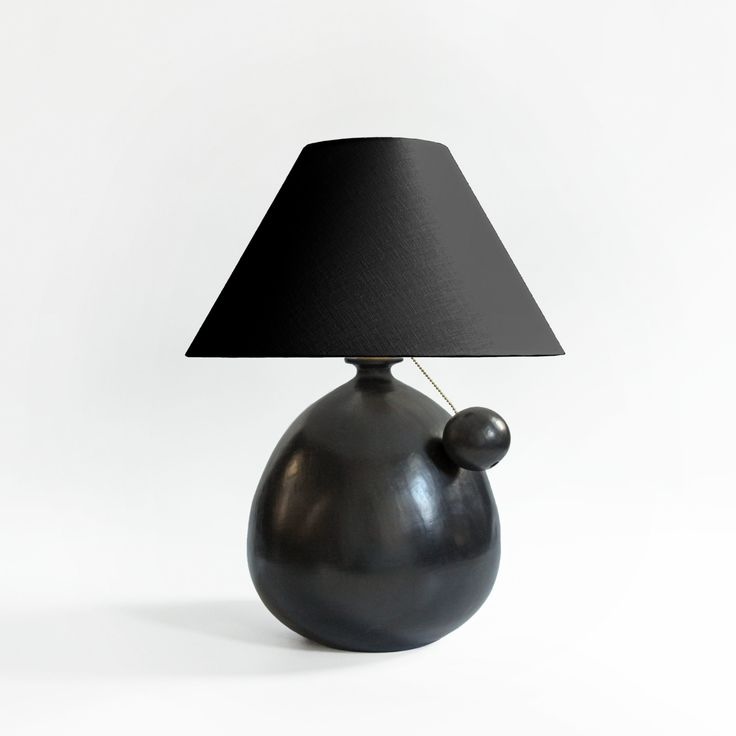
The lighting trend for 2026 is moving away from stark, 3000-lumen illumination toward what designers are calling the "Gentle Glow." This movement prioritizes psychological comfort over sheer visibility. By utilizing stoneware, terracotta, and raw marble, these lamps diffuse light in a way that feels soft and atmospheric. The silhouettes themselves are becoming increasingly biomorphic—inspired by the irregular, fluid shapes found in nature, such as seeds, shells, and tide pools.
Why Biomorphic Shapes Work:
- Visual Softness: They break up the "boxiness" of modern architecture and rectangular furniture.
- Natural Connection: These shapes evoke a subconscious sense of calm, echoing the principles of biophilic design.
- Unique Identity: Because many are handmade or slip-cast in small batches, no two "biomorphic" lamps are identical, satisfying the modern craving for exclusivity.
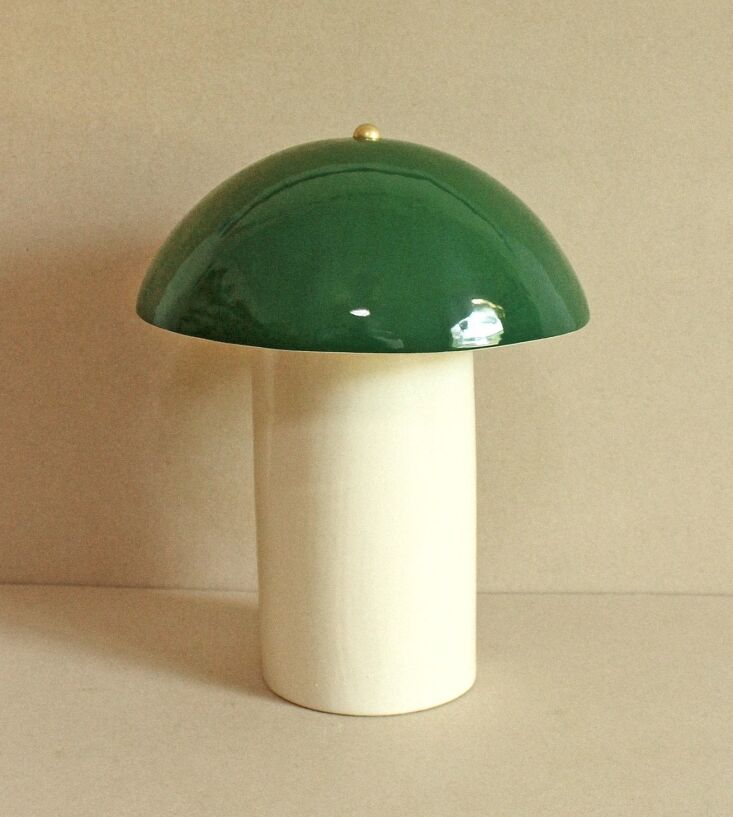
This shift isn't just a matter of taste; it's a measurable market change. Consumer demand for artisan-made studio pottery lighting has seen a projected 40% year-over-year increase. Homeowners are no longer looking for "a lamp"; they are looking for a pedestal-worthy sculpture that happens to emit light.
The New 'Napkin' Trend: Fluidity in Hard Clay
One of the most exciting sub-trends emerging in 2026 is the "Napkin" or "Curtain" light. This concept involves manipulating clay—traditionally a rigid, heavy material—to look like fluid, draped fabric. Imagine a ceramic base that appears to be caught in a mid-air flutter or a porcelain shade that folds over itself like a linen napkin.
This juxtaposition of material and form creates a stunning visual tension. It challenges our perception of ceramics as "clunky" or "heavy," offering a delicate, airy aesthetic while maintaining the earthy durability of stoneware. These pieces often feature "buttery" glazes or matte, eggshell finishes that invite the touch, reinforcing the tactile nature of the 2026 home.
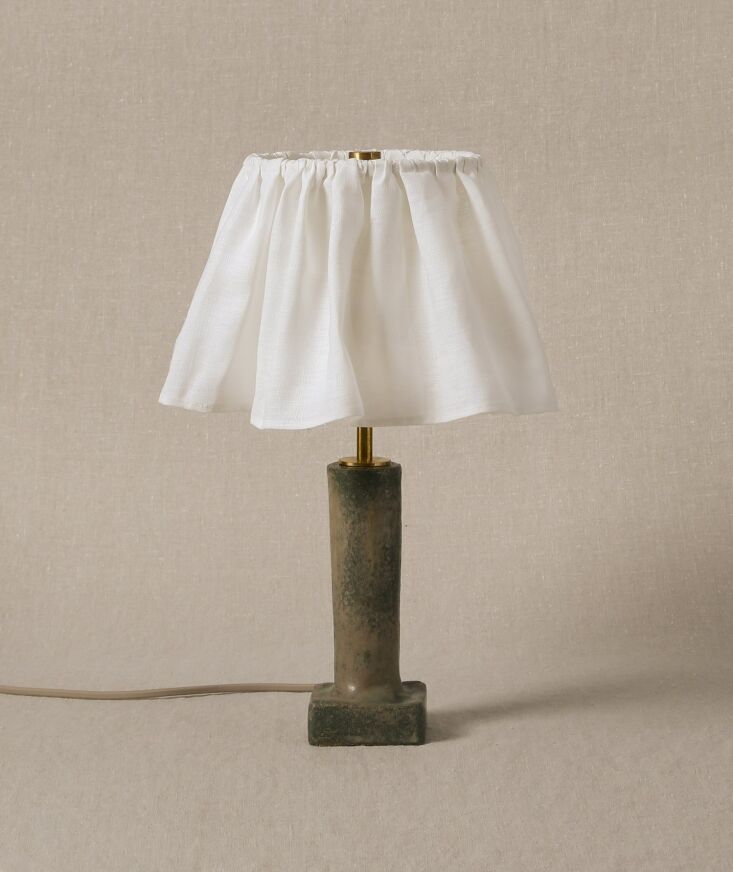
Editor’s Tip: When styling a "Napkin" style lamp, place it against a contrasting texture. A fluid, folded ceramic lamp looks breathtaking when set on a rugged, reclaimed wood console or a sleek glass side table.
Meet the Modern Masters: Studios Defining the 2026 Trend
While vintage mid-century finds from the 50s and 60s remain highly collectible, a new wave of contemporary studios is redefining the genre. These designers are utilizing traditional techniques like slab construction and unique glazing to create architectural statement pieces that feel both ancient and futuristic.
1. Ceramicah
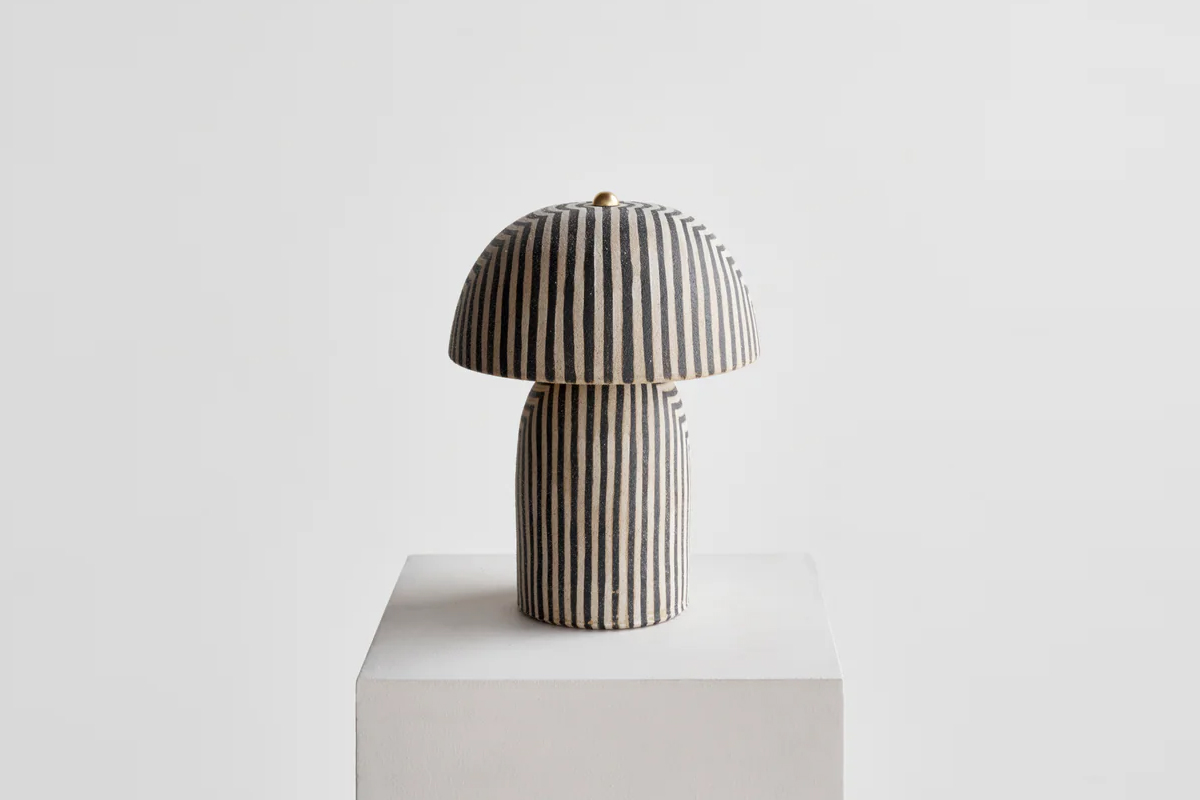
Founded by a duo with a background in architecture, Ceramicah's pieces are known for their precision and scale. Their "Tera Lamp" has become a modern icon, featuring a tall, tapered base that feels incredibly grounded. Their glazes range from "Stone" to "Inky Black," offering a sophisticated palette that fits seamlessly into a minimalist interior.
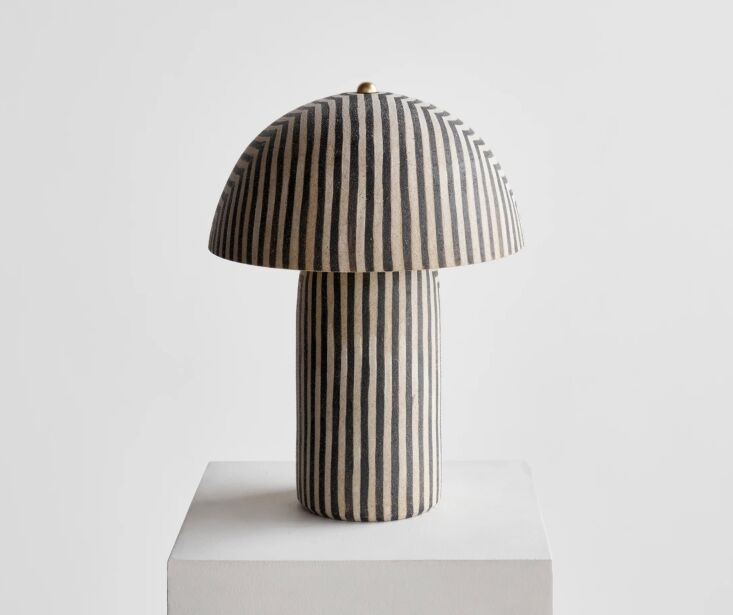
2. SIN Studio
Virginia Sin has pioneered a look that feels like a warm hug for your home. Her work often involves coiled stoneware and "origami-inspired" folds. Her lamps aren't just light sources; they are experiments in geometry and comfort.
3. Dumais Made
Specializing in slab-constructed lighting, Dumais Made brings a rugged, modernist edge to the trend. Based in Litchfield, Connecticut, their work emphasizes the raw texture of the clay, often leaving edges slightly exposed to celebrate the process of creation.
Material Mastery: Earthy Stones and Mixed Textures
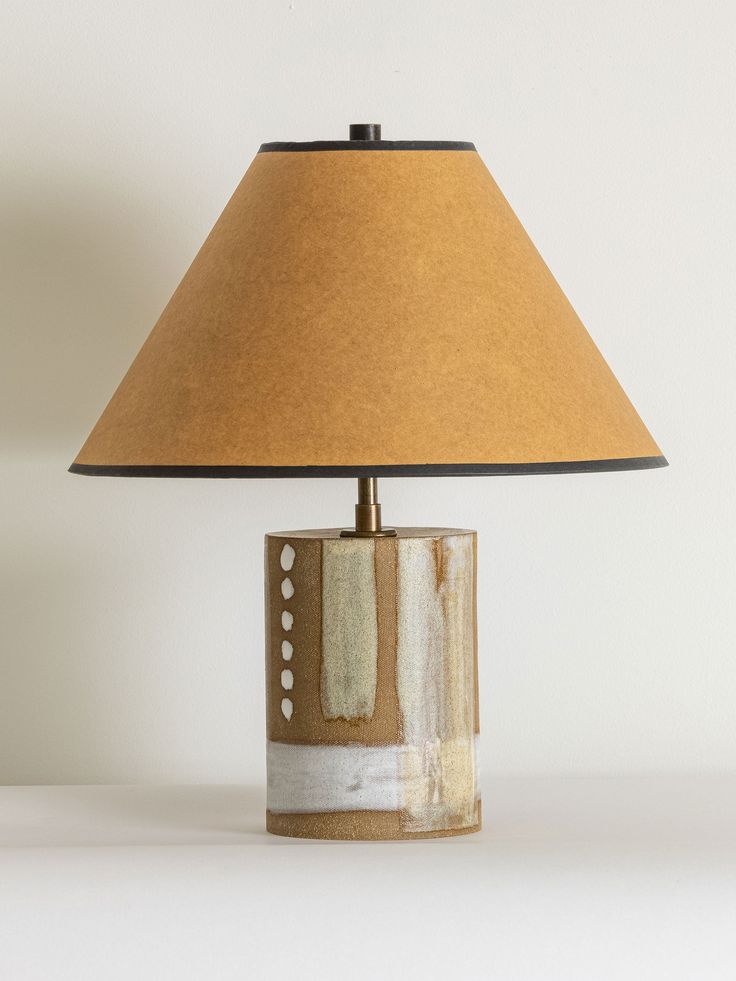
In 2026, the "ceramic lamp" is evolving beyond just clay. We are seeing a sophisticated intersection of materials—raw marble bases paired with linen shades, or stoneware bodies topped with woven rattan. This "Neo-Deco" influence combines the geometric boldness of the 1930s with the soft-touch, matte finishes of the current era.
A particularly striking trend is the use of Barro Negro clay. Originating from Oaxaca, this clay undergoes a specific carbonization process during firing, resulting in a deep, metallic, iridescent black finish. When used in a lamp base, it creates a dramatic, moody focal point that feels incredibly "quiet luxury."
| Feature | Vintage Mid-Century Ceramic | 2026 Modern Ceramic |
|---|---|---|
| Glaze | Often high-gloss, colorful (orange, teal) | Matte, earthy, textured, or carbonized |
| Form | Symmetric, bottle-shaped, or gourd | Biomorphic, asymmetrical, slab-built |
| Shade | Large drum shades, often silk | Conical linen, pleated paper, or matching ceramic |
| Vibe | Retro, kitschy-cool | Architectural, "maker-led," soulful |
How to Style Mid-Century Ceramics in a Contemporary Space
Integrating a sculptural ceramic lamp requires an intentional eye for proportion. Because these pieces have a heavy visual "weight," they can easily overwhelm a small table if not balanced correctly.
- The 'Mixed but Intentional' Approach: Don’t feel the need to match your lamp to your furniture. A Brutalist-inspired, heavy stoneware lamp looks spectacular when paired with a contemporary, low-profile sofa. The contrast between the rugged lamp and the smooth upholstery creates visual interest.
- Layered Lighting Strategies: A large ceramic lamp should rarely be the only light source. Use it as an ambient statement piece. Combine it with recessed architectural lighting for tasks and perhaps a slim metal floor lamp in a corner to provide height variation.
- Scale Matters: For a living room console, choose a lamp that is at least 24-30 inches tall. A lamp that is too small will look like an afterthought. In 2026, we are seeing "over-scaled" lamps becoming the primary art piece in the room.
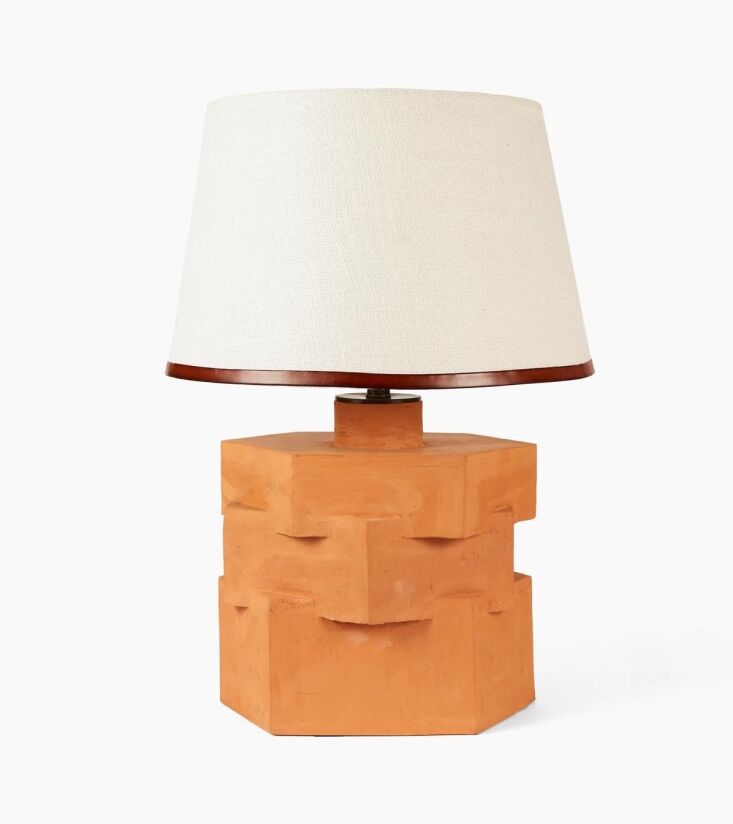
As we look toward the future of our living spaces, it is clear that we are craving objects that tell a story. The reclamation of mid-century ceramic lamps isn't just about a trend; it's about a desire for permanence and the "maker's touch" in an increasingly digital world. Whether it's the fluid "napkin" folds of a porcelain base or the rugged slab construction of a stoneware monolith, these pieces offer a grounding presence that turns a house into a curated home.
FAQ
Are mid-century ceramic lamps considered a good investment? Yes. High-quality studio pottery and well-maintained vintage pieces from the mid-century era tend to hold or increase in value. As the "maker's hand" becomes rarer in an automated world, hand-thrown and architectural ceramic pieces are increasingly seen as collectible art rather than just home decor.
How do I clean a matte-finish ceramic lamp without ruining the texture? Matte and unglazed ceramics can be porous. Avoid harsh chemicals. Use a soft, dry microfiber cloth for regular dusting. For deeper cleans, a slightly damp cloth with a tiny amount of mild dish soap can be used, but always test a small, inconspicuous area first to ensure it doesn't leave a "tide mark."
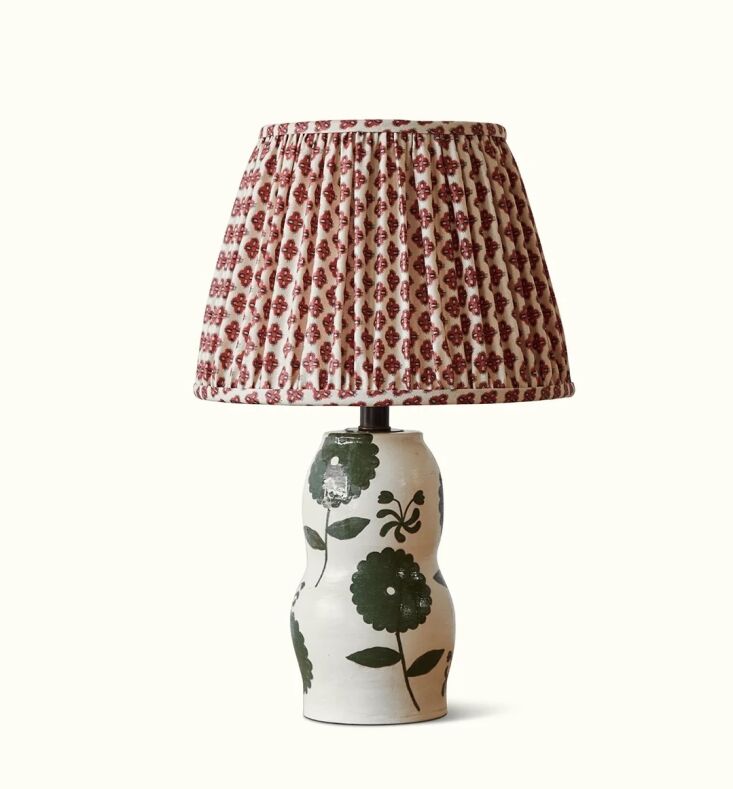
What type of lampshade works best with sculptural ceramic bases? For 2026, the trend is moving away from shiny silk and toward natural textures. Linen, burlap, and pleated paper shades are the preferred choices. They complement the organic nature of the clay and help diffuse the light into that coveted "gentle glow."