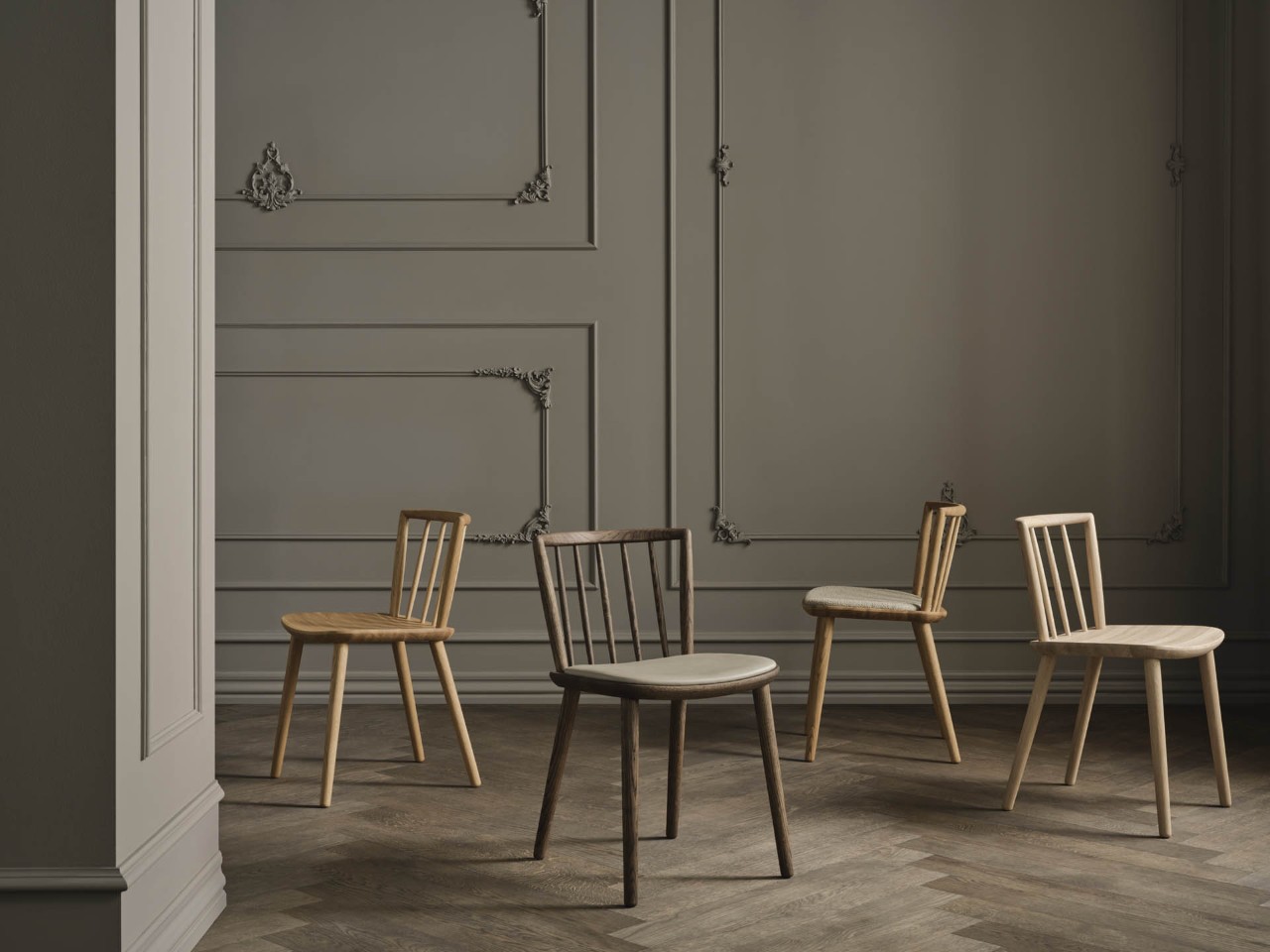
As we look toward 2026, the Scandinavian interior landscape is shedding its reputation for stark, monochromatic minimalism in favor of what I like to call "warm functionality." For years, we’ve prioritized the "look" of a room, often at the expense of the messy reality of living in it. But the tides are shifting. Recent market data suggests the home organization sector is poised to grow to a staggering $17.67 billion by 2032, proving that as our lives become more digital, our physical spaces require more intentional structure.
Celebrating its 10-year milestone of design innovation, Reform—the Copenhagen-born brand that famously disrupted the kitchen industry—has finally turned its gaze toward the rest of the home. By expanding their footprint into five major US showrooms and integrating within Design Within Reach (DWR) stores, they aren't just selling cabinets; they are offering a curated lifestyle. Their new modular storage units represent the pinnacle of this evolution, blending the bespoke feel of custom built-ins with the agility of modular design.
The Design Philosophy: Why Modular Storage is the Future of Home Improvement
In my years as an editor, I’ve seen countless storage "solutions" that feel more like temporary Band-Aids than long-term investments. What makes Reform's modular storage unique is its refusal to compromise. By combining high-end designer aesthetics with modular flexibility, Reform offers both freestanding and built-in units that feel like permanent architecture rather than flat-pack furniture.
The system is built on a concept of "Building Blocks"—a series of shared widths, depths, and finishes that allow for seamless integration across different rooms. But the real magic lies in the collaborations. Reform doesn't just design in-house; they partner with world-class architects like Jean Nouvel, Inga Sempé, and David Thulstrup to bring a sculptural quality to everyday objects.
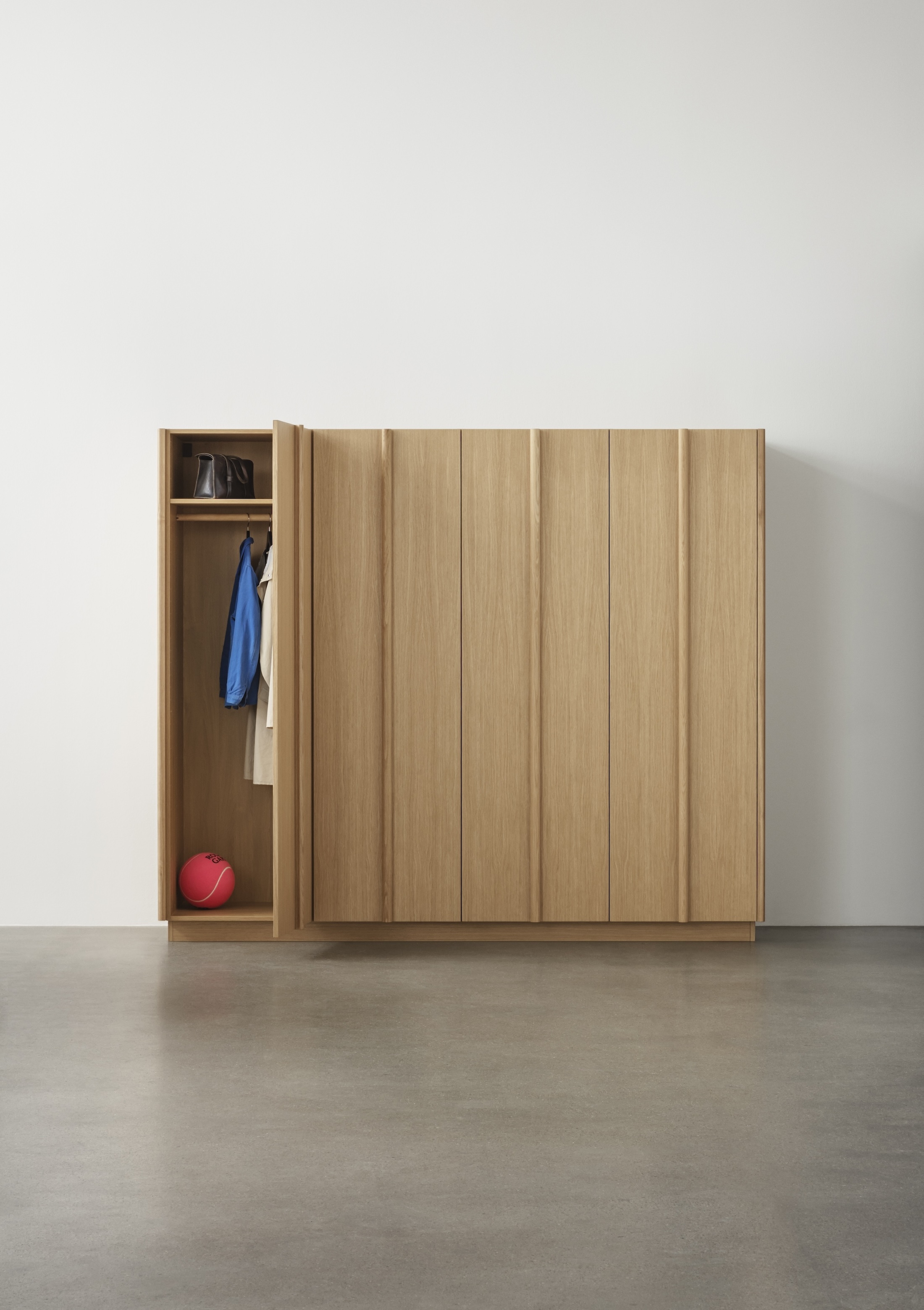
Whether you are looking for a singular statement armoire or a wall-to-wall closet system, these units provide a level of customization usually reserved for high-end contractors. You aren't just choosing a box; you are choosing a vision from some of the most influential minds in modern architecture.
Beyond the Kitchen: Where to Install Reform Modular Units
One of the most frequent questions I receive from readers is, "Where can I actually use these units beyond the kitchen?" The beauty of the Scandi-style modular approach is its versatility. While Reform started with the "heart of the home," their new collections are specifically designed for the high-traffic "transition zones" that often become magnets for clutter.
Versatile Applications for Modern Living:
- The Mudroom & Entryway: Transform a chaotic entry into a serene transition point. Reform’s storage benches and tall units act as elegant landing pads for coats, shoes, and bags, maintaining a "visual quiet" the moment you walk through the door.
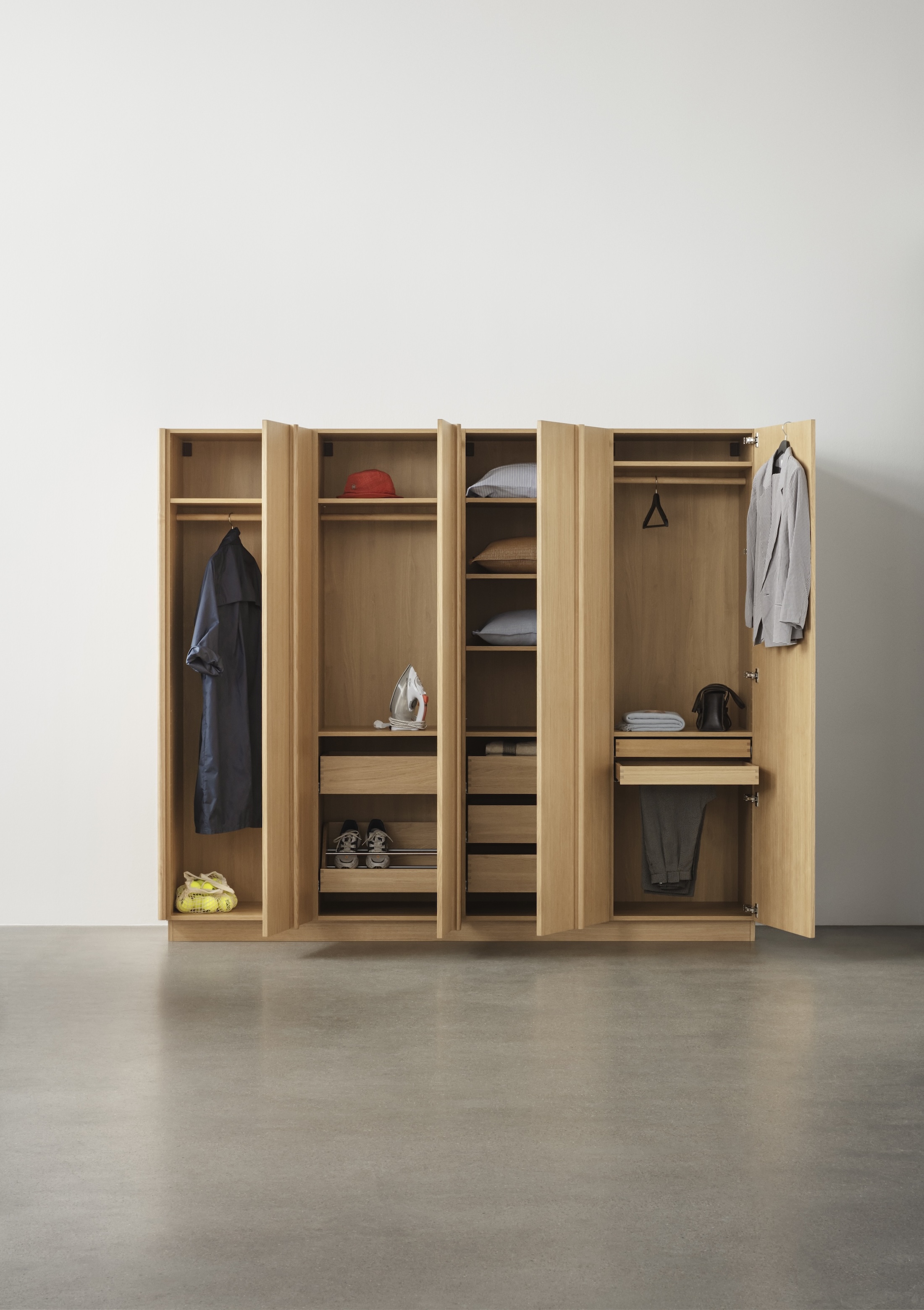
- The Master Bedroom: Move away from bulky, mismatched dressers. Custom built-in wardrobes in a Scandi style provide a streamlined look that can be configured with specialized internal drawers for everything from jewelry to knitwear.
- The Playroom or Home Office: Modular units allow for a mix of open shelving for books and closed cabinetry to hide the "visual noise" of toys, printers, or unruly cables.
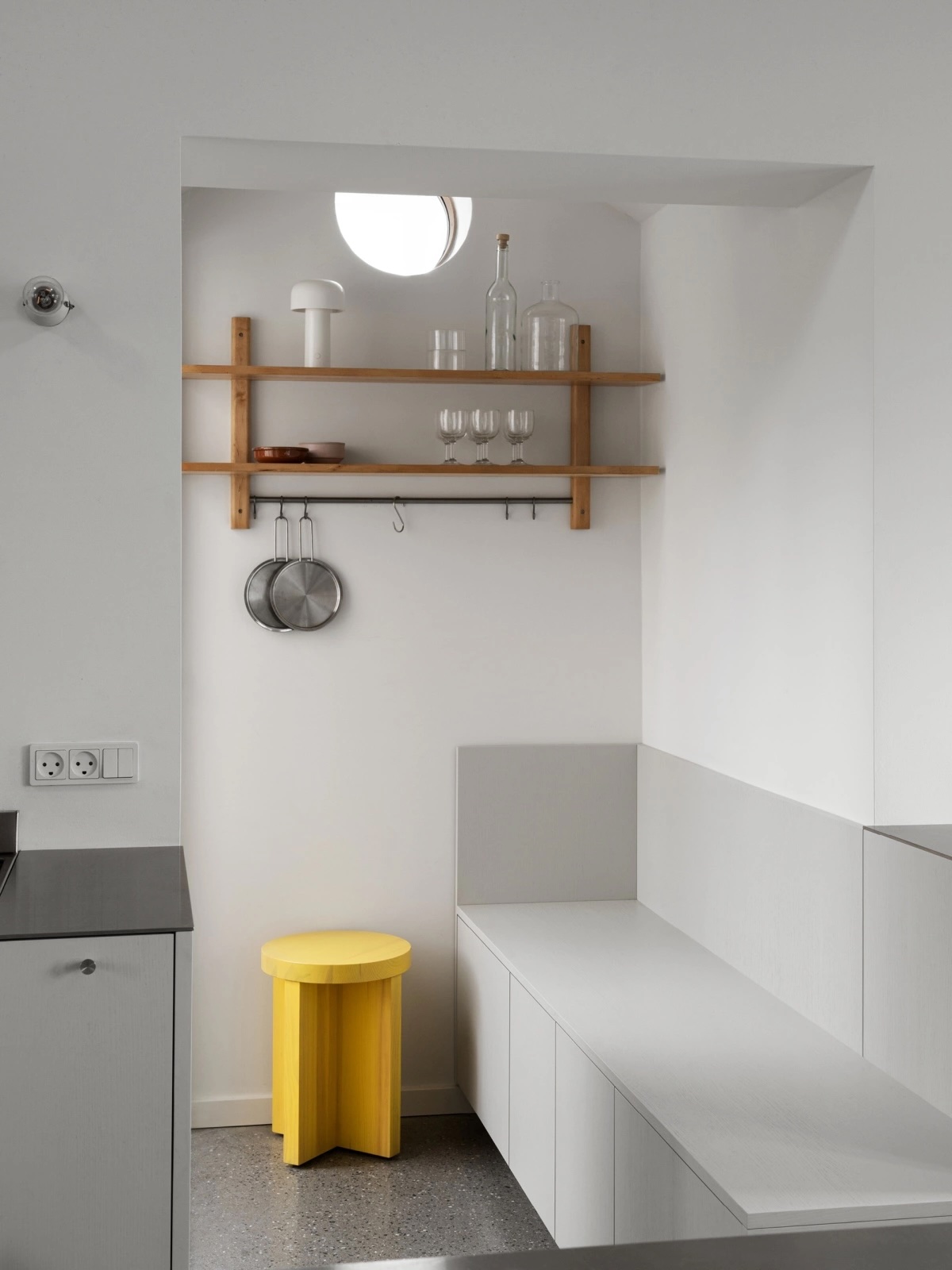
The debate between Freestanding vs. Built-In is easily resolved here. If you are a renter or someone who likes to reconfigure their space every few years, the freestanding armoires offer a "furniture-first" feel. However, for those looking to maximize property value, the built-in configurations create a seamless, floor-to-ceiling look that mimics high-end millwork.
2026 Scandi Trends: Warm Woods and Earthy Palettes
If 2024 was about "quiet luxury," 2026 is shaping up to be about "expressive organicism." We are seeing a definitive return to nature-inspired textures, but with a refined, industrial edge. Reform’s palette is perfectly positioned for this shift, featuring 18 curated painted finishes alongside premium natural wood grains like white ash, oak, and the perennially sophisticated smoked oak.
Key Material Trends for 2026:
- The Return of Honey Oak and Beech: Lighter woods are being used to create warmth without the heaviness of traditional mid-century styles.
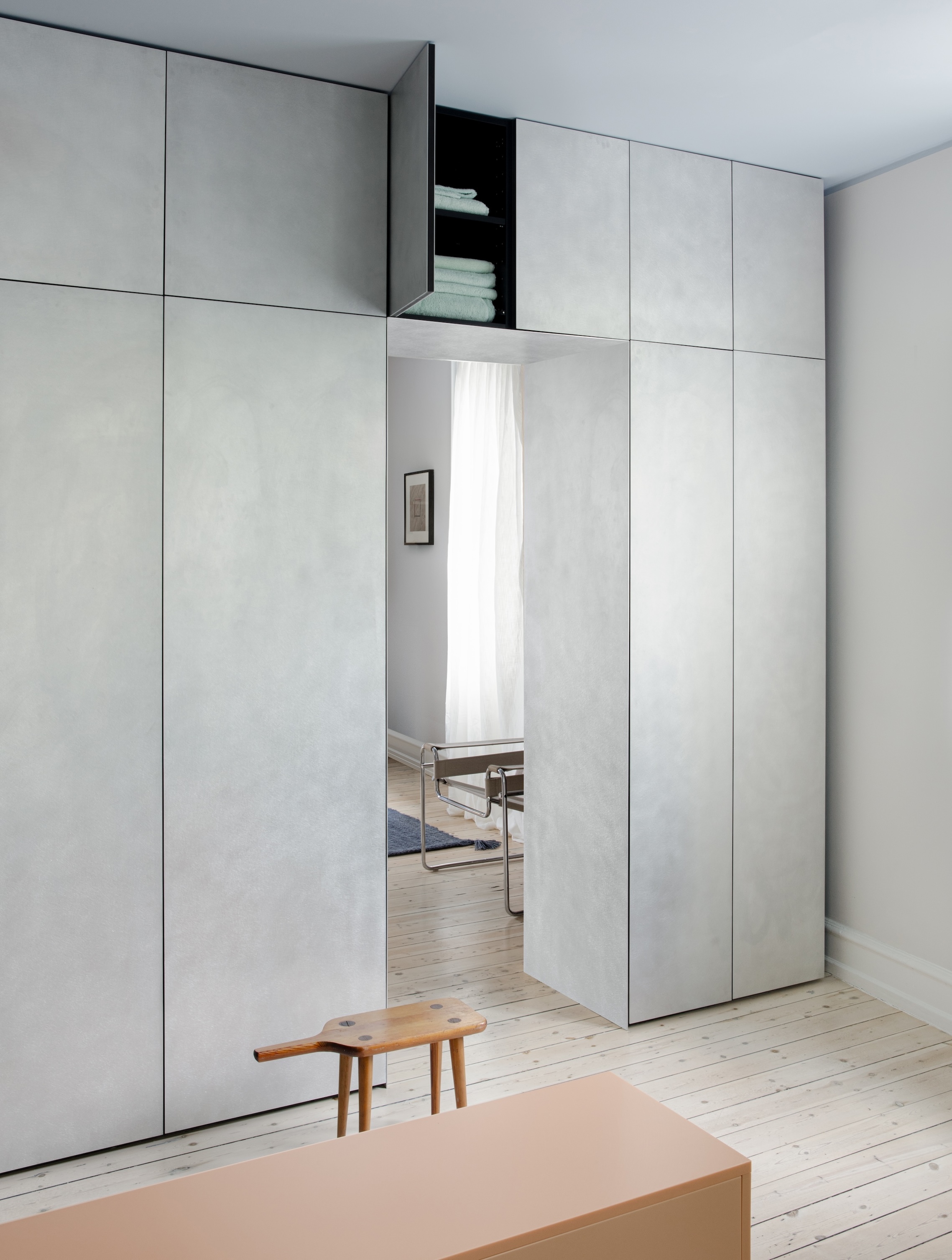
- Texture-Driven Comfort: We are seeing a move toward tactile materials. Reform integrates linoleum—which is carbon-neutral and soft to the touch—with hand-brushed aluminum for a look that is both futuristic and grounded.
- The "New Neutrals": Forget stark white. The 2026 palette favors muted, earthy tones. Think Pistachio, Dusty Orange, and Mushroom. These colors act as neutrals but offer a depth that evolves as the light changes throughout the day.
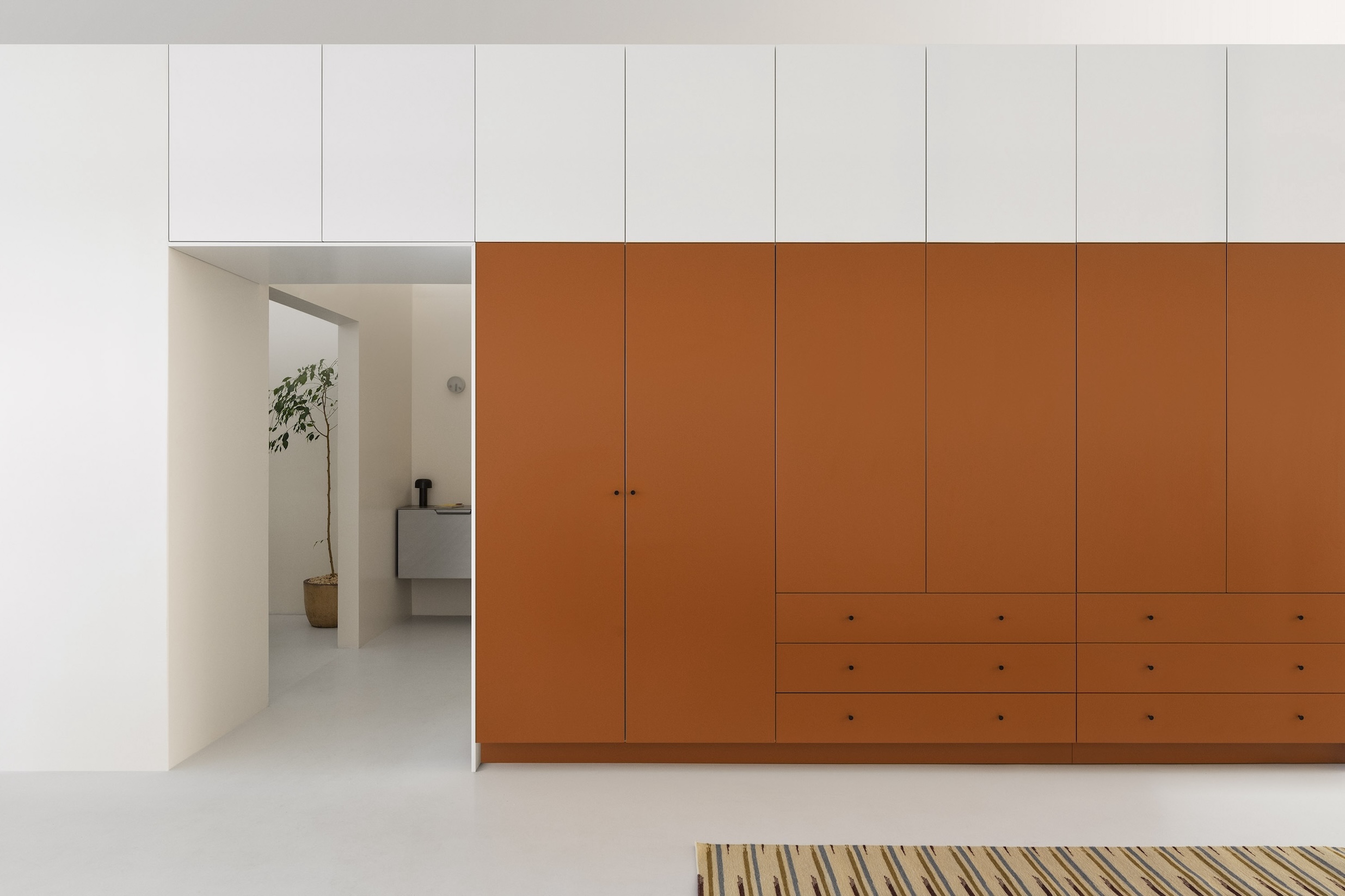
Editor’s Tip: When selecting a finish, consider the "Five-Year Rule." Will this color still resonate with you in half a decade? Earthy tones like ochre and sage are historically more resilient to trend fatigue than bright primaries.
The Comparison: Reform vs. IKEA and Other Modular Systems
It is impossible to discuss modular storage without mentioning the elephant in the room: IKEA. While systems like IKEA BESTÅ or PAX have their place for budget-conscious DIYers, there is a clear distinction when you move into the "designer modular" category.
| Feature | IKEA (BESTÅ/PAX) | Reform Modular Systems |
|---|---|---|
| Primary Materials | Particle board with foil/laminate | Smoked oak, linoleum, hand-brushed aluminum |
| Design Origin | Mass-market in-house | Architect-led (Nouvel, Sempé, Thulstrup) |
| Customization | Standard sizes/limited colors | 18 curated colors + bespoke architect collections |
| Durability | Medium (intended for 5-10 years) | High (long-term investment grade) |
| Planning Experience | DIY Online Tool | Expert consultant planning via DWR or Showrooms |
Reform sits in that "sweet spot" of the market. It is significantly more affordable than hiring a private carpenter for custom millwork, yet the material quality—using real wood veneers and industrial-grade metals—far surpasses standard big-box offerings.
Planning Your Layout: From Small Apartments to Full Closets
Designing a storage system for a small apartment requires a different strategy than outfitting a suburban mudroom. The goal is to maximize vertical space while maintaining clear "sight lines." When a room feels cluttered, it’s often because our eyes have nowhere to rest.
1. Map Your High-Traffic Zones Before ordering, track your movement for three days. Where do you drop your keys? Where does the mail pile up? Place your modular units at these "friction points" to solve organizational issues before they start.
2. The Mix of Open and Closed Storage A wall of solid cabinets can feel heavy in a small room. I recommend a 70/30 split: 70% closed storage to hide the "visual noise" (electronics, cables, seasonal gear) and 30% open shelving to display curated objects that reflect your personality.
3. Scalability and Future-Proofing One of the most underrated benefits of the Reform system is its scalability. Because the units use a standardized grid, you can start with a small setup and add to it as your budget or family grows. If you move, these units can often be reconfigured to fit a new floor plan, protecting your initial investment.
FAQ
Q: Can Reform units be installed by a DIYer, or do I need a professional?
A: While Reform is designed for modular assembly, the level of finish is quite high. Many customers choose professional installation—especially for built-in floor-to-ceiling units—to ensure perfect leveling and seamless joins. However, freestanding units are well-suited for those comfortable with high-end flat-pack assembly.
Q: Are the materials sustainable?
A: Yes, sustainability is a core tenet of Scandinavian design. Reform uses FSC-certified woods and materials like linoleum, which is made from natural raw materials. Their commitment to durability also means these pieces aren't destined for a landfill in five years.
Q: How do I choose between the different architect collections?
A: Think about the "vibe" of your architecture. The Plate collection by Studio David Thulstrup offers a more industrial, modern look with its aluminum details, while Inga Sempé’s Column collection is more tactile and classic, making it ideal for older homes with character.
Conclusion
The evolution of the home from a place we "stay" to a place we "experience" requires a new approach to organization. Reform’s expansion into modular storage is a breath of fresh air for those of us who crave the precision of Scandinavian design but require the warmth of a lived-in home. By investing in quality materials like smoked oak and hand-brushed aluminum, you aren't just buying a cabinet—you are future-proofing your space against the clutter of modern life.
Whether you're tackling a cramped entryway or dreaming of a gallery-worthy walk-in closet, the tools are now at your fingertips. It’s time to move beyond "good enough" storage and embrace the designer-led future of home organization.