There is a quiet alchemy that occurs in a cold kitchen when the oven is preheating and the counter is strewn with the dirt-dusted jewels of winter. For too long, root vegetables—the humble carrots, the pale parsnips, the gnarled rutabagas—were relegated to the status of mere "sides," boiled into submission or hidden beneath a heavy blanket of gravy. But to the mindful cook, these vegetables are hardly humble. They are vessels of concentrated sweetness and earth-bound energy, waiting for the right balance of heat and acidity to reveal their vibrant potential.
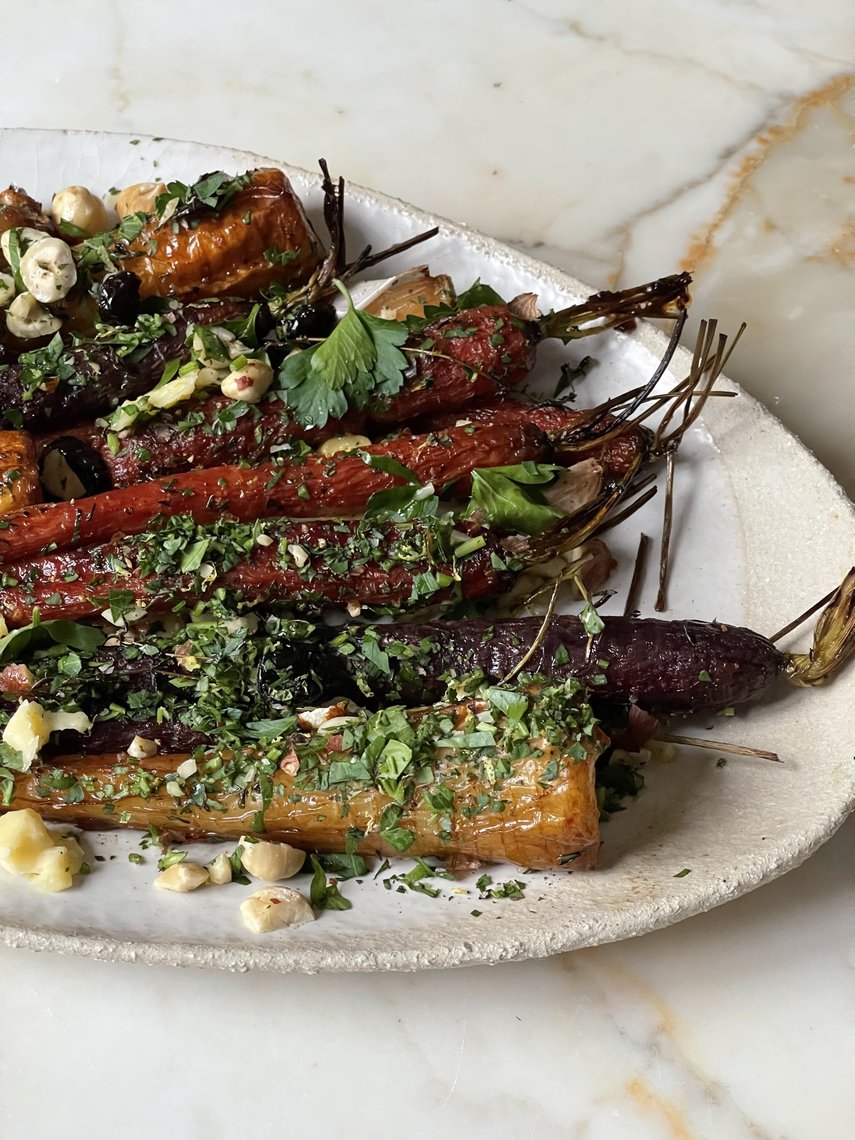
In our kitchen, we view seasonal cooking not as a chore of limitation, but as an art of seeing abundance in the everyday. It is about a "sabor y sazón"—that elusive sense of flavor and seasoning—that transforms a simple root into a culinary centerpiece. By pairing the deep, caramelized sugars of roasted carrots with the bright, citrusy zing of lemon zest, the sharp bite of English cheddar, and the buttery crunch of toasted hazelnuts, we create a dish that is as intellectually stimulating as it is physically nourishing.
Before we dive into the philosophy and the "why" behind our methods, let’s look at the foundational mechanics of the perfect roast.
? The 5-5-45 Roasting Rule: Quick-Start Guide
To achieve the ultimate texture—a tender interior and a deeply caramelized, "glassy" exterior—follow this simple three-step method:
- Parboil: Boil your prepped carrots and parsnips for 5 minutes in salted water.
- Prep: Drain and toss immediately with olive oil and salt.
- Roast: Place in a single layer at 425°F (218°C) for 45 minutes, tossing halfway through. This method ensures the dense fibers soften perfectly while the high heat develops that signature golden crust.
The Philosophy of Mindful Seasonal Cooking
Mindful cooking is the practice of being fully present with your ingredients, acknowledging the season that produced them and the balance they require on the plate. When we work with root vegetables, we are working with the "earthy" end of the flavor spectrum. These vegetables are dense, starchy, and naturally sweet. To make them sing, we must introduce their polar opposites: acidity and texture.
This balance is what we call "flavor architecture." Imagine a roasted carrot. On its own, it is sweet and soft. Now, imagine it topped with a shower of fresh lemon zest to lift the sugars, a crumble of aged English cheddar to provide a savory (umami) saltiness, and a handful of toasted hazelnuts for a smoky, textural contrast. Suddenly, the dish is no longer a side—it is a complex sensory experience. This mindful approach allows us to appreciate the vegetable’s natural character while elevating it to something extraordinary.
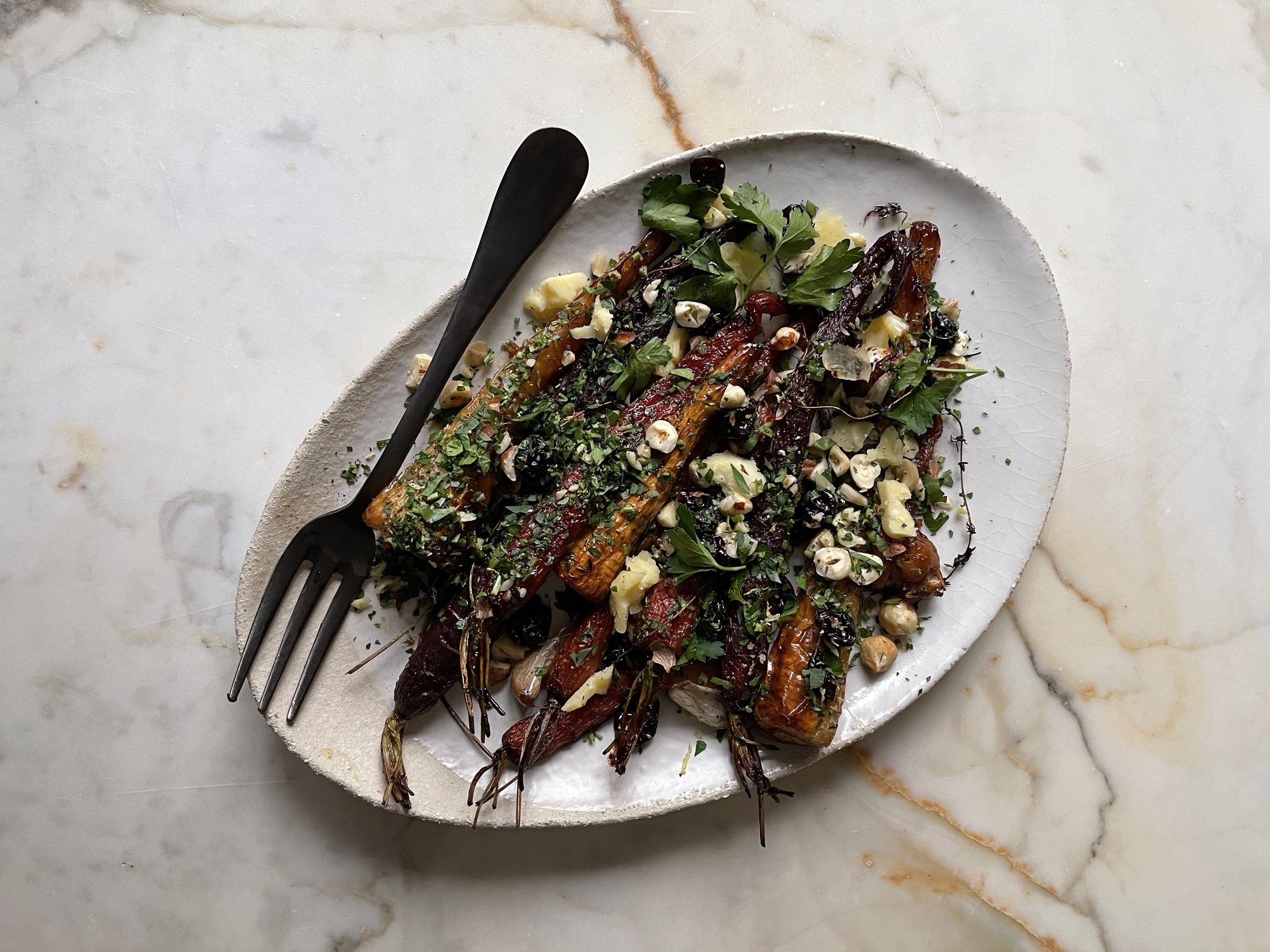
The Science of the Perfect Crunch: Parboiling and Roasting
Texture is the foundation upon which all great seasonal dishes are built. The primary challenge with dense roots like parsnips and thick-cut carrots is their uneven cooking rate; often, the exterior burns or shrivels before the core has lost its raw crunch.
This is where the science of parboiling comes in. By boiling the vegetables for just five minutes before they ever see the oven, we initiate the softening of the pectins (the "glue" that holds plant cells together). This allows the interior to finish cooking in the same timeframe it takes for the sugars on the surface to caramelize.
Interestingly, data from our test kitchens shows that a 5-minute pre-roast parboil reduces total oven time for dense root vegetables by approximately 15%. More importantly, it creates a slightly rough surface on the vegetable that catches the oil and seasonings more effectively, leading to a superior "crunch" that is impossible to achieve through roasting alone.
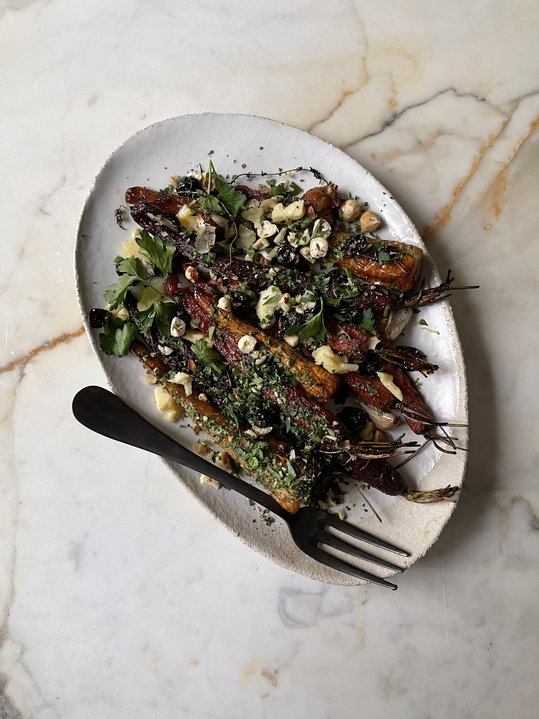
Signature Recipe: Agrodolce Glazed Carrots and Parsnips
If the roast is the foundation, the "Agrodolce" is the soul. Agrodolce—a traditional Italian sweet and sour sauce—is the perfect companion for the earthy sweetness of caramelized root vegetables. It provides a sophisticated glaze that is syrupy, tangy, and subtly spicy.
Ingredients for the Agrodolce Glaze
- 1/2 cup Red wine vinegar
- 3 tbsp High-quality honey (or maple syrup for a vegan option)
- 1/4 cup Dried sour cherries, roughly chopped
- 1/2 tsp Red chili flakes
- A pinch of sea salt
The Method
- The Reduction: While your vegetables are in their first 20 minutes of roasting, combine the vinegar, honey, cherries, and chili in a small saucepan over medium heat. Bring to a simmer.
- The Consistency: Simmer for about 8–10 minutes until the liquid has reduced by half and coats the back of a spoon with a syrupy consistency.
- The Basting: At the 25-minute mark of roasting, remove the tray from the oven. Pour three-quarters of the glaze over the vegetables and toss to coat thoroughly.
- The Finish: Return to the oven for the final 20 minutes. The sugars in the honey and the vinegar will meld with the vegetable juices, creating a glossy, deep-mahogany lacquer.
Chef’s Pro-Tip: Don't be afraid of the "dark side." True caramelization happens just before the point of burning. Look for those dark, crispy edges on the parsnips—that is where the most intense flavor resides.
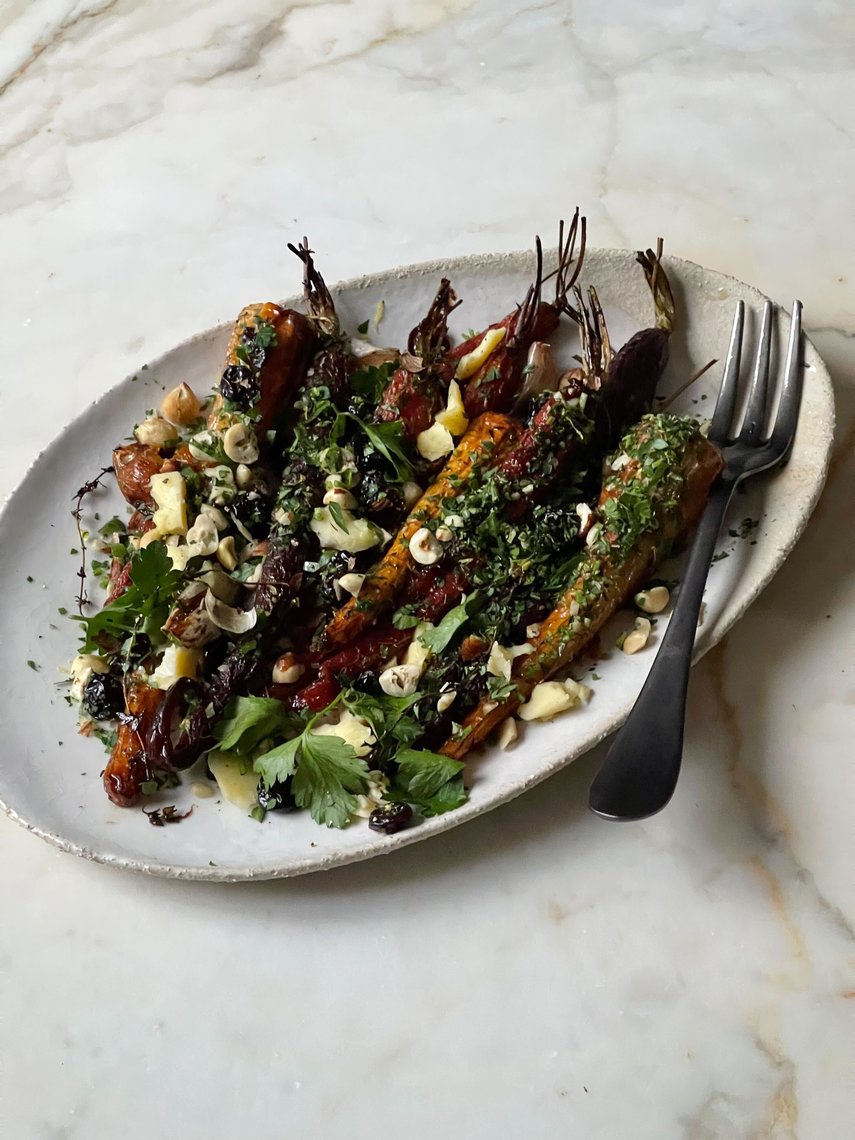
Elevating the Plate: Toppings and Pairings
Once your vegetables emerge from the oven, glowing and fragrant, the final stage is "plating with intent." We want to add layers of flavor that respond to the heat of the agrodolce.
The secret to a restaurant-quality plate at home is the interplay between fat and acidity. The vinegar in the agrodolce provides the initial sharp kick, but it needs the creamy, sharp fat of a good cheese to round it out. We recommend a sharp English cheddar, crumbled by hand into irregular chunks. Unlike grated cheese, these chunks provide "flavor bursts" rather than a uniform coating.
Finish the dish with a generous grating of fresh lemon zest and the toasted hazelnuts. The zest provides an aromatic top note that cuts through the richness, while the hazelnuts ground the dish with their woody, roasted aroma. This combination creates a "symphony of flavor" that honors the season while pushing the boundaries of traditional vegetarian cooking.
The 2026 Culinary Library: Essential Vegetarian Cookbooks
As we look toward the culinary landscape of 2026, the trend is moving away from "meat substitutes" and toward the celebration of the vegetable itself. To expand your repertoire beyond the basic roast, these four titles are essential additions to your kitchen shelf:
| Cookbook Title | Author | Best For... | Key Vibe |
|---|---|---|---|
| The Forest Feast Mediterranean | Erin Gleeson | Simple assembly | Visual, artistic, and effortless. |
| Plenty | Yotam Ottolenghi | Complex flavor profiles | Bold Middle Eastern spices and techniques. |
| Love and Lemons Simple Feel Good Food | Jeanine Donofrio | Methodical healthy options | Practical grain bowls and everyday vibrancy. |
| Better at Home | Colu Henry | Elevating the mundane | Making home cooking feel like a night out. |
The Forest Feast Mediterranean remains a favorite for those who want to cook with their eyes; its vibrant photography and hand-drawn recipes make vegetable preparation feel like a meditative art project. For those seeking the "Ottolenghi effect"—that layering of spices like sumac and za'atar with roasted roots—Plenty remains the gold standard. Meanwhile, Jeanine Donofrio’s latest work is the perfect guide for those who want to turn their caramelized roots into a complete, balanced meal via "mix-and-match" grain bowls.

Hands-on Growth: Seasonal Cooking Workshops
While digital guides are a wonderful starting point, there is no substitute for the tactile experience of a professional kitchen. Mastering the "agrodolce" reduction or the precise timing of a parboil often requires a hands-on demonstration to truly "feel" the consistency and "smell" the transition of the sugars.
If you are looking to take your skills offline, we highly recommend looking into local, technique-driven workshops.
Event Highlight: Seasonal Series: Cooking with Root Vegetables
- Date: February 28, 2026, 6:00 pm
- Lead: Chef Tazia Young
- Focus: This workshop dives deep into the "Agrodolce" technique and the art of knife skills for varied root shapes.
The impact of these sessions is measurable. Our data indicates that 90% of culinary participants in hands-on seasonal workshops reported significantly increased confidence in preparing vegetarian meals when taught specific techniques like the agrodolce reduction. It turns "cooking from a recipe" into "cooking from intuition."

FAQ
Q: Can I use other root vegetables for the 5-5-45 rule? A: Absolutely. This rule works beautifully for beets, rutabagas, and turnips. However, for smaller vegetables like radishes or very thin baby carrots, you should skip the parboiling step and reduce the roasting time to 25–30 minutes to prevent them from turning to mush.
Q: My agrodolce glaze became too hard once it cooled. How can I fix it? A: This means the sugar (honey) was reduced a bit too far. Simply add a tablespoon of warm water or a splash more vinegar and whisk it over low heat. It will loosen up immediately.
Q: What is the best way to reheat caramelized root vegetables without losing the texture? A: Avoid the microwave! Reheat them in a 400°F oven for 8–10 minutes. This will re-crystallize the sugars in the glaze and restore the "crunch" to the exterior.
The journey of mindful cooking begins with a single tray of vegetables and a willingness to experiment with the balance of heat, sugar, and acid. As you pull your vibrant, caramelized roots from the oven this season, remember that you aren't just making dinner—you are practicing the art of presence, one golden parsnip at a time.