Project Snapshot
| Category | Details |
|---|---|
| Project Name | Waterside Hotel Melbourne |
| Architects | Techne Architects |
| Interior Design | Eleisha Gray |
| Chef | Sarah Chan (Past/Port) |
| Number of Levels | 7 levels |
| Original Build | 1858 |
| Completion Date | November 2025 |
The Waterside Hotel Melbourne renovation stands as a masterclass in how we might breathe new life into the aging sentinels of our urban landscape. Located in the heart of the Melbourne CBD, this project represents a significant heritage pub adaptive reuse, transforming a structure that has stood since 1858 into a sophisticated, seven-level modern cultural hub. This wasn't merely a facelift; it was a profound reimagining led by the visionary minds at Techne Architects and interior designer Eleisha Gray. By integrating two original exterior facade walls into an entirely new vertical sequence, the team has created a venue that feels both deeply rooted in Victorian history and vibrantly attuned to contemporary hospitality.
Architectural Framework: Integrating the Heritage Facade
The journey of the Waterside Hotel Melbourne renovation was not a sprint; it was an eight-year project that required surgical precision to execute. The primary architectural challenge lay in the vertical expansion. How does one take a historic three-storey pub and quintuple its functional complexity without losing its soul? Techne Architects approached this by treating the original 19th-century facade not as a static ornament, but as a living skin that wraps around a high-tech, seven-story core.
This contemporary restoration prioritizes an "intentional tension" between eras. While the street-level experience retains the robust, familiar character of a classic Melbourne local, the upper floors introduce a sleek, glass-and-steel verticality. The engineering feat of integrating original facade walls into new building construction allowed the architects to preserve the rhythmic window placements and masonry textures of the 1850s while supporting the structural load of a modern hospitality complex. This bridge between the past and the present is what makes this project one of the best examples of adaptive reuse in Melbourne architecture.
Interior Alchemy: Eleisha Gray’s Production Design Lens
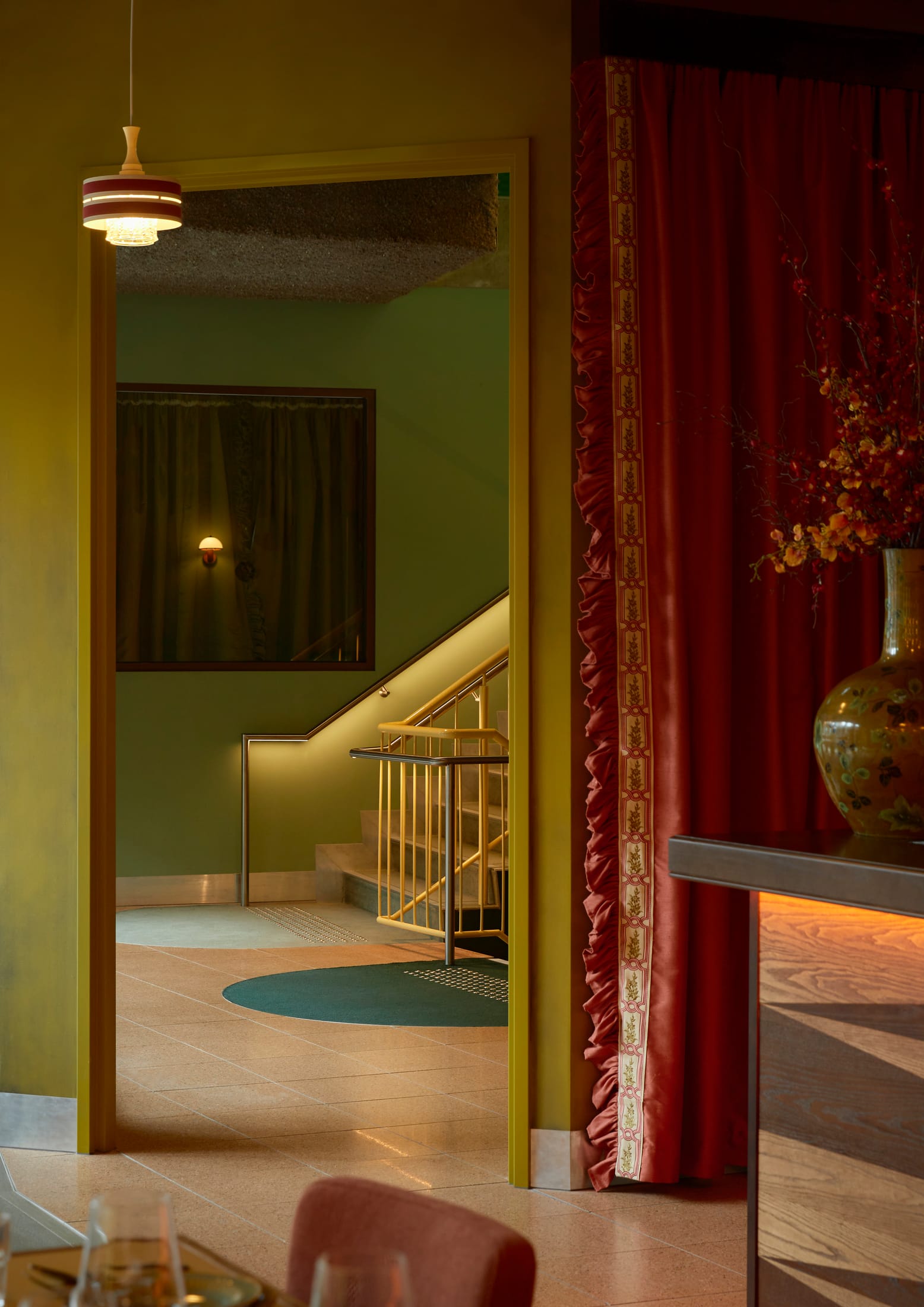
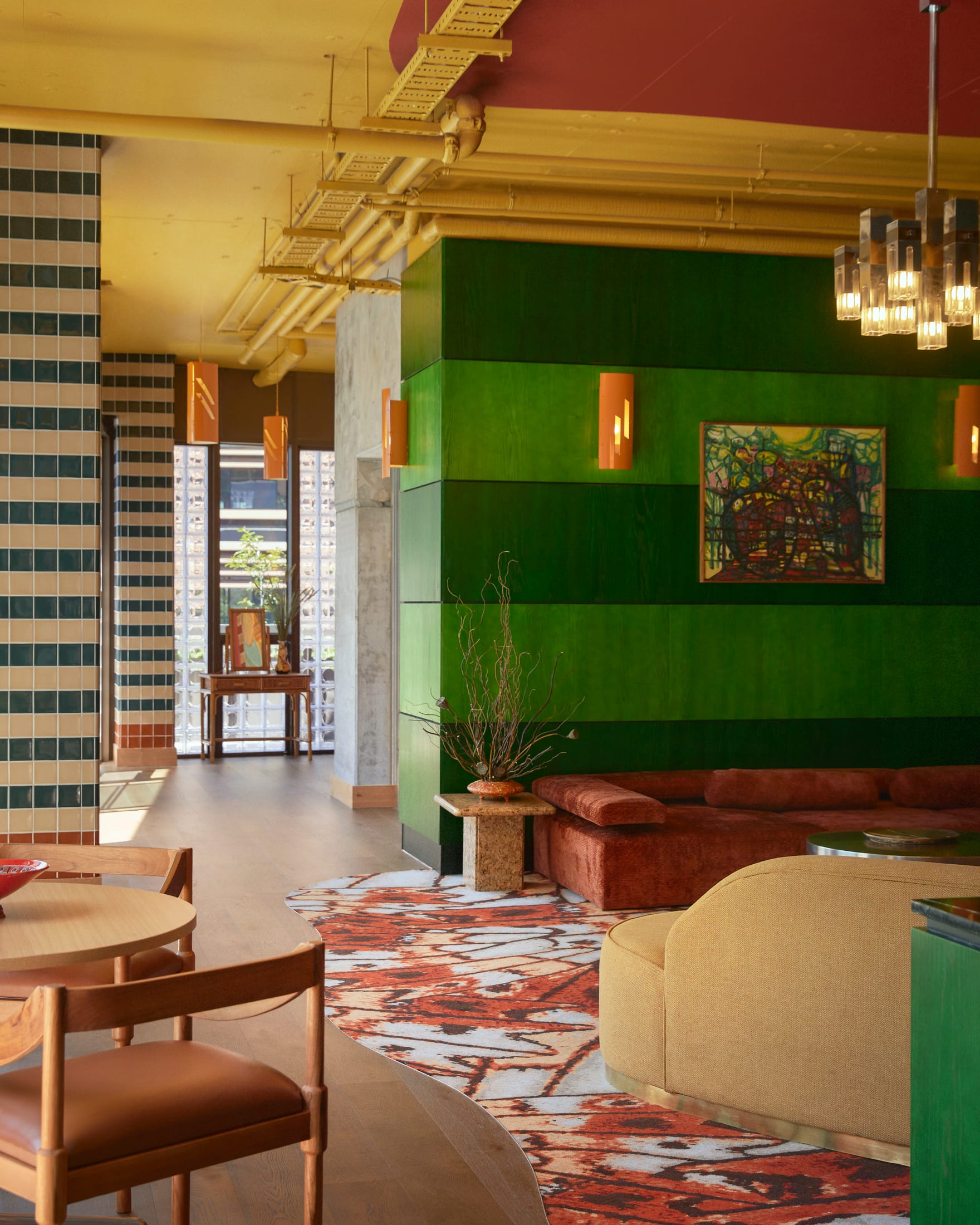
If Techne Architects provided the bones, Eleisha Gray provided the pulse. To understand the interior logic of the Waterside Hotel, one must look at Gray’s background in production design for film and theater. Unlike traditional decorators who might start with a furniture catalog, Gray begins with a "mood-first" philosophy. The Eleisha Gray design portfolio is defined by spaces that feel "accumulated" rather than "installed"—a crucial distinction in boutique hospitality interior design.
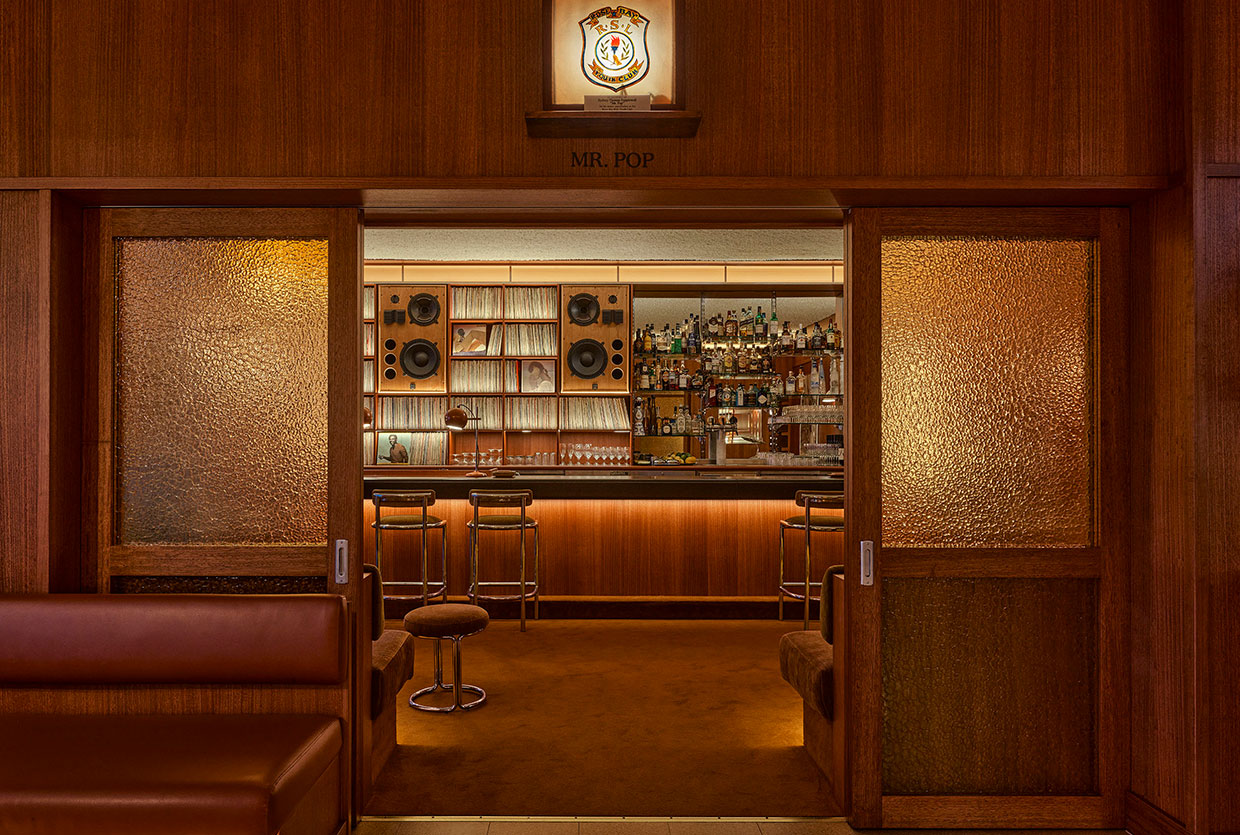
Gray’s approach to the role of production design in interior architecture involves creating a narrative depth through "found objects" and reworked antiques. In the Waterside Hotel, you won't find a sterile, off-the-shelf aesthetic. Instead, we see old tables cleverly repurposed as custom shelving and antique clocks retrofitted with modern LEDs. This method creates an atmosphere of established familiarity, as if the building has been gathering these layers of character for centuries rather than just a few years. For those seeking interior design tips for heritage buildings with modern functions, Gray’s work teaches us that authenticity comes from the imperfections—the patina of aged wood, the tactility of hand-forged metal, and the deliberate use of shadow.
Past/Port: A Multi-Level Southeast Asian Culinary Journey
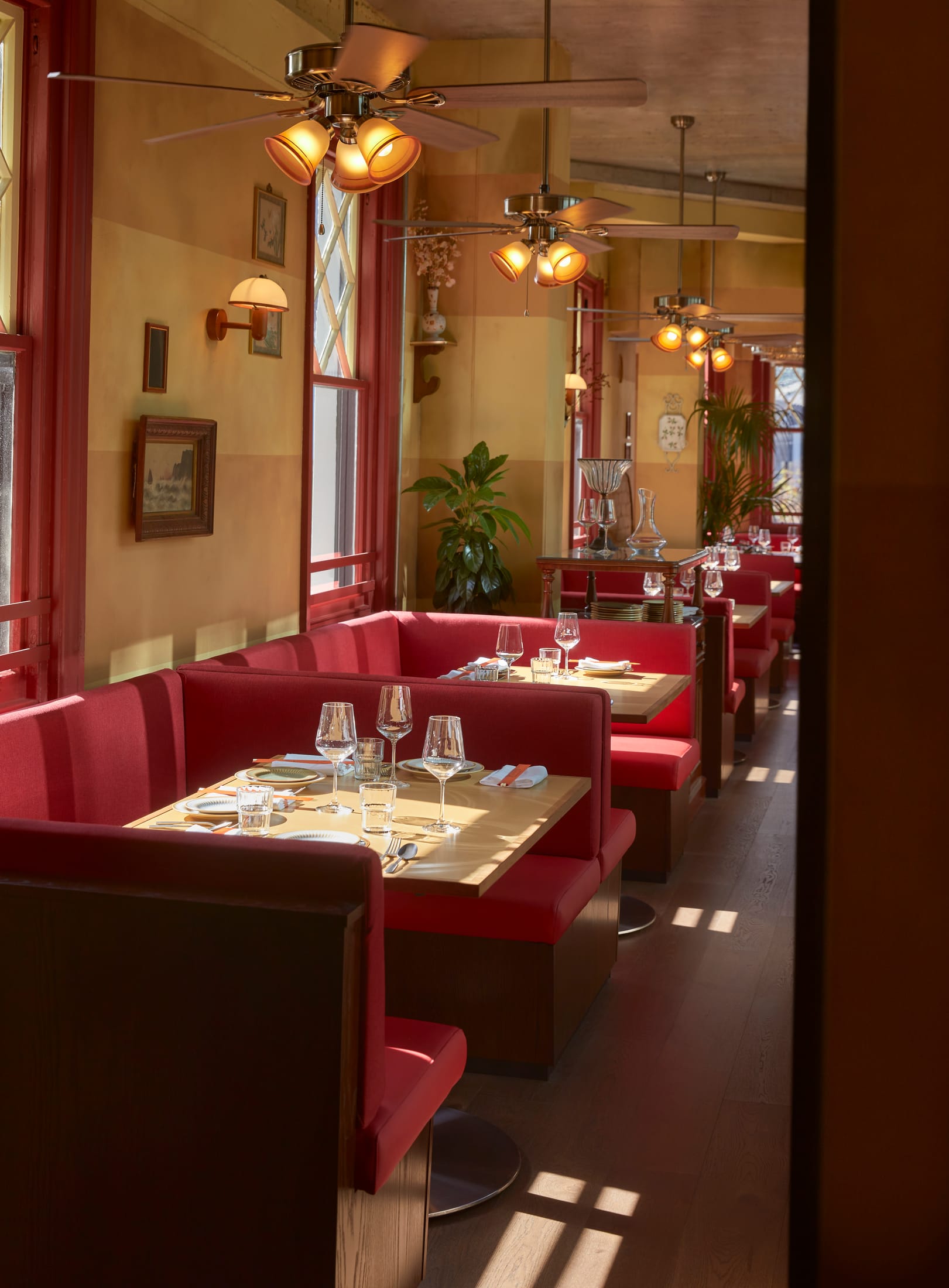
The centerpiece of the Waterside’s cultural offering is Past/Port, a restaurant that spans three of the building's seven levels. Under the culinary direction of Chef Sarah Chan, the venue offers a sophisticated take on Southeast Asian cuisine. However, the design of the space is just as crucial to the experience as the menu. Designing a Southeast Asian restaurant inside a 19th century building presents a unique aesthetic challenge: how to honor the cuisine’s origins without falling into cultural clichés or clashing with the Victorian architecture.
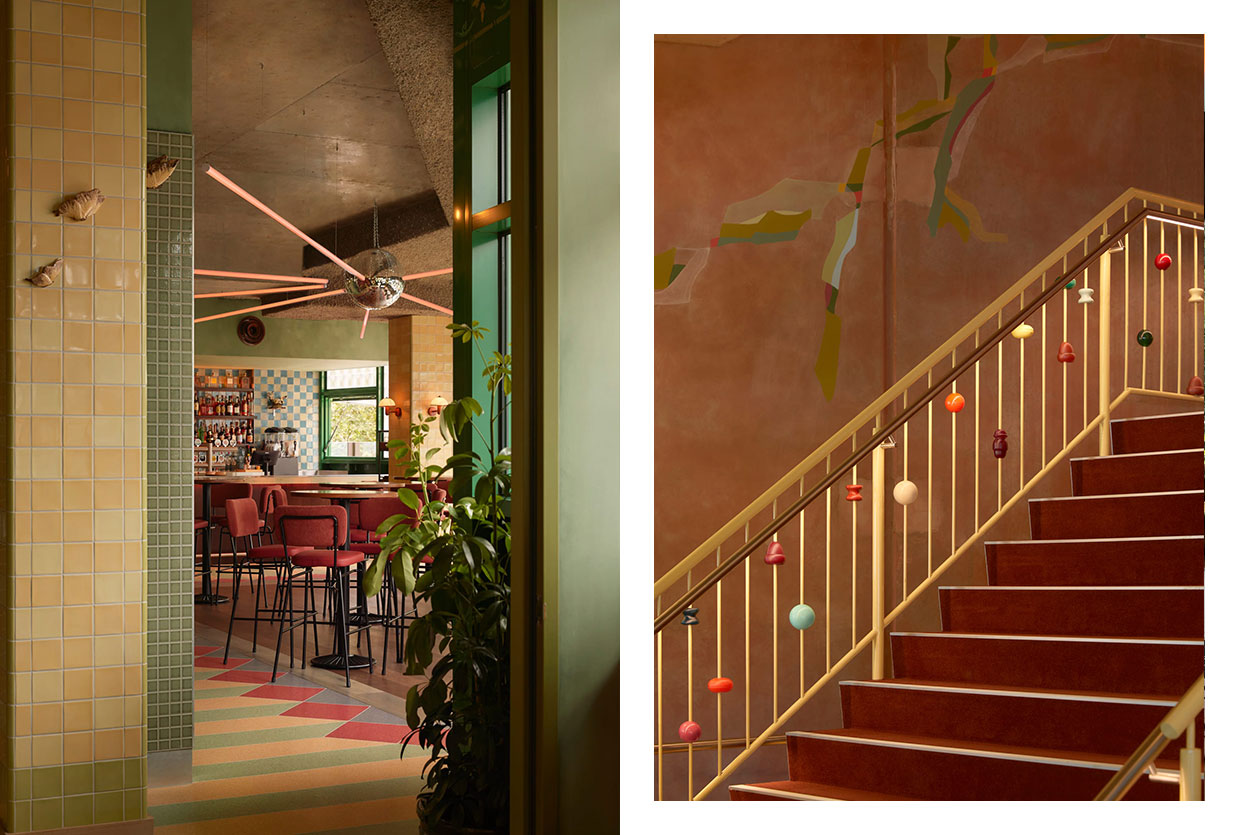
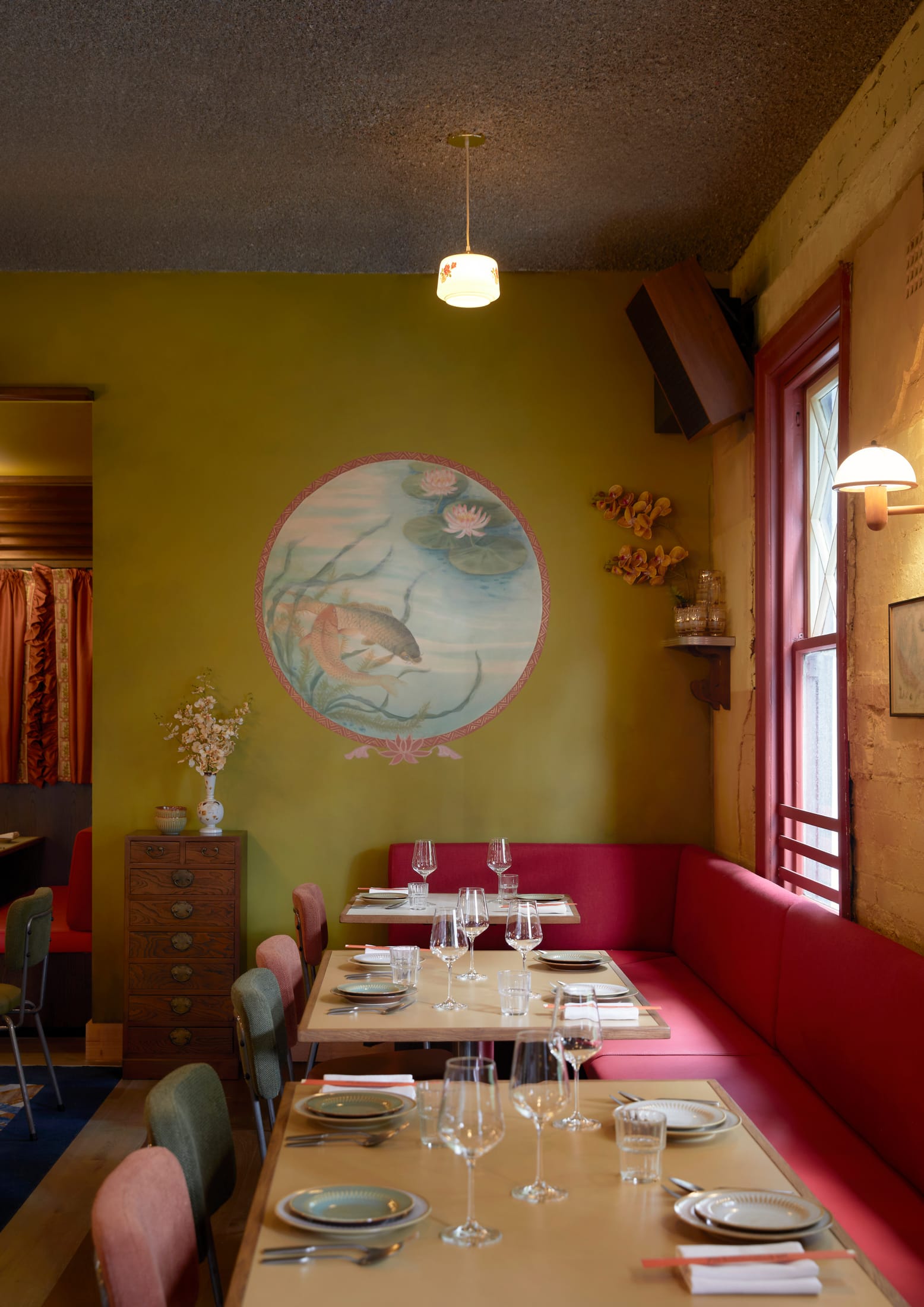
The solution was found in a palette of deep greens, rich ochres, and natural rattan—tones Gray describes as being inspired by "caper and tapenade." To achieve a level of depth that standard paint cannot provide, the design team collaborated with scenic artists from the film industry. These artists hand-painted the walls, layering textures and colors to create a soft, weathered glow that feels ancient yet fresh. This hand-finished quality elevates the dining rooms, making them feel intimate and "lived-in," providing a perfect backdrop for the vibrant, aromatic dishes served by Chef Chan.
The Vertical Sequence: Mapping the 7-Story Cultural Experience
When considering how to transform a historic pub into a multi level cultural hub, one must master the "vertical sequence." In the Waterside Hotel Melbourne renovation, the ascent through the building is designed to mirror a shift in energy and intent. Each level offers a distinct chapter in the guest's journey:
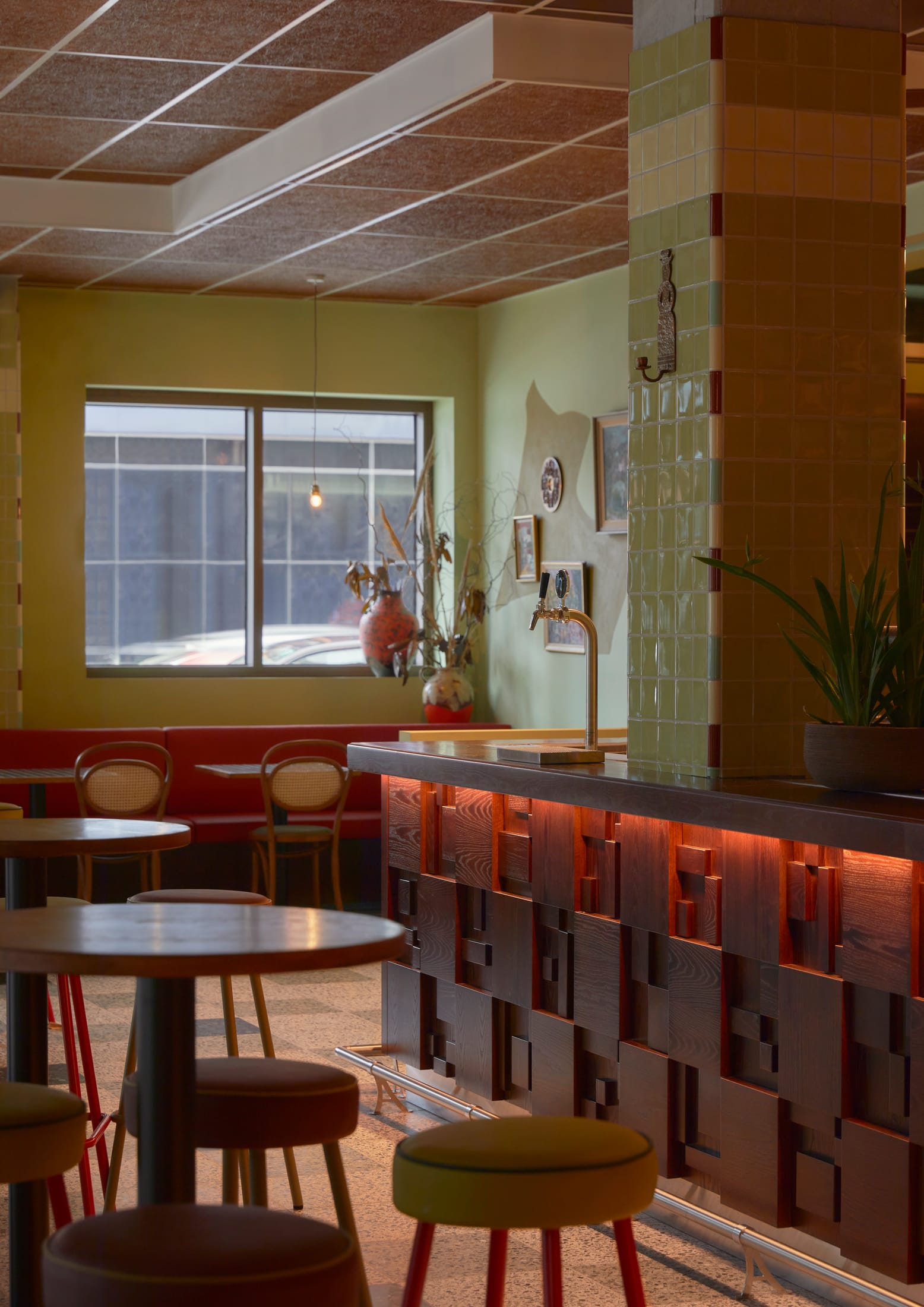
- Ground Floor Public Bar: The "anchor" of the building, maintaining the democratic spirit of the 1858 original. It’s a space for the local community, featuring traditional materials and a robust, welcoming atmosphere.
- Levels 1-3: Past/Port Restaurant: A more refined, sensory experience. Here, the lighting dims, the textures become more tactile (think linens and woven rattan), and the focus shifts to Chef Chan’s culinary narrative.
- Intermediate Private Dining & Event Spaces: Hidden gems tucked within the heritage shell, offering exclusive views of the Melbourne CBD through the original arched windows.
- The Rooftop Cocktail Bar: The climax of the vertical journey. As guests reach the summit, the heritage walls give way to panoramic views of the skyline. The rooftop serves as a civic interface, connecting the historic interior of the pub with the modern pulse of the city outside.
This choreographed movement ensures that the venue never feels like a single, monolithic block, but rather a collection of unique "neighborhoods" stacked vertically.
Conclusion: Redefining Modern Hospitality via Heritage
The Waterside Hotel Melbourne renovation is a testament to the power of thoughtful, narrative-driven design. It proves that we don't need to choose between preserving our history and embracing the future. By leaning into the boutique hospitality interior design expertise of Eleisha Gray and the structural ingenuity of Techne Architects, the project has successfully reopened one of the city's most historic pubs as a multi-layered destination.
For those of us in the design world, the Waterside serves as a beacon. It shows that the most successful contemporary restorations are those that aren't afraid to let the "scars" of the past show, using them as the foundation for a new, richer story. Whether you are there for the heritage facade, the Southeast Asian flavors of Past/Port, or the view from the seventh floor, the Waterside Hotel reminds us that the best design is, ultimately, about how a space makes us feel.
FAQ
How to transform a historic pub into a multi level cultural hub?
Transformation requires a balance of structural preservation and functional diversification. At the Waterside, this involved keeping the original 1858 facade while building an entirely new seven-story core. Success lies in creating a "vertical sequence" where each floor offers a different mood and utility—from a public bar to high-end dining and rooftop lounges.
What makes the Southeast Asian cuisine at Past/Port unique in its design context?
The restaurant, led by Chef Sarah Chan, is unique because its aesthetic is specifically tuned to its menu. Instead of traditional decor, the space uses a "mood-first" palette of caper, tapenade, and ochre, with hand-painted walls created by film scenic artists to evoke the vibrant, layered nature of the food.
Where is the Waterside Hotel located and what are the highlights?
The hotel is located in the Melbourne CBD. The highlights include its seven-story layout, the three-level Past/Port restaurant, a ground-floor public bar that honors the building's 1858 origins, and a rooftop bar with panoramic city views.