Quick Facts
- Historical Impact: Approximately 38% of US schools were constructed before 1970, with the average building age now reaching 49 years.
- Top Benefit: A residential scale promotes emotional security and a deep sense of belonging for early learners and primary students.
- Sustainability: Repurposing existing structures saves massive amounts of embodied carbon that would otherwise be released during new construction.
- Financial Value: Federal and state historic tax credits can often offset up to 20% of qualified renovation expenses for eligible properties.
- Design Strategy: Threshold Design effectively bridges the gap between domestic warmth and the rigorous utility required for academic environments.
- Elite Precedent: In the United Kingdom, 15% of institutions within the Headmasters and Headmistresses Conference and the Girls' Schools Association are housed in repurposed former country houses.
Adaptive reuse architecture for schools transforms historic homes into high-utility learning environments, blending residential charm with modern educational standards. This sustainable approach leverages existing infrastructure to provide human-centric spaces that support community integration and student well-being.
Section 1: The Philosophy of Emotional Architecture
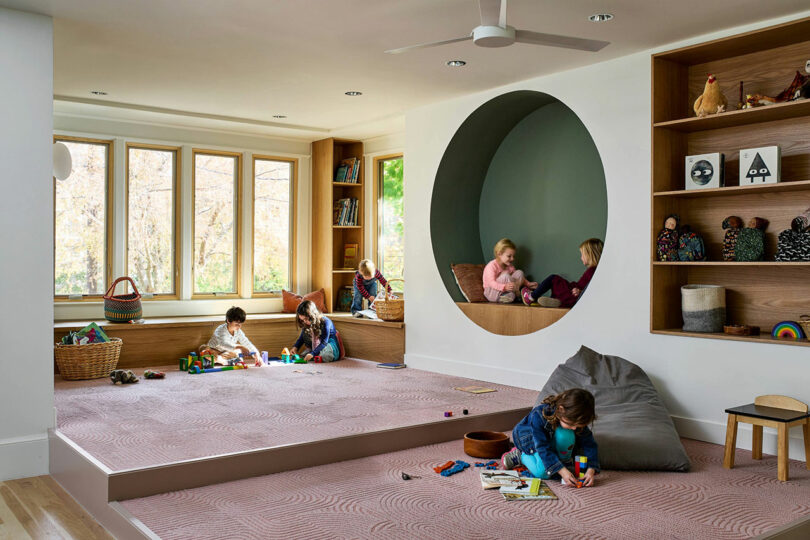
In the world of sustainable living, we often talk about the efficiency of a building’s envelope, but we rarely discuss the efficiency of its soul. When we consider adaptive reuse architecture for educational purposes, we are doing more than just saving a pile of bricks; we are preserving an emotional ecosystem. For a young child, transitioning from the intimacy of a family home to the sprawling, often sterile environment of a traditional institutional school can be jarring. By focusing on adaptive reuse projects that utilize former residences, we offer a gentler transition.
The residential scale of a historic home—the height of the ceilings, the width of the hallways, and the familiar placement of windows—fosters a sense of comfort that modern steel-and-glass structures struggle to replicate. This human-centric design is at the heart of modern pedagogy. Instead of static, cold classrooms, we look for spatial fluidity. This means a room can be a reading nook in the morning and a collaborative workshop in the afternoon.
Tactile learning is also naturally supported in these environments. The grain of an original hardwood floor or the cool touch of a stone fireplace provides a sensory-rich background that stimulates curiosity. When we look at adaptive reuse architecture projects, the goal is to maintain that domestic "warmth" while ensuring the building can handle the foot traffic and safety requirements of dozens of active students.
Section 2: Threshold Design and Biophilic Connectivity
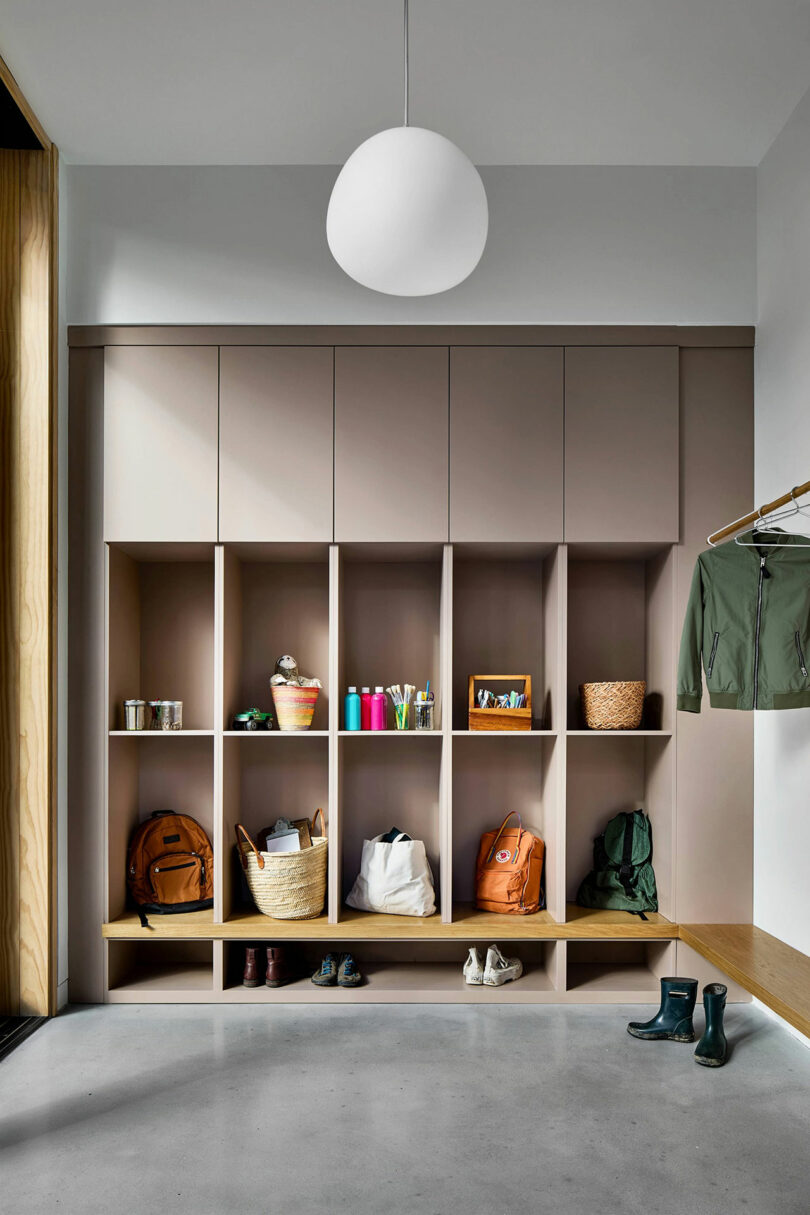
One of the most effective strategies in this niche of architecture is what we call Threshold Design. In a home, the entryway or mudroom is a transition from the world to the sanctuary. In a school setting, these domestic spaces can be repurposed into high-utility zones where students "shed" the outside world. By modernizing 1920s bungalow for educational use, an architect might take a traditional mudroom and expand its utility, turning it into a zone for sensory grounding before the school day begins.
Beyond the entry, the connection to nature is paramount. Many historic homes were built with a closer relationship to their surrounding plots than modern suburban infill. We utilize adaptive reuse schools biophilic design to enhance this. This involves more than just adding a few potted plants; it means opening up the structure to the environment.
Common tactics include:
- Removing non-structural interior walls to create open-plan learning hubs.
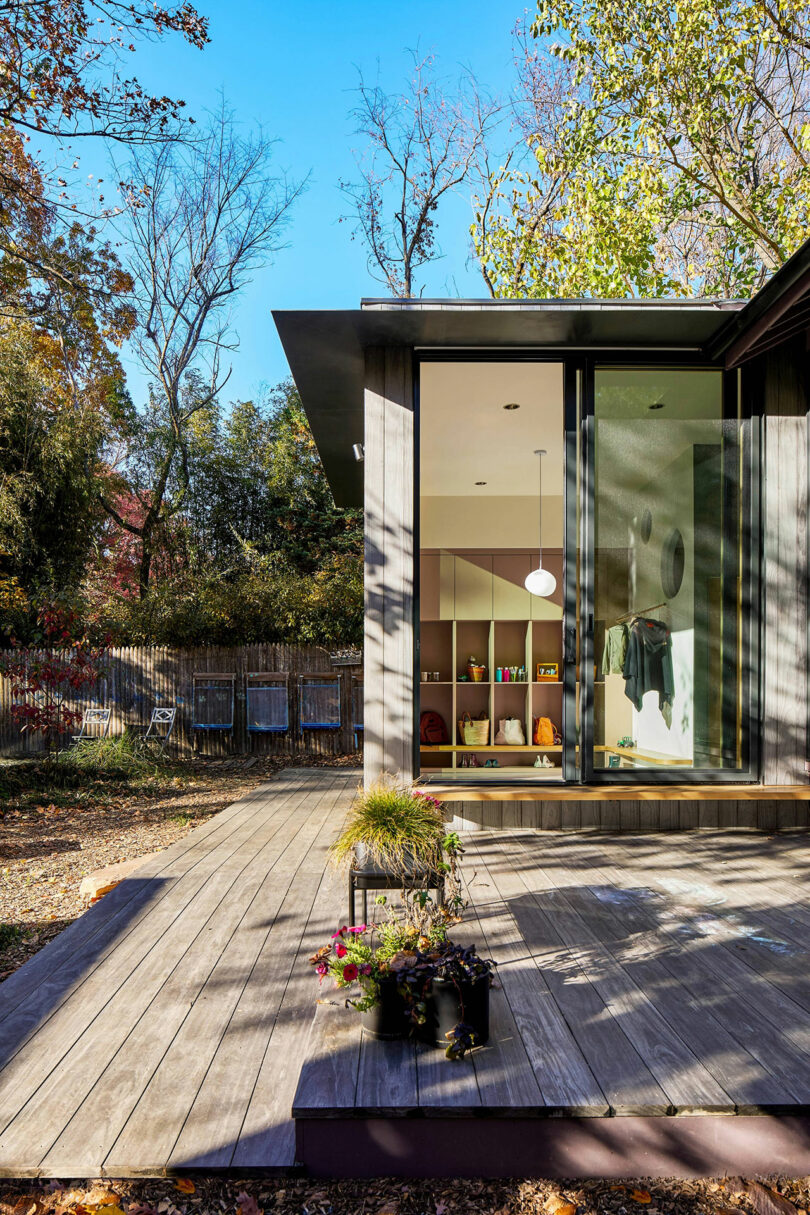
- Installing floor-to-ceiling glass in former sunrooms to maximize natural illumination.
- Integrating indoor-outdoor connectivity by turning back porches into "outdoor classrooms" that allow for fresh air and movement.
This approach ensures that students aren't walled off from the seasons. Natural light has been proven to improve focus and regulate circadian rhythms, making the building itself a tool for better health and academic performance.
Section 3: Technical Hurdles: Preservation vs. Modern Code
The most significant challenge in historic building renovation for schools is the friction between heritage conservation and modern building codes. As someone who advocates for energy-efficient solutions, I know that old homes can be notoriously "leaky." However, we must follow the Secretary of the Interior’s Standards for the Treatment of Historic Properties, which often dictate what can and cannot be changed on the exterior.
The goal is to maintain the heritage character while achieving a major carbon footprint reduction through modern retrofitting. This requires a surgical approach to the building's infrastructure. For instance, we might retain the original wood-framed windows but add high-performance interior storm inserts. We replace outdated oil furnaces with high-efficiency HVAC systems, often hiding the ductwork behind original crown moldings or under floorboards to preserve the aesthetic.
Character-Defining Features Checklist
When embarking on a conversion, these elements are often protected but can be adapted for utility:
- Transoms and Sidelights: Keep these for natural light transfer between rooms while upgrading to safety glass.
- Original Trim and Wainscoting: These provide the residential scale that makes the space feel like a home; use durable, non-toxic finishes to protect them.
- Wraparound Porches: Ideal for "messy" learning activities or as waiting areas for parents.
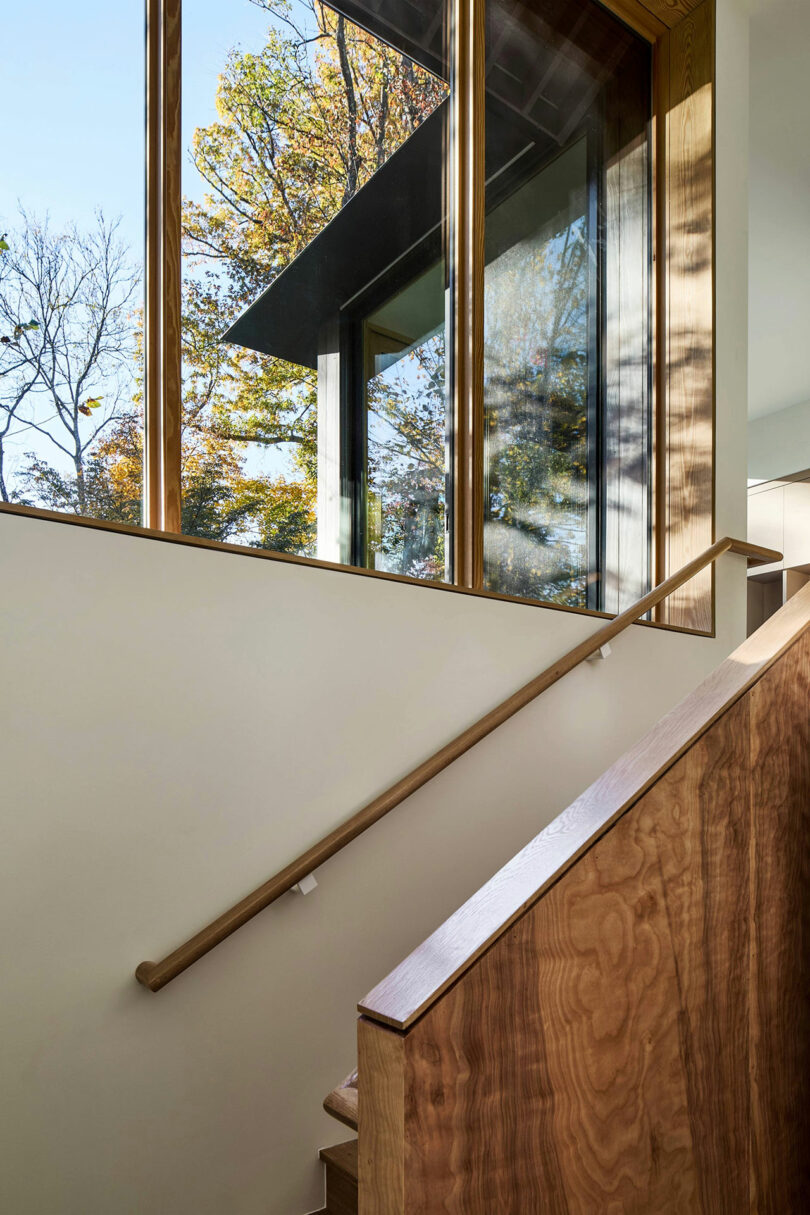
- Grand Staircases: Can be maintained for aesthetic value, though you will likely need to install a discrete elevator or ramp to meet universal design requirements.
Navigating these historic preservation requirements for school conversions is a balancing act. It requires finding the "sweet spot" where a 1920s staircase meets 2026 fire safety and accessibility standards.
Section 4: The Total Value Comparison: Financial and Community ROI
Many developers assume that a new build is always cheaper. However, when we look at the lifecycle and the "soft" benefits, adaptive reuse architecture often comes out on top. Beyond the immediate carbon footprint reduction—since the most sustainable building is the one that already exists—there is the factor of community integration. A school that looks like a neighborhood home is more likely to be embraced by the local residents than a large, institutional block.
Total Value Comparison Table
| Feature | New Construction | Adaptive Reuse (Historic Home) |
|---|---|---|
| Initial Embodied Carbon | Very High (New materials/transport) | Very Low (Existing structure retained) |
| Speed to Market | 18–24 months (Permits/Foundations) | 9–14 months (Retrofit focused) |
| Community Impact | Often disruptive; zoning friction | High integration; preserves neighborhood feel |
| Financial Incentives | Standard grants | Historic Tax Credits (up to 20%) |
| Educational Scale | Institutional/Massive | Residential/Intimate |
By utilizing cost-effective historic school renovation strategies, such as focusing on interior reconfigurations rather than exterior expansions, schools can save significantly on site preparation. Additionally, many municipalities offer adaptive reuse architecture projects specific relief from parking minimums or zoning setbacks, recognizing the public good of preserving local history.
Section 5: 2026 Trends: AI-Driven Ecosystems and Neurodiversity
As we look toward the future of education, adaptive reuse architecture examples are beginning to incorporate cutting-edge technology to manage aging envelopes. We are seeing the rise of AI-driven predictive maintenance. Sensors placed within the walls of a historic renovation can monitor moisture levels or thermal leaks, alerting the school's facilities manager before a small leak becomes a structural issue.
Furthermore, there is a major shift toward designing for neurodiversity. Modern schools are moving away from the "one-size-fits-all" classroom. In a converted home, the various rooms provide natural "breakout" spaces. This allows for sensory engagement in some areas and quiet, focused study in others.
We use "flexible kits of parts"—modular furniture and partitions—that can be moved within the historic shell. This creates spatial fluidity, allowing a teacher to shrink or expand a room based on the students' sensory needs. By emphasizing universal design, we ensure that every child, regardless of their physical or cognitive needs, feels that they belong in this repurposed space.
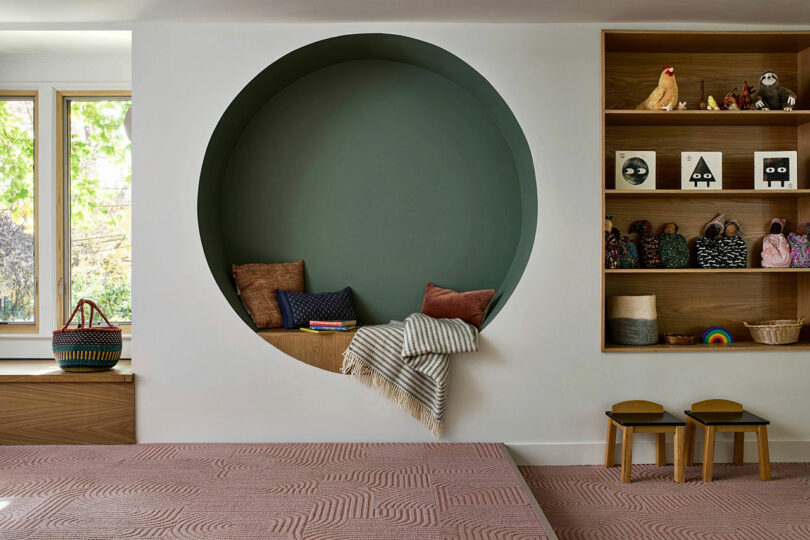
Pro Tip: When selecting materials for a historic school conversion, opt for bio-based carpets and low-VOC paints. These maintain the "home" feel while ensuring the air quality meets the highest modern health standards for young lungs.
FAQ
What is adaptive reuse in architecture?
Adaptive reuse in architecture is the process of taking an existing structure and repurposing it for a use other than which it was originally intended. In the context of education, this frequently involves converting residential, industrial, or commercial buildings into functional, modern schools.
What are the 5 types of adaptive reuse?
The five primary types of adaptive reuse include integration (merging new and old), renovation (updating the interior while keeping the exterior), historic preservation (strictly maintaining original features), facadism (keeping only the front exterior wall), and infrastructure reuse (repurposing non-building structures like bridges or water towers).
Can any building be adaptively reused?
While most buildings can technically be reused, not all are suitable for school conversions. Factors such as structural integrity, the presence of hazardous materials like asbestos, and the ability to meet modern fire and accessibility codes (ADA) determine if a project is viable.
Is adaptive reuse the same as renovation?
No, they are different. Renovation implies restoring a building to its original state or updating it for its current purpose. Adaptive reuse specifically involves a change in the building's function—for example, turning a family residence into a primary school.
Conclusion
The art of adapting historic residential architecture for schools is a testament to our ability to value the past while preparing for the future. For school developers and community leaders, the path forward involves a deep commitment to heritage conservation and a creative eye for potential. By embracing the residential scale and the inherent charm of our historic neighborhoods, we can create learning environments that are not only energy-efficient and sustainable but also deeply nurturing for the next generation.
If you are considering a conversion, the first step is to consult with experts in heritage conservation and sustainable design. The marriage of old-world craftsmanship and new-world technology is where the most successful educational ecosystems are born.