We’ve all been there: you buy a pack of "budget-friendly" LEDs at the grocery store, screw them into your favorite living room lamp, and suddenly the space feels like a cold, sterile dental office. Or worse, you try to dim them for movie night, only to be met with a frantic, high-pitched flicker.
In my years of testing kitchen tech and home appliances, I’ve learned that the light bulb is perhaps the most undervalued piece of equipment in the house. We focus on the sofa or the high-end range, but it’s the light quality that determines how those things actually look.
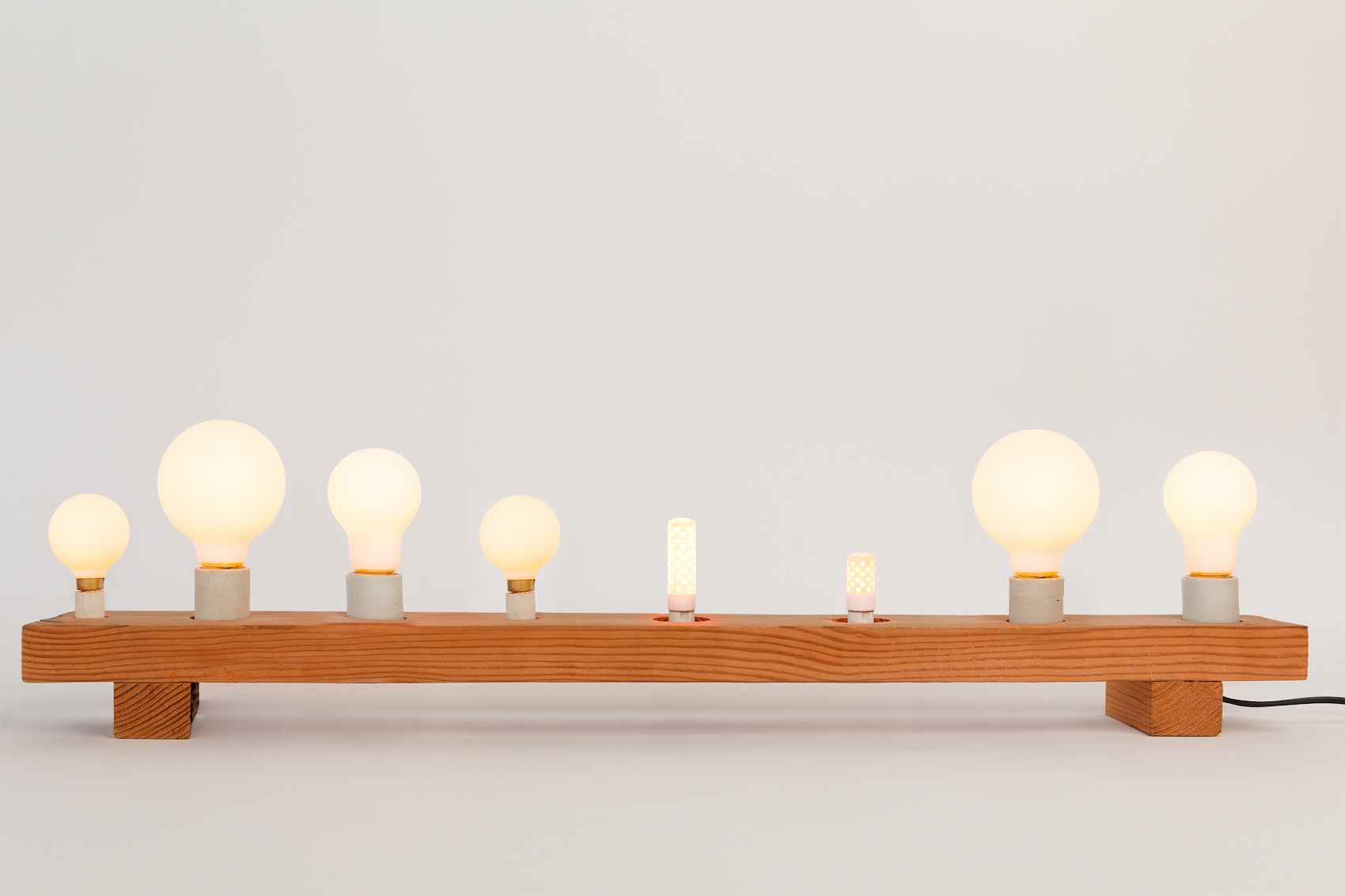
High-quality LED bulbs are distinguished by accurate color temperature rendering (CRI), a superior dimming profile with a wider range, and advanced "dim-to-warm" (DTW) technology that mimics the natural transitions of sunlight. Choosing the right bulb isn't just about saving energy anymore—it’s about the long-term value and comfort of your living environment.
1. Decoding the Specs: Lumens, Kelvins, and CRI
For decades, we bought bulbs by "Wattage," which measures energy consumption. With LEDs, that metric is useless. In 2026, we look at three specific numbers to determine quality:
- Lumens (Brightness): Think of this as the "volume" of light. For a standard bedside lamp or a relaxed living area, you want to target 450–800 Lumens per bulb.
- Kelvins (Color Temperature): This tells you how "warm" or "cool" the light is. 2700K "Warm White" is the gold standard for relaxation because it mimics the cozy glow of traditional incandescent bulbs. Move up to 3000K–4000K for "Task Lighting" in home offices or laundry rooms where you need to see details clearly.
- Color Rendering Index (CRI): This is the most overlooked spec. A CRI of 90 or higher ensures that the colors of your food, your clothes, and your skin look natural and vibrant, rather than washed out and gray.
Expert Tip: To get your lighting right in 2026, follow the "1,000/2,000 Rule." Aim for roughly 1,000 total Lumens per 100 square feet for living areas and bedrooms. For high-activity zones like kitchens or workshops, double that to 2,000 Lumens per 100 square feet.
2. The ‘Dim-to-Warm’ (DTW) Revolution
The biggest complaint readers send me about LEDs is the "cold blue" effect when dimming. Standard dimmable LEDs simply reduce their output while staying at the same color temperature. If you have a 3000K bulb and dim it, it becomes a faint 3000K light, which often feels eerie and "unnatural" to the human eye.
This is where Dim-to-Warm (DTW) technology changes the game. High-quality DTW bulbs shift their color temperature as they dim, moving from a bright white (around 3000K) to a warm, sunset-like amber (2200K or lower). This mimics the physics of a traditional filament heating up and cooling down.
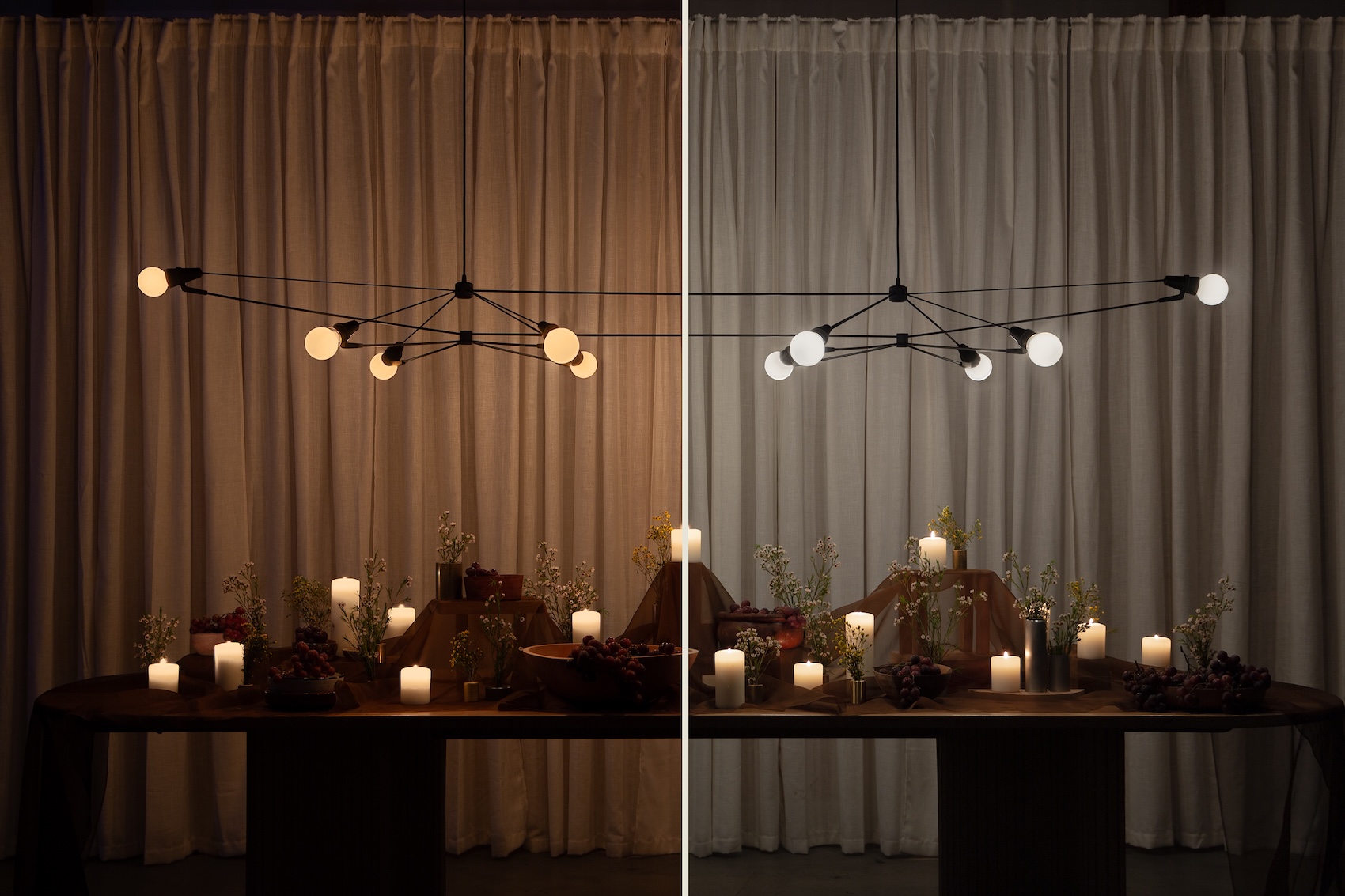
If you are looking for premium aesthetics, I highly recommend looking into brands like Ravenhill Studio or EmeryAllen. They’ve mastered the art of the "invisible" driver, meaning the bulb looks beautiful even when the light is off.
3. Beyond the Bulb: What Makes Premium Brands Worth It?
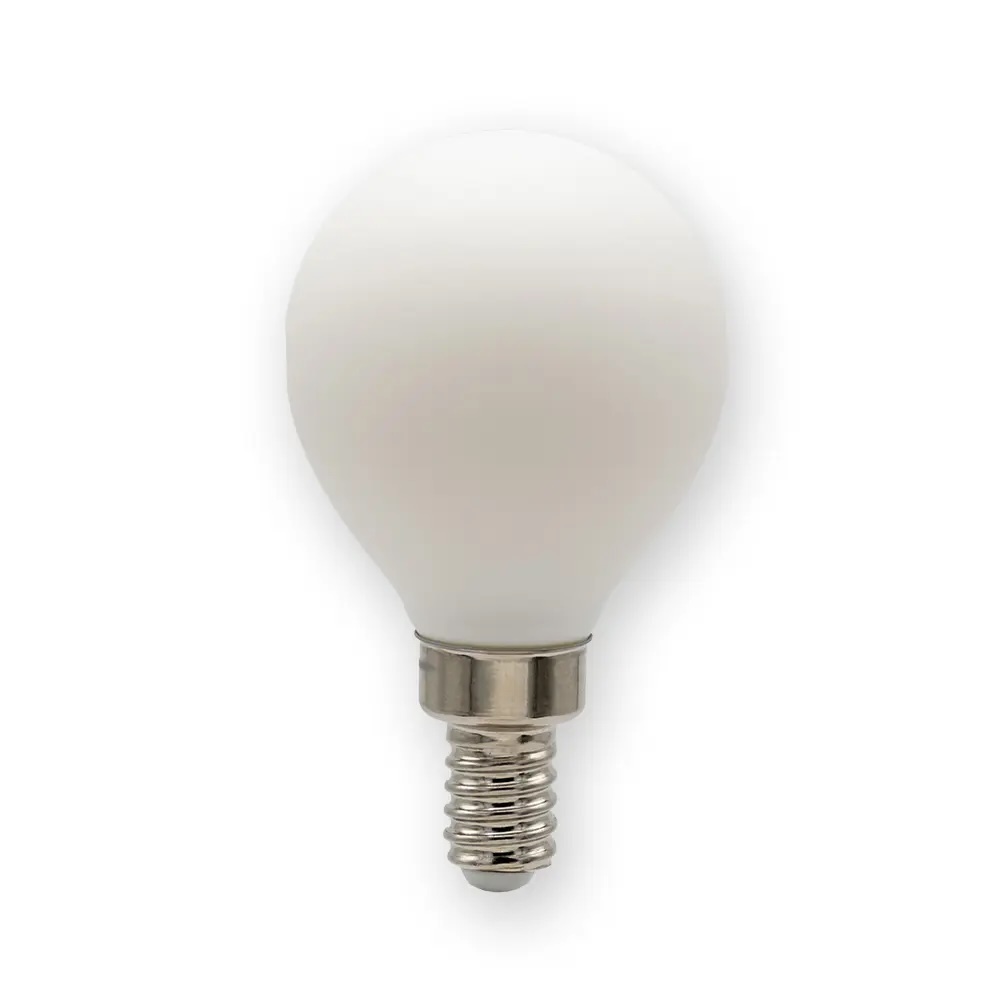
When you pay $15 for a single bulb instead of $3, you aren't just paying for the brand name. You are paying for thermal management and chip precision.
Cheap LEDs burn out not because the "light" fails, but because the internal electronics overheat. Premium bulbs use advanced heat sinks and superior capacitors to ensure they actually last the promised 25,000 hours. Furthermore, high-end LEDs offer better "beam precision." In my testing of automotive and outdoor lighting, I’ve seen how premium upgrades—like the GTR Lighting Ultra 3—utilize custom TST 7045 chips to achieve a staggering output of 4,700 lumens while maintaining 100% beam precision and cutoff accuracy. That’s the difference between a light that illuminates your path and one that blindly scatters light everywhere.
| Feature | Standard LED (Big Box) | Premium LED (Quality Grade) |
|---|---|---|
| Color Accuracy | 80 CRI (Colors look dull) | 90+ CRI (True-to-life colors) |
| Dimming Range | 10% – 100% (Often flickers) | 1% – 100% (Smooth transition) |
| Color Shift | Static (Stays "cool" when dimmed) | Dim-to-Warm (Mellows to amber) |
| Longevity | 5,000 - 10,000 hours | 25,000+ hours |
| Circuitry | Basic capacitors | Advanced thermal management |
4. Best Smart LED Bulbs of 2026
The smart bulb landscape has matured significantly. In 2026, the focus has shifted from "flashing colors" to seamless integration via Matter and Thread standards. These protocols allow your bulbs to talk to your smart home hub without clogging up your Wi-Fi or requiring a dozen different "bridges."
For those who want a simple, budget-friendly entry into smart lighting, the WiZ ecosystem remains a solid value play. However, if you have a large home where connectivity can be spotty, the U-tec Bright series is a standout for its mesh stability. These bulbs also offer real-time energy monitoring, allowing you to see exactly how much your lighting is contributing to your monthly bill.
5. Cheat Sheet: Choosing the Right Bulb for Every Room
Choosing a bulb shouldn't require a PhD in physics. Use this quick reference guide to outfit your home correctly:
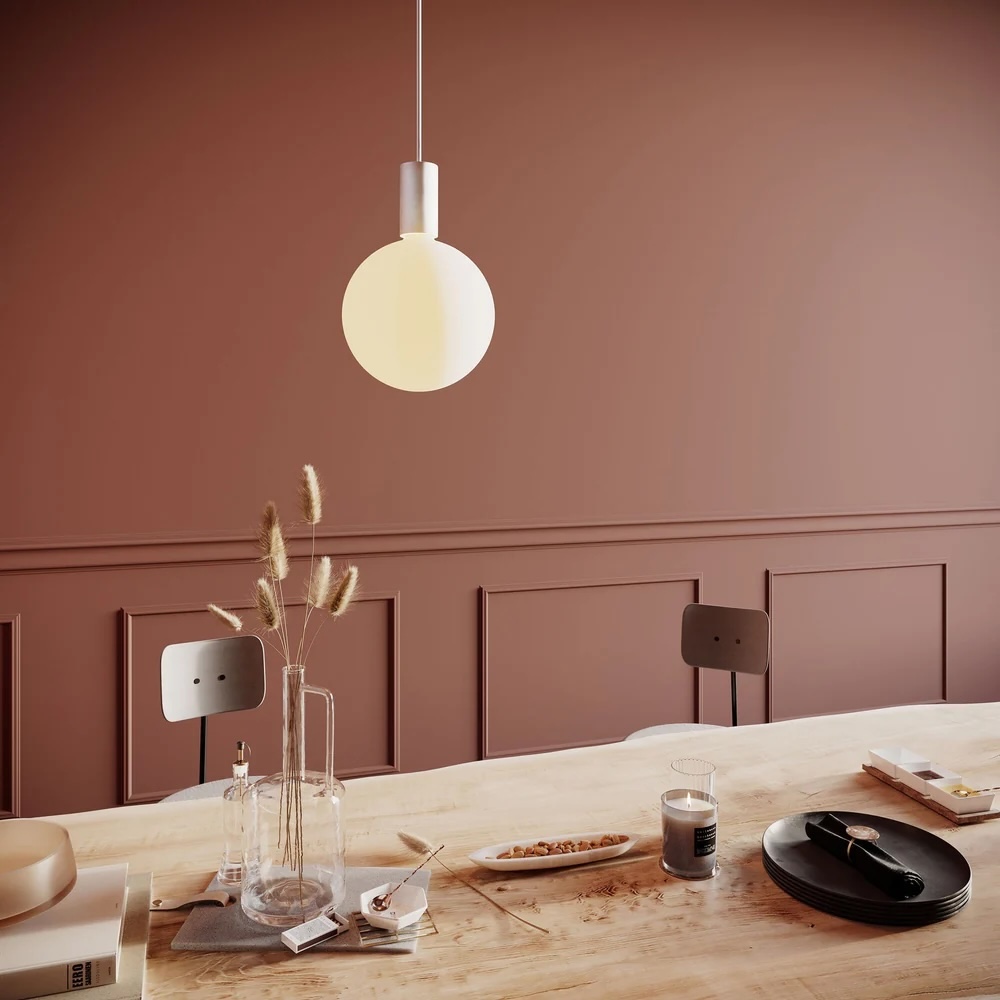
- Living Rooms & Bedrooms: Focus on comfort. Use 2700K bulbs with DTW capability. Look for "Soft White" labels with a high CRI to make your furniture and decor pop.
- Kitchens & Bathrooms: You need task visibility here. Aim for 3000K bulbs. You want high "Lux" performance (intensity on a surface) so you can see exactly what you're chopping or how your makeup looks in natural light.
- Closets & Garages: Go for 4000K "Daylight" bulbs. These provide a crisp, clean light that helps you distinguish between navy blue and black socks.
- General Replacements: The Feit Electric Enhance series is my top recommendation for standard high-CRI replacements that don't break the bank.
Bulb Lingo: A Sidebar for Success
- Beam Angle: The spread of light. A narrow angle (25°) is a "spotlight"; a wide angle (120°) is a "floodlight."
- Driver: The internal "engine" of the LED. High-quality drivers prevent flickering.
- Flicker Rate: Cheap bulbs flicker at a frequency invisible to some but cause headaches for others. Quality bulbs have a "flicker-free" guarantee.
FAQ
Q: Can I use LED bulbs in enclosed fixtures? A: Only if they are specifically rated for it. LEDs are sensitive to heat. If a bulb is trapped in a tight glass globe without ventilation, the heat will bake the internal circuitry and cause it to fail prematurely. Look for the "Enclosed Fixture Rated" label on the box.
Q: Do I need a special dimmer switch for DTW bulbs? A: Most modern LED-compatible dimmers (ELV or CL dimmers) will work perfectly with Dim-to-Warm bulbs. However, older "legacy" dimmers designed for incandescents may cause buzzing or strobing. When in doubt, upgrade your wall switch at the same time you upgrade your bulbs.
Q: Why do my LED bulbs stay slightly "on" or glow when the switch is off? A: This is usually "ghosting," caused by a small amount of residual current in your home's wiring. Switching to a high-quality brand with a better internal driver often solves this issue.
Choosing a light bulb is an investment in your home's atmosphere. Don't settle for the "blue flicker" of the past. By prioritizing CRI and Dim-to-Warm technology, you can create a space that feels as good as it looks.