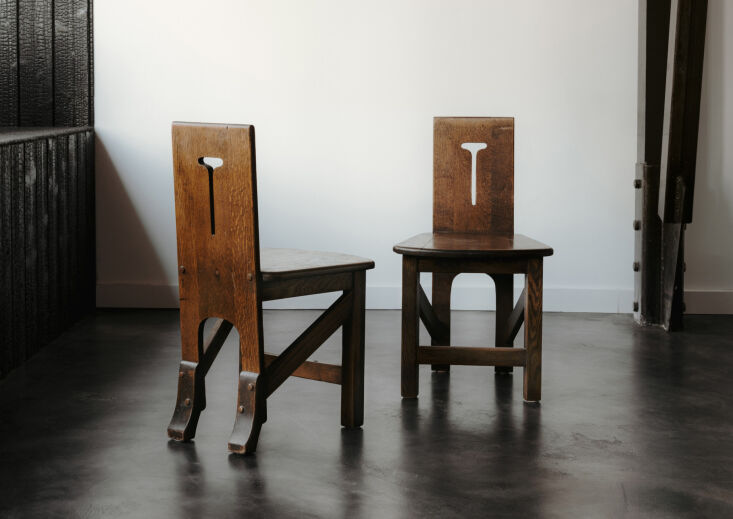
There is a specific kind of magic that happens when a home stops feeling like a showroom and starts feeling like a story. For the past decade, we’ve leaned heavily into the "less is more" philosophy—cool marbles, industrial steels, and the sterile perfection of minimalist lines. But as we look toward the interior landscape of 2026, the pendulum is swinging back with soulful force. Decor inspired by the rugged, hand-hewn warmth of the mountains is climbing the trend barometer, and leading the charge is the humble, whimsical Tyrolean folk chair.
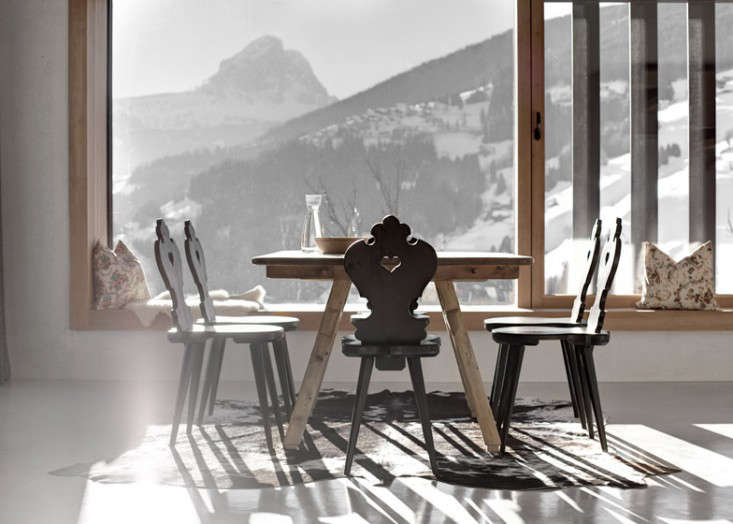
Market data reveals that homeowners are no longer satisfied with mass-produced silhouettes; there has been a staggering 45% increase in searches for ‘Alpine-inspired furniture’ as the design world pivots toward "Textured Nostalgia." So, what exactly is a Tyrolean folk chair? Often referred to as a Swiss mountain or peasant chair, it is a hand-carved wooden seat originating from the alpine regions of Austria, Switzerland, and Northern Italy. Characterized by its splayed "peg" legs and decorative back splats—often featuring heart, clover, or star cut-outs—it is the quintessential symbol of "Alpine Chic," providing an artisanal soul to contemporary spaces.
The Story Behind the 'Peasant Chair'
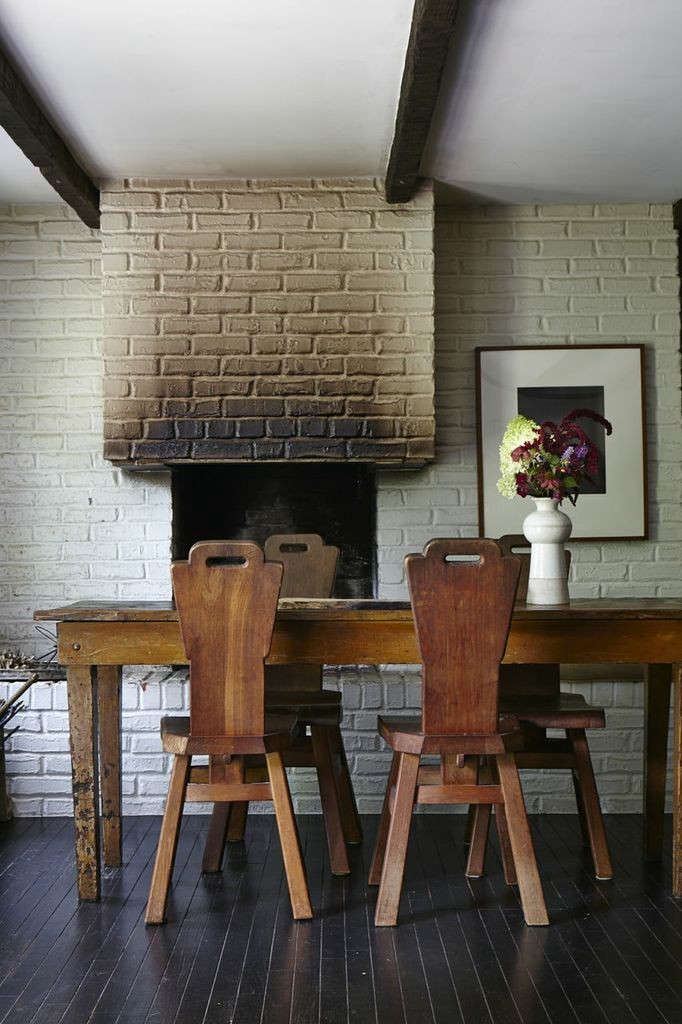
To understand why these chairs are gracing the cover of every major design digest, we have to look back to the 19th-century Alps. In the high-altitude regions of Austria and Switzerland, life was dictated by the seasons and the terrain. These chairs were not born in factories; they were born in farmhouses. Using "primitive" tools, local woodworkers sought to bring whimsy and personality into homes that were otherwise defined by the harsh realities of mountain life.
Known traditionally as a Stabelle, the chair was designed for utility. The splayed legs allowed for stability on uneven stone floors, while the lack of armrests made it easy for sitters to move freely while performing household tasks. However, it was the back of the chair that allowed for artistic expression. From intricate floral carvings to simple geometric cut-outs, the "folk" element was a way of weaving family heritage into the very furniture of the home. Typically crafted from reclaimed pine, ash, or oak, these pieces carry a past that modern "fast furniture" simply cannot replicate.
Why It’s Taking Over 2026 Interiors
The resurgence of the Tyrolean chair is deeply tied to the "Honest Materials" movement. As we move into 2026, the luxury market is shifting away from "perfection" and toward pieces that age alongside the owner. The allure of the Tyrolean chair lies in its "whimsical curves and folksy shapes," offering a much-needed antidote to the sharp edges of modern technology.
It also aligns perfectly with the evolution of Cottagecore. While earlier iterations of Cottagecore felt a bit too "shabby chic," the 2026 Alpine version is more refined—think high-end textures, organic linens, and "stone that isn’t polished into submission." The investment value is also a driving factor; statistics show that resale values for authentic hand-carved vintage Tyrolean chairs have risen by approximately 30% on premium antique platforms like 1stDibs since the trend’s initial spark in late 2014. Collectors are realizing that these aren't just seats; they are functional sculptures.
Sightings: How Top Designers Use the Tyrolean Accent
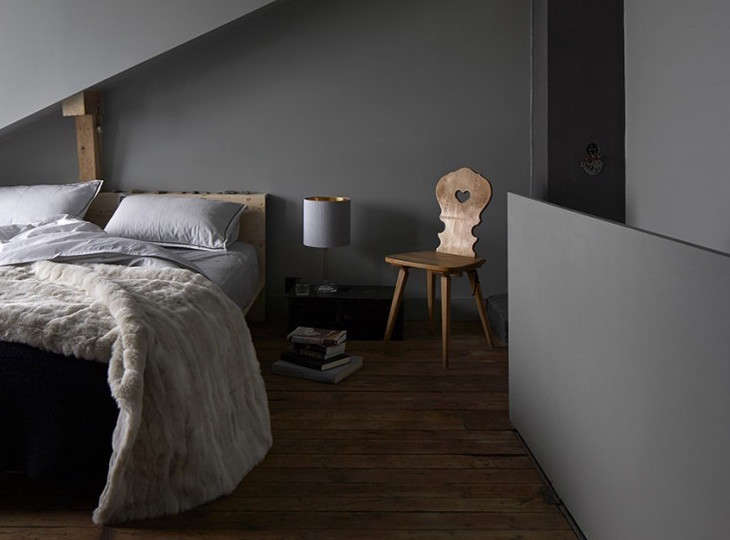
Designers are no longer filling entire dining rooms with matching sets of Tyrolean chairs. Instead, they are adopting a "One and Done" philosophy, using a single, character-filled chair as a sculptural accent.
Sighting: The Modern Alpine Sanctuary In a recent renovation in Andermatt, architect Jonathan Tuckey utilized a lone Tyrolean chair to punctuate a minimalist hallway. The contrast between the raw, dark wood of the chair and the soaring, white-plastered walls created a moment of "visual friction" that felt both ancient and cutting-edge.
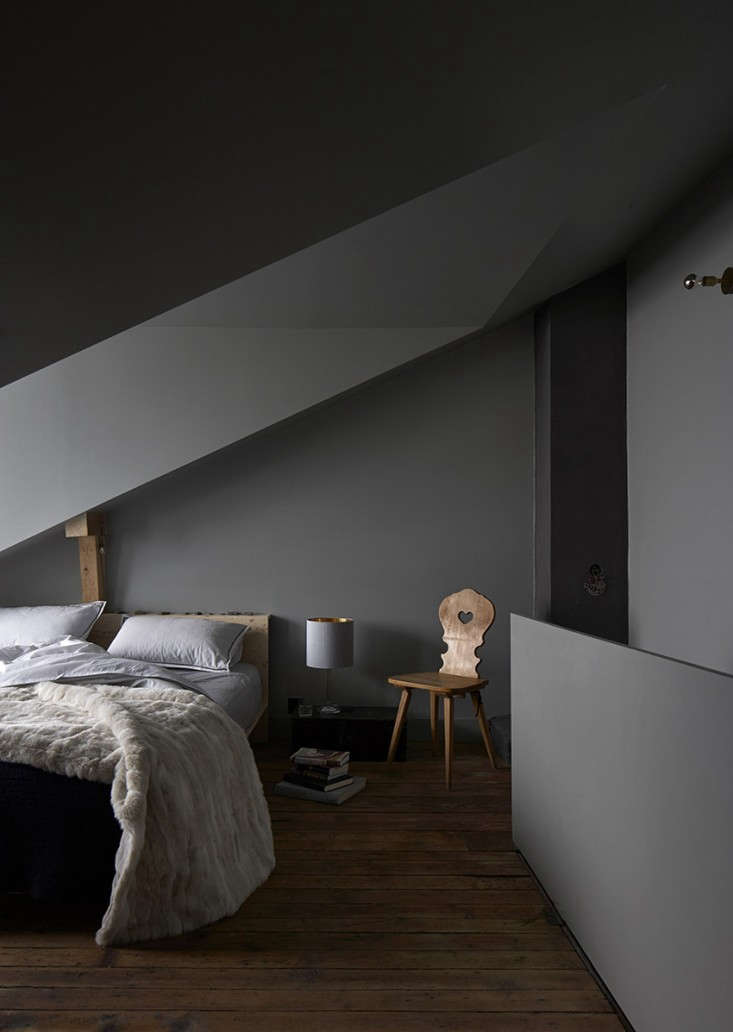
Whether it’s tucked into a bathroom corner to hold a stack of plush towels or used as a desk chair in a sleek, glass-walled office, the Tyrolean chair adds a layer of "human touch" that keeps a modern room from feeling cold.
Sourcing the Trend: From Vintage to Modern Remakes
Navigating the market for Tyrolean chairs requires a balance of historical appreciation and an eye for modern reinterpretation. Depending on your budget and your home’s aesthetic, there are three main paths to sourcing this trend.
1. The Modernist Take
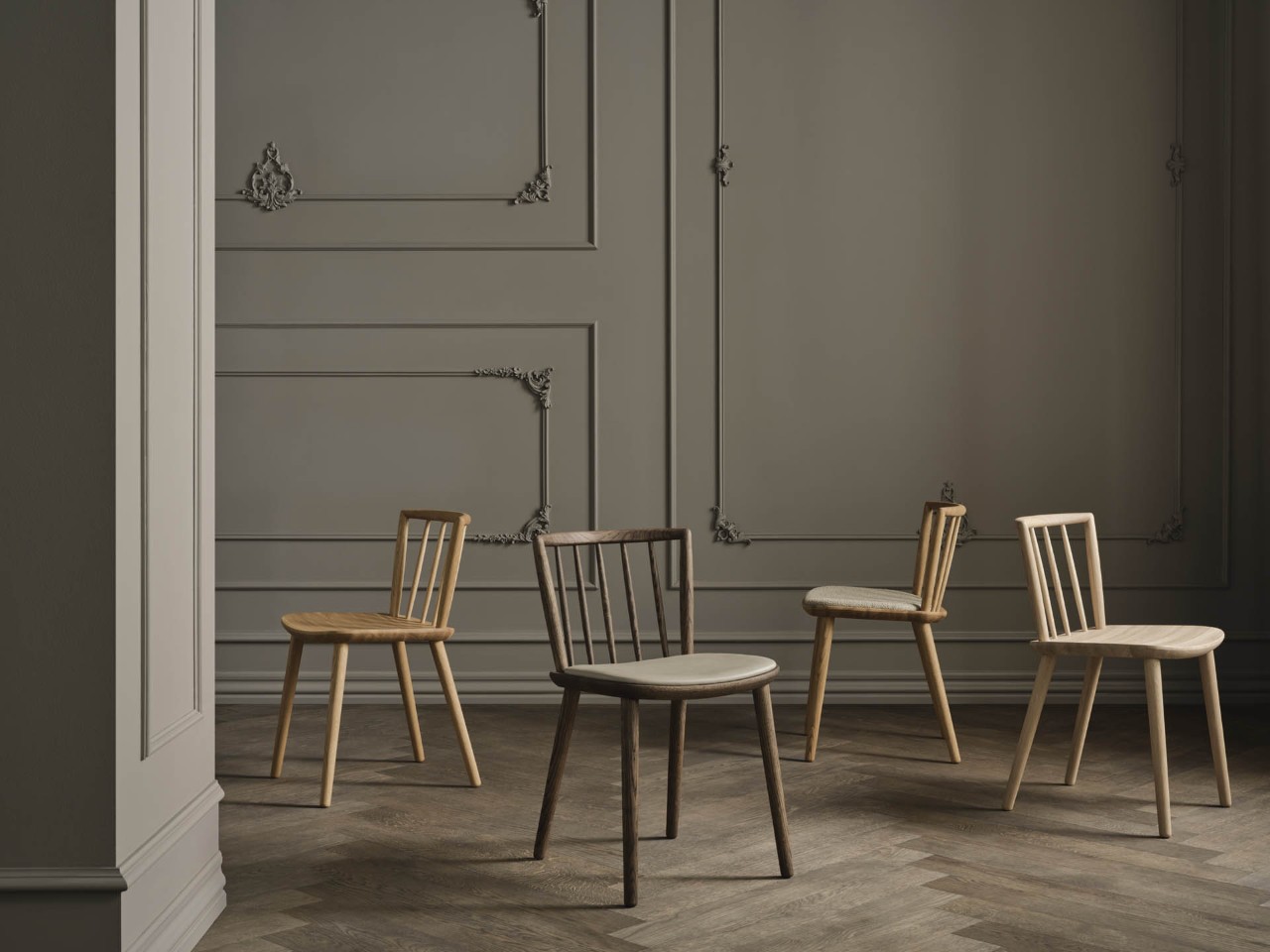
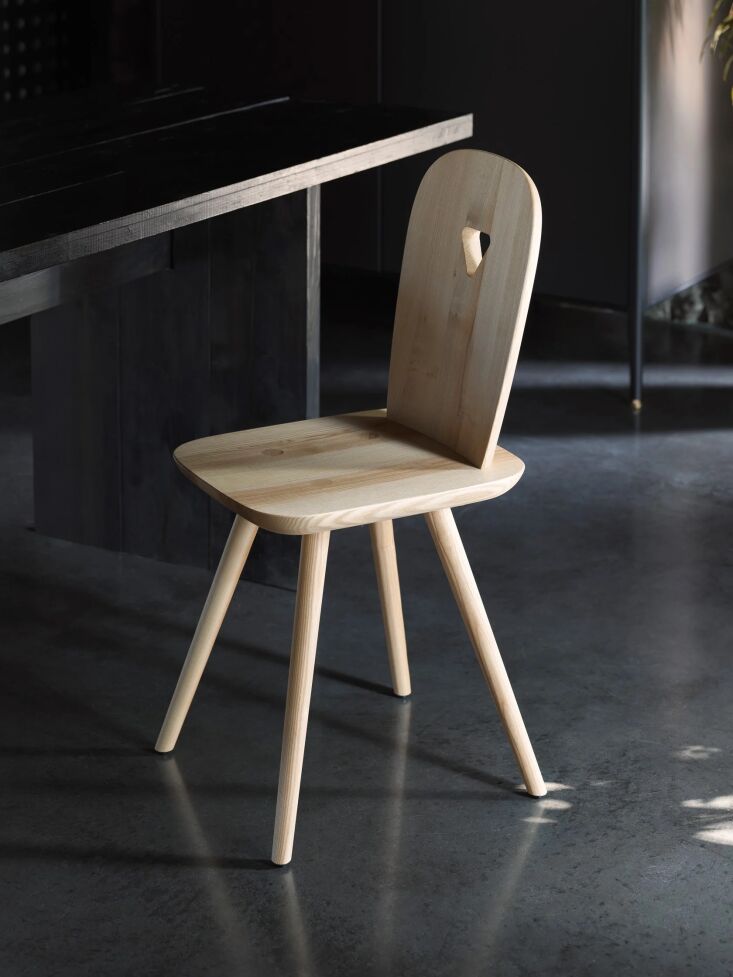
For those who love the silhouette but prefer a cleaner, more colorful finish, designers like Luca Nichetto have reimagined the Alpine classic for contemporary brands. His La-Dina Chair for Casamania is a masterclass in how to modernize folk design without losing its spirit.
2. The Artisan Path
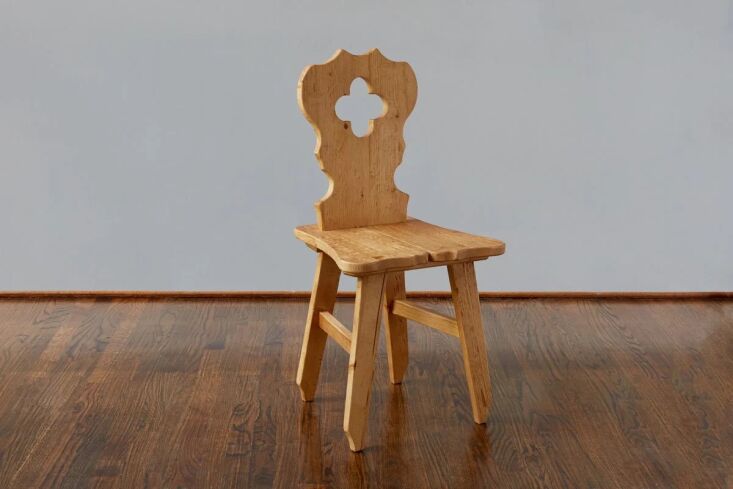
If you want the soul of a handmade piece but prefer a "new" chair that will last for generations, independent makers on platforms like Etsy are filling the gap. Shops like NordicChairCo use traditional joinery techniques to create chairs that feel like heirlooms from day one.
3. The Luxury Vintage Find
For the purist, nothing beats the patina of a 19th-century original. These pieces, often found through dealers like 1stDibs or The Future Perfect, come with the wear and tear of a century of mountain living—scuffs, darkened grain, and a story in every notch.
Quick Comparison: Where to Buy
| Maker/Source | Style | Materials | Price Range (Est.) |
|---|---|---|---|
| Casamania (Luca Nichetto) | Modern/Color-popped | Solid Ash | $700 - $900 |
| NordicChairCo (Etsy) | Artisan/Traditional | Oak, Pine, Walnut | $550 - $850 |
| 1stDibs / Luxury Dealers | Authentic Vintage | Reclaimed Alpine Woods | $1,800 - $3,500 (Pair) |
| Etú Home | Transitional/Rustic | Sustainably Sourced Pine | $400 - $600 |
Styling Guide: Colors and Textures
When bringing a Tyrolean chair into a 2026 home, the goal is to avoid making the space look like a themed ski chalet. It’s all about the "Modern-Rustic Mix."
- The 2026 Palette: Forget the bright reds and greens of traditional folk art. Instead, pair your chairs with a palette of Warm Clay, Quiet Olive, and Weathered Brown. These earth-bound tones ground the chair’s whimsical shape.
- Layering: Contrast the hard, hand-carved wood with soft textiles. Drape a heavyweight linen throw over the back, or place the chair on a high-pile Moroccan rug.
- Pairing with Burl Wood: One of the most sophisticated pairings for 2026 is the Tyrolean chair set against a Burl wood table. The chaotic, organic grain of the Burl complements the deliberate, carved lines of the chair perfectly.
FAQ
Are Tyrolean chairs comfortable for daily dining? While they lack the cushioning of upholstered chairs, their ergonomic, slightly reclined backs and carved seats are surprisingly comfortable. For long dinner parties, I recommend adding a slim, custom-made leather or sheepskin seat pad to provide extra support without hiding the chair's silhouette.
How can I identify an authentic antique Swiss chair? Look at the construction. Authentic vintage pieces will feature "wedged" joinery where the legs meet the seat, rather than modern screws or bolts. You should also look for signs of hand-planing on the underside of the seat and a patina that feels deeply embedded in the grain, rather than a surface-level stain.
Do they fit in small apartments? Absolutely! In fact, their small footprint and splayed legs make them excellent for tight spaces. They feel "lighter" visually than heavy, boxy dining chairs and can easily double as a side chair in a living room when extra guests arrive.
As we move toward a future that values the personal over the mass-produced, the Tyrolean folk chair stands as a testament to the enduring power of craftsmanship. It’s a piece that invites us to slow down, appreciate the grain of the wood, and bring a little bit of the mountain’s "honest luxury" into our everyday lives.