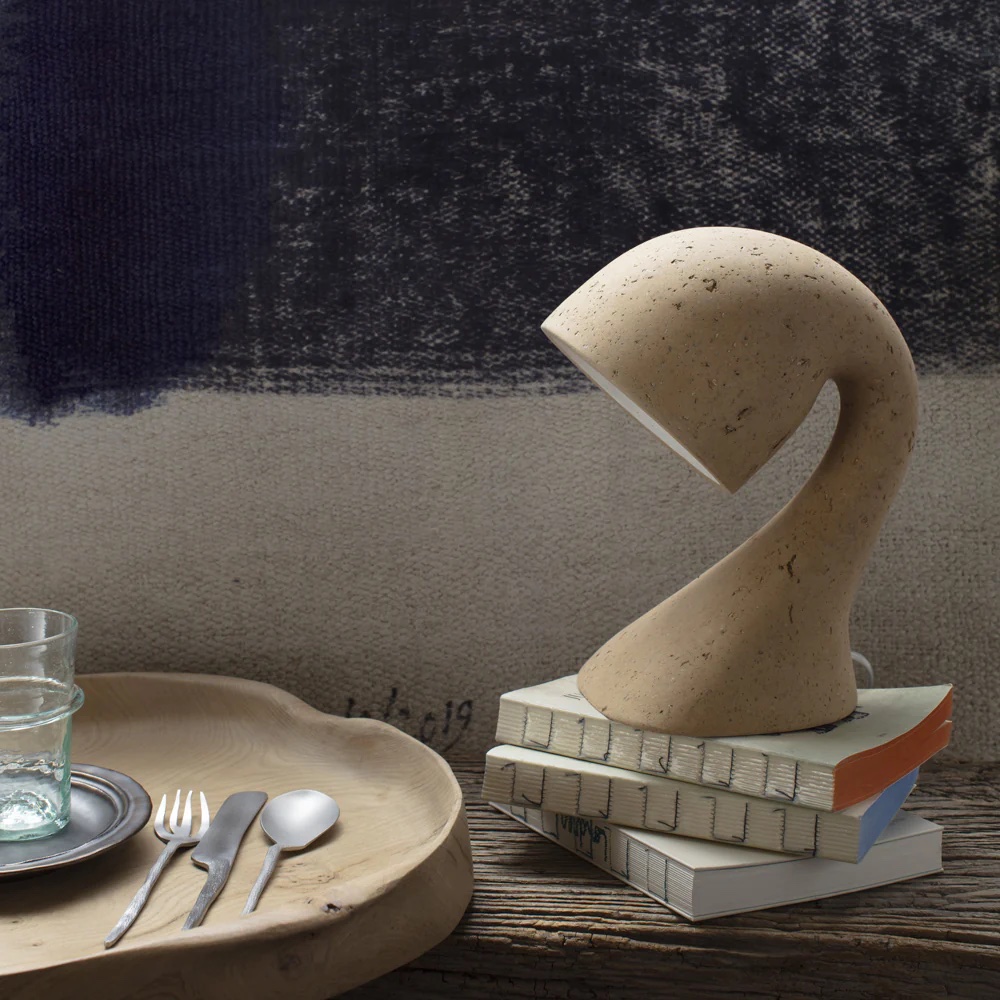
An otherworldly table lamp has been quietly appearing in the most discerning corners of the design world. It possesses a silhouette that is at once primordial and futuristic—a soft, chalky white form that looks as though it were plucked from a desert landscape or pulled from the bottom of the Mediterranean. It doesn't scream for attention with high-shine chrome or mid-century brass; instead, it glows with a quiet, sculptural authority.
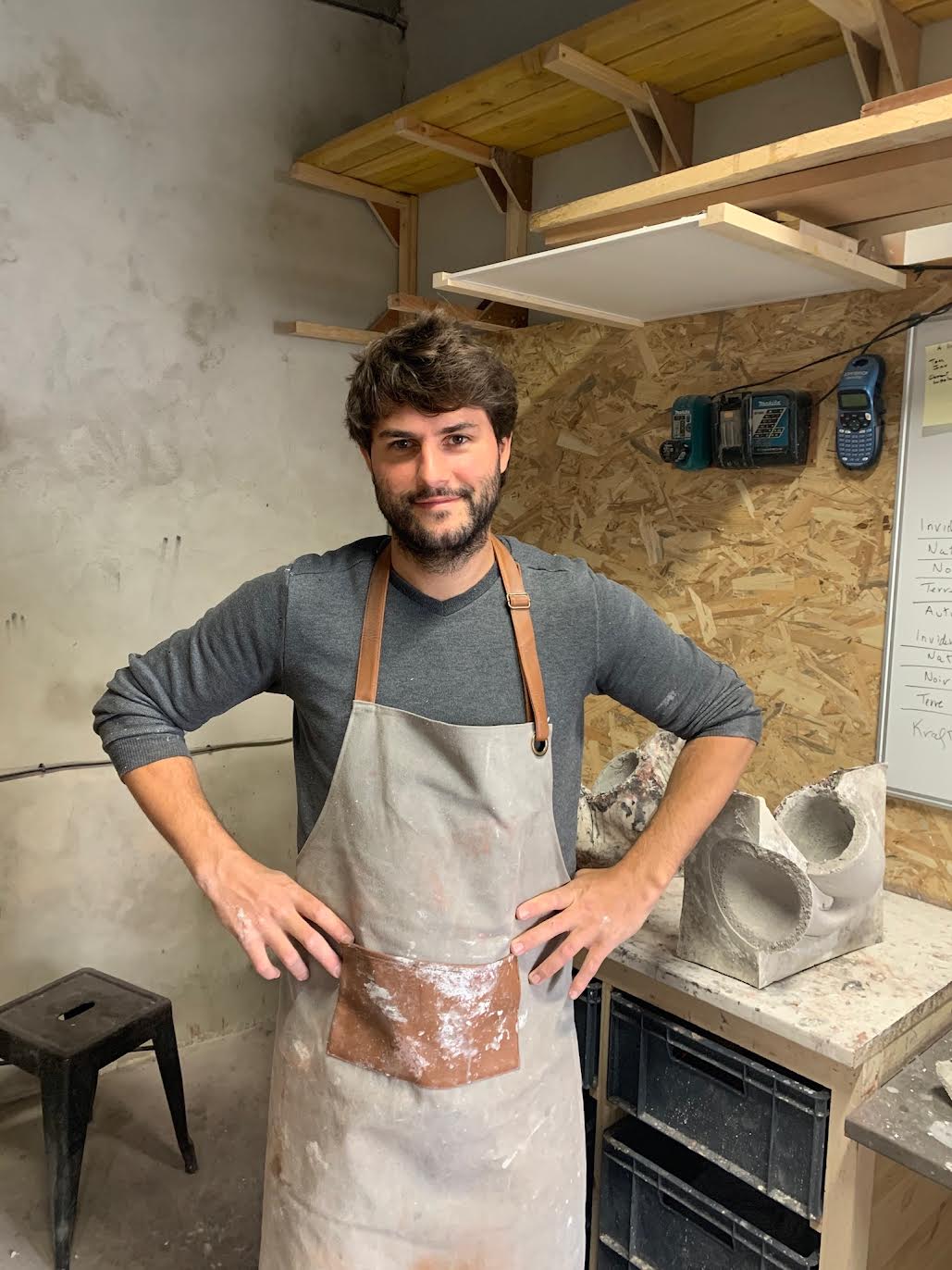
This is the work of Henri Dejeant, a French artisan based in the sun-drenched town of Béziers in Southern France. Over the last decade, Dejeant has transformed the humble medium of papier mâché from a schoolroom craft into a high-design manifesto. Through his "Molding Up" process, he creates lighting and furniture that are becoming the new staples of sustainable French design. These aren't just lamps; they are tactile experiments in upcycling, proving that the future of luxury lies in the poetic reuse of what we already have.
The Sightings: From Merci Paris to Southwest Farmhouses
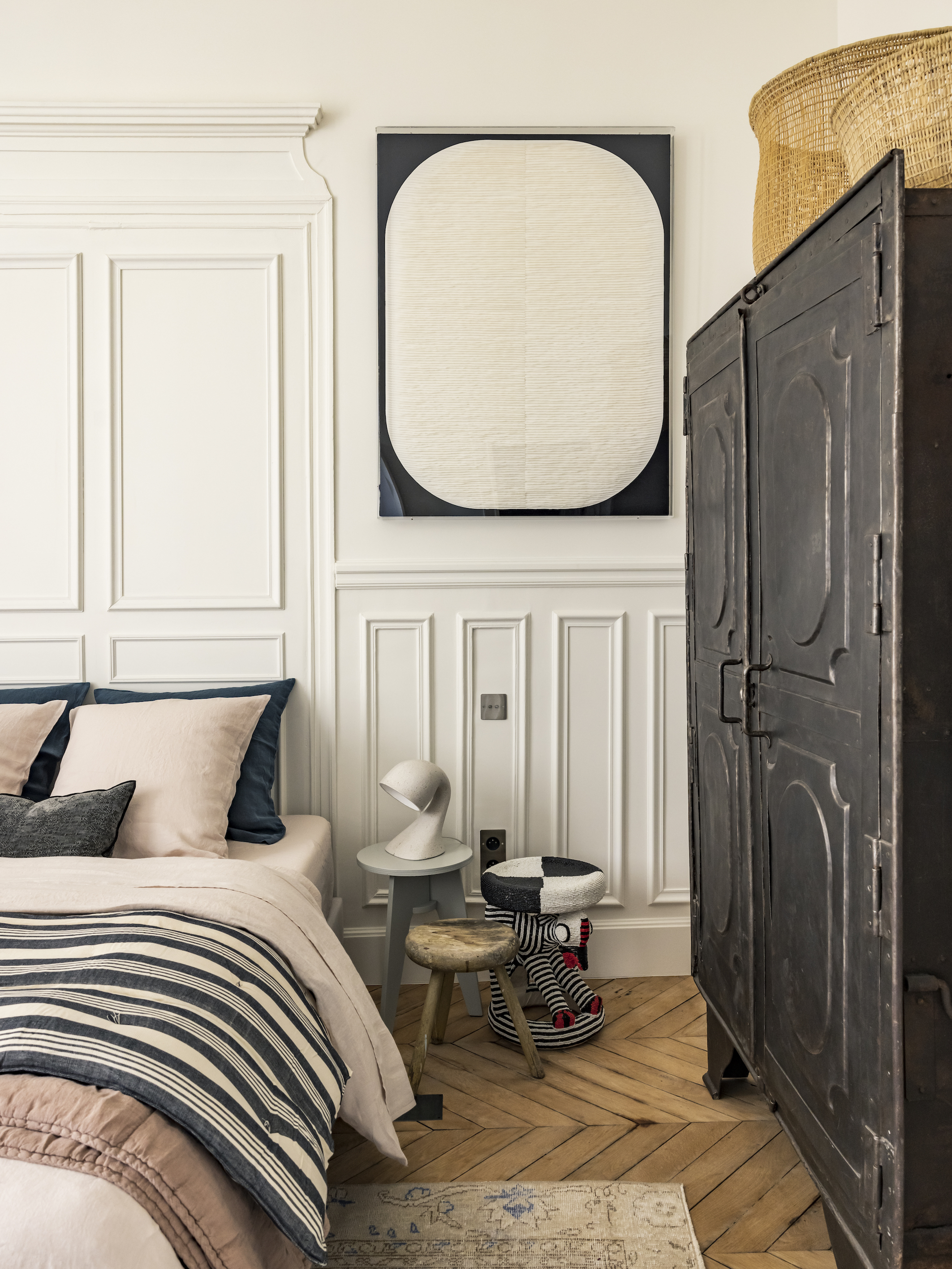
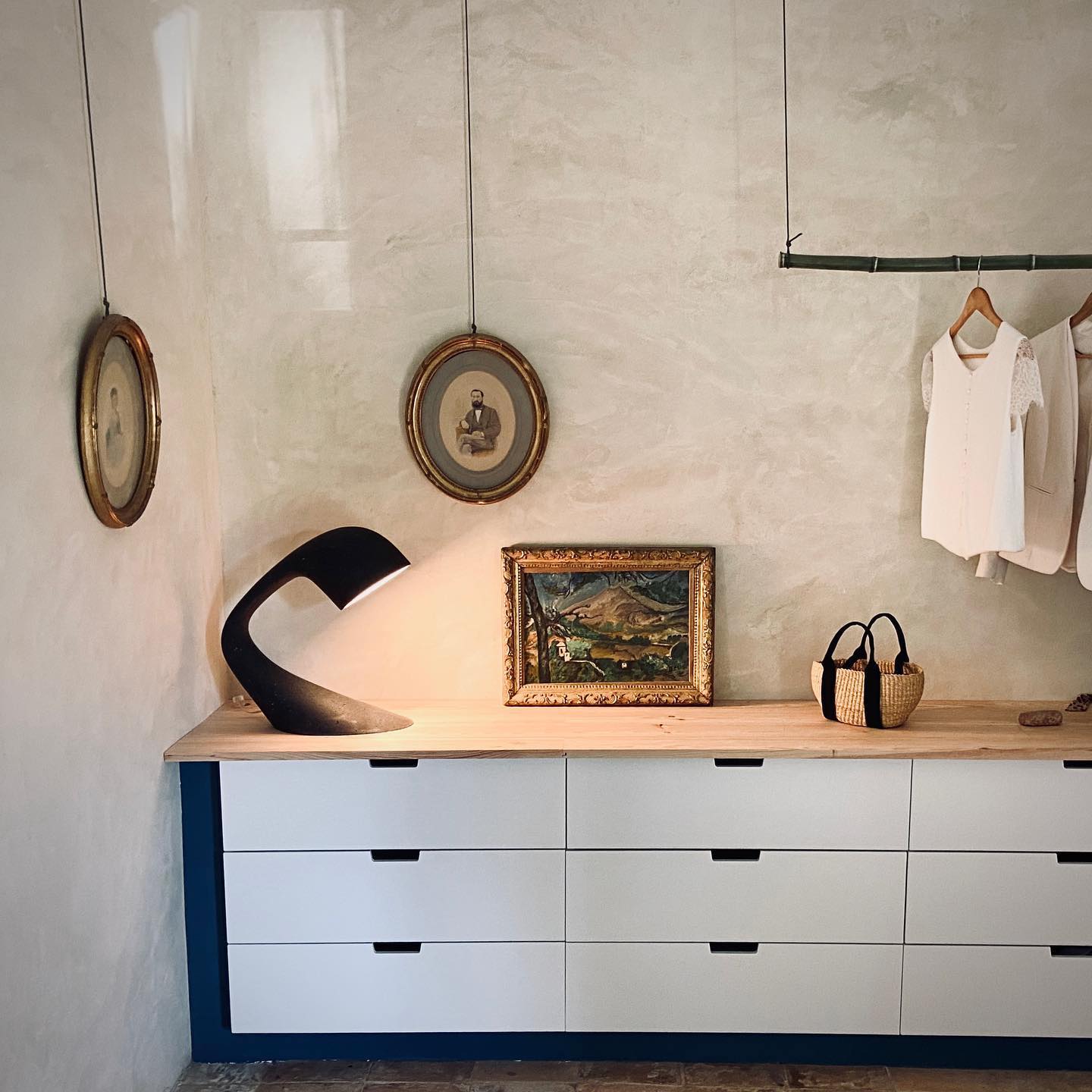
If you’ve spent any time browsing the curated vignettes of Merci Paris, the iconic concept store in the Marais, you’ve likely seen Dejeant’s work. His "Invider" lamps often sit alongside Belgian linens and industrial steel tables, providing an organic counterpoint to the store’s utilitarian chic.
The appeal of Henri Dejeant’s work lies in its "unfinished beauty." The surfaces are reminiscent of plaster or sun-bleached bone, yet they possess a plant-like quality that feels alive. This aesthetic has made them a favorite among interior designers seeking to soften the edges of modern minimalism.
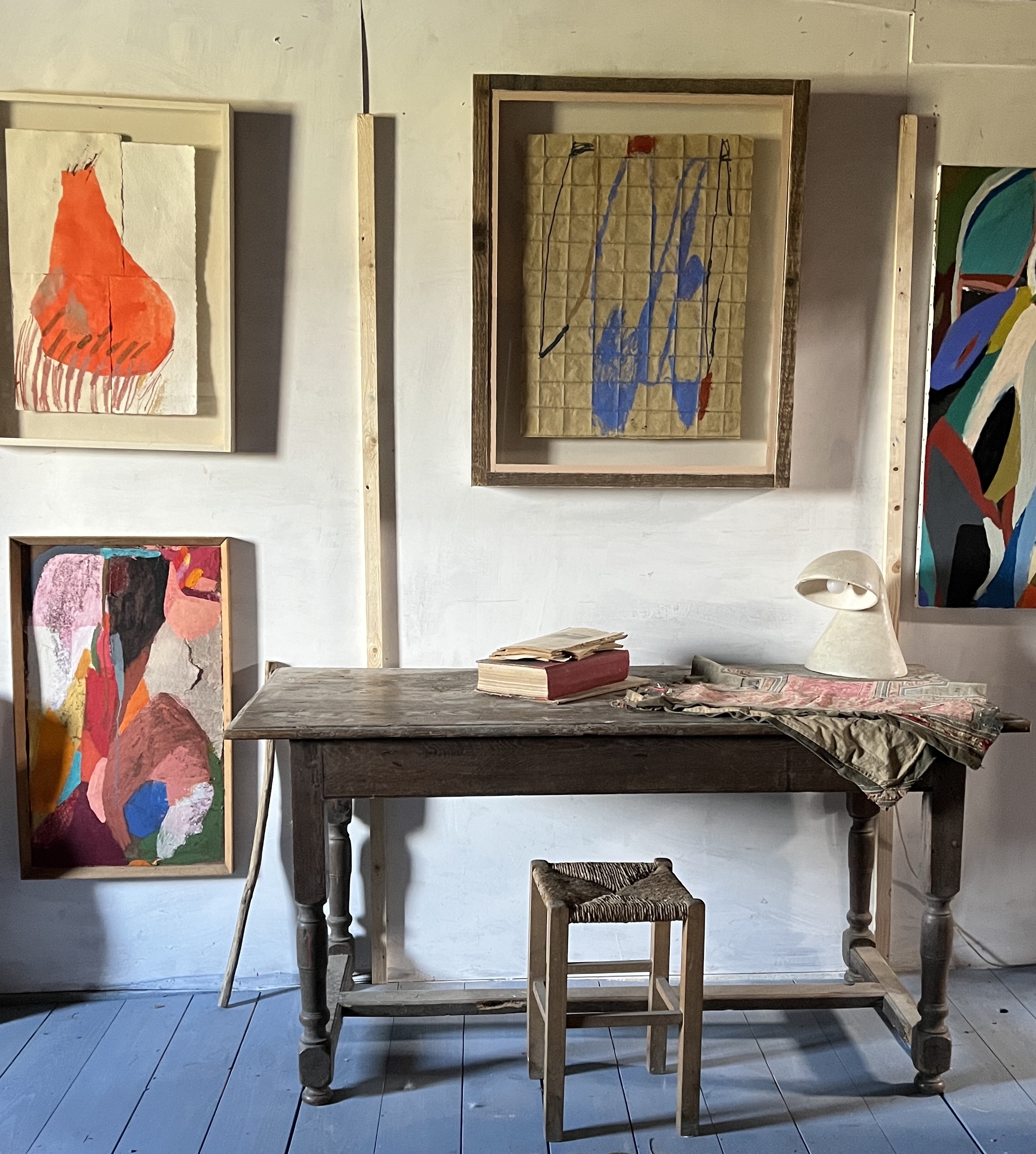
One of the most notable endorsements of Dejeant’s aesthetic came from the American artist Heather Chontos. In her 17th-century barn studio in Southwest France, Chontos—a master of raw color and gestural form—integrated Dejeant’s lamps into an environment that celebrates the handmade. It was Chontos who famously discovered Dejeant's work during a trip to Morocco, where the artisan first began his experimentation with upcycled materials in a Berber village.
The 'Molding Up' Process: Turning Scrap Paper into Art
At the heart of Henri Atelier is a proprietary technique Dejeant calls "Molding Up." While the term "papier mâché" might evoke flimsy cardboard, Dejeant’s version is incredibly durable, thick-walled, and surprisingly heavy.
The process is a slow one, rooted in the "Slow Design" movement. It began over ten years ago when Dejeant lived in southern Morocco. Faced with limited resources, he looked to the traditional methods of upcycling common in rural villages and began experimenting with how to turn waste paper into structural forms.
Material Spotlight: The Henri Dejeant Recipe
Every lamp begins as a slurry of discarded materials. Here is the eco-responsible "recipe" that defines his work:
- Recycled Newspapers: Collected locally, these provide the fibrous base.
- Vegetable Flour: Acts as a natural, biodegradable adhesive.
- Plaster of Paris: Adds structural integrity, weight, and that signature matte finish.
- Natural Wax Coating: A final blend of beeswax and carnauba wax is applied to protect the surface and provide a soft, satin sheen.
This mixture is hand-molded over internal structures, ensuring that no two pieces are exactly alike. The result is a texture that is raw yet smooth, inviting you to run your fingers over the subtle undulations of the "paper stone."
The Sustainable Manifesto: Why it Matters for Modern Decor
As an editor, I am often asked why a specific designer suddenly "explodes" onto the scene. With Dejeant, the timing is perfect. We are currently seeing a massive shift away from mass-produced, disposable decor toward pieces that tell a story of provenance and planetary care.
Dejeant’s work is a Sustainable Manifesto. His philosophy—"Recycle Everything, Discard Nothing"—resonates with a generation of homeowners who are tired of plastic-heavy lighting. By using newspaper and vegetable-based glues, he minimizes the carbon footprint of his production. Even the shipping materials are often reclaimed.
Furthermore, these pieces align with the "New Rustic" trend. They offer the soul of an antique with the clean lines of contemporary art. In an era where our homes are filled with screens and smooth glass, the tactile, "honest" material of a Dejeant lamp provides much-needed sensory grounding.
Featured Collection: Beyond the Invider Lamp
While the Invider series put Henri Atelier on the map, his collection has grown to include furniture and larger-scale installations. His work is categorized by its organic, often bulbous forms that mimic fungi, seed pods, or coral.
| Model | Style | Approximate Price |
|---|---|---|
| Invider Petite (Pendant) | Small, bell-shaped hanging light | €162.50 |
| Invider Medium (Table) | The classic "mushroom" silhouette | €380.00 |
| Kokiy Lamp | Inspired by seashell curves | €450.00 |
| Cupola Floor Lamp | Large, architectural statement piece | €1,200.00 |
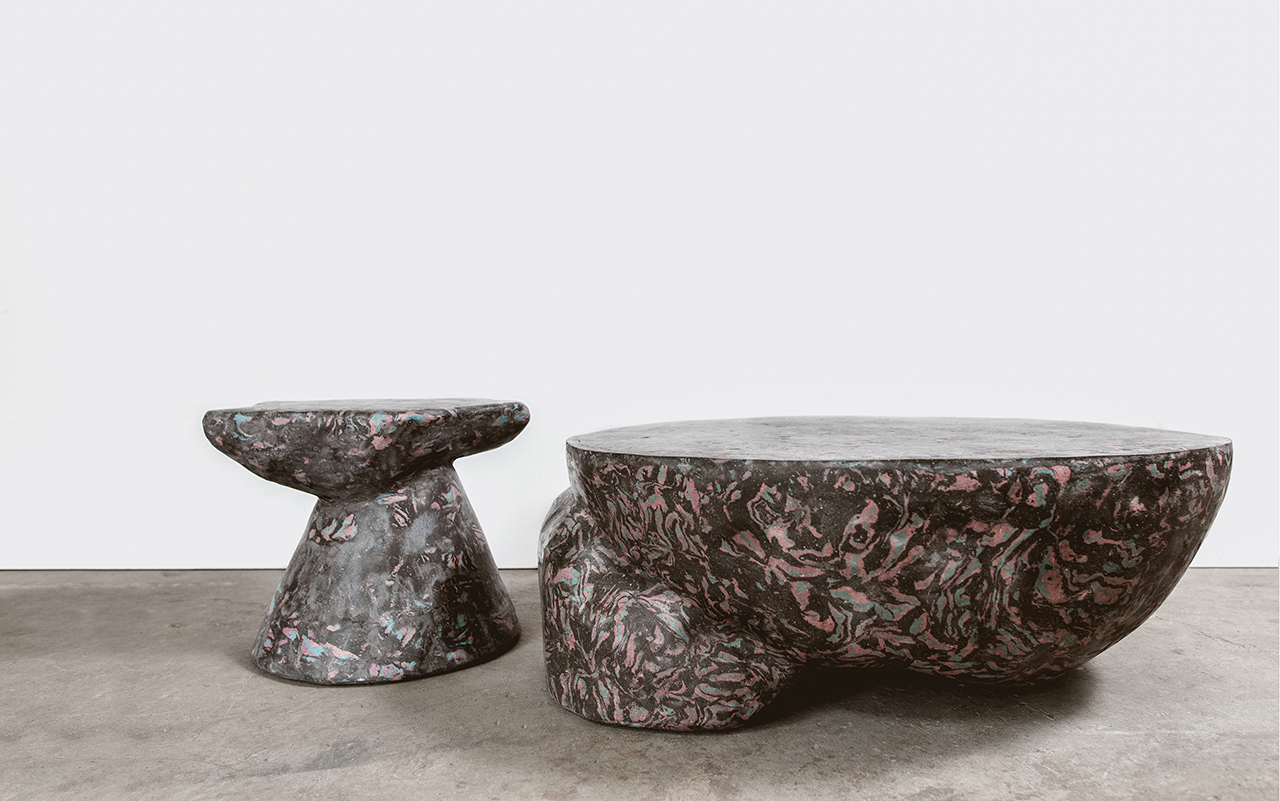
| Petipié Coffee Table | Limited-series furniture with three legs | €1,600.00 |
The Invider Medium remains the quintessential entry point for collectors. It sits perfectly on a bedside table or a low-slung credenza, emitting a warm, diffused glow that highlights the irregularities of the paper.
For those looking for something even more earth-toned, the "Kraft" colorway uses unbleached recycled paper to achieve a deep, tan hue that looks incredible against white lime-wash walls.
Where to Source Henri Dejeant’s Creations
Because each piece is handmade in Béziers, production is limited. If you are looking to bring a piece of this French sustainable staple into your home, you have a few primary avenues:
- Henri Atelier (Official Web Shop): The direct source for his full catalog. You can often find the latest experimental shapes here first.
- Merci Paris: For those in France, visiting the physical store allows you to see the textures in person.
- Boutique Design Shops: Various high-end galleries in the South of France and Paris carry a curated selection.
- On-Demand Projects: For interior designers, Henri Dejeant often works on custom commissions, creating large-scale installations for eco-friendly hotels and private estates.
FAQ
Q: Are Henri Dejeant lamps fragile since they are made of paper? A: Not at all. The combination of plaster and vegetable flour creates a material that is surprisingly hard and durable, much more akin to plaster or ceramic than standard paper. However, like any artisanal piece, they should be handled with care and kept away from extreme moisture.
Q: What kind of light bulb should I use? A: Because these are paper-based, it is essential to use LED bulbs only. LEDs emit very little heat, which is vital for preserving the integrity of the natural waxes and the papier mâché structure.
Q: How do I clean a papier mâché lamp? A: A simple dusting with a soft, dry cloth is usually sufficient. Because of the beeswax finish, the lamps have a slight protective layer, but you should never use liquid cleaners or harsh chemicals.
My Final Take: Why You Should Invest
In the world of interior design, we often talk about "investment pieces." Usually, this refers to a vintage Eames chair or a marble dining table. I would argue that a Henri Dejeant lamp is the modern version of an investment piece. It represents a specific moment in design history where we stopped looking at "newness" and started looking at "resourcefulness."
Whether you choose a small pendant or a statement coffee table, you are bringing a piece of the French landscape and a decade of Moroccan-inspired experimentation into your home. It’s a choice that feels as good for the planet as it looks in your living room.