Quick Facts
- The Perfect Balance: Linen bed covers serve as the "mid-weight" hero, offering more substance than a top sheet but significantly less bulk than a winter duvet.
- Thermodynamic Science: 100% European flax features hollow fibers that act as a natural insulator, providing 20% better moisture management than synthetic blends.
- Cost-Per-Sleep: While luxury options can reach $988, high-quality entry-level covers start around $120, with the "gold standard" benchmark sitting at $320.
- The Aesthetic: Known for its "effortlessly elegant" drape, linen eliminates the need for crisp hospital corners, favoring a lived-in, textured look.
The Seasonal Bedding Dilemma: Too Hot, Too Cold, or Just Right?
We’ve all been there. It’s that precarious time of year—the "shoulder season"—where the air turns crisp at twilight, but the afternoon sun still lingers in the floorboards. In the bedroom, this transition manifests as a nightly wrestling match. You find yourself kicking off the heavy down duvet by midnight, only to wake up shivering at 4:00 AM, reaching for a thin top sheet that offers no real warmth.
The struggle to find a "just right" thermal equilibrium is more than a minor annoyance; it’s a disruption to our circadian rhythm. Most traditional bedding is binary—you have the lightweight cotton sheet for summer and the hefty quilt for winter. But the transition between these extremes requires a different philosophy.
Linen bed covers are the gold standard for shoulder season comfort because they provide the perfect thermal balance for fluctuating temperatures. They occupy the elusive mid-weight category: substantial enough to provide a sense of "weight" and security, yet breathable enough to prevent the dreaded night sweat.
The Science of Flax: Why Linen Outperforms Synthetics
To understand why linen feels so distinctly different against the skin, we have to look at the microscopic level. Linen is derived from the flax plant, a resilient fiber that has been cultivated for millennia. Unlike cotton or polyester, flax fibers are hollow. These hollow cores allow air and moisture to circulate freely, making linen a natural ventilator.
Performance data suggests that 100% European flax linen provides up to 20% better moisture management compared to synthetic blends. This is a critical metric for the 90% of "hot sleepers" who find themselves trapped in the non-breathable heat of polyester-fill duvets. When your body temperature rises during the night, linen wicks the moisture away from your skin and releases it into the air, effectively regulating your microclimate.
| Performance Metric | 100% European Flax Linen | Standard Cotton/Synthetics |
|---|---|---|
| Breathability | High (Hollow Fibers) | Low to Medium |
| Moisture Management | 20% More Efficient | Standard Absorption |
| Temperature Regulation | Active Thermal Balance | Passive Insulation |
| Durability | High (Tensile Strength) | Moderate (Short Fibers) |
Pro Tip: The Texture Test When shopping for breathable linen duvet covers, look for "stone-washed" labels. This process uses volcanic stones to tumble the fabric, breaking down the initial stiffness of the flax fibers to give you that soft, lived-in feel from night one without sacrificing the fabric's structural integrity.
The Aesthetic of 'Effortlessly Elegant'
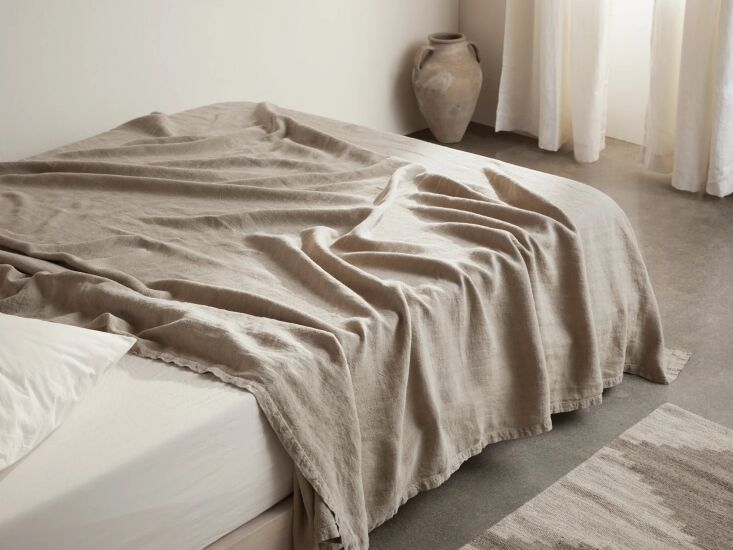
As an editor, I often advocate for "low-stakes luxury." This is the idea that your home should look sophisticated without requiring a team of stylists to maintain it. Linen is the ultimate expression of this concept. It possesses a natural drape and a soft, textured weave that looks better when it’s slightly rumpled.
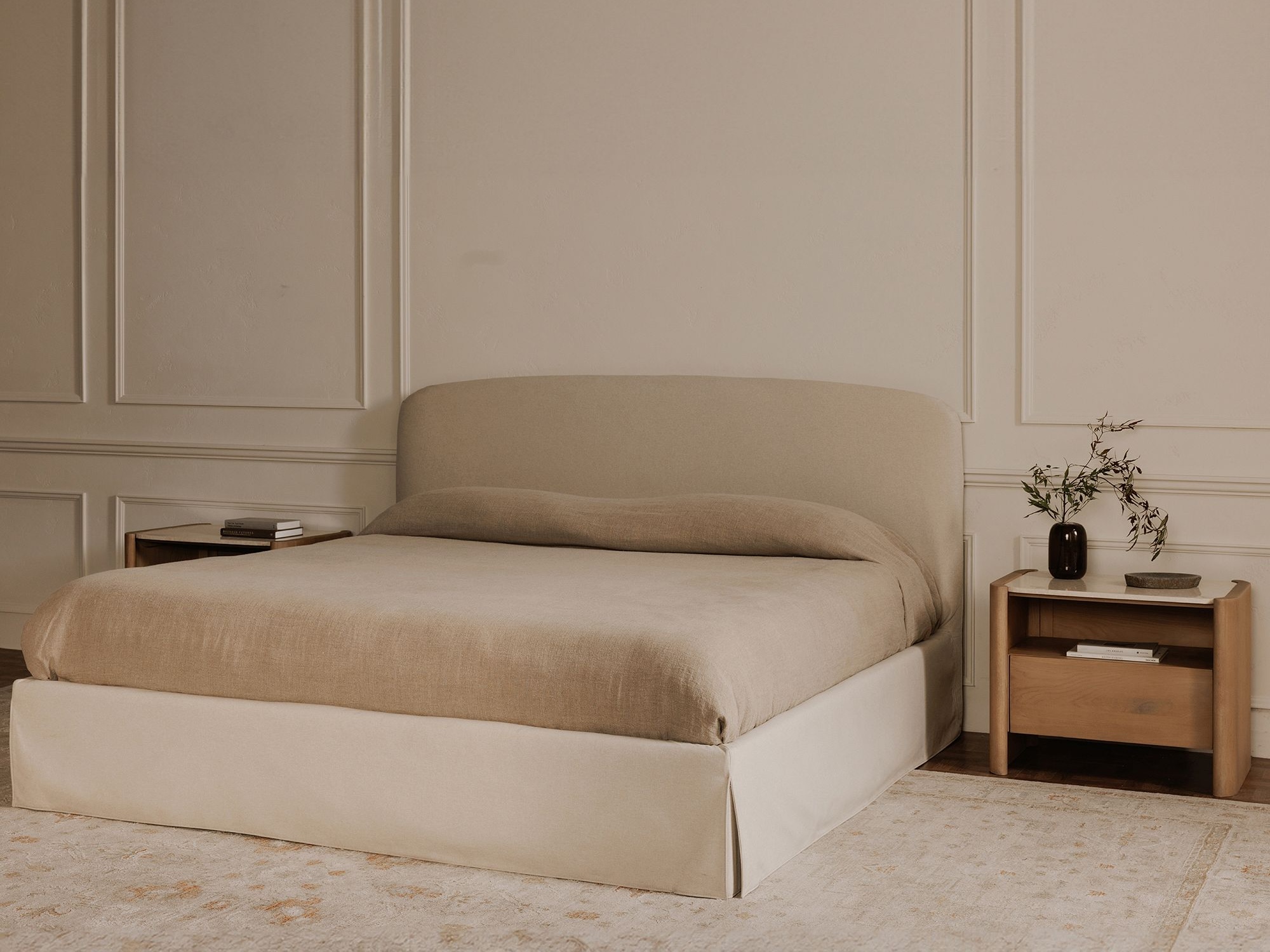
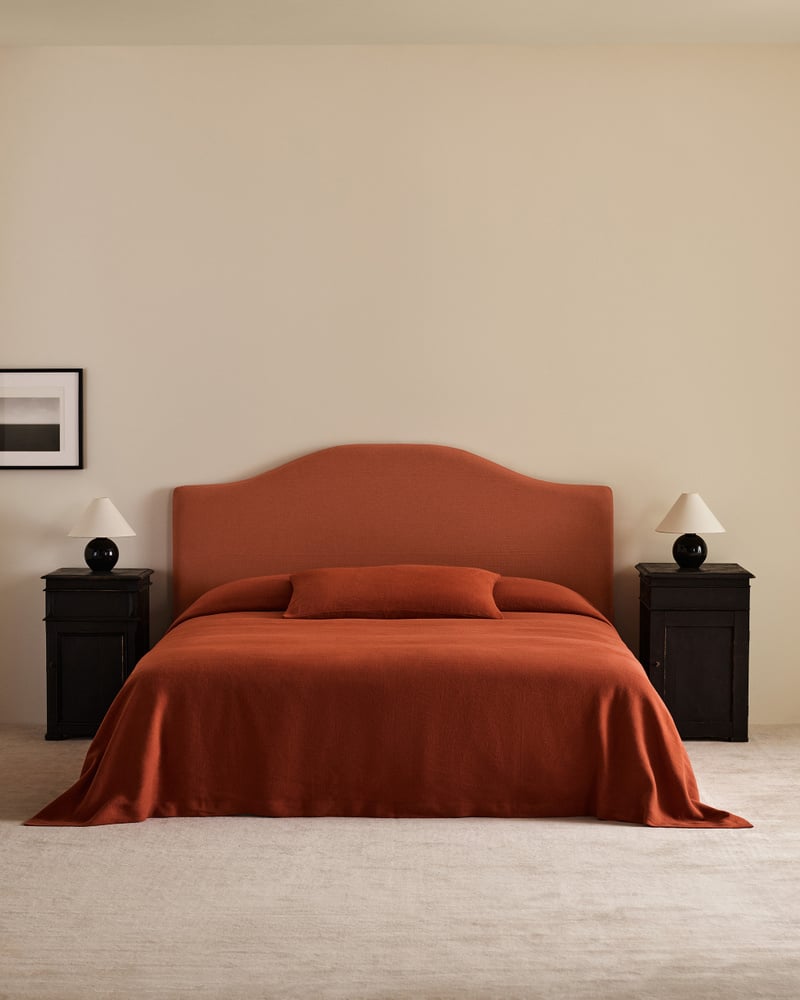
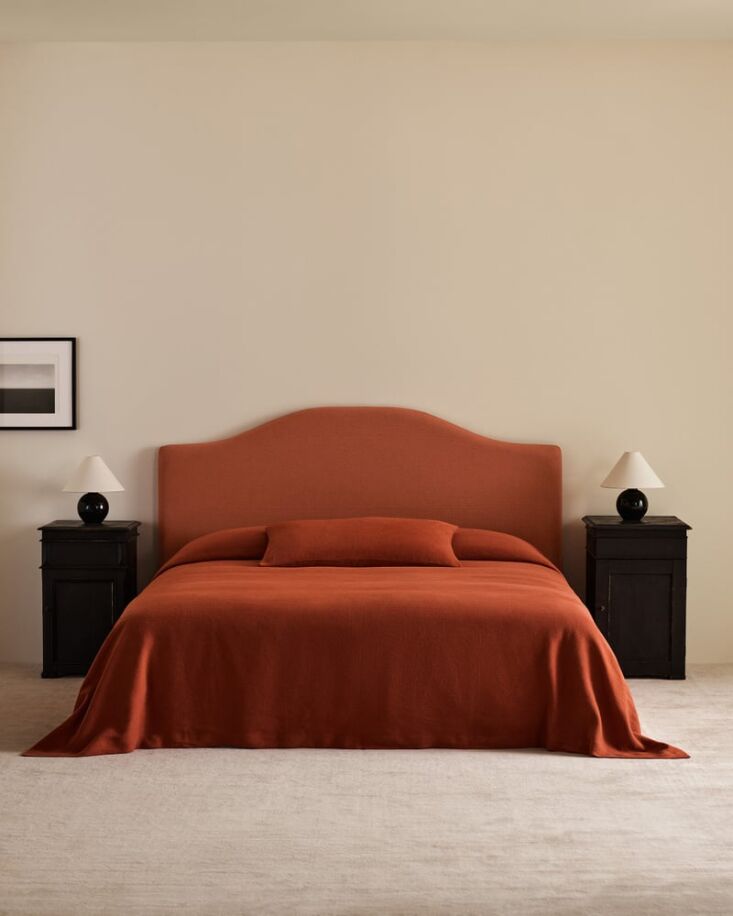
This is what we call the "no hospital corners" look. While a high-thread-count sateen sheet looks tragic with a single wrinkle, a linen bed cover embraces its creases. It tells a story of comfort. The weight of a mid-weight linen bedspread allows it to fall beautifully over the edges of the mattress, creating a silhouette that is both grounded and airy.
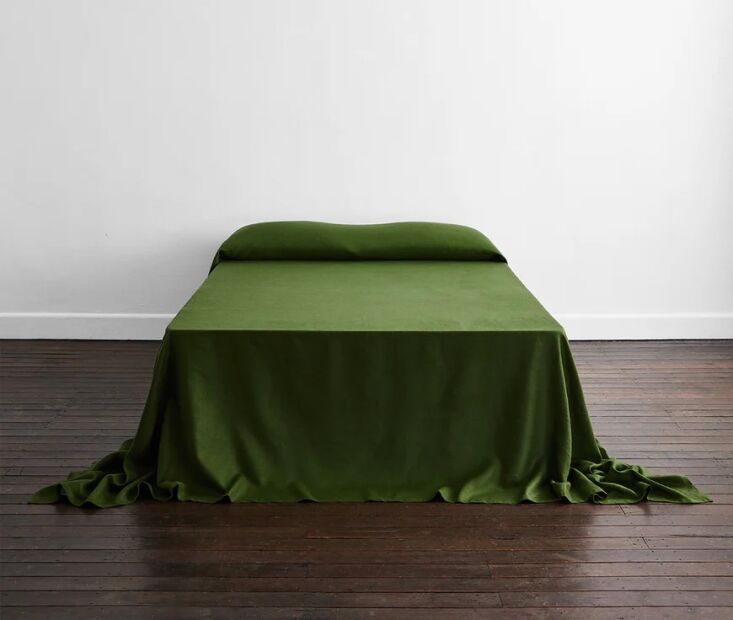
The 'effortlessly elegant' look of linen stems from its natural drape and textured weave, allowing for a sophisticated bedroom aesthetic without the need for high-maintenance styling. It provides a tactile depth that flat fabrics simply can't replicate.
Understanding the Weight: Sheets vs. Blankets vs. Covers
There is often confusion in the marketplace about what constitutes a "bed cover." In the world of interior styling, we categorize them by GSM (Grams per Square Meter).
- Linen Sheets (110–140 GSM): These are your base layer. They are sheer and light, designed for direct skin contact.
- Linen Duvet Covers (160–180 GSM): These act as a protective skin for an insert. During shoulder seasons, many people use the duvet cover without the insert as a lightweight blanket.
- Linen Bed Covers/Quilts (250+ GSM): This is the "heavyweight" category. These are often double-layered or quilted with a light batting. They provide the substance of a traditional quilt but maintain the breathability of the flax fiber.
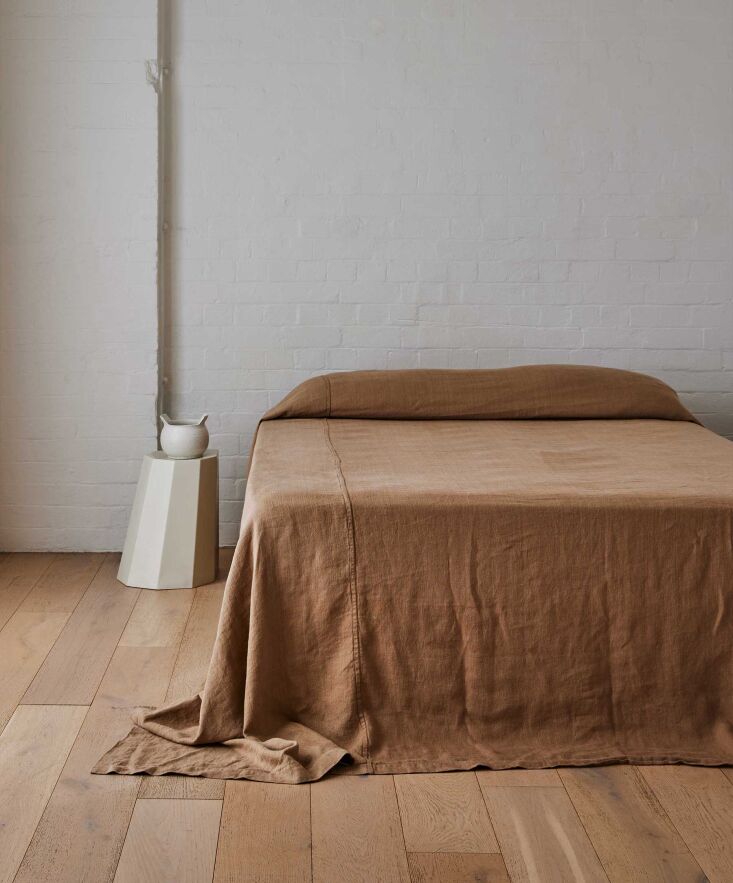
Choosing a heavyweight French flax cover allows you to skip the comforter altogether during the spring and autumn months. You get the comforting weight—which many find helps with anxiety and sleep quality—without the heat-trapping properties of down or poly-fill.
Investment Guide: Budget to Luxury
Linen is often viewed as a luxury material, and for good reason—the cultivation of flax and the weaving of linen are labor-intensive processes. However, the market has expanded to include a wide range of price points.
- The Entry-Point ($120 - $200): Brands like Quince have democratized European flax. At this level, you are getting high-quality material, though usually with simpler finishing and standard color palettes.
- The Mid-Range ($250 - $450): This is where you find the "average high-quality" benchmark of $320. Brands like Parachute or Cultiver offer premium stone-washing, more durable seams, and a wider variety of earth-toned hues.
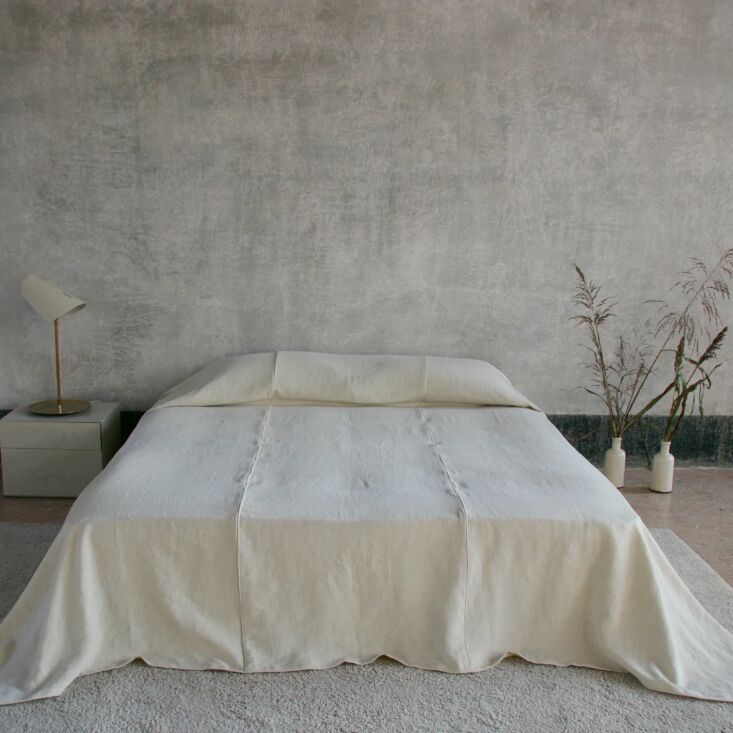
- The Luxury Tier ($500 - $988): At the top end, you are paying for artisanal craftsmanship. We’re talking about Italian-made linens from Once Milano or bespoke hand-dyed pieces. These covers often feature intricate details like contrast piping, flange edges, or extra-wide dimensions for deep-pocket mattresses.
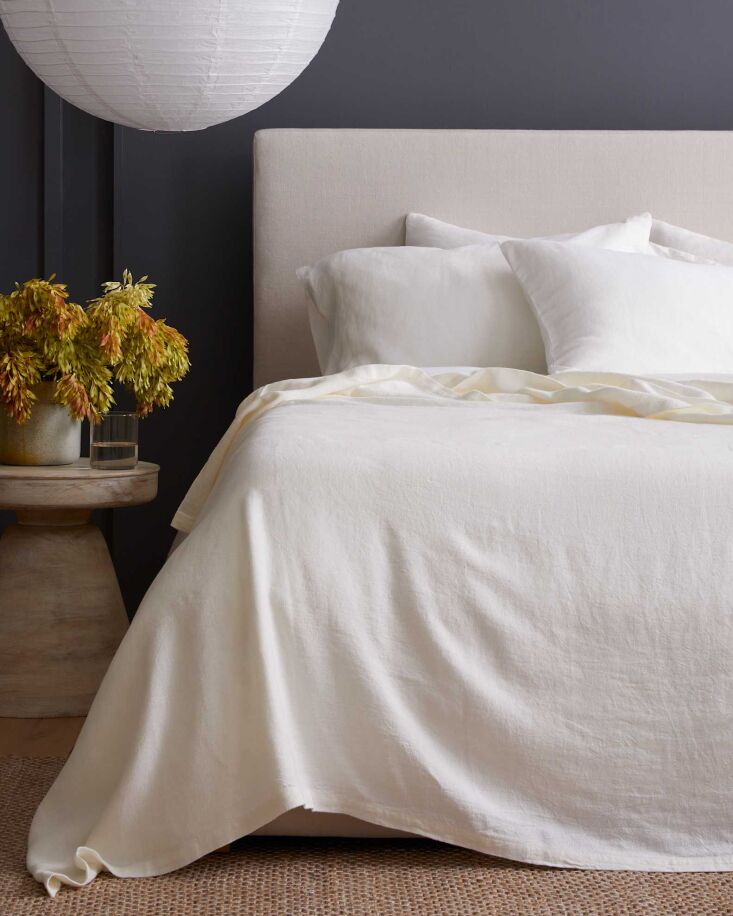
When calculating the value, consider longevity. Linen is one of the strongest natural fibers in the world. While cotton sheets might begin to thin and pill after 200 washes, linen actually becomes softer and more lustrous. It is a generational purchase.
Essential Considerations for Buyers
Before you click "add to cart," there are two vital certifications you should look for to ensure your investment is safe for both you and the environment:
- Oeko-Tex Standard 100: This ensures that the finished fabric has been tested for harmful substances. Since bedding sits against your skin for eight hours a day, this is non-negotiable.
- GOTS (Global Organic Textile Standard): This is the gold standard for organic fibers, covering the entire supply chain from harvesting to labeling.
Additionally, consider the "fit." Because linen has a natural give, it shouldn't be pulled too tight. If you are using a linen cover over a duvet insert, ensure the dimensions match within an inch to avoid "lumping." For a shoulder-season bed cover used on its own, I always recommend "sizing up"—using a King cover on a Queen bed—to create that luxurious, floor-skimming drape.
Pro Tip: The Drying Secret Never over-dry your linen. To maintain the fibers' bounce and prevent "brittle" texture, take the cover out of the dryer while it is still 5% damp and lay it flat across the bed. This allows the natural weight of the fabric to pull out the deep wrinkles while it finishes air-drying.
FAQ
Is linen scratchy? High-quality European flax linen should never be "scratchy." While it has more texture than silk or sateen, modern stone-washing processes ensure it is soft to the touch. It will continue to soften with every single wash.
How do I wash a linen cover? Wash in cool to lukewarm water on a gentle cycle. Use a mild, liquid detergent and avoid fabric softeners, which can coat the hollow fibers and reduce their breathability. Tumble dry on low or line dry for the best results.
Can I use it year-round? Absolutely. In the summer, use it as your sole top layer. In the winter, layer it over a down duvet. Its temperature-regulating properties make it a versatile foundation for any bedding "wardrobe."
Conclusion
The transition between seasons shouldn't mean sacrificing a good night's sleep. By investing in a high-quality linen bed cover, you aren't just buying a piece of fabric; you are investing in a sophisticated climate-control system for your bedroom. It is the architectural equivalent of a well-tailored trench coat—substantial enough to protect you from the chill, but light enough to let you breathe. Whether you choose a budget-friendly entry or a luxury artisanal piece, the result is the same: a bed that looks as good as it feels, and a sleep quality that remains consistent, no matter what the thermometer says outside.