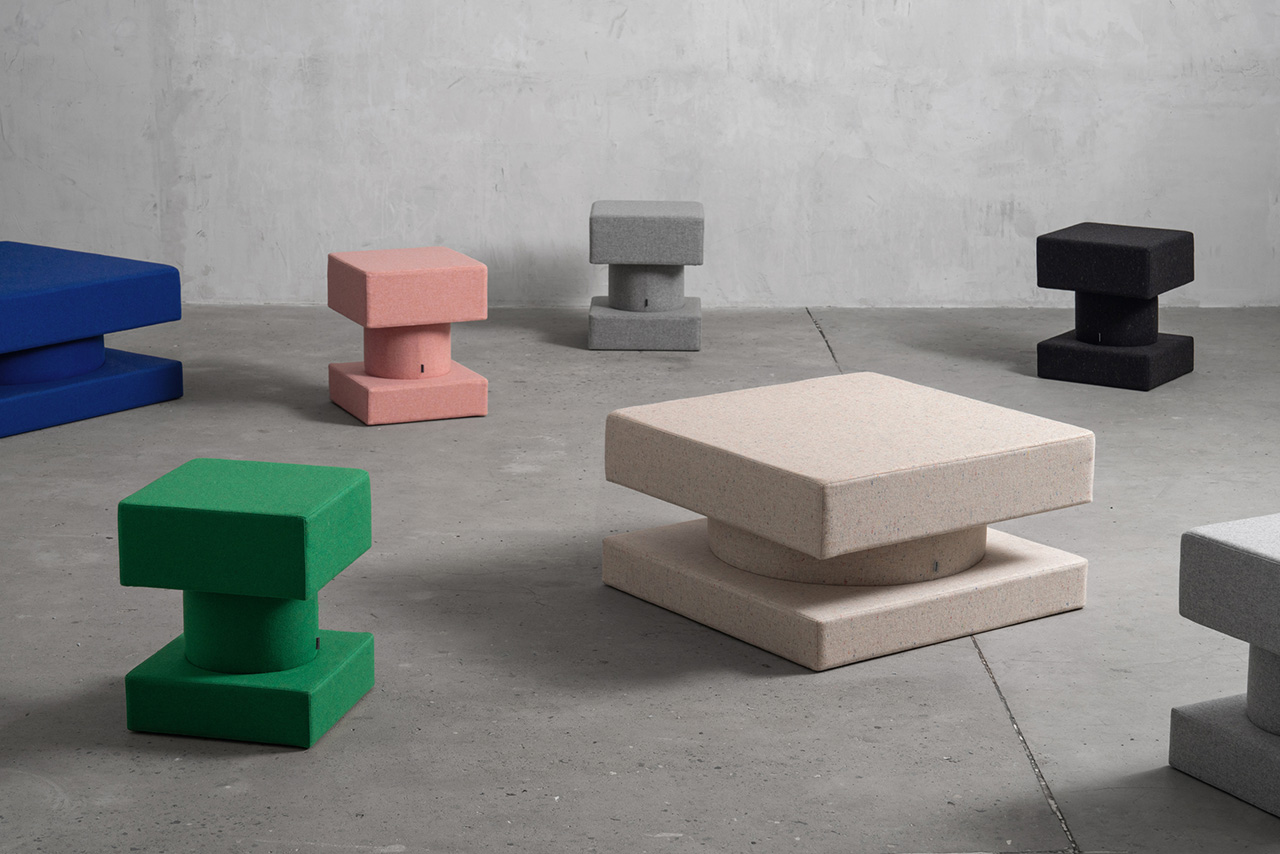
Walking into a room, the first thing your eyes seek isn’t a person, but an anchor—an object that dictates the energy of the space through its form alone. In 2025, that anchor is shifting away from the amorphous, slouchy silhouettes of the past decade. We are witnessing a return to what I call "sculptural honesty": furniture that doesn't just provide a place to sit, but speaks a clear, architectural language. The TAITŌ Pouf collection by +kouple is the quintessential embodiment of this shift.
What makes TAITŌ Poufs the best minimalist seating option this year? It is the rare convergence of geometric 'equivalent' balance and uncompromising comfort. By utilizing high-density fiberboard (HDF) and plywood internal structures wrapped in OEKO-TEX certified Jungla or Fenice wool, these pieces offer a sustainable, sculptural solution that remains as stable as it is soft.
Quick Facts: The TAITŌ Collection at a Glance
- Design Philosophy: "Taitō" (Japanese for "equivalent"), focusing on the balance between square and cylindrical forms.
- Materiality: OEKO-TEX Standard 100 certified wool (Jungla and Fenice) with a contract-grade Martindale rating.
- Internal Core: Plywood and High-Density Fiberboard (HDF) for structural integrity.
- Configurations: 2 distinct silhouettes (Square and Round) and 6 signature colors, enabling 12+ standard arrangements.
- Versatility: Functions as a seat, footrest, modular divider, or stacked sculptural tower.
The Evolution of Minimalist Seating: Beyond the Beanbag
For years, the "minimalist" seating category was dominated by beanbags and foam-only blocks. While comfortable, these pieces often lacked the visual discipline required for a sophisticated interior. They sagged over time, losing their shape and, consequently, their design value. In 2025, the demand is for furniture that maintains its "sculptural honesty"—a term we designers use to describe objects that look exactly like they are built.
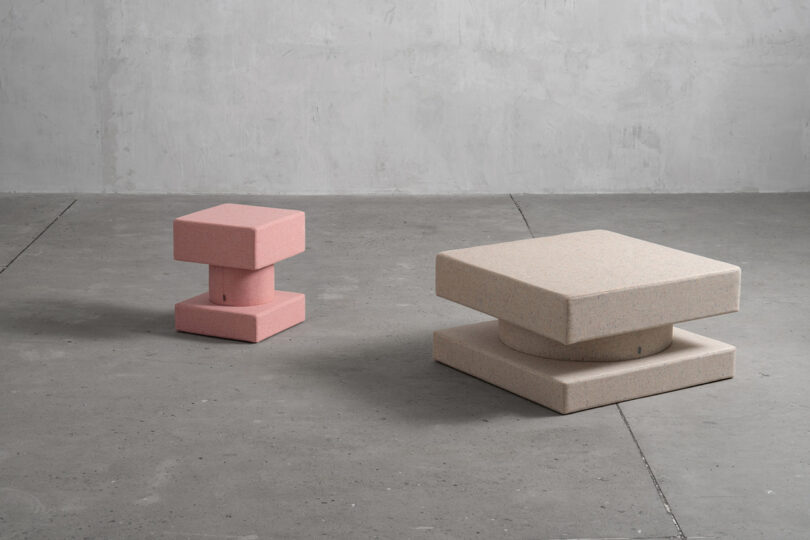
The TAITŌ collection bridges the gap between the rigid aesthetics of a pedestal and the inviting plushness of a lounge chair. It challenges the notion that comfort must look messy. By incorporating an internal frame, +kouple has created a piece that stays perfectly composed whether it’s being used as a meditation stool or an auxiliary seat during a cocktail party.
The Philosophy of TAITŌ: Japanese Roots Meets Modernist Design
To understand these pieces, one must understand the etymology of their name. In Japanese, Taitō (対等) translates to "equivalent" or "on equal footing." This concept is the heartbeat of the collection. There is a deliberate symmetry at play here—an intentional dialogue between the sharp, clean vertices of the square base and the soft, rounded shoulders of the seating surface.
The story of +kouple itself adds another layer of depth to the design. Originally known as a "lighting-first" studio, the brand has pivoted into furniture with a multidisciplinary expertise that shows in every stitch. They approach furniture like they approach light fixtures: as objects that must manipulate space and shadow.
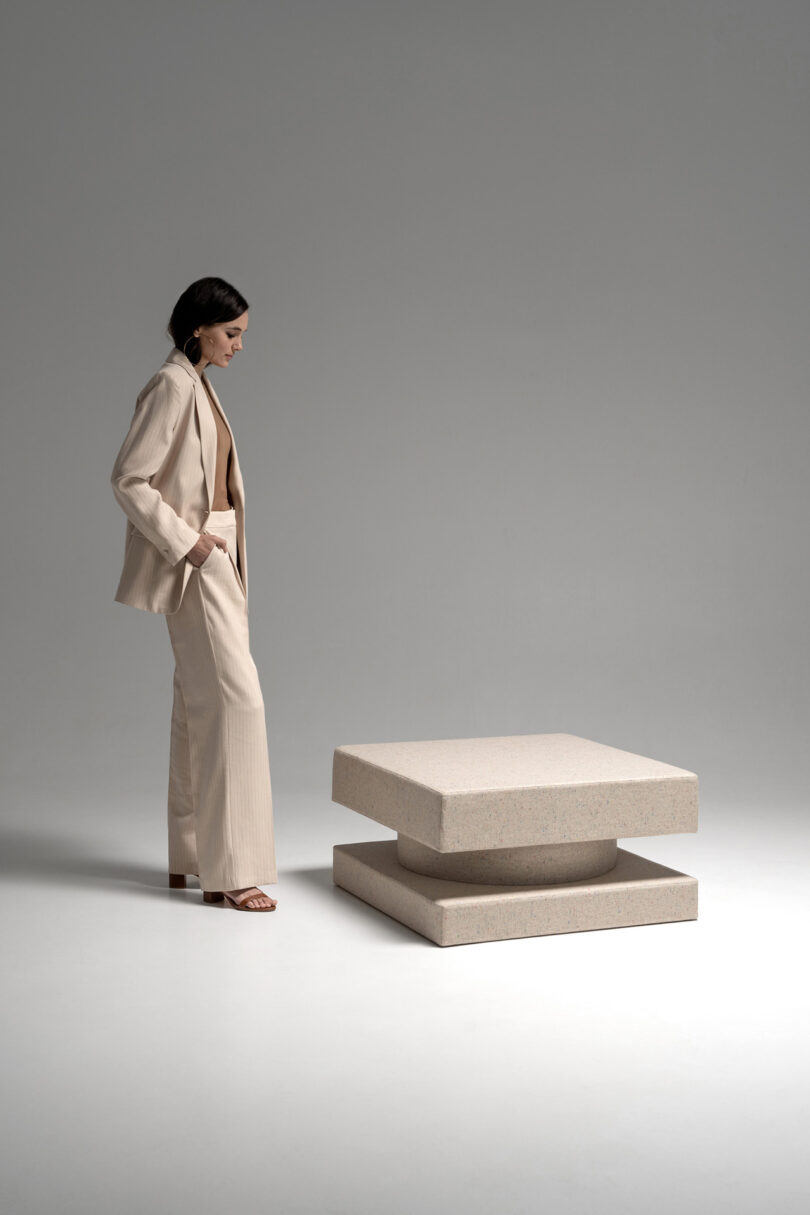
"A well-designed pouf shouldn't just disappear into the corner. It should hold the floor with the same authority as a marble plinth, yet offer the tactile warmth of a winter coat." — Ivy Chen
Architectural Form: The Square-Cylinder Merge
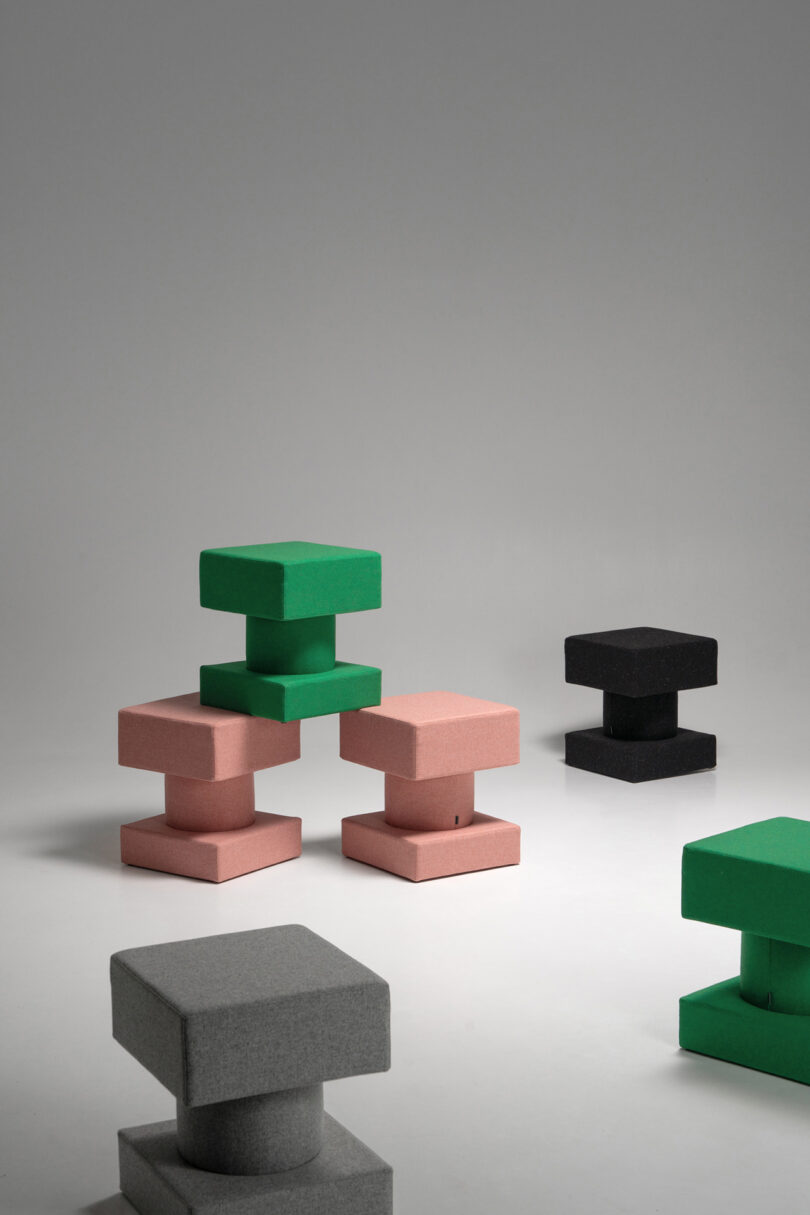
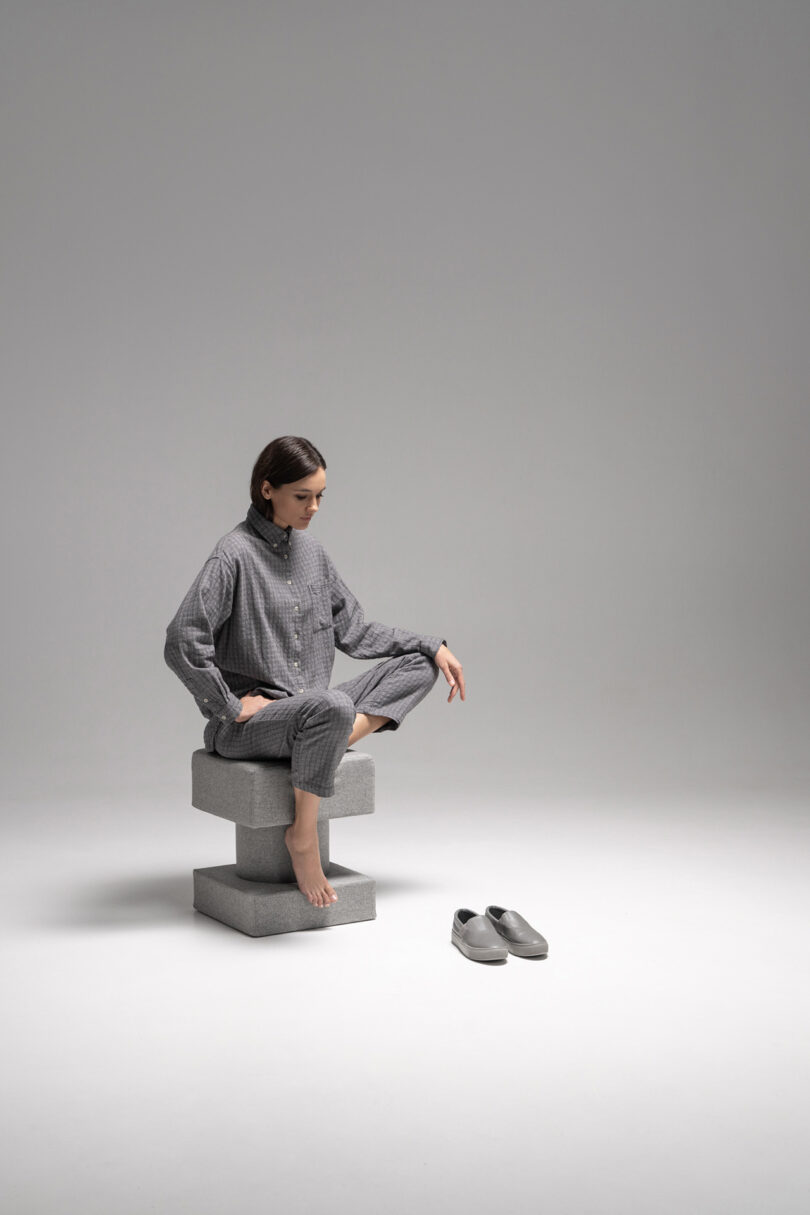
The TAITŌ Poufs are defined by a unique geometric "handshake." Each piece features a base that feels grounded and architectural, transitioning into a plush top that invites the body to rest. This isn't just an aesthetic choice; it's a functional one. The flat sides allow the poufs to be pushed together to form larger modular surfaces, while the rounded tops provide ergonomic comfort.
The collection offers a curated palette of 6 signature colors and 2 distinct silhouettes. This might seem limited to some, but in the world of high-end minimalism, curation is king. These 12+ standard configurations allow homeowners to mix and match textures and heights to create a landscape of seating that feels personal yet cohesive.
Built to Last: Sustainability and Internal Structure
The most significant differentiator of the TAITŌ series is what you can't see. Most high-street poufs are filled with polystyrene beads or low-density foam, which compress within six months of use. The TAITŌ series utilizes a solid internal core of plywood and High-Density Fiberboard (HDF).
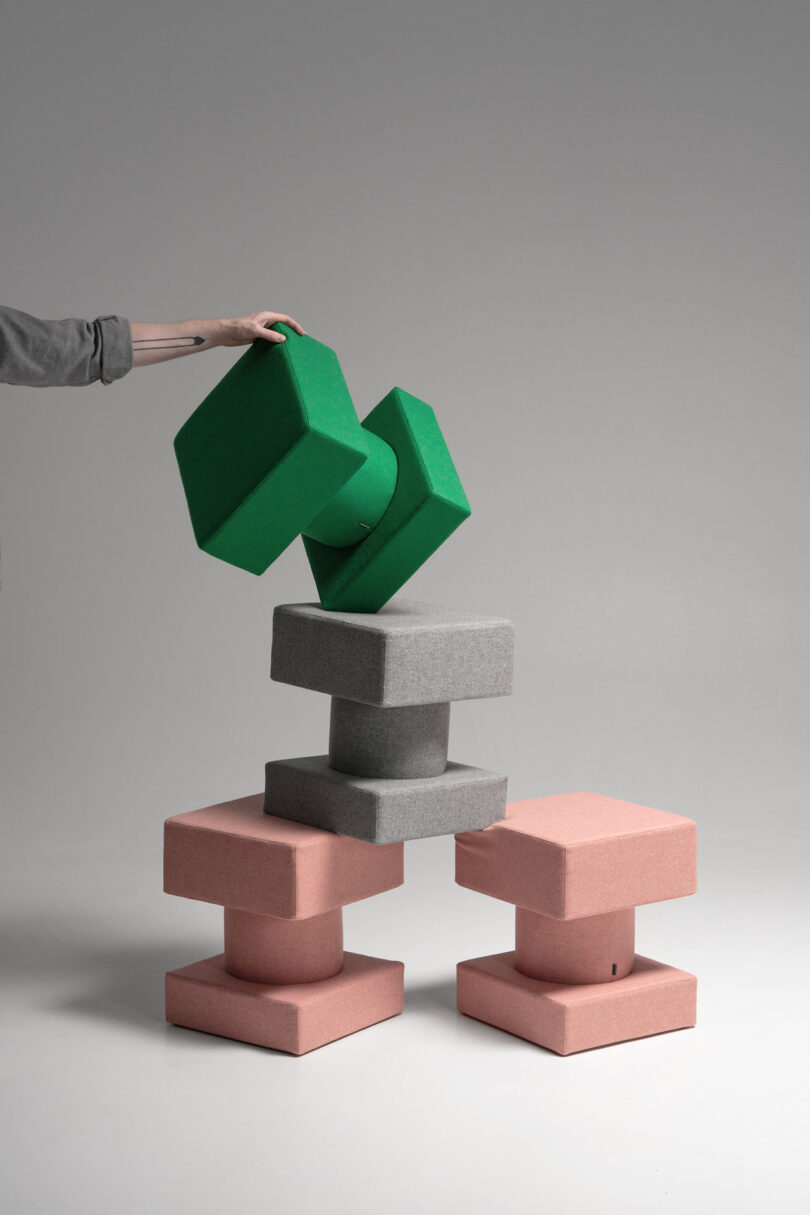
This internal "skeleton" provides 100% more structural stability than standard foam-only alternatives. You can stack them four high to create a "room divider" tower, and they won't wobble or lean. This is "contract-grade" engineering brought into the domestic sphere, ensuring that your investment looks as sharp in 2030 as it does today.
Structural Comparison: TAITŌ vs. Standard Poufs
| Feature | TAITŌ Pouf Series | Standard Foam/Bead Pouf |
|---|---|---|
| Internal Core | Plywood & HDF Frame | Polystyrene or 100% Foam |
| Shape Retention | Permanent (Rigid structure) | Temporary (Sags over time) |
| Stackability | High (Safe for "Towers") | Low (Unstable) |
| Fabric Grade | Contract-Grade Wool | Residential Polyester |
| Certification | OEKO-TEX Standard 100 | Varies (Often none) |
Material Excellence: OEKO-TEX Standard 100
In the modern home, the air we breathe is as important as the chairs we sit on. +kouple's commitment to sustainability is evident in their choice of textiles. The TAITŌ collection uses Jungla and Fenice wools—fabrics that are not only luxuriously tactile but are also OEKO-TEX Standard 100 certified.
This certification ensures that every thread, button, and fiber has been tested for harmful substances. For a piece of furniture that often ends up on the floor where children or pets play, this non-toxic guarantee is essential. Furthermore, these are contract-grade textiles with high Martindale ratings (a measure of durability), meaning they can withstand the friction of daily use without pilling or thinning.
One Object, Infinite Uses: Modularity in Modern Living
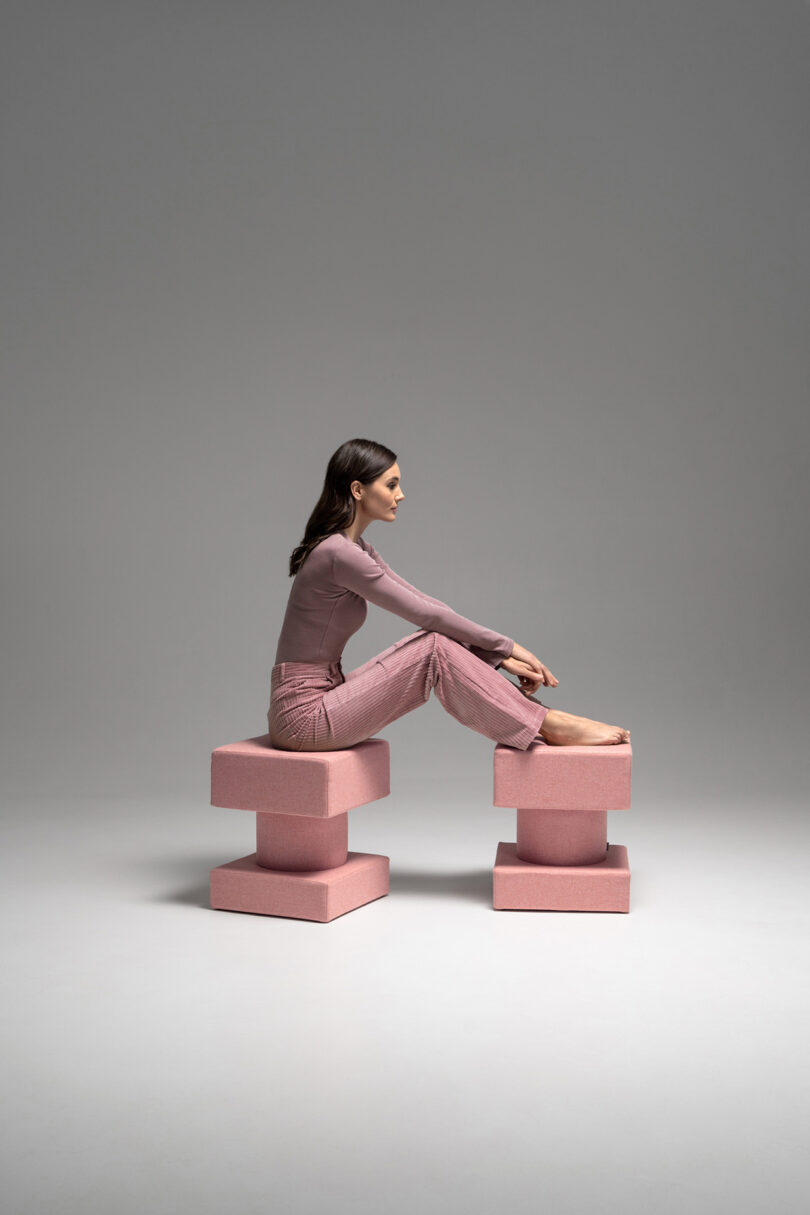
The beauty of a well-scaled pouf lies in its versatility. In my styling projects, I rarely use a TAITŌ pouf in just one way. How can TAITŌ Poufs be used in modern interior design? The possibilities are limited only by your floor plan:
- The Meditation Nook: The smaller version is the perfect height for floor-based mindfulness practices, providing a firm base that supports spinal alignment better than a soft cushion.
- The Modular Divider: In open-plan lofts, stacking two or three poufs creates a soft "wall" that defines the transition from a living area to a workspace.
- The Sculptural Ottoman: Placed in front of a low-profile sofa, they act as a sophisticated footrest that doubles as extra seating for guests.
- The Bedside Companion: Because of their flat sides and HDF core, they can even serve as a soft-touch nightstand for a book and a phone.
Why TAITŌ is the Investment Piece for 2025
When we evaluate furniture, we often look at the price tag in isolation. However, the true cost of furniture is its "price per year of use." A cheap, foam-filled pouf that ends up in a landfill after two years is an expensive mistake. A TAITŌ pouf, with its plywood core and high-rub-count wool, is designed to last a lifetime.
It represents a shift toward "slow furniture"—pieces that are thoughtfully designed, ethically manufactured, and aesthetically timeless. If you are looking to declutter your visual environment while adding functional value, these Japanese-inspired stools are the smartest addition you can make to your home this year.
FAQ
Are TAITŌ Poufs suitable for high-traffic commercial areas? Yes. Because they use contract-grade fabrics (Jungla and Fenice) and have a solid HDF/plywood internal structure, they are specifically designed to withstand the rigors of hotel lobbies, offices, and commercial lounges, making them more than durable enough for home use.
How do I clean the OEKO-TEX certified wool? Wool is naturally dirt-resistant. For regular maintenance, a light vacuuming is sufficient. For spills, we recommend professional dry cleaning or localized spot cleaning with a wool-safe detergent, as the natural lanolin in the fibers helps prevent immediate staining.
Can I mix the square and round silhouettes in one space? Absolutely. In fact, mixing the two silhouettes is highly recommended to achieve the "Equivalent Balance" philosophy. The contrast between the sharp corners and the round tops creates a more dynamic, curated look.