In the world of high-stakes architecture, where blueprints and digital models often dictate the rhythm of the day, it is easy to lose sight of the "human" element in design. For Nicki Gitlin, the founder of the New York-based design firm dang, the secret to managing complex spatial projects and a bustling studio isn't found in a new software update—it’s found in the tactile scratch of a pen on a heavy page and the ritualistic clink of ice in a glass.
Gitlin, whose pedigree includes stints at Snarkitecture and Theory, has built a career on the philosophy that beauty is found in the everyday. Her work—ranging from the textured warmth of Afficionado Coffee Roasters to the spatial ingenuity of a Soho Pied-a-Terre—proves that spaces should be modern yet deeply livable. But to create such serene environments for others, she first had to master the architecture of her own day.

The 'Friday Five': Nicki Gitlin’s Daily Essentials
To understand Gitlin’s productivity is to understand her rituals. She approaches her morning with the same intentionality she applies to a floor plan, selecting "anchors" that keep her grounded before the chaos of client meetings and site visits begins.
1. Finding Sun Spots
Before the emails start pouring in, Nicki seeks out the light. This isn't just a poetic preference; it’s a grounding exercise shared with her dog, Otis. By physically pausing in the sun spots of her home, she creates a mental "clear zone" that separates her personal rest from her professional output.

2. The Tailored Pant
For Gitlin, clothing is more than just an aesthetic choice—it’s "armor." Navigating a construction site requires a different presence than a boardroom, and a well-tailored pant provides the confidence and mobility needed for both. It is the sartorial equivalent of a well-designed structure: functional, durable, and sophisticated.
3. The Daily Planner
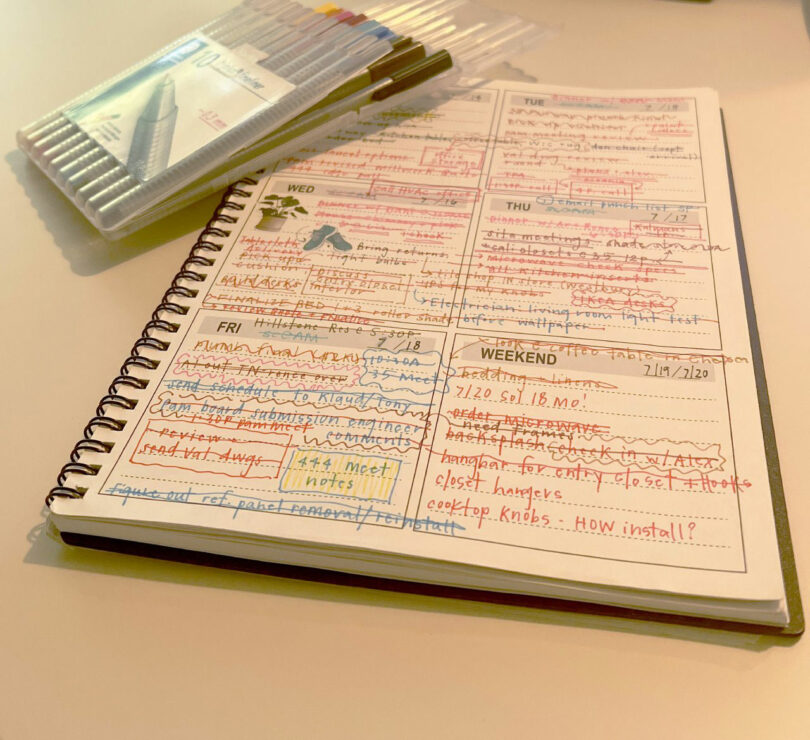
While many architects have migrated entirely to digital task managers, Gitlin remains a staunch advocate for the physical planner. She uses it to ground big-picture ideas alongside tiny, granular to-dos. The act of writing serves as a motivator and a roadmap, ensuring that her firm’s creative vision isn't lost in the digital shuffle.
4. The Satin Scrunchie
In the middle of a deep-focus design session, Gitlin relies on the simple, tactile indulgence of a satin scrunchie. It’s a practical tool to pull her hair back when it’s time to get to work, but the choice of material adds a small moment of luxury to a high-pressure day.
5. Ritualistic Iced Coffee
The final piece of the productivity puzzle is her iced coffee. More than just a caffeine delivery system, the ritual of the first sip serves as the official signal to "get things moving." It marks the transition from the quiet reflection of the morning to the active execution of the day’s goals.

The Architect's Roadmap: Why the Day Designer is Essential
For design professionals who balance creative "blue-sky" thinking with rigid technical deadlines, the choice of a planner is a critical decision. Nicki Gitlin’s preference for a physical system is rooted in the "tactile grounding" that paper provides—a necessary counterweight to the hours spent staring at screens.
The Day Designer 2026 Daily Planner has become a favorite among architects and designers for its ability to mirror the complexity of their schedules. Unlike standard planners that offer a simple grid, the Day Designer provides a comprehensive two-page spread for every single day. This allows for a clear separation between an hourly schedule (vital for client consultations) and a dedicated "Top Three" priority list (essential for moving long-term projects forward).
"There is a psychological weight to writing a task down that a digital notification simply cannot replicate," Gitlin notes. "It transforms a vague intention into a concrete commitment."
Technical Specifications: Day Designer ‘Mini’ Edition
| Feature | Specification |
|---|---|
| Paper Quality | 80-pound textured paper (ink-bleed resistant) |
| Dimensions | 1.5 inches thick |
| Weight | Approximately 1.9 lbs |
| Layout | Two-page daily spreads with gratitude prompts |
| Cover Finish | Premium pebble texture or bookcloth |
| Current Value | $34.00 (Originally $68.00 — 50% End-of-Season Discount) |
For the busy professional, the 80-pound paper density is a crucial detail. It accommodates heavy ink and architectural pens without ghosting or bleeding, making it a high-capacity tool for heavy daily usage. While it weighs nearly two pounds, that heft signifies the sheer volume of "life" and "work" it is designed to hold.
Mastering Time: 9 Management Tips for Design Professionals
Drawing from Nicki Gitlin’s approach at dang, here are nine strategies to refine your own productivity systems:
- Prioritize by Impact: Don't just clear the easiest tasks. Identify which 20% of your work will drive 80% of your project’s progress.
- Schedule Deep Work: Designate specific "no-interruption" blocks for modeling and technical drawings during your peak cognitive hours.
- The 15-Minute Buffer: Always schedule a small gap between meetings to jot down immediate action items in your planner.
- Curb Perfectionism: Set realistic time limits for project phases. Sometimes "good and finished" is better than "perfect and overdue."
- Embrace the Tactical: If you’re feeling a creative block, switch from the mouse to a pencil. The hand-eye connection can spark new spatial solutions.
- Audit Your Routine: Once a month, look back at your planner. Where did you lose time? Where did you excel?
- Limit Digital Noise: Use your planner as your primary source of truth, reducing the need to check distracting phone apps for your schedule.
- The Gratitude Reset: Use the prompts in your planner to record one win per day. In architecture, where projects take years, small wins keep the momentum alive.
- Strategic Breaks: Follow Gitlin’s lead—if the brain is foggy, walk the dog. A change in environment often leads to a breakthrough in design.
How Intentional Planning Translates to Architecture
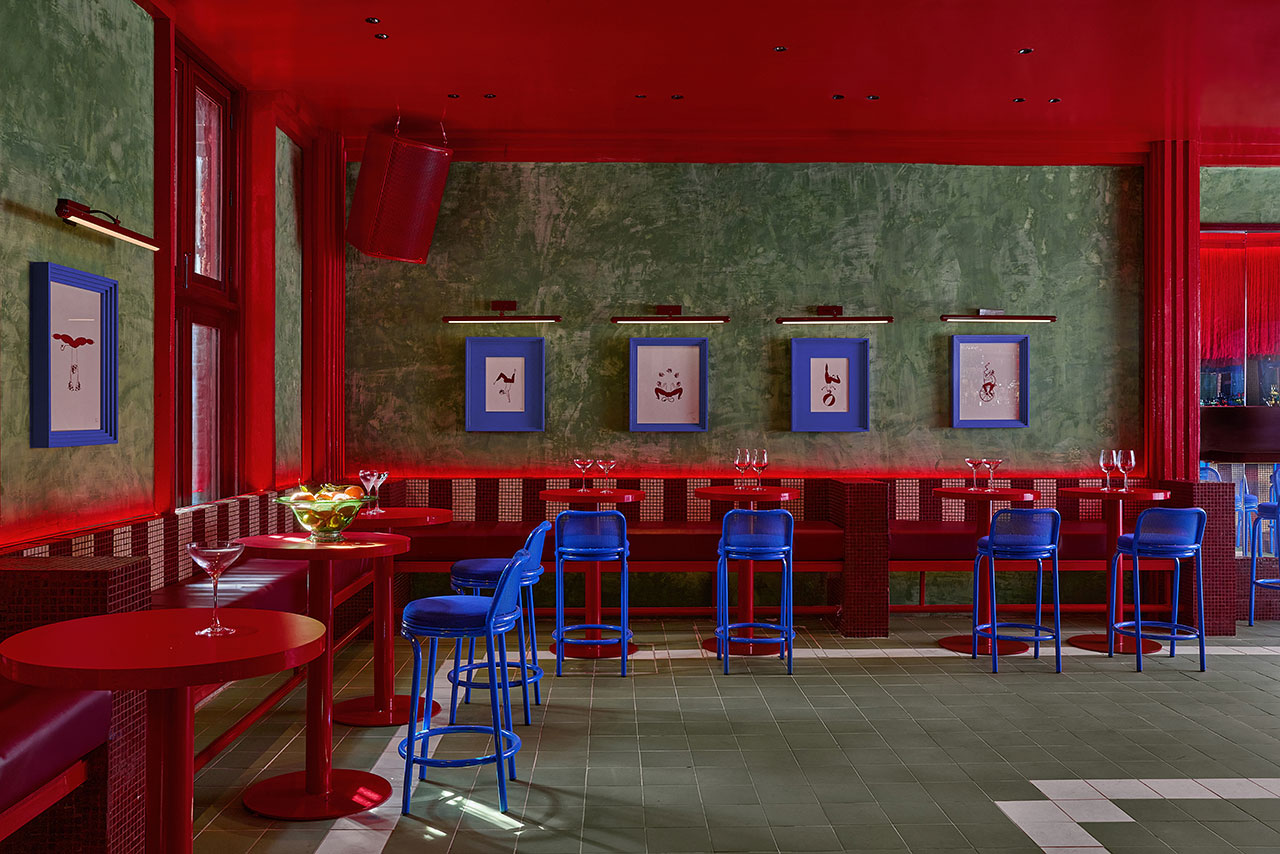
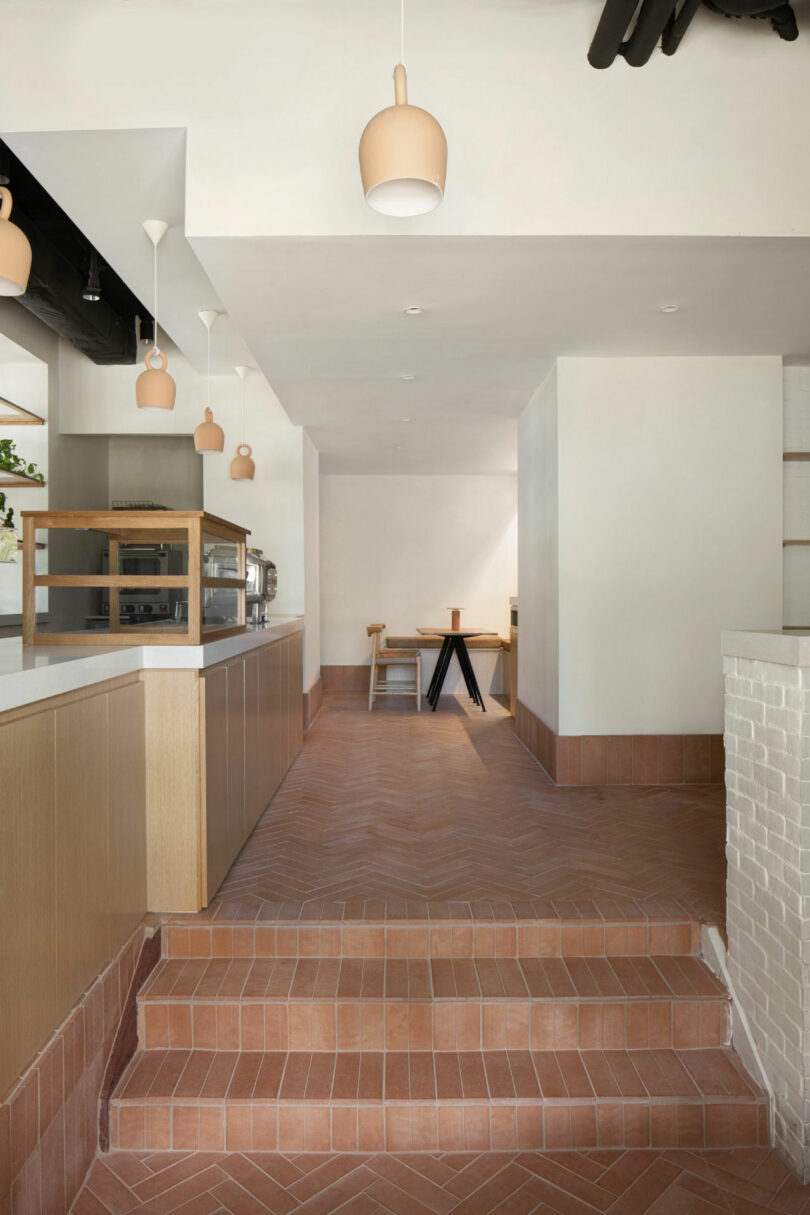
The discipline Gitlin applies to her schedule is visible in every corner of her portfolio. At Afficionado Coffee Roasters, her use of materiality—terracotta, warm wood, and stone—reflects a desire to slow the visitor down, much like her own morning rituals. The space isn't just a place to buy coffee; it is a structured experience of warmth and texture.
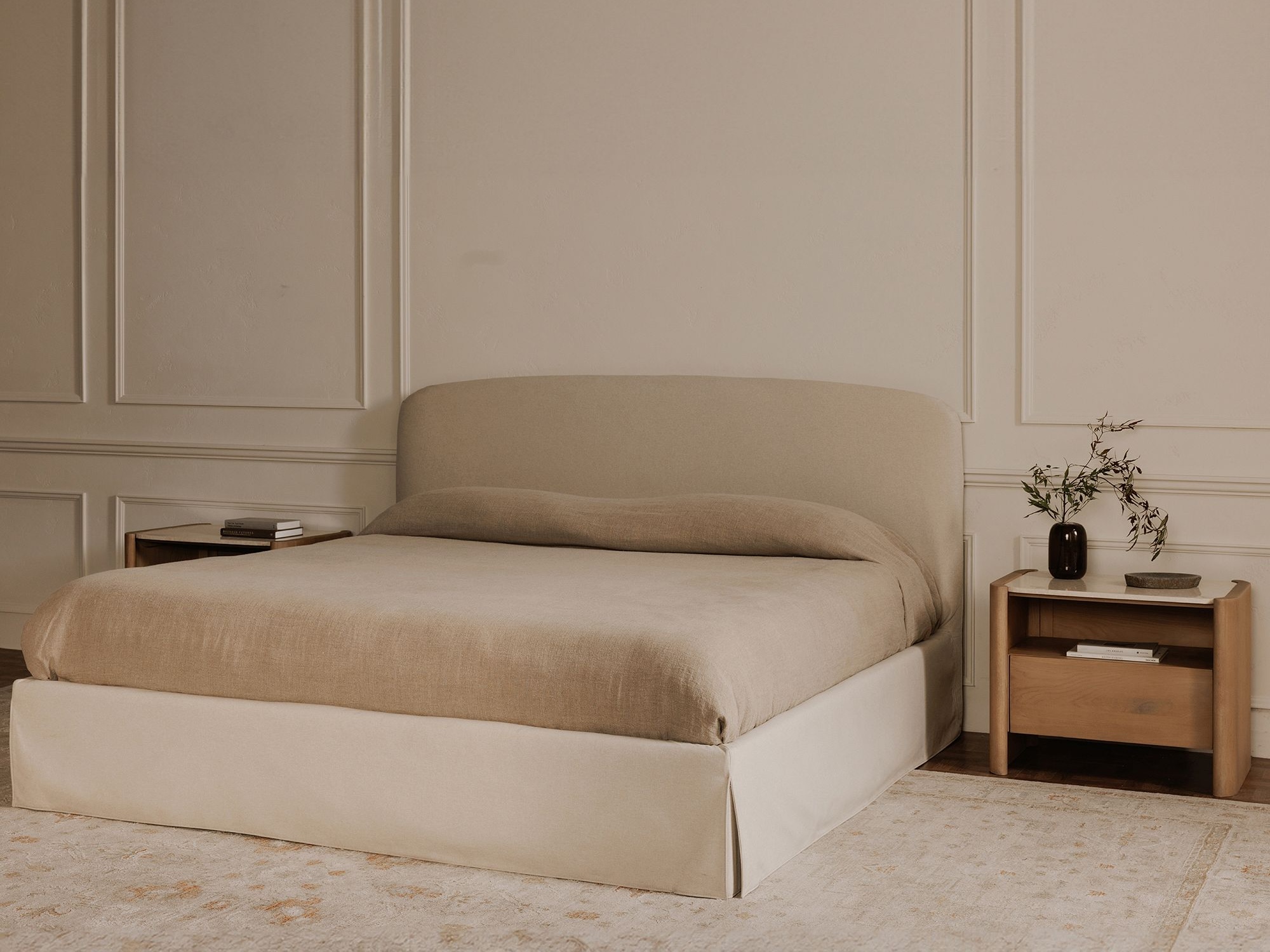
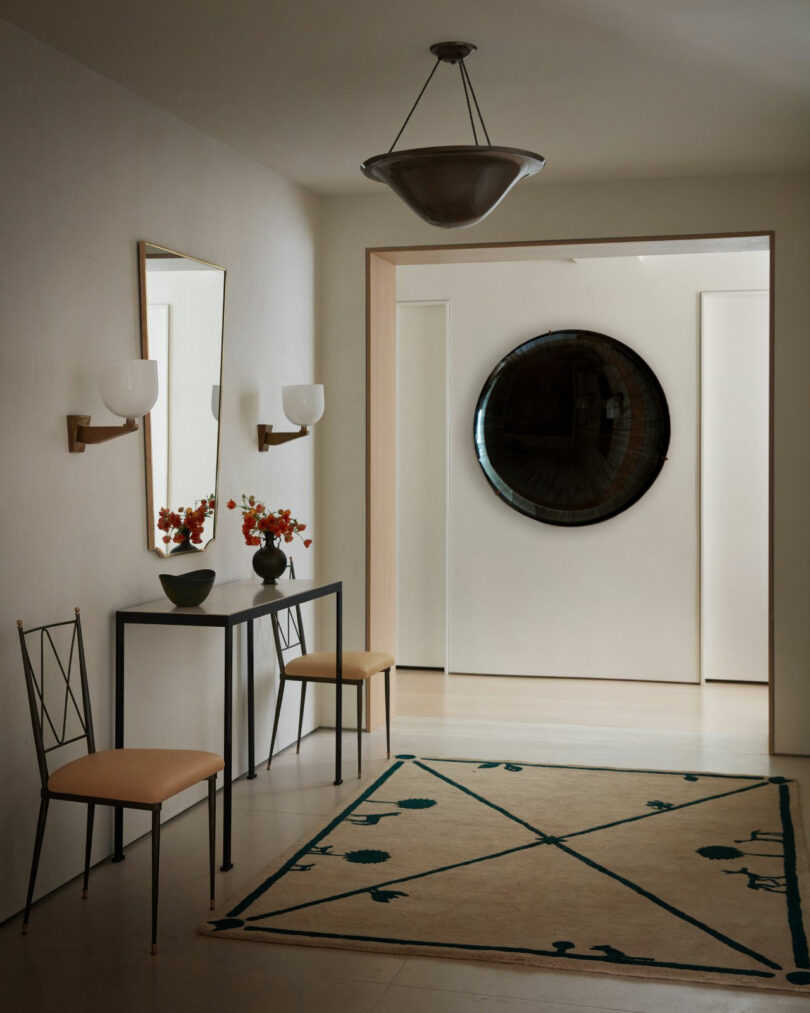
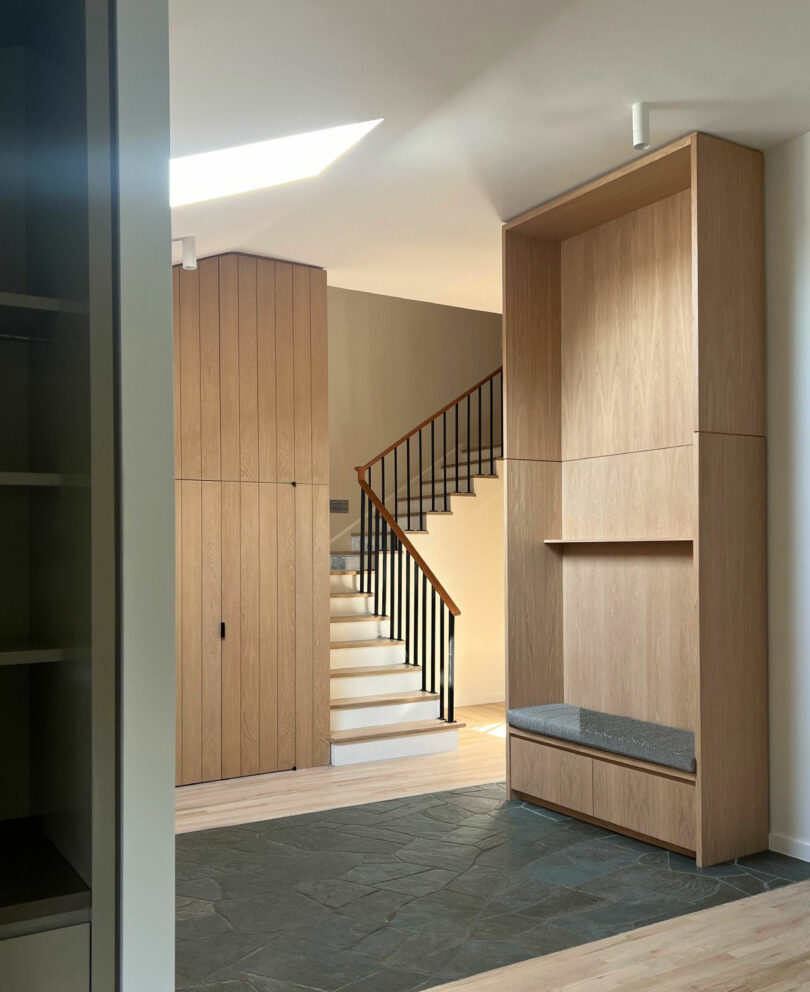
In her residential work, such as the Soho Pied-a-Terre, the focus shifts to "spacial ingenuity." Here, the challenge was to create a "serene daily rhythm" within a compact footprint. By using a structured design approach, she maximized light and flow, ensuring that the inhabitant feels a sense of calm regardless of the city’s chaos outside. This is architecture as a lifestyle routine—structured, intentional, and deeply livable.
Ultimately, Gitlin’s "secrets" are less about secret hacks and more about the commitment to a system. Whether she is sketching a new facade or checking off a grocery list, the tool—the Day Designer—and the fuel—the iced coffee—remain constant.
FAQ
What is the best daily planner for architects? Architects generally require planners with high-quality, heavy-weight paper (at least 80lb) to handle technical pens and sketching. The Day Designer Daily Planner is highly recommended because its hourly layout and dedicated "Top Three" sections align perfectly with the complex scheduling needs of project management and design.
Why do professionals still use paper planners in a digital age? Paper planners offer a "tactile grounding" that digital tools lack. The act of writing improves memory retention, reduces screen fatigue, and provides a physical roadmap that is free from the distractions of notifications and apps. For many, it serves as a mental "unplugging" that fosters deeper focus.
How does Nicki Gitlin balance client meetings with design time? Gitlin uses a systems-driven approach, blocking out "deep work" periods for creative design and using her planner to strictly manage "Top Priorities." By anchoring her day with morning rituals and a clear physical roadmap, she ensures that administrative tasks don't crowd out the creative vision of her firm.