What size moving box should I use for dishes and small appliances?
Match the box to the weight and fragility of what's inside — small dish packs for plates and glassware, medium boxes for most small appliances, and a few specialty options for oddly shaped gear.
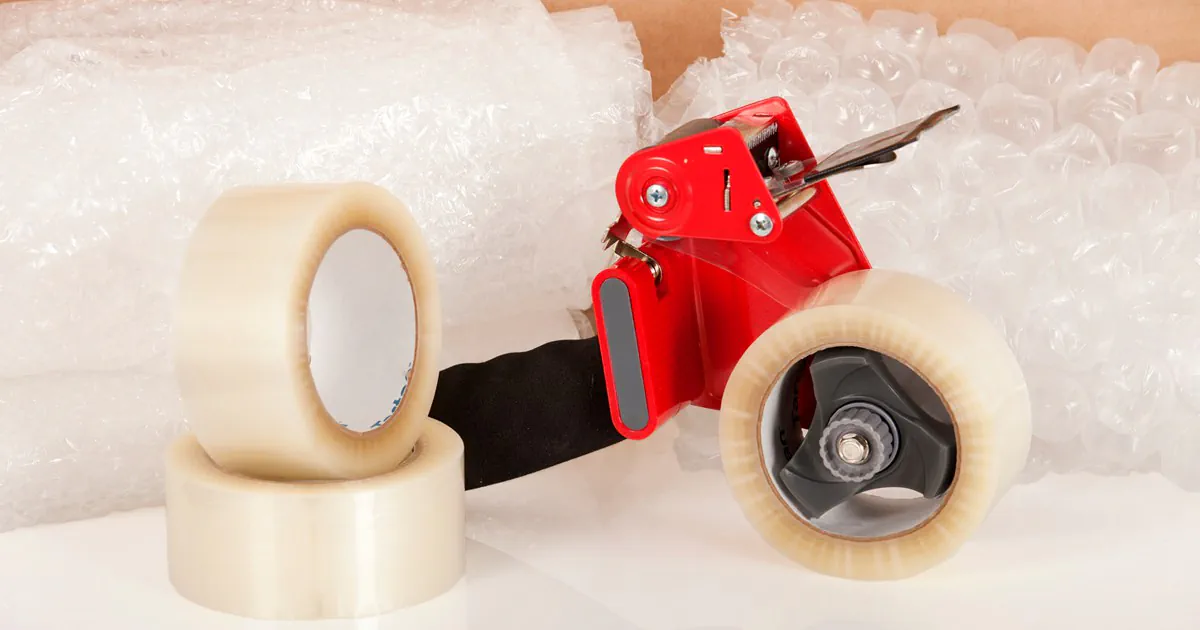
Use small dish-pack boxes (about 18 x 18 x 27 inches) for plates, glassware, and stemware, and medium boxes (around 18 x 18 x 15 inches) for most small countertop appliances. A few large appliances and heavy or awkward pieces deserve their own box or specialty packaging. Keep each box light enough to lift comfortably and fill empty space with paper or bubble wrap so nothing shifts.
Dishes and small appliances fail in different ways during a move. Dishes crack when they rattle against each other or the side of the box; small appliances dent, scratch, or break internal parts when a too-large box lets them tumble. The fix in both cases is matching the box size to the item so contents stay tight and the box stays liftable.
Match the box to the item
Box size vs. common kitchen items
| Item | Box size to use | Why it works |
|---|---|---|
| Plates, saucers, dinnerware | Small dish-pack box (about 18 x 18 x 27 inches) | Tall sides let you stand plates on edge with paper between each one, the way dish packs are designed to be packed |
| Glasses, mugs, stemware | Small dish-pack box with cell dividers | Dividers keep each piece isolated so a single bump doesn't travel through the whole layer |
| Bowls, serving pieces, pots | Medium box (around 18 x 18 x 15 inches) | Shorter sides nest well with bowls and lids, and the medium footprint keeps the loaded weight manageable |
| Small countertop appliances (toaster, blender, coffee maker) | Medium box (about 18 x 18 x 15 inches) | A medium box matches the footprint of most countertop units and limits how far the item can shift inside |
| Microwave, stand mixer, air fryer | Medium-to-large box, alone or paired with light padding items | Heavier units need their own box so weight stays under a comfortable lift limit |
| Lids, baking sheets, cutting boards | Medium box as a top-up | Flat, rigid items fill the dead space that bowls and appliances leave behind |
Why a too-big box is the most common mistake
The general rule with kitchen packing is that a box should be heavy enough to feel solid, but light enough that you can carry it without straining. A large box packed with dishes quickly passes that limit and is more likely to be dropped or bottom out under its own weight. A medium box packed with appliances has the opposite problem: too much empty space around the item lets it slide and slam into the walls when the truck hits a bump. Picking a box that fits the item's footprint closes that gap before any padding goes in.
Protection that pairs with the right box
Pack the box like a layer cake
- Line the bottom
Crumpled packing paper or a layer of bubble wrap so the first item doesn't sit on a bare cardboard floor.
- Wrap each piece individually
Dishes and glasses get a sheet of packing paper or a small bubble-wrap sleeve. Appliances get a wrap around corners and glass doors.
- Stand plates on edge
Plates are stronger on their rim than flat, so vertical packing reduces the chance of a flat-plate crack.
- Fill every gap
Loose paper in the sides and top keeps items from migrating when the box is tilted on a dolly or set on its end in the truck.
- Tape and label
Two strips of packing tape on the bottom seam plus one on the top. Write the room and a short contents list ("Kitchen — glasses — fragile") on two sides so it's readable no matter how the box lands.
How many boxes to expect
A typical one-to-two-person kitchen — plates, glasses, mugs, a handful of pots, plus a few small appliances — usually fills three to five dish-pack boxes and two to four medium boxes. Heavy glassware collections or full sets of china can push the dish-pack count higher. If you own a large stand mixer or a microwave plus a few smaller appliances, plan one medium box per appliance group rather than trying to combine them.
When the kitchen doesn't follow the standard rules
Federal interstate moving rules govern how carriers document and handle household goods across state lines, including written weight estimates and liability options. A purely in-state move — say, across town within the same state — usually falls under that state's moving and consumer-protection rules instead, and those rules vary. Before you book, check whether your state requires in-state movers to be licensed, offer a standard liability coverage, or provide a written estimate. The right box size for a blender doesn't change, but who is on the hook if it arrives broken may.
SUMMARY
The bottom line
Use small dish-pack boxes for plates, glassware, and stemware; medium boxes for most small appliances; and give heavy or oddly shaped pieces their own box. Wrap each piece, fill every gap, and keep each box light enough to lift. For in-state moves, confirm your state's licensing and estimate rules alongside your box plan.
Common questions
Before you move on
Can I pack dishes and small appliances in the same box?+
Usually not. Dishes need tight, vertically stacked packing with paper between each piece; appliances need room around their footprint and padding on corners and glass. Mixing them leaves the appliances sliding into the dishes and turns small bumps into breakage.
How heavy should a fully packed kitchen box be?+
Aim for a weight you can carry up a flight of stairs without help — for most people that's well under 50 pounds. Dish-pack boxes should feel solid but not straining; medium appliance boxes should leave room for padding rather than weight.
Are dish-pack boxes worth the extra cost?+
If you own more than a few sets of plates or any stemware, yes. The taller walls and stiffer construction are designed to keep plates on edge and isolated, which is the packing position that's least likely to crack.