The most frequently cited reasons for moving
- New job or job transfer
- Being closer to family
- Lower cost of living or cheaper housing
- Lifestyle upgrades (better weather, recreation, or culture)
- Marriage, divorce, or retirement
A recent survey of 2,500 Americans reveals the top motivations behind relocation—and real-world accounts from the Better Moves Project show what actually happens after the boxes are packed. Learn the key drivers, the satisfaction reality, and the planning steps that make a move less stressful.
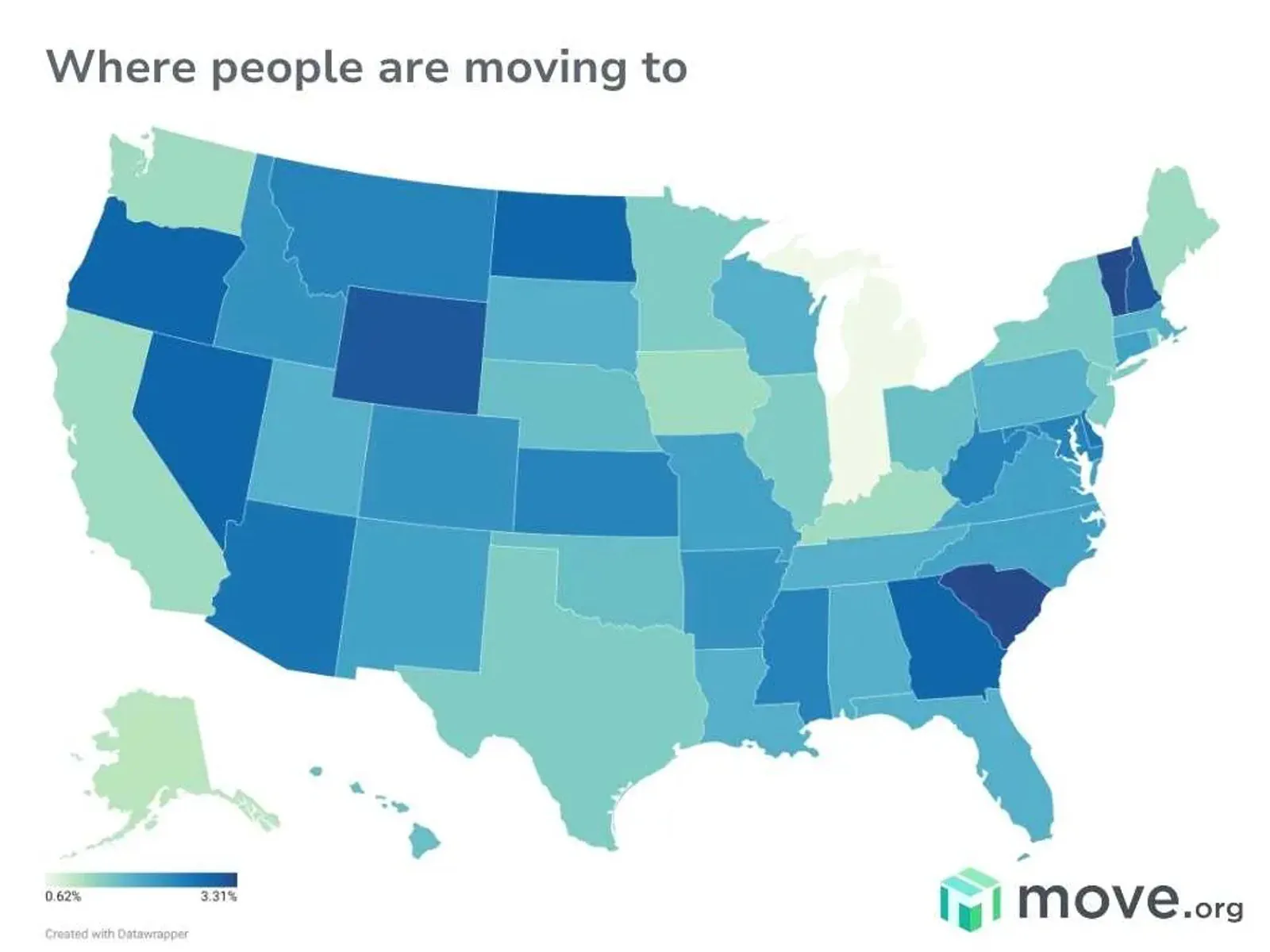
The most common reasons Americans move are for new jobs or job transfers, to be closer to family, and to find a lower cost of living or better housing. Satisfaction after a move is mixed: while many are ultimately happy with the outcome, the process itself is often stressful—especially when costs run over budget or communication breaks down. Careful planning, getting multiple quotes, and documenting every stage can turn a potentially chaotic move into a manageable one.
Move.org partnered with Pollfish to survey 2,500 people across all 50 states, asking why they relocated, how they moved, and how much they spent. The insights paint a picture of a country on the move—and highlight the gap between expectations and reality. At the same time, the Better Moves Project from moveBuddha collects full, unvarnished moving stories from real people, giving us an honest look at satisfaction levels once the truck pulls away.

The survey revealed a clear hierarchy of reasons. Job changes—whether a new position, a transfer, or the search for better opportunities—led the list. Close behind was the desire to be near family, followed by a need for a lower cost of living or more affordable housing. Other common drivers included lifestyle changes, like a preference for a different climate, and major life events such as marriage or retirement.
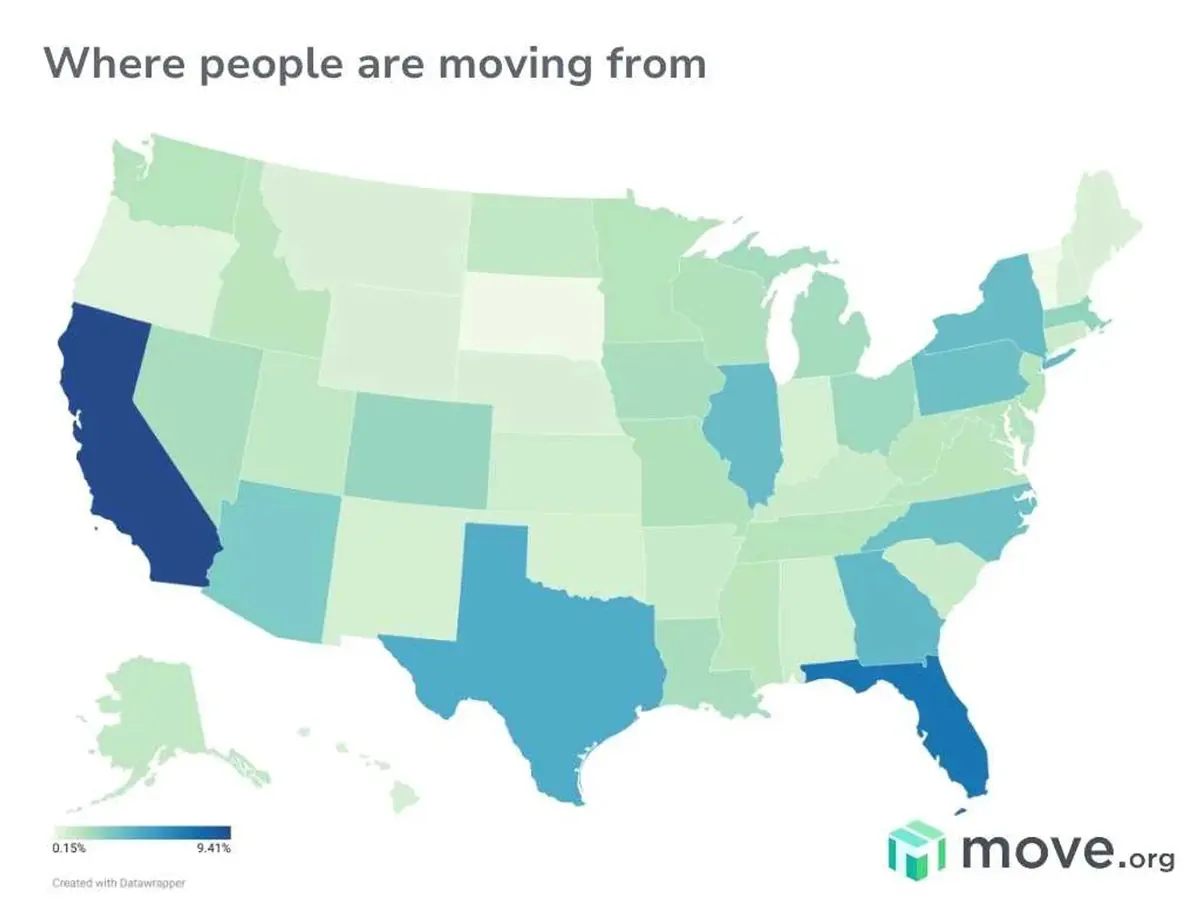
Data from the survey and the Better Moves Project shows that satisfaction is rarely a simple yes or no. Most people are glad they moved once they’re settled, but the moving process itself is a major pain point. Common complaints include costs that exceed the estimate, movers who arrive late, and poor communication during transit. On the flip side, movers who stay on schedule, protect belongings carefully, and communicate proactively earn high marks.
| Satisfying move | Stressful move |
|---|---|
| Final cost aligns with the estimate | Multiple surprise fees and a final bill far above the quote |
| Movers arrive on time and deliver as promised | Late arrival, delayed delivery, and no clear updates |
| Belongings arrive without damage | Damaged or missing items, difficult claims process |
| Proactive communication at every stage | Hard to reach the company, vague answers |
The Better Moves Project, which documents full moving experiences from quote to delivery, offers a blueprint for a smoother relocation. Based on what successful participants do, here are the steps that consistently lead to fewer surprises and higher satisfaction.
Comparing estimates from different movers gives you a realistic sense of market rates and helps you spot outliers. Ask for binding or not‑to‑exceed estimates to lock in your price.
Take photos of your belongings before packing, capture screenshots of quotes and written communication, and keep a simple log of phone calls. This creates a paper trail if anything goes wrong.
For interstate moves, verify the company’s USDOT number and check complaint history on the FMCSA website. For in‑state moves, look up your state’s regulatory body.
Label boxes clearly, separate valuables you’ll transport yourself, and have a plan for kids or pets. The more organized you are when the truck arrives, the faster and safer the loading will be.
Basic carrier liability offers minimal coverage. Consider full‑value protection or third‑party moving insurance for high‑value items. Understand the claims process before you sign.

Was the total within 10–15% of the binding quote? If not, identify the reason—extra services, weight, or packing supplies—and address it with the mover.
Did the movers arrive on the scheduled day and deliver within the promised window? Delays are common, but consistent communication can make them tolerable.
Inspect everything as it’s unloaded. Note any damage on the inventory sheet before signing. File a claim immediately if necessary.
Did the company keep you informed throughout? A responsive point of contact often correlates with a positive overall experience.
SUMMARY
Americans most often move for jobs, family, and affordability. Satisfaction is rarely about a perfect move—it’s about a move where the final cost is fair, the movers are reliable, and your belongings arrive safely. By treating your move like a documented project, you can avoid the most common disappointments and land on the other side with a smile.
Common questions
Job changes and transfers are the most frequently cited reason, according to the Move.org survey of 2,500 Americans.
Overall satisfaction is high once people are settled, but the process itself is often stressful. The biggest factors that lower satisfaction are surprise costs, delayed delivery, and poor communication.
Generally, no. Federal interstate moving regulations apply only when you cross state lines. For moves within a single state, your state’s own laws and licensing requirements govern the mover, so consumer protections can differ.