Where does the moving experience typically break down between booking and move day?
Industry leaders describe the stretch after the booking confirmation as a fragile handoff zone, where tone, expectations, and accountability quietly shift from one person or team to the next.
The experience rarely collapses in one dramatic moment. It drifts during the handoffs after the estimate and booking: between the salesperson and the operations team, between the office and the crew, and between partners that share a single customer. Each transition is a chance for tone, expectations, and accountability to fall out of sync, so by move day the crew feels like strangers compared with the people who sold the job.
Most moving customers remember the booking call as the high point of the relationship. Someone listened, walked the home or video-surveyed it, gave a real number, and earned trust. What happens between that handshake and the truck pulling up on move day is where the experience typically fractures, and the industry has a name for it: brand drift.
The handoff zone is where trust leaks out
A member commentary published in the Canadian Association of Movers newsletter frames the problem bluntly. Most moving companies do not have a customer experience problem; they have an ownership problem. The services are defined, the operations are strong, and the intent is real, but once the booking is done, no single person feels responsible for how the rest unfolds.
That is the window where the tone set at booking often evaporates. The salesperson sounded like a partner; the dispatcher sounds like a vendor; the crew shows up with a clipboard and a clock running. None of those moments is catastrophic on its own. Together, they tell the customer that the company they hired is not quite the company that showed up.
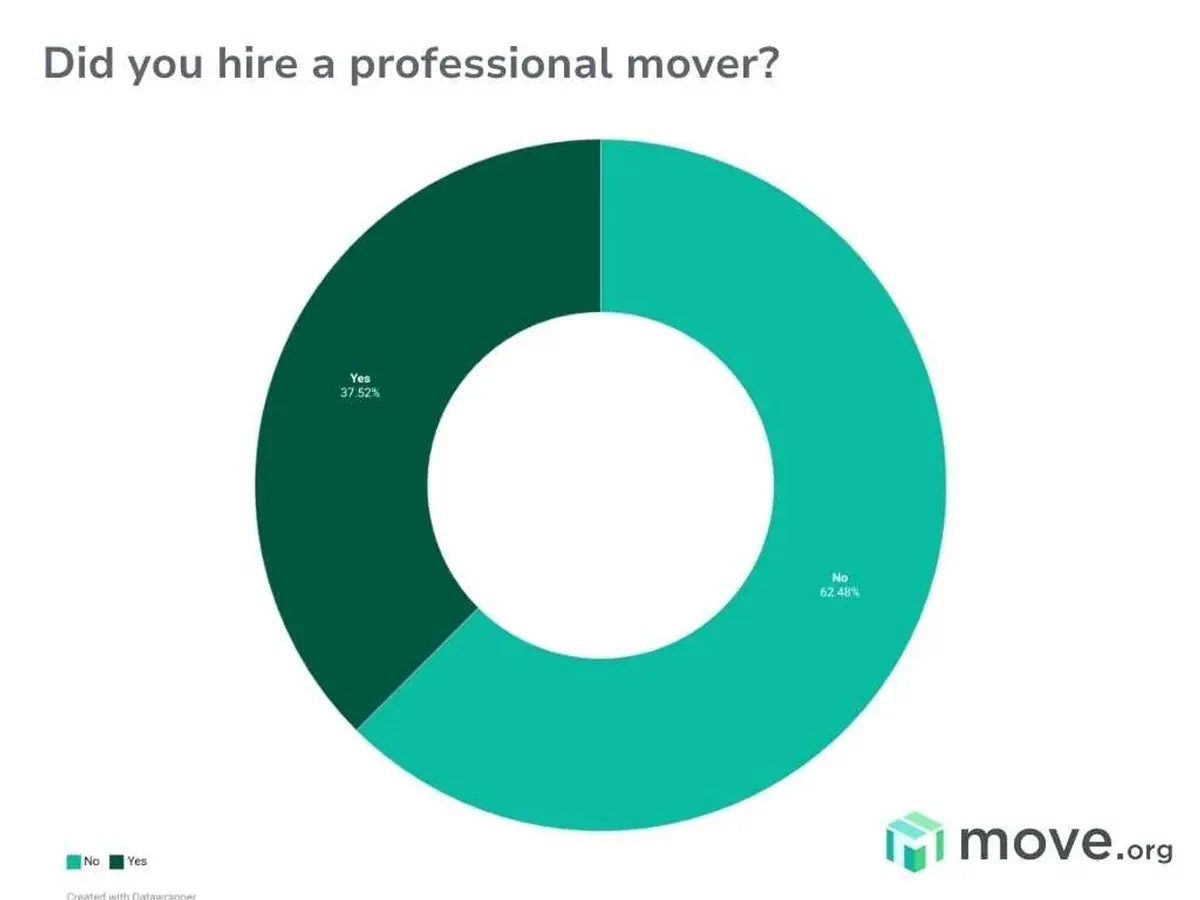
Most move customers do hire a professional, which means the handoff from booking to crew is the moment the relationship is won or lost.
Three handoffs that almost always go wrong
Move.org's 2025 State of Moving survey of 2,500 respondents across all 50 states confirms that hiring a professional mover is the dominant choice, which means the post-booking handoff is the moment the relationship is won or lost for the majority of households. The industry commentary points to the same three weak seams every time.
The seams where the experience usually breaks
From the estimator or salesperson to the dispatcher: details about access, stairs, fragile items, and timing often do not make it into the job notes the crew actually sees.
From the office to the operations team: what the customer was promised verbally is not always what the crew was told to deliver, especially when a partner or referral network is involved.
From the company to the partner or subcontracted crew: when the work changes hands, the customer suddenly feels the difference between one brand and several.
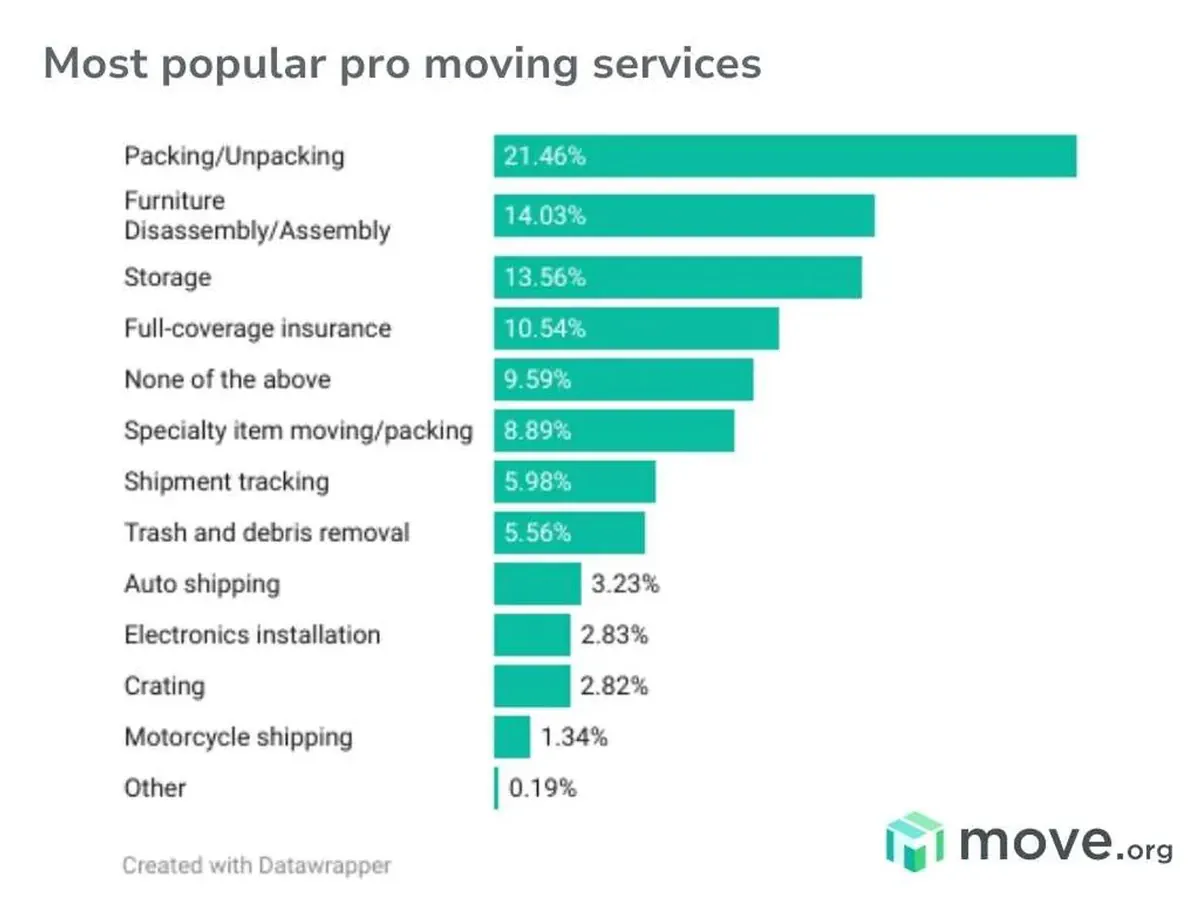
Packing and unpacking is the most-requested add-on, which makes the booking-to-crew handoff even more important, since the crew is handling the most fragile part of the job.
Why the customer feels it even when the move is technically fine
Customers do not separate their experience into departments, partners, or touchpoints. To them it is one brand, one promise, one move. That is why the industry framing is so blunt: if the experience is not an eight or above, it might as well be a zero. Belongings can arrive safely and the customer can still walk away feeling let down.
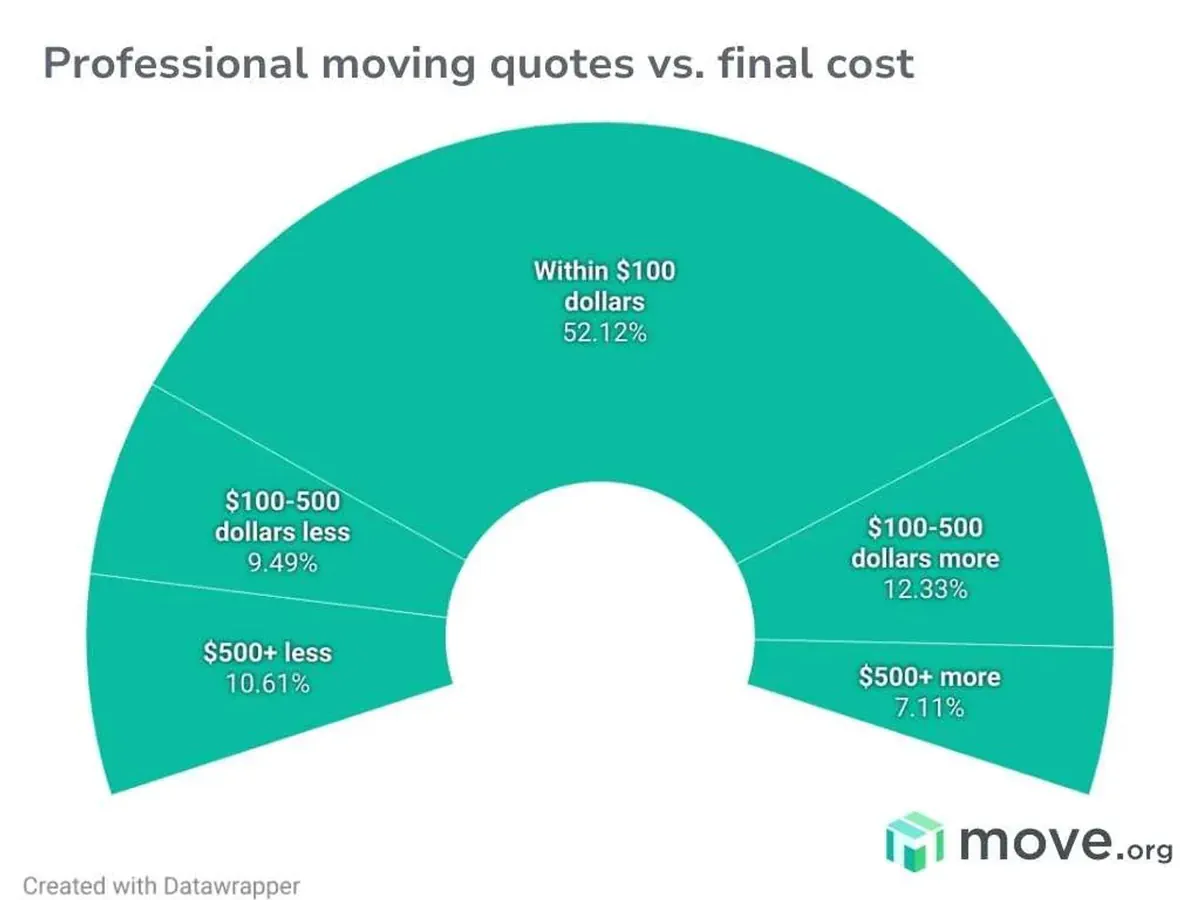
Move.org's survey data backs this up. Most professional quotes land within roughly $100 of the final bill, so the financial surprises that used to dominate moving horror stories are less common. What is left is the softer stuff: did the crew show up on time, did they know the plan, did anyone call when something changed, did the tone match what was promised.
Quote accuracy is no longer the main complaint. The remaining friction lives in communication, tone, and continuity between booking and move day.
What the fix looks like from the inside
The commentary recommends assigning accountability for the experience itself, not just for the move. That means a named person or team owns the customer from estimate through delivery, the job notes the crew receives match what the customer was told, and partners are held to the same standard the company set at booking. When handoffs are aligned, the operations team has clarity, the customer has confidence, and the company spends less time putting out fires.
How a customer can pressure-test the handoff before booking
01
Ask who owns your account after you sign
Request a single point of contact for the day of the move and a backup. If the answer is vague, expect drift.
02
Get the plan in writing, not just the price
Ask for an email confirming access notes, stairs, elevator reservations, fragile items, and timing. That document is what should reach the crew.
03
Ask whether the crew is in-house or subcontracted
If work is shared with partners, ask how the company trains or audits them on the same standard you were quoted.
04
Set the communication cadence in advance
Agree on who calls when, how ETA changes are handled, and how last-minute changes are confirmed in writing.
05
Use move day to validate the handoff
When the crew arrives, ask whether the access plan matches what you discussed at booking. If not, flag it immediately so the office can correct course.
When federal interstate rules do not protect your in-state move
The federal interstate moving framework only kicks in when a shipment crosses state lines. For a move that starts and ends inside the same state, most of the consumer protections people quote from federal mover guides simply do not apply. Your state utility commission, your state department of transportation, or your state's household goods carrier rules are usually the rules that govern the move. Coverage, arbitration options, valuation limits, and required disclosures can all be different, and in some states there is no specific licensing for local movers at all. Before you book, check your state's mover licensing or registration list and confirm which agency, if any, has authority over the company you are hiring. If the company only holds an interstate USDOT number, that registration does not by itself authorize an in-state move.
SUMMARY
The bottom line
The moving experience does not usually break at the booking desk or on the truck. It breaks in the middle, when the people who sold the job hand the customer to the people who run the job. If you want a move that feels like the company you thought you hired, choose a mover that can name the person who owns your account end to end, get the plan in writing, and confirm the crew is actually operating under the same standard you were quoted.
Common questions
Before you move on
What is the most common reason a move feels like it went wrong even when nothing was damaged?+
Tone and continuity. The crew that arrives often sounds like a different company than the one that gave the estimate, and small communication gaps pile up until the customer feels the experience drifted from what was promised.
How can I tell during booking whether a mover will have a good handoff?+
Ask who owns your account on move day, whether the crew is in-house or subcontracted, and whether you will receive a written confirmation of the access and timing plan. Clear answers to all three usually predict a clean handoff.
Do federal interstate moving rules apply to a local in-state move?+
Generally no. Federal household goods rules apply to interstate shipments. In-state moves are typically governed by your state's utility commission, department of transportation, or a specific state mover law, and the protections, licensing requirements, and dispute options can be very different.