Which smart home hub should I buy in 2026 if I want different brands of devices to actually work together?
A practical comparison of the 2026 smart home hubs that best bridge competing brands, plus how to decide between Matter-first and ecosystem-first picks.
If brand-agnostic compatibility is the priority, buy the Aeotec Smart Home Hub: it speaks Zigbee, Z-Wave, Thread and Matter and runs on SmartThings, so locks from one maker and lights from another can sit in the same app and the same routines. If you're already committed to Alexa, Google Home or Apple Home, pick the hub that matches that ecosystem and lean on Matter to bridge the rest.
The hub you choose sets the ceiling for how many brands can share one screen. In 2026 the practical decision isn't which ecosystem is best in the abstract — it's whether you want one neutral hub that speaks every common protocol, or you'd rather build around the voice assistant you already use and let Matter do the bridging. The Aeotec Smart Home Hub is the strongest answer for the first camp; the Amazon Echo Dot Max, Apple HomePod (2nd Generation) and the current Google Home pick cover the second.
Aeotec Smart Home Hub, the protocol-agnostic pick that handles Zigbee, Z-Wave, Thread and Matter in one box.
What "working together" actually requires
Two devices from different brands can sit in the same home and still not talk to each other unless something translates. That translator is a hub that supports the protocols those devices use. The four protocols that matter most in 2026 are Wi-Fi, Bluetooth, Zigbee and Z-Wave, with Thread (a low-power mesh radio) layered on top through Matter. A hub that supports all of them — like the Aeotec — can pick up a Hue bulb, a Yale lock, a Nest thermostat and a Thread-based sensor without separate bridges for each brand.
The 2026 shortlist at a glance
How the top 2026 hubs compare on cross-brand compatibility
Hub
Best for
Protocols supported
Notable trade-off
Aeotec Smart Home Hub
Most compatible overall; runs SmartThings
Wi-Fi, Bluetooth, Zigbee, Z-Wave, Thread, Matter
No HomeKit support; no battery backup
Amazon Echo Dot Max
Alexa households
Wi-Fi, Bluetooth, Matter; works as eero satellite
Most cross-brand power unlocked with $20/month Alexa+
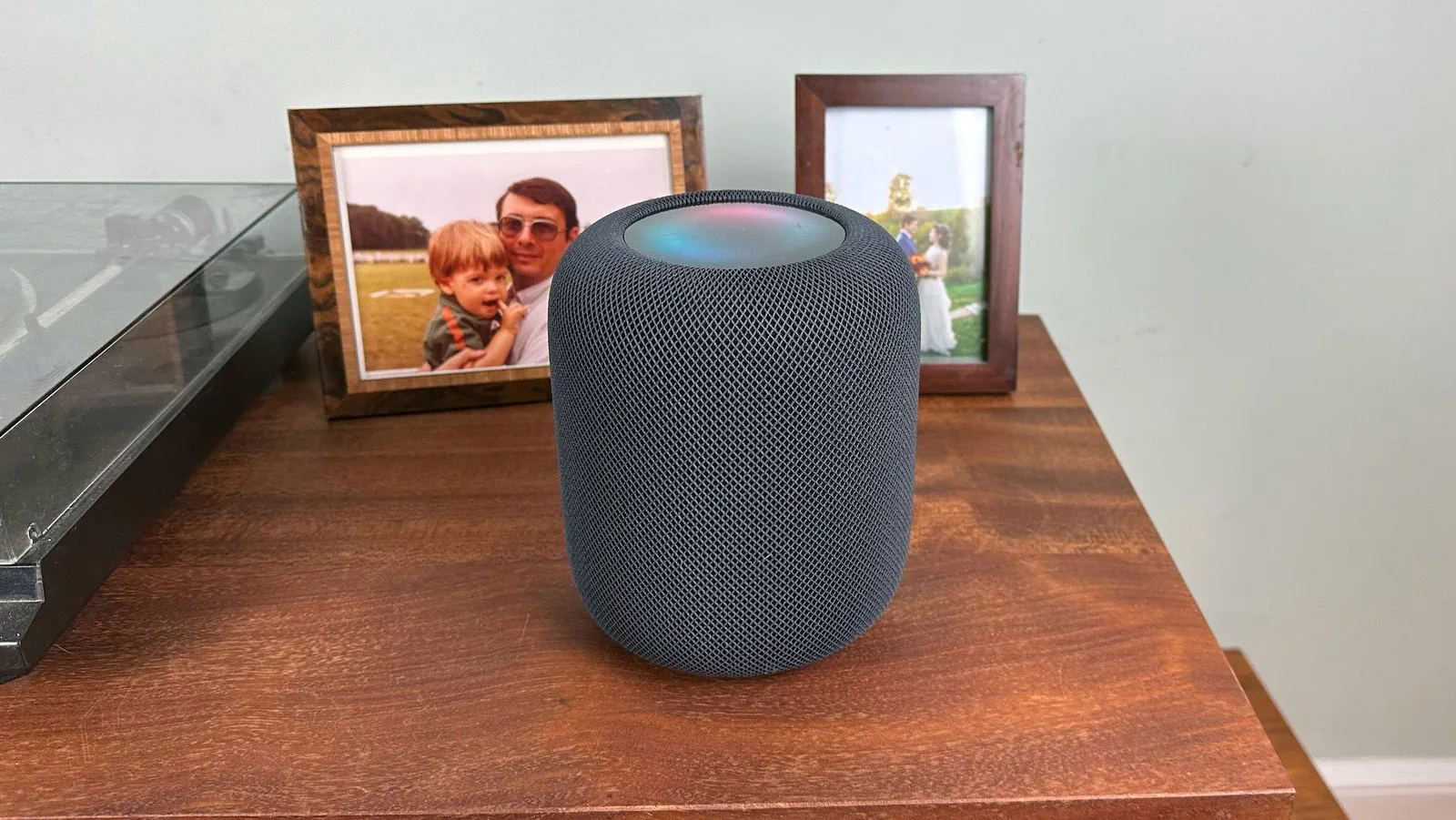
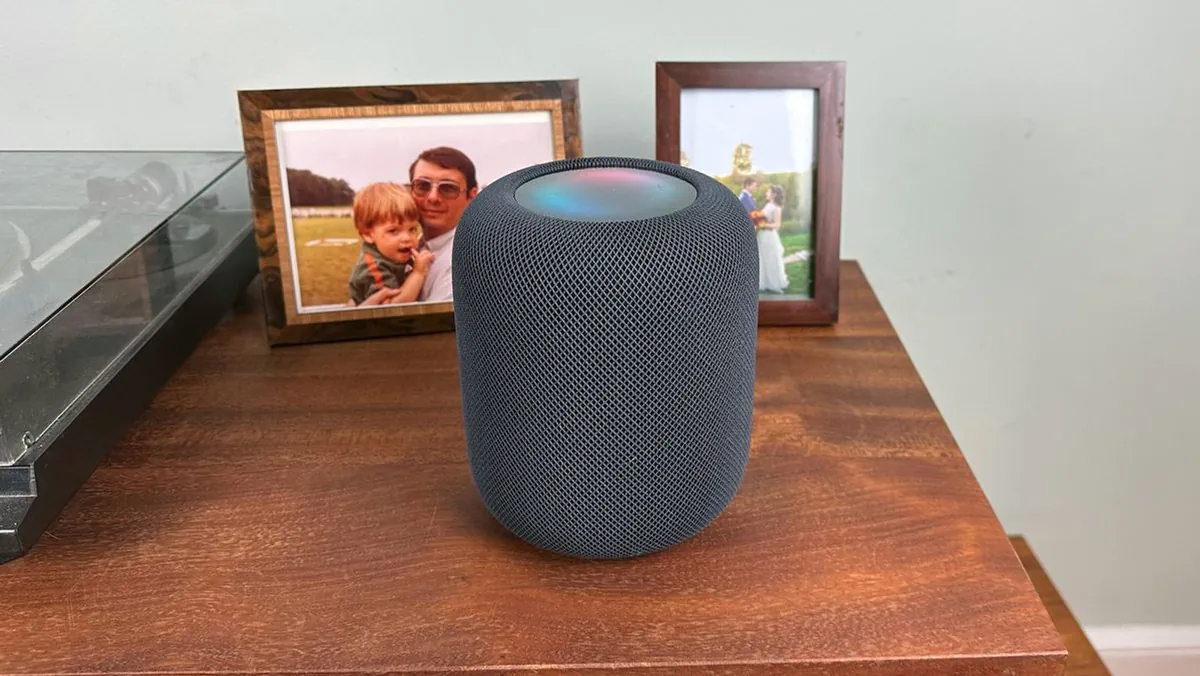
Apple HomePod (2nd Generation) — the HomeKit anchor, with Matter support for adding non-Apple devices.
How to choose without overbuying
A four-step decision process
01
Inventory the devices you already own or plan to buy.
Check each one's box or spec sheet for Matter, Thread, Zigbee or Z-Wave logos. A hub only bridges protocols it actually supports.
02
Pick the ecosystem that matches your phone and voice habits.
iPhone-heavy household leaning Siri and HomeKit → HomePod (2nd Gen). Alexa household → Echo Dot Max. Android/Google Assistant household → the current Google Home speaker.
03
Decide whether neutrality beats ecosystem depth.
If you want Zigbee and Z-Wave devices from many brands coexisting in one app, Aeotec wins. If most of your gear is already Wi-Fi or Matter and you're happy inside one ecosystem, the matching smart speaker is plenty.
04
Plan for two- or three-room coverage from the start.
Smart speakers are cheap enough to scatter one per main room. A single central hub like Aeotec usually covers a whole home, so place it near the router for the cleanest mesh.
Before you buy, confirm these five things
✓
Matter support
Look for the Matter logo on the box. Without it, you lose the easiest path to cross-brand control.
✓
Thread border router
The Aeotec and HomePod (2nd Gen) both act as Thread border routers, which future-proofs battery-powered sensors.
✓
Zigbee/Z-Wave radios
Only the Aeotec covers both. Skip these only if none of your devices use them.
✓
Voice assistant match
Buying an Echo won't help in a HomeKit-only household, and a HomePod won't satisfy an Alexa-first family.
✓
Backup plan for outages
The Aeotec has no battery backup; if that matters, pair it with a small UPS or accept that routines stop running during a power cut.
Common traps that look like compatibility
Surprises to plan around
A Matter device still needs a Matter controller hub. Buying a Matter bulb without a hub that supports Matter leaves it stranded.
The Echo Dot (5th Gen) is the cheapest entry, but it skips Zigbee and Z-Wave entirely — fine for plug-and-play gear, limiting for Hue bulbs and many locks.
Echo Dot Max's smarter routines are gated behind the $20/month Alexa+ subscription; the basic Alexa experience is unchanged from prior Echo generations.
Aeotec's app is more powerful than Alexa or HomeKit, but that power comes with a learning curve. Plan a weekend for the first setup.
HomeKit remains the most walled garden of the three ecosystems. Even with Matter, some advanced device features stay locked behind Apple-approved firmware.
An Amazon Echo Dot Max on a shelf — the Alexa pick that doubles as an eero Wi-Fi extender.
Matching the hub to the household
Quick recommendations by situation
Mixed-brand home with Zigbee locks, Z-Wave sensors and a Hue bridge: Aeotec Smart Home Hub.
Mostly Wi-Fi/Matter devices, Alexa already running the household: Echo Dot Max, one per main room.
First smart home, small apartment, tight budget: Echo Dot (5th Gen) and a couple of Matter smart plugs.
All-Apple household that wants premium audio and HomeKit: HomePod (2nd Generation).
Google Assistant household: pick the current Google Home speaker Tom's Guide currently rates highest and verify Matter support before purchase.
SUMMARY
The bottom line
If brand-agnostic compatibility is the goal, buy the Aeotec Smart Home Hub — it's the only mainstream 2026 pick that speaks Zigbee, Z-Wave, Thread and Matter in one box and exposes them all through SmartThings. If your house is already aligned with one voice assistant, buy the matching hub (Echo Dot Max for Alexa, HomePod 2nd Gen for Apple, current Google Home for Google) and rely on Matter to absorb everything else. Most households end up happiest starting with one ecosystem hub, then adding Aeotec later if Zigbee or Z-Wave devices show up.
Common questions
Before you move on
Do I still need a hub if all my devices say "Matter-compatible"?+
Yes. Matter is a language, not a controller. You still need a Matter-compatible hub — Aeotec, HomePod 2nd Gen, Echo Dot Max or a current Google Home — to expose those devices to your app and routines.
Can one hub really control devices from different brands?+
Yes, as long as both the hub and each device speak a common protocol. The Aeotec covers Wi-Fi, Bluetooth, Zigbee, Z-Wave, Thread and Matter, which is why it tops most-brand-compatibility lists in 2026.
Is a cheaper smart speaker good enough as a hub?+
For Wi-Fi and Matter devices, yes — the Echo Dot (5th Gen) handles both at the lowest price. It won't bridge Zigbee or Z-Wave devices, so skip it if your gear uses those.
What happens to my smart home if the hub goes offline?+
Locally triggered routines (most Zigbee/Z-Wave pairings on Aeotec) keep working. Cloud-dependent routines — Alexa+, Google routines, HomeKit automations that hit the internet — usually pause until the hub and router are back.