What should I look for when choosing new windows for my home?
Frame material, energy ratings, operating style, and placement all shape how a new window actually performs. Here's how to weigh the trade-offs before you commit.
Start with the frame material (wood, vinyl, aluminum, or fiberglass/composite) and climate-appropriate energy ratings (U-factor and SHGC), then match the operating style and size to the room. The right window balances privacy, daylight, efficiency, and how comfortable it feels to live with for the next 20 to 30 years.
Windows do more than frame a view. They shape how a house looks, how it feels to sit beside one on a cold morning, and how much you spend to heat and cool the place for the next two or three decades. Most buyers focus first on style and price, but the choices that actually pay off over the life of the window are the frame material, the climate-tuned energy ratings, and the operating type that fits each room. Get those right and the look almost takes care of itself.
Frame material sets the baseline
Each frame material has a different balance of cost, maintenance, and thermal performance. The right pick depends on your budget, your climate, and how much upkeep you're willing to take on. Wood still sets the standard for warmth and feel, vinyl delivers most of the performance at the lowest cost, aluminum trades insulation for a slim modern profile, and fiberglass and composite frames split the difference in price while topping most categories for durability.
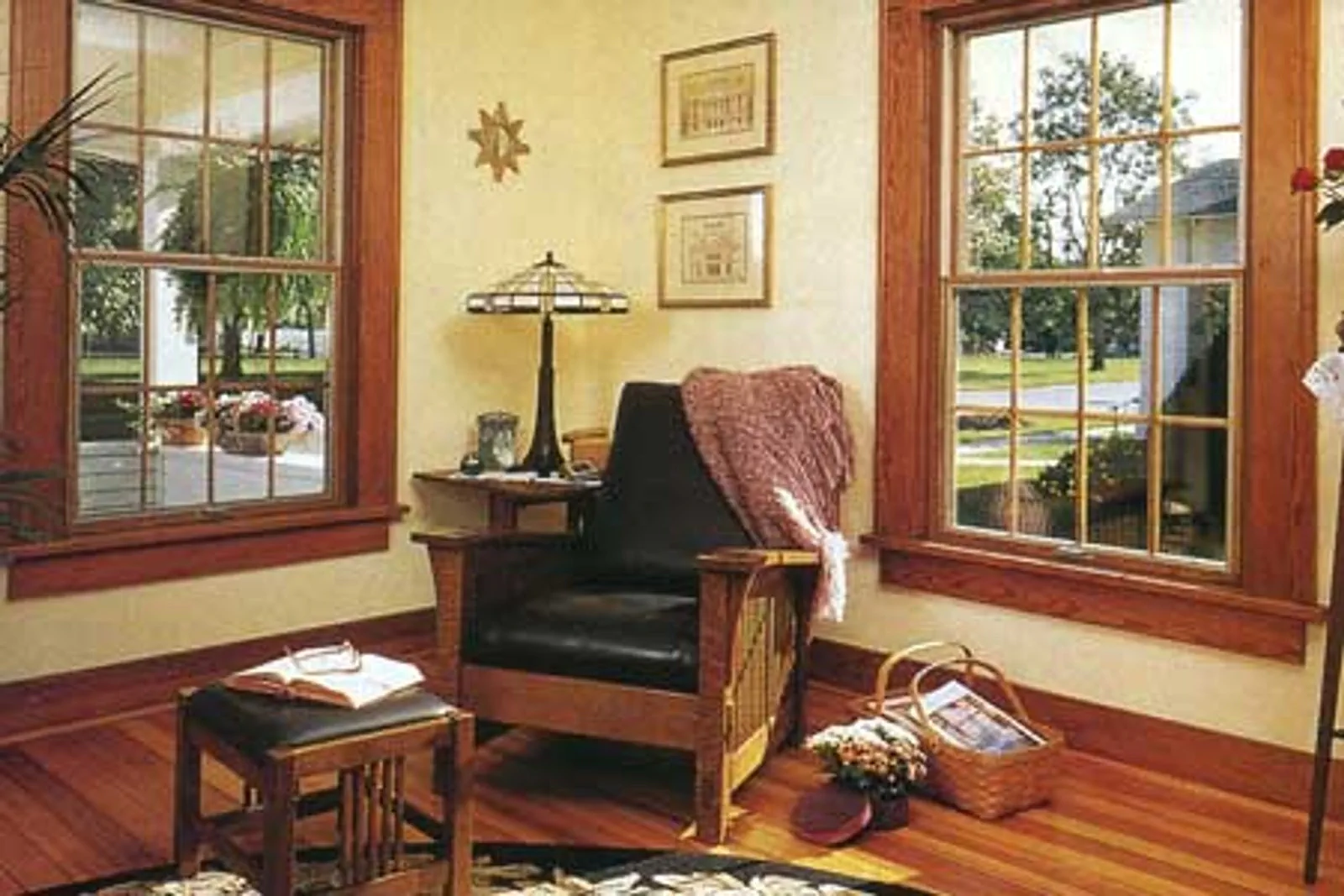
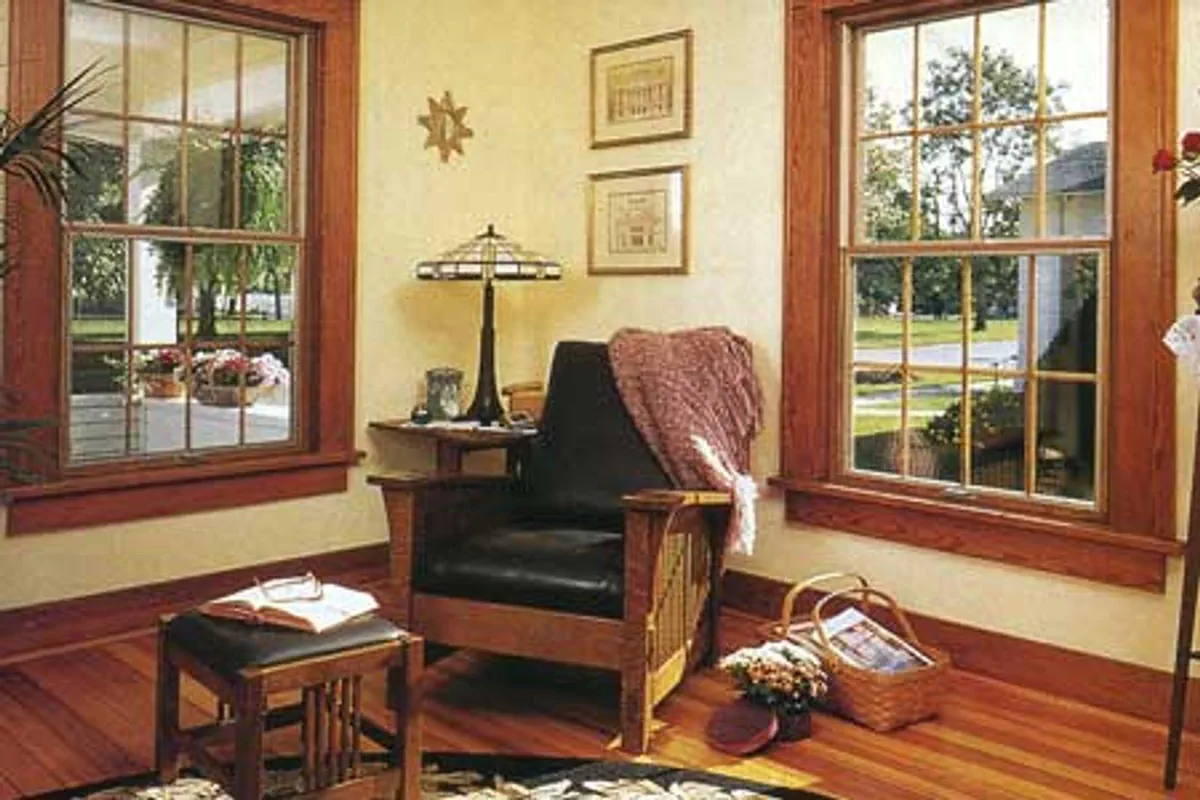
Seeing a window in a real room is the fastest way to judge how a frame material, finish, and operating style will read once it's installed in your own home.
Frame materials at a glance
Material
Strengths
Watch out for
Cost feel
Wood
Premium look, strong insulator, paintable or stainable interior
Needs exterior upkeep unless the frame is clad; highest sticker price
Highest
Vinyl
Affordable, low maintenance, never needs repainting
Limited color options from stock; look for heat-welded joints for durability
Lowest
Aluminum
Slim profile, durable, low maintenance
Poor insulator unless it has a thermal break; can feel cold or hot to the touch
Low to mid
Fiberglass and composite
Strong, paintable, more efficient than vinyl, low maintenance
Newer category; not every maker offers a full style line
Mid to high
In a recent survey of homeowners who had recently replaced their windows, fiberglass edged out other materials, with vinyl close behind, composite next, and wood still a popular pick for its look. The takeaway isn't that one material wins; it's that the smart choice depends on what you weight most. Wood and clad-wood still lead on appearance and feel, vinyl and composite deliver most of the performance at a lower cost, and aluminum really only makes sense in mild climates, for very large fixed units, or for a slim modern line.
Read the performance label before you fall in love with the look
A new window can lose heat and leak air long before the glass ever fails. The National Fenestration Rating Council (NFRC) label is the standardized way to compare any two windows on a like-for-like basis. Don't skip it just because two units look identical in a showroom.
What the NFRC label actually tells you
✓
U-factor
How fast heat passes through the whole unit, including frame and glass. Lower is better. A U-factor of 0.25 is roughly equivalent to R-4.
✓
Solar Heat Gain Coefficient (SHGC)
How much sun-driven heat the window lets in. Lower values suit hot, sunny climates; higher values can be fine in cold climates that want passive solar gain.
✓
Visible Transmittance (VT)
How much daylight passes through, on a 0 to 1 scale. Higher numbers mean more natural light. Trade off against privacy and glare.
✓
Condensation Resistance (CR)
How well the interior surface resists moisture, on a 0 to 100 scale. Higher is better, especially in cold climates and high-humidity rooms.
✓
Air leakage
Expressed in cubic feet per minute per square foot. Lower is better; many labels only confirm the unit passes a standard under 0.3 cfm, so ask for unit-specific data if it matters.
Match the operating style to the room
Common operating styles
Double-hung: two sashes that slide vertically. The most popular choice overall and a safe default for traditional architecture.
Casement: hinged on one side and cranked outward. Tight seal and good ventilation; common in contemporary and ranch-style homes.
Sliding: opens horizontally. Easy to operate and a good fit where an outward-swinging sash would get in the way.
Picture: fixed glass with no operation. Maximum daylight and view; pair with an operating window elsewhere in the room for ventilation.
Bay and bow: project outward to add interior space and light. Heavier and more expensive; confirm the wall can carry them.
Plan for light, privacy, and where the window sits on the wall
Window size and placement are about more than curb appeal. In a cold climate, south-facing glass can act as passive solar heating, and keeping a consistent head height across a wall makes mixed window widths look intentional. In a hot climate, north-facing glass is the easiest to keep cool, while east and west exposures often need shading or special glazing to handle glare and late-day heat. Inside the home, a larger window can make a small room feel bigger, while a series of smaller windows usually suits a longer wall. If you need privacy without losing daylight, consider frosted or patterned glass, blinds-between-the-glass, or a combination of clear upper panes and obscured lower panes.
Durability details that often get overlooked
Glazing, glass upgrades, and noise
Single-pane glass is essentially a museum piece in residential use today. Double-pane with an inert gas fill, usually argon and sometimes krypton, is the practical default, and triple-pane earns its higher cost in very cold climates, in rooms with large north-facing glass, or anywhere noise is a real issue. Low-emissivity (low-E) coatings add about 10% to 15% to the per-window price and meaningfully cut both heat loss in winter and heat gain in summer, which is why almost every modern window ships with one. For hurricane zones, impact-resistant glass adds a layer of security; for anyone near a busy road, laminated glass does more for noise reduction than most buyers expect.
SUMMARY
The bottom line
Choose the frame material that matches your budget and tolerance for upkeep, then lock in climate-appropriate U-factor and SHGC numbers using the NFRC label and your Energy Star climate zone. From there, match the operating style to the room, plan the placement for light, privacy, and views, and only step down on performance grade or impact rating if your climate genuinely doesn't demand it. The cheapest window that fogs up every January or fails the first storm isn't a bargain, no matter what the sticker says.
Common questions
Before you move on
Do I really need triple-pane glass?+
Not in most climates. Double-pane with a low-E coating and an inert gas fill handles the majority of U.S. homes well. Triple-pane starts to pay off in very cold regions, in rooms with large north-facing glass, and anywhere noise is a real issue.
How do I balance privacy and daylight?+
Pick a glass treatment that matches how close the nearest neighbor or street actually is. Frosted or patterned glass, blinds-between-the-glass, and exterior landscaping can all give you privacy without forcing you to drop to a low visible transmittance that makes the room feel cave-like.
Is Energy Star enough, or should I chase passive-house numbers?+
Energy Star is a sensible baseline for most projects. Passive-house-level U-factors and air-leakage numbers are great if the rest of the building enclosure is also designed for that level of performance, but you can spend a lot upgrading the window and barely feel it in the energy bill if the walls, roof, and air sealing are still drafty.