What window styles and trends are home builders seeing in 2026?
From floor-to-ceiling statement windows to the surprising return of glass blocks, 2026 window trends marry bold design with everyday practicality. Here’s how to harness these trends to improve privacy, light, efficiency, and operation in your home.
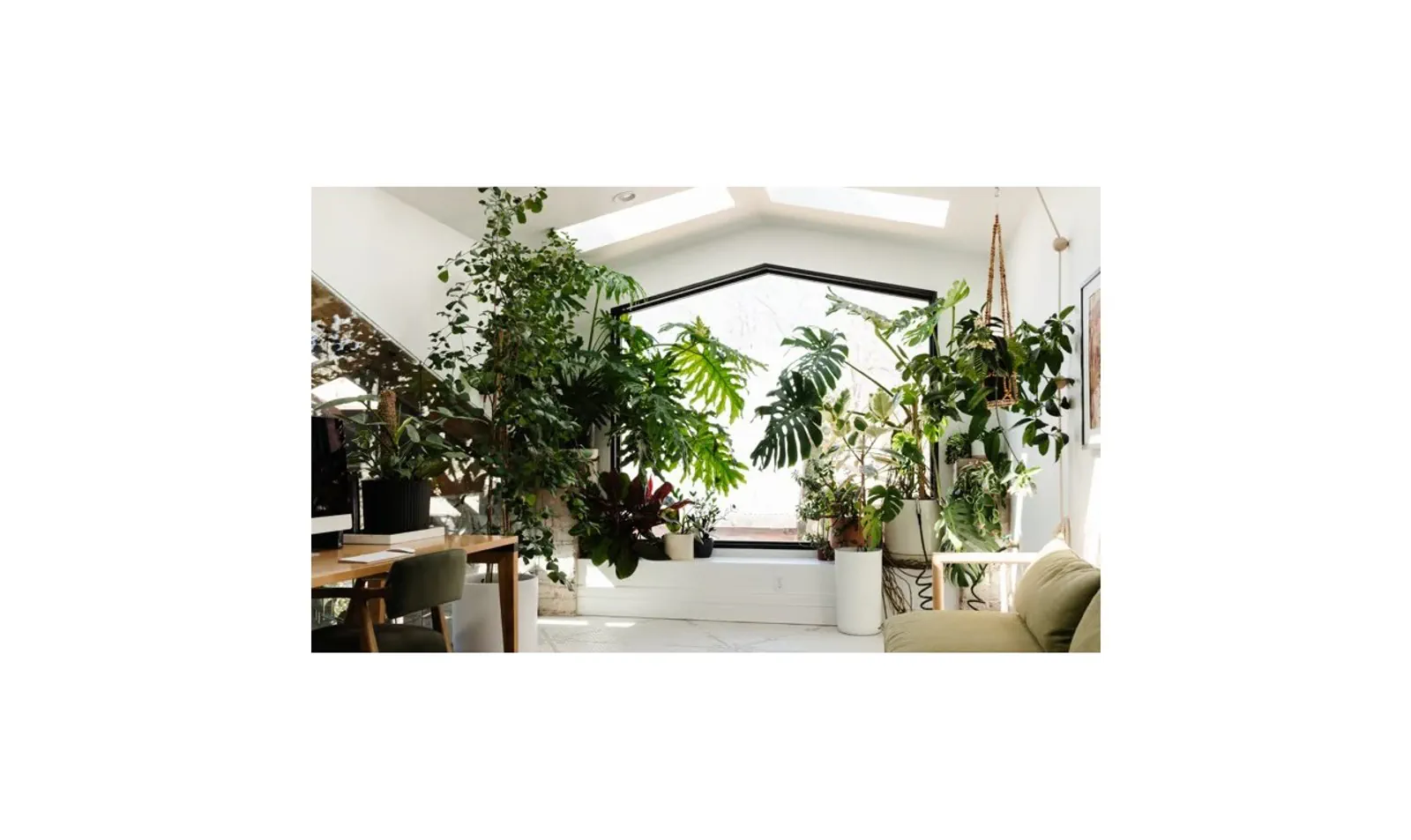
Home builders are turning windows into design focal points with oversized glass, privacy-enhancing glass blocks, heritage double-hung styles, textured exterior pairings, strategic view-framing, and serene tub windows.
Windows are no longer just functional cutouts—they’re central to how a home feels and performs. In 2026, builders are pushing boundaries with designs that prioritize abundant natural light, architectural character, and intentional sightlines, all while delivering better privacy, energy efficiency, and ease of use. The following trends, drawn from a leading home builder association’s latest report, show what’s gaining traction and how you can apply these ideas to your own home.
Design Trends Shaping Windows in 2026
Trend 1: Windows That Fill the Space. Walls are becoming canvases for light and shape. Builders are specifying floor-to-ceiling expanses and custom configurations that blur the line between indoors and out. These large-scale windows do more than elevate aesthetics; they support energy efficiency and well-being by maximizing daylight. When planning such openings, consider operable sections that allow cross-ventilation without sacrificing the dramatic look.
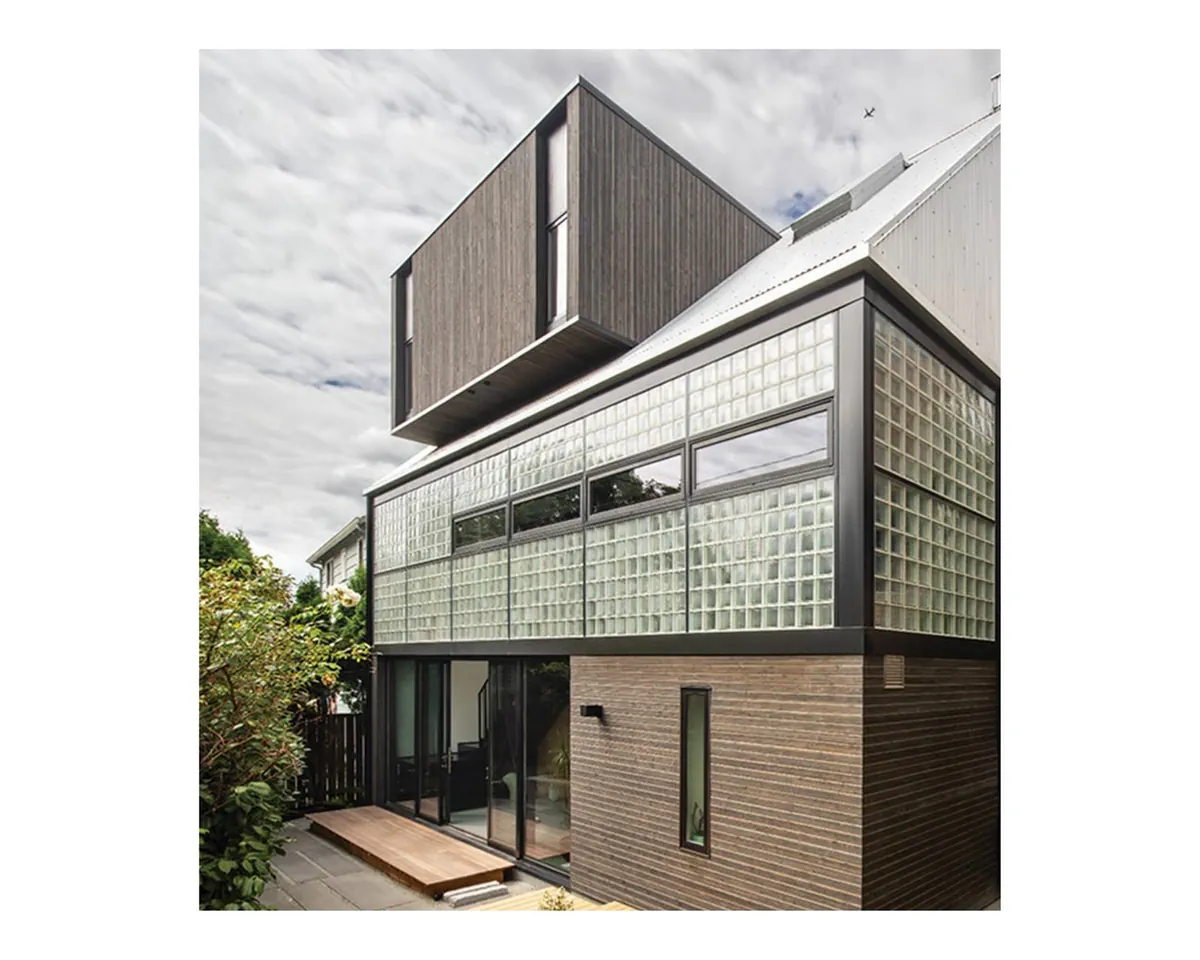
Trend 2: Glass Blocks Make a Comeback. Once iconic in mid-century design, glass blocks are being reimagined to balance transparency, privacy, and texture. An award-winning renovation, the Park Home in Ravenna, used glass blocks to create a luminous facade that filters light while obscuring direct sightlines—a perfect solution for bathrooms or street-facing walls where you want daylight without compromising privacy.
Trend 3: Double-Hung Windows and Heritage Revival. Homeowners are increasingly drawn to homes that feel rooted and timeless, even when newly built. Double-hung windows—with their classic proportions and versatile ventilation—are central to this heritage look. They allow air to flow from both top and bottom sashes, making them practical for everyday comfort while meeting historic district requirements or personal style preferences.
Trend 4: Tactile Exteriors with Textured Materials. Window choices are being paired with rugged, aging materials like wood shingles, copper gutters, and stucco. The idea is to create exteriors that patina gracefully, making windows part of a richer, more tactile facade. When selecting frames, consider finishes that complement these natural textures—wood or clad-wood windows often fit the bill.
Trend 5: Strategic Sightlines Frame the View. This trend is about intentionality: placing windows, often in unexpected spots, to capture a specific tree, garden corner, or slice of sky. It turns ordinary moments into visual experiences. Even a small, well-placed opening can transform a hallway or shower stall. Before installation, walk your rooms and identify exactly what you want to frame—then size and position accordingly.
Trend 6: Tub Windows as Tranquil Focus Points. Bathrooms are evolving into personal sanctuaries, and the tub window is a key element. An expansive pane of glass transforms the bath into a destination for rest, framing the outdoors like living artwork. For privacy, use obscured glass or position the window high enough to block sightlines while still capturing the sky or treetops.
How to Choose Windows That Deliver Privacy, Light, Efficiency, and Smooth Operation
Window Frame Materials at a Glance
| Material | Pros | Cons | Best For |
|---|---|---|---|
| Wood | Beautiful, strong, good insulation | Higher cost, requires maintenance | Traditional or heritage-styled homes |
| Vinyl | Affordable, low maintenance, good insulation | Limited color options | Budget-conscious projects |
| Aluminum | Durable, minimal maintenance | Poor insulation without thermal break | Warm climates or modern aesthetics |
| Fiberglass/Composite | Strong, low maintenance, energy efficient | Mid-range cost | Balanced performance; currently the most popular choice among homeowners |
Energy-Efficiency Checklist
- Look for the ENERGY STAR label
Certified windows are 15–40% more efficient than typical building code minimums.
- Check the NFRC label for U-value and SHGC
U-value measures insulation (lower is better). Solar Heat Gain Coefficient tells how much heat comes through—choose based on your climate.
- Opt for low-E coatings
Low-emissivity coatings reduce heat transfer without darkening the glass; newer versions also reflect unwanted summer heat.
- Consider double or triple panes with inert gas fills
Argon or krypton between panes boosts insulation. Triple-pane adds extra performance in extreme cold or noisy areas.
- Ensure proper installation
Even the best window will leak air if poorly installed. Hire experienced pros and check for tight seals.
SUMMARY
The bottom line
2026 window trends blend bold design with practical benefits. To improve privacy, light, efficiency, and operation, focus on large statement windows, glass block for privacy, heritage styles, and strategic placement. Pair these aesthetics with high-performance frames and glazing for a home that’s beautiful, comfortable, and cost-effective.
Common questions
Before you move on
Are glass block windows energy efficient?+
They provide moderate insulation—better than single-pane but less than a quality double-pane with low-E coating. Their real strength is combining daylight with privacy where you don’t want clear glass.
What window style gives the best ventilation?+
Double-hung windows allow you to open both top and bottom sashes for natural airflow. Casement windows, when fully opened, catch side breezes and can funnel fresh air inside.
Do I really need triple-pane windows?+
In most climates, a well-made double-pane window with low-E and argon is sufficient. Triple-pane is worth the extra cost if you live in an extremely cold region, face high noise levels, or want maximum energy savings in a heating-dominated climate.