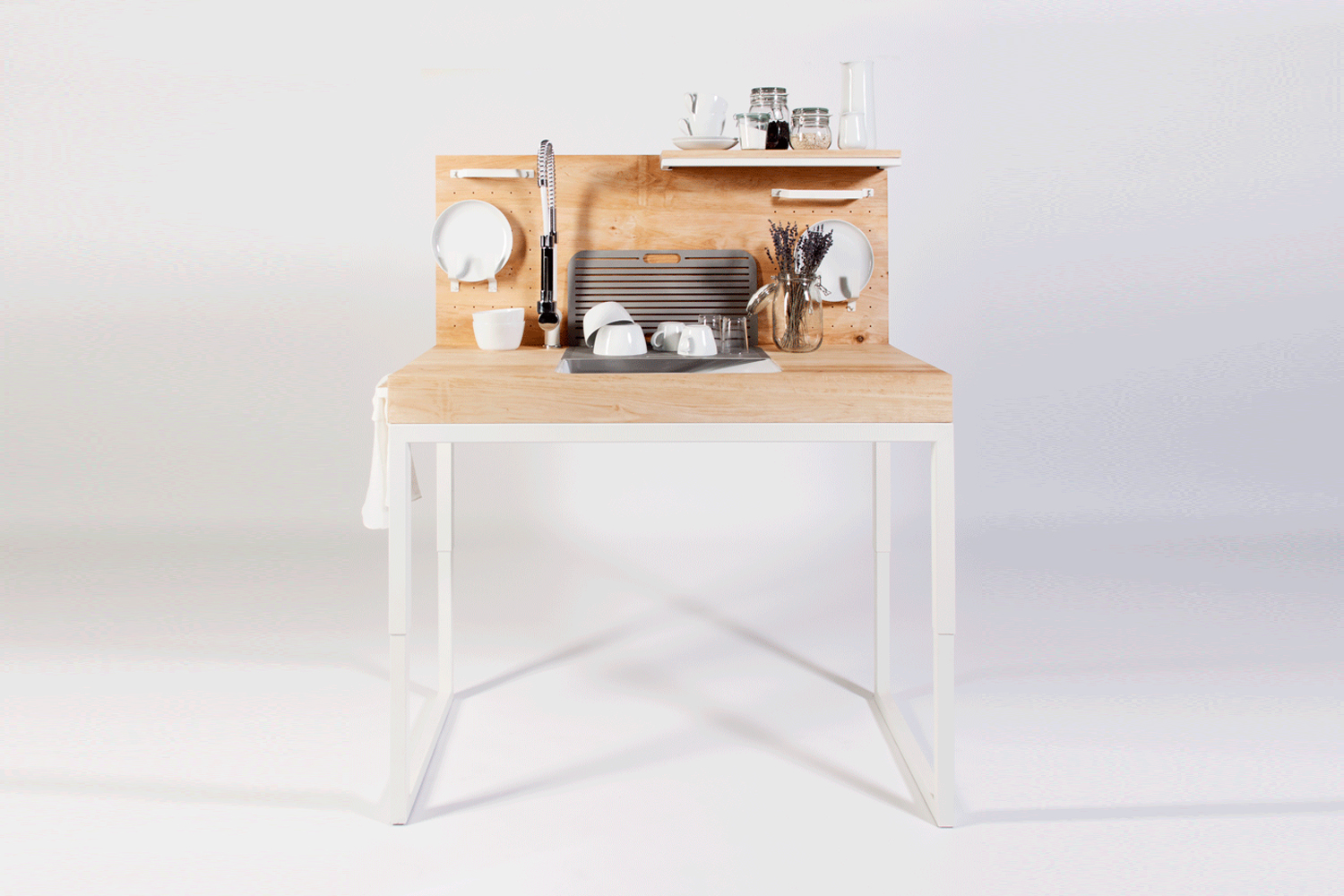
In 2026, the traditional kitchen renovation—a months-long saga of dust, permits, and permanent cabinetry—is beginning to look like a relic of the past. As urban living continues to densify, the "all-in-one" kitchen workstation has emerged as the definitive solution for the modern home. These units aren't just furniture; they are modular, self-contained systems that integrate sinks, cooktops, and prep surfaces into a single, often mobile, footprint.
Market analysis reveals a staggering 28% year-over-year growth in demand for these "plug-and-play" modules. Why? Because the modern dweller prioritizes high-end performance without the commitment of a 20-year mortgage. Whether it’s a high-rise studio or a flexible rental, these workstations maximize efficiency—internal design studies show that integrated workstation sinks alone can increase usable counter space by up to 35% in kitchens under 100 square feet. As an editor focusing on performance and long-term value, I see this shift as a victory for both functionality and aesthetic freedom.
Top 3 All-in-One Kitchen Workstations: Quick Comparison
| Feature | Best Overall: Vipp V1 | Best Budget: IKEA Äspinge | Best Luxury: Bulthaup b2 |
|---|---|---|---|
| Primary Material | Powder-coated Steel | Steel & Melamine | Oak/Walnut & Steel |
| Mobility | Fixed Modular | Semi-Portable | Full Workbench Style |
| Key Advantage | Professional Durability | Renter-Friendly Price | Architectural Statement |
| Price Range | $$$$ | $ | $$$$$ |
Why Modular is the Future for 2026 Urban Living
The shift toward modularity is driven by what we call "Rental Logic." In 2026, an investment in a high-end kitchen shouldn't be a gift to your landlord. Modular workstations allow you to take your entire kitchen setup—appliances and all—between residences. This "responsive environment" approach means your kitchen adapts to your life, not the other way around.
Technically, the "workstation" of 2026 has evolved. It’s no longer just a basin; it is a multi-functional prep zone. A standard workstation sink now features built-in ledges that support sliding accessories like professional-grade cutting boards, drying racks, and colanders. This turns the sink area from a simple cleaning station into the primary engine room of the kitchen, effectively reclaiming square footage that would otherwise be lost to drying mats and bulky boards.
The 10 Best All-in-One Kitchen Workstations of 2026
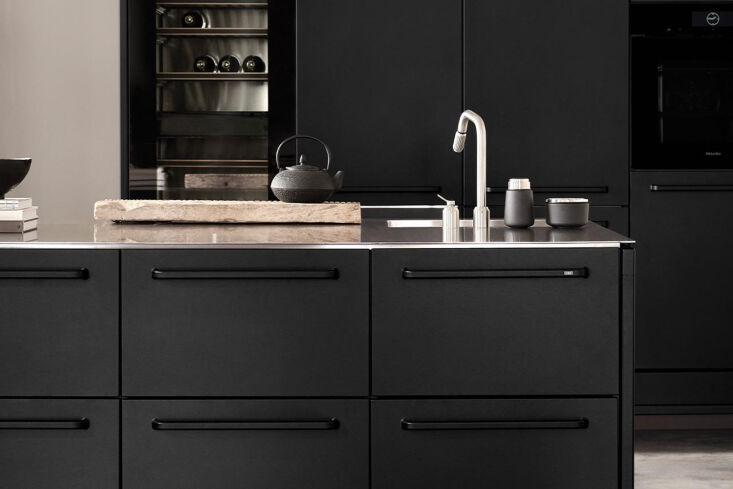
1. The High-End Design Leader: Vipp Kitchen V1 Modules
Vipp has long been the gold standard for industrial-chic, and their V1 modules remain the pinnacle of modular engineering in 2026. Built on a framework of powder-coated steel with integrated gas or induction cooktops, the V1 treats the kitchen as a piece of high-performance machinery.
- Key Features: Floating cabinets, stainless steel worktops, and signature Vipp hardware.
- Pros: Exceptional longevity; heat-resistant surfaces; timeless aesthetic.
- Cons: High initial investment; requires professional plumbing connection.
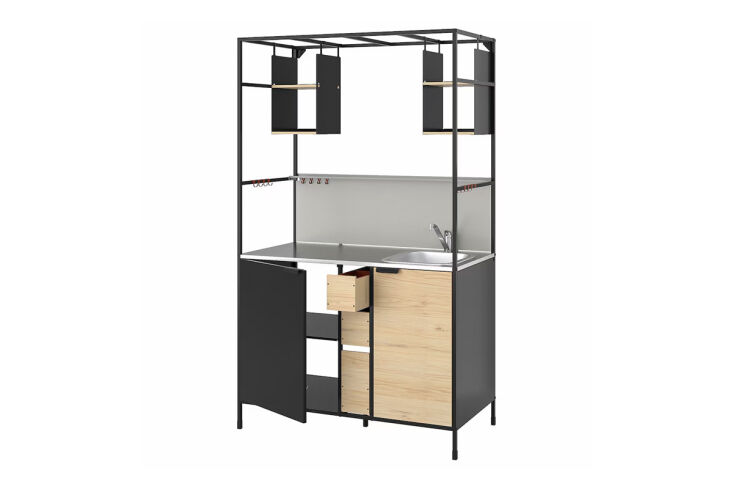
2. The Budget-Friendly Innovator: IKEA Äspinge Kitchenette
For the urban renter, the Äspinge is a game-changer. It distills the essentials—sink, storage, and a sturdy work surface—into a compact steel frame that feels significantly more premium than its price point suggests.
- Key Features: Open shelving for accessibility; compact 120cm width; integrated sink.
- Pros: Extremely affordable (~$600-$700); easy to assemble and disassemble.
- Cons: Limited integrated appliance space; requires separate cooktop module.
3. The Professional Chef’s Choice: Bulthaup b2 Workbench
The b2 is less of a kitchen and more of a "culinary workshop." By stripping away the "box" of traditional cabinetry, Bulthaup allows for a breathable, open structure where every tool is within reach.
- Key Features: Customizable widths; choice of walnut or oak worktops; professional-grade stainless sinks.
- Pros: Unmatched ergonomics; high resale value; "Quiet Luxury" appeal.
- Cons: Open storage requires high levels of organization to look good.
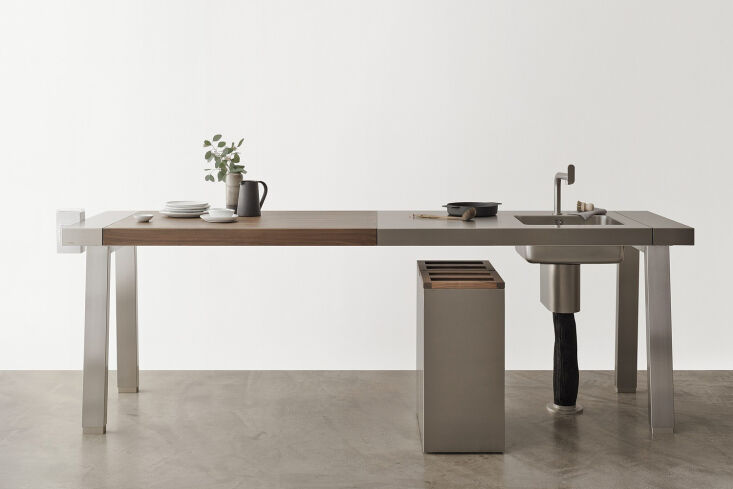
Pro-Tip: When choosing an open workbench like the b2, invest in matching storage canisters. Visual clutter can quickly overwhelm a small space when there are no cabinet doors to hide behind.
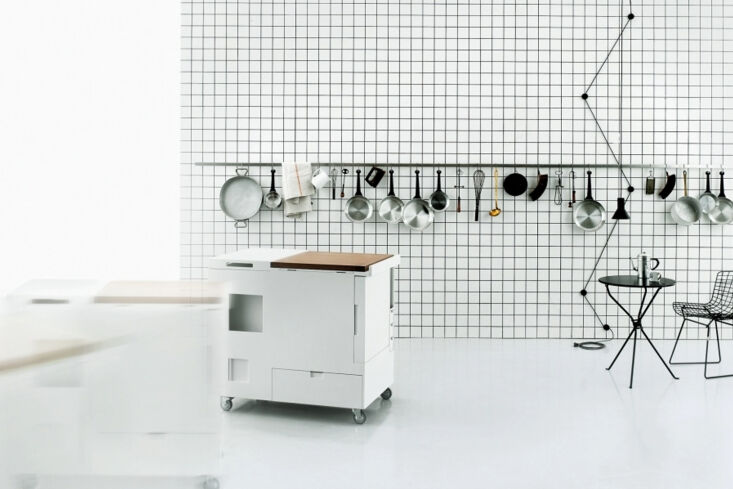
4. The Ultimate Mobility Unit: Boffi Minikitchen by Joe Colombo
Originally designed in 1963 and refined for 2026, this is a 0.5 cubic meter block on casters. It contains a mini-fridge, an induction hob, storage, and electrical sockets. It is the ultimate "plug-and-play" unit.
- Key Features: Marine plywood or Corian construction; 360-degree mobility.
- Pros: Perfect for studio apartments; no permanent installation required.
- Cons: Very limited prep surface; best used as a secondary or ultra-minimalist kitchen.
5. The Small Space Specialist: Toolbox Japan Minimalist Island
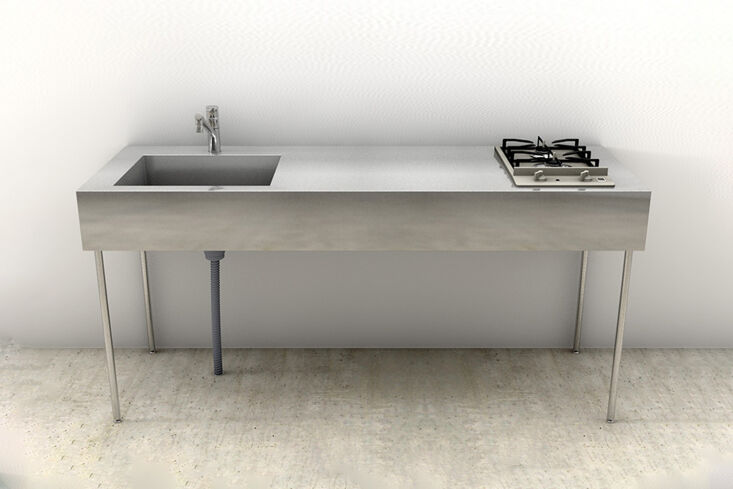
Embodying the "Japandi" trend of 2026, this unit focuses on surgical-grade stainless steel and minimalist lines. It is designed specifically for the "Tiny Apartment" movement, where every millimeter counts.
- Key Features: Deep-drawn stainless sink; single gas or induction hob; slender leg profile.
- Pros: Makes small rooms feel larger; incredibly easy to clean.
- Cons: Minimal integrated storage; requires external shelving.
6. The 2026 Tech-Forward Unit: Integrated AI Workstation Sinks
The "Smart Sink" has finally matured. In 2026, workstations like those from leading tech-kitchen brands feature UV-disinfecting zones for produce and integrated drainage sensors that prevent overflows.
- Key Features: Triple-tier ledges for sliding accessories; voice-activated faucets; integrated compost chutes.
- Pros: Turns 3 feet of space into a 6-foot prep area; hyper-hygienic.
- Cons: Requires electrical power at the sink location; higher maintenance for sensors.
7. The Indoor-Outdoor Hybrid: Lgtek UW-C3 Steel Island
As the line between patio and kitchen blurs, the UW-C3 offers a marine-grade steel construction that can survive a coastal balcony or a high-traffic indoor kitchen.
- Key Features: 316-grade stainless steel; optional teak wood accents; modular grill or hob inserts.
- Pros: Weatherproof; incredibly durable; sleek industrial look.
- Cons: Heavy; steel can show fingerprints easily (requires frequent microfiber buffing).
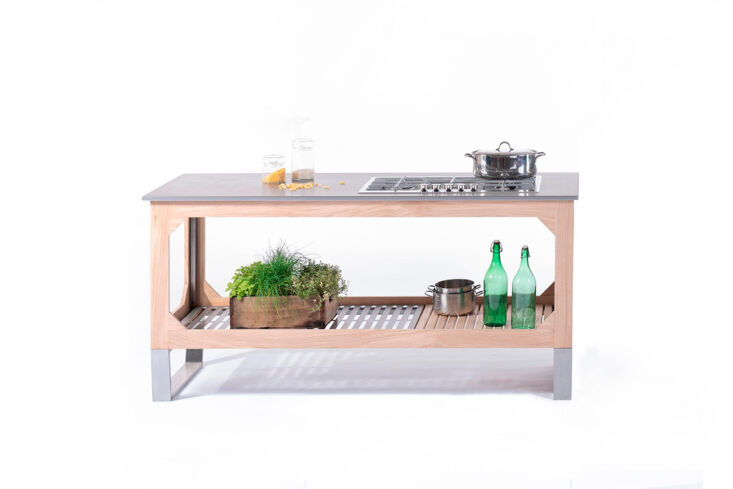
8. The Artisan Workbench: Katrin Arens 'La Cuisine'
For those rejecting the clinical look of modern appliances, Katrin Arens uses reclaimed wood to create a "Wabi-Sabi" workstation. It’s a soulful piece that prioritizes texture and history.
- Key Features: Reclaimed timber frame; stone or steel sink; handmade aesthetic.
- Pros: Every piece is unique; sustainable materials; warm, tactile feel.
- Cons: Wood requires more maintenance (oiling) than steel or stone.
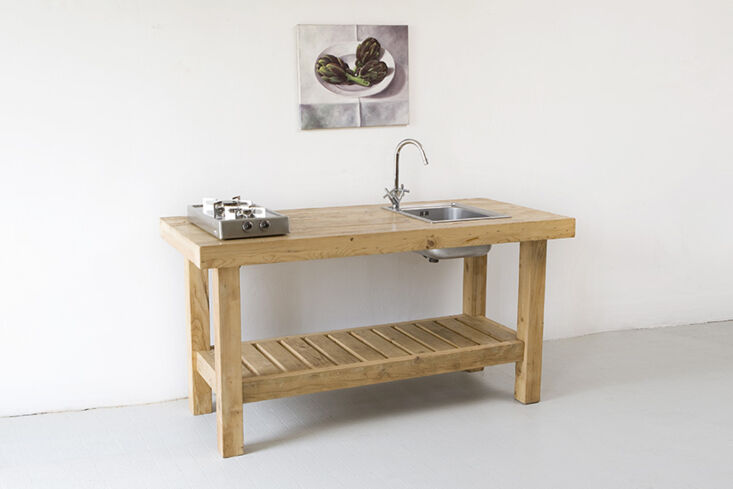
9. The Industrial Powerhouse: Alpes Inox Island Units
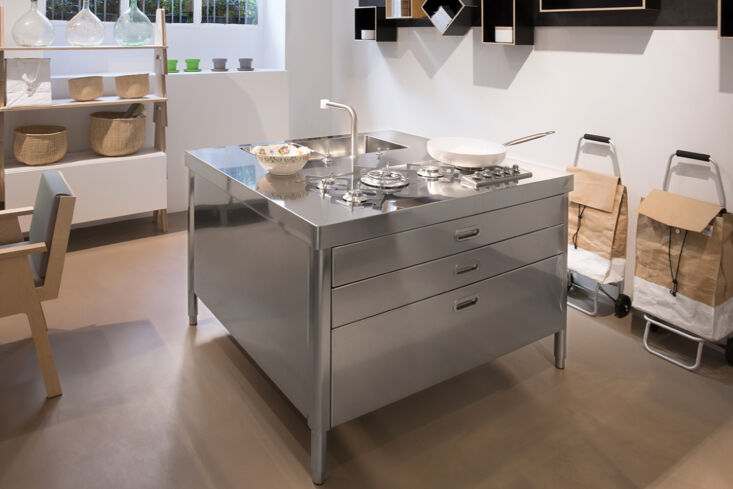
Italian engineering at its finest. Alpes Inox creates freestanding stainless units that feel like they belong in a Michelin-starred restaurant. Their signature "race-car" durability is a hallmark for 2026.
- Key Features: Integrated triple-function (sink, cooktop, drawers); rounded safety edges; heavy-duty burners.
- Pros: Professional performance; highly customizable modules.
- Cons: Industrial aesthetic can feel "cold" in traditional homes; heavy weight.
10. The Bespoke Compact: March Work Table
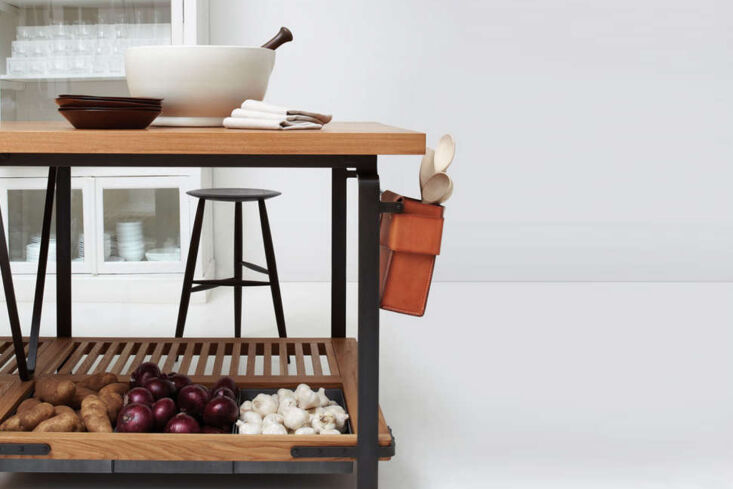
The March Work Table is where luxury furniture meets kitchen appliance. Using white oak, steel, and even leather, it is a bespoke solution for the most discerning homeowners.
- Key Features: Hand-finished wood; customized leather accessory boxes; integrated wine racks.
- Pros: Stunning furniture-grade finish; highly customizable storage.
- Cons: High price point; wood surfaces require careful protection from high heat.
Buying Guide: What to Look for in 2026
When investing in an all-in-one workstation, you aren't just buying a cabinet; you're buying a workflow. Here is what I look for during testing:
1. Workstation Sink Functionality
The sink is the heart of the unit. Ensure it features integrated ledges. In 2026, a sink without a sliding cutting board or colander system is a missed opportunity for space efficiency. Materials like fireclay offer a classic look, but 16-gauge stainless steel remains the performance king for its durability and anti-microbial properties.
2. Plug-and-Play Connectivity
For a unit to be truly "modular," it should ideally use standard electrical plugs for hobs and fridges. If you are a renter, prioritize units that don't require hard-wiring. Check for "Quick-Connect" plumbing kits that allow for easier disconnection when moving.
3. Material Durability
The 2026 aesthetic favors Matte Dark Gray and Bronze finishes. While beautiful, these can be prone to scratching. If you cook heavily, go for a brushed stainless steel or a high-quality PVD (Physical Vapor Deposition) finish, which is significantly more scratch-resistant than standard paint or powder coating.
Installation & Maintenance Tips
- The Renter Setup: Use flexible braided hoses for your water lines. They are easier to route through modular frames and much simpler to detach when your lease is up.
- Surface Care: For matte steel or stone surfaces, avoid abrasive cleaners. Use a pH-neutral spray. For the high-end industrial units like Alpes Inox, a weekly application of a specialized stainless steel protector will prevent fingerprints and water spots.
- Leveling: All-in-one units are heavy. Ensure your floor is level, or choose a unit with adjustable "leveling feet" to prevent water from pooling in the corner of your integrated sink.
FAQ
Q: Can I really take an all-in-one kitchen with me when I move? A: Yes. Units like the Boffi Minikitchen or the IKEA Äspinge are designed for exactly this. However, you will need a plumber to disconnect the main water line and drain, and you should ensure the unit fits through standard door frames (most are designed at 60cm-70cm depth for this reason).
Q: Are modular kitchens as durable as custom cabinetry? A: Often, they are more durable. Because they are freestanding, they are built with rigid frames (often steel) to remain stable without being bolted to walls. Units from brands like Vipp or Alpes Inox are designed to last 30+ years.
Q: How do integrated workstation sinks save 35% more space? A: By moving the prep work (chopping, washing, straining) into the "footprint" of the sink, you eliminate the need for separate counter space dedicated to those tasks. The sink becomes the cutting board, the colander, and the drying rack all at once.
Conclusion
The kitchen of 2026 is no longer a static room; it’s a dynamic tool. By choosing an all-in-one workstation, you’re investing in flexibility, performance, and a design philosophy that respects the constraints of modern urban living. Whether you go for the industrial perfection of Vipp or the budget-smart logic of IKEA, these units represent a smarter way to cook.
Ready to upgrade your culinary workspace? Focus on the materials and the "plug-and-play" capability, and you'll have a kitchen that follows you wherever life leads.