There is a specific, heartbreaking sound known to every home baker and sourdough enthusiast: the dull thud of a knife hitting a crust that has turned from artisanal gold to granite-hard overnight. Or worse, the depressing "squish" of a once-crisp boule that was trapped in a plastic bag, now sweating in its own condensation and destined for the toaster or, more likely, the bin. After years of testing kitchen gadgets and pantry solutions, I’ve found that the secret to the perfect crust doesn't just lie in the hydration of your dough or the temperature of your Dutch oven—it lies in how the bread breathes after it leaves the cooling rack.
The best way to store fresh-baked bread is in breathable materials like 100% flax linen or organic cotton bags, which allow moisture to escape just enough to maintain a crisp crust while keeping the interior soft and hydrated. While plastic bags are the standard for grocery store loaves, they are the ultimate enemy of artisanal bread; they trap moisture, leading to a soggy crust and accelerated mold growth. Conversely, leaving a loaf completely exposed to the air results in rapid staling. The high-performance middle ground is a reusable fabric bag, a tool that balances humidity levels to preserve the bread's unique texture and flavor profile.
Comparison of Top 3 Bread Storage Solutions
| Feature | Organic Cotton Mart (Best Value) | Bicla Filial Bread Bento (Best Premium) | King Arthur Hybrid Bag (Most Innovative) |
|---|---|---|---|
| Material | 100% Flax Linen | Double-layered OEKO-Tex Fabric | Beeswax-coated Cotton + Cotton Outer |
| Best For | High-volume bakers | Design-conscious gifting | Long-term freshness (3-4 days) |
| Capacity | 4-bag set (Multi-size) | 2-bag set (Medium) | Single Large Loaf |
| Price Point | $ | $$$ | $$ |
Why Material Matters: The Science of Airflow
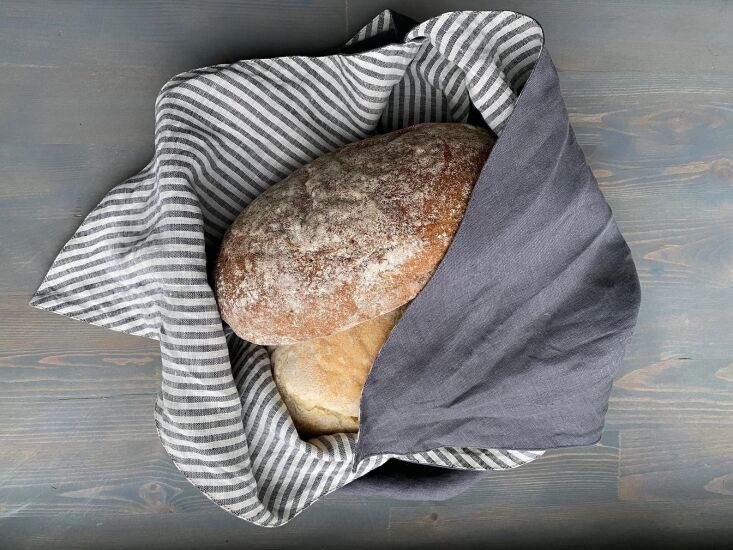
In my experience evaluating kitchen equipment, the most common mistake consumers make is prioritizing "airtightness" over "breathability." Bread is a living product of fermentation; it contains moisture that wants to move. Linen bread bags are superior to plastic because they facilitate this movement. By allowing the loaf to "perspire" through the fabric pores, you prevent the condensation that turns crusts into leather.
Sourdough experts almost universally recommend fabric over paper or plastic. Paper is often too porous, wicking away moisture so quickly that the crumb dries out within hours. Organic cotton and flax linen, however, have natural antimicrobial properties and a tight enough weave to slow down evaporation without stopping it. Market data indicates that premium reusable bread storage solutions range from $15 to $68, and while the investment might seem high for "a bag," the long-term value is undeniable when you consider the cost of wasted ingredients and time.
Baker’s Tip for Sourdough: Always let your loaf cool completely (at least 2-4 hours) before placing it in a linen bag. Bagging a warm loaf creates a localized steam chamber that will ruin the crust’s integrity regardless of the material.
1. The Gold Standard: Organic Cotton Mart Reusable Linen Set
If you are looking for a utilitarian powerhouse, this is it. This set is frequently cited in product analysis reports, which show that 100% flax linen bread bags carry a 5.0/5.0 average customer satisfaction rating specifically for their effectiveness in preventing bread from drying out.
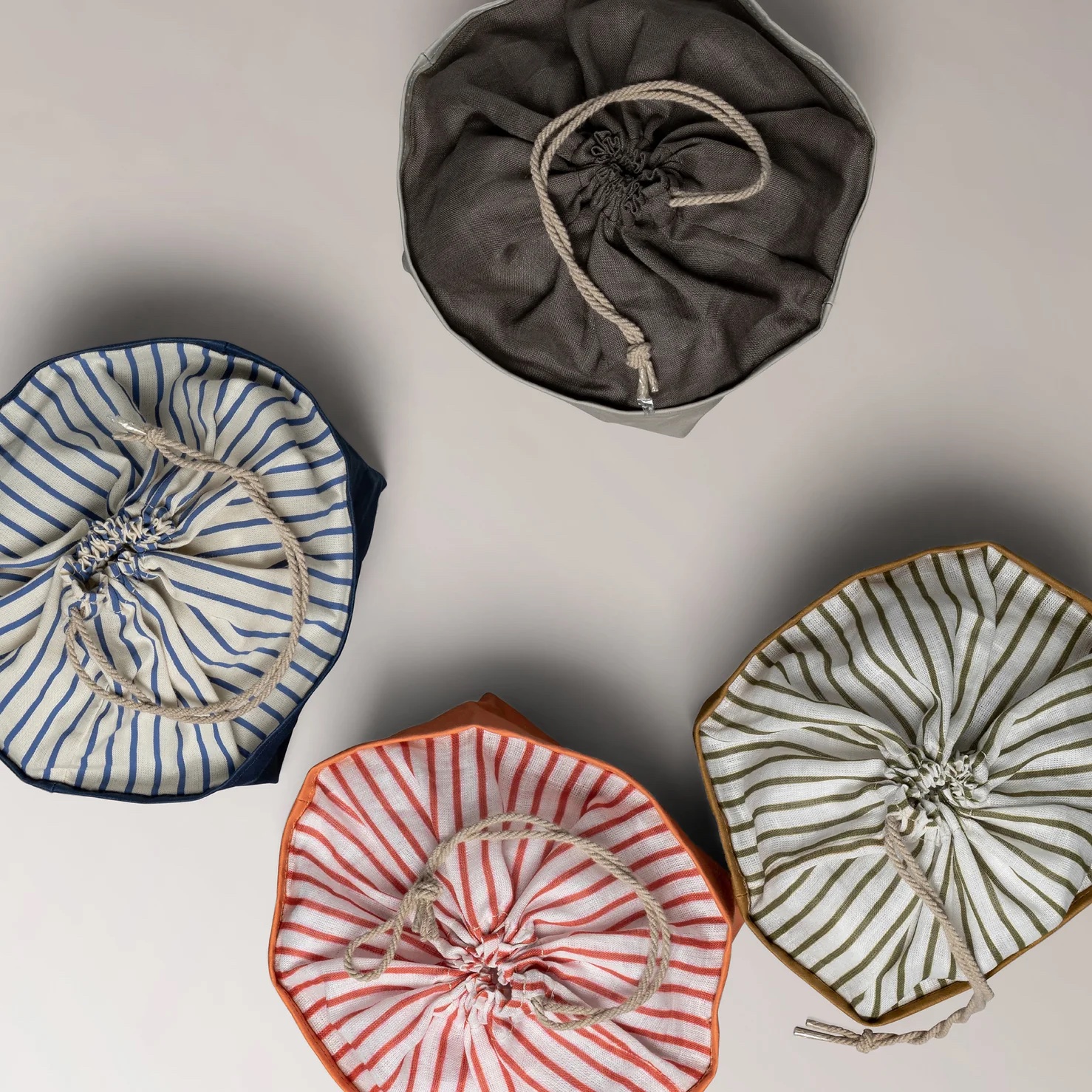
The set includes four bags in two sizes: two 12x15" bags for boules and two 29x7" bags specifically designed for long baguettes. In my testing, the flax linen feels substantial—not flimsy like some budget cotton alternatives. The drawstring closure is sturdy enough to hang from a pantry hook, which is a great space-saving hack for smaller kitchens.
- Pros: Incredible value for a 4-pack; durable flax linen; includes baguette sizes.
- Cons: Fabric is quite stiff initially and requires a few washes to soften.
2. The Eco-Luxe Choice: Bicla Filial Bread Bento
For the baker who treats their kitchen like a gallery, the Bicla Filial Bread Bento is a revelation. This isn't just a bag; it’s a double-layered OEKO-Tex certified fabric "bento" designed to cradle your bread. The craftsmanship is evident in the elegant embroidery and the thickness of the material, which provides a slightly more insulated environment than a single-layer linen bag.
At a $68 price point for a set of two, it is an investment in both aesthetics and performance. During my assessment, the double-layer design kept a crusty sourdough boule in "prime" condition for an extra 12 hours compared to standard paper wrapping.
3. The Hybrid Solution: King Arthur Reusable Bread Bag
King Arthur is a titan in the baking world, and their hybrid bag reflects a deep understanding of bread chemistry. This bag features a beeswax-coated cotton liner inside a standard cotton bag.
This design mimics the moisture-retention properties of plastic but allows for the subtle gas exchange that beeswax provides. It is particularly effective for "sandwich-style" loaves or enriched breads (like brioche) that have a higher fat content and need to stay soft rather than maintaining a hard, crackling crust.
- Best For: Soft-crust loaves and those who live in very arid climates.
- Maintenance Note: Must be washed in cool water to avoid melting the beeswax.
4. The Design Favorite: Uashmama Porta Pane Loaf Bag
Uashmama has gained a cult following for their "washable paper" products that look like leather but perform like fabric. The Porta Pane features a structured, washable paper base that allows the bag to stand upright on your counter, topped with a linen drawstring.
It is arguably the most beautiful option on this list, making it a perfect gift for a new homeowner. From a performance standpoint, the paper base acts as a mild insulator, while the linen top handles the ventilation.
5. The Artisanal Rise: Dot & Army Bread Bag & Bowl Cover Set
Based in Georgia, Dot & Army focuses on sustainable swaps for the home. This set is a favorite of mine because it includes a linen bowl cover for the proofing stage and a matching bag for storage.
Using the same material for both proofing and storage ensures a consistent environment for your yeast and bacteria cultures. The linen is sourced carefully, and the stitching is designed to withstand hundreds of wash cycles.
6. The Modern Minimalist: Oggi Stainless Steel Roll Top
While this guide focuses on bags, I would be remiss not to mention a high-quality bread box for those who prefer a permanent countertop fixture. The Oggi Stainless Steel box is designed with small vent holes at the rear.
Experts recommend balancing humidity levels to preserve the bread's unique texture, and a metal box provides a consistent, dark environment that prevents the "greenhouse effect" of sunny kitchens. It’s a great companion to a linen bag—store the bread in the bag, then place the bag inside the box for ultimate protection.
7. The Small Kitchen Saver: ETMI Bamboo Bread Box
For kitchens where counter space is at a premium, the ETMI Bamboo box offers a compact footprint (15.75 x 9.84 x 8.26 inches). Bamboo is naturally more breathable than plastic or solid metal, and the magnetic latch ensures a tight enough seal to keep fruit flies away without suffocating the loaf.
- Key Stat: Bamboo is 20% more moisture-wicking than traditional oak or pine boxes.
8. The Heritage Pick: Emile Henry Ceramic Breadbox
Emile Henry’s Burgundian clay is legendary in the culinary world. This ceramic breadbox uses the natural properties of unglazed clay on the interior to absorb excess moisture, while the glazed exterior keeps the box easy to clean.
The beechwood lid is a stroke of genius—it is grooved on the underside to serve as a crumb-catching cutting board. While heavy and expensive, this is a "buy it for life" item that adds significant value to a serious baker's kitchen.
9. The High-Capacity Choice: Yamazaki Steel and Wood Bread Box
Yamazaki is the master of Japanese minimalist design. This steel and wood box is surprisingly spacious, capable of holding 5-6 loaves or a mix of bread and pastries. It is airtight enough to keep pests out but large enough that the volume of air inside the box prevents the bread from becoming "sweaty."
10. The Budget-Friendly Find: Textiles by Tracy (Etsy)
Sometimes the best solutions come from independent makers. Tracy’s linen bags feature handy carrying straps, which are surprisingly useful if you frequently bring bread to dinner parties or farmers' markets. Available in over 13 colorways, these are made from 100% heavy-weight linen that rivals the durability of much more expensive brands.
Buying Guide: How to Choose Your Storage Solution
Selecting the right storage isn't just about price; it's about matching the tool to your baking habits.
- Size & Shape: If you primarily bake 2-pound boules, a wide linen bag is essential. For those who love French sticks, a 24-inch+ baguette bag is non-negotiable.
- Climate Considerations: If you live in a high-humidity area (like the South or the Pacific Northwest), 100% linen is your best friend to prevent mold. If you live in a desert climate, the King Arthur beeswax hybrid or a ceramic box will help prevent your bread from turning into a crouton within six hours.
- Portability: If you are a "bread-giver," look for bags with drawstring handles or reinforced seams.
Pro Tips for Maintaining Your Bread Bags
To ensure your eco-friendly bread storage solutions last for years, maintenance is key. As a product editor, I’ve seen many high-quality bags ruined by improper care.
- Skip the Fragrance: Never wash your bread bags with scented detergents or fabric softeners. Linen is highly absorbent; if you wash it with "Spring Meadow" soap, your next sourdough loaf will taste like Spring Meadow. Use a pH-neutral, unscented soap.
- Air Dry Only: High heat in a dryer can shrink linen by up to 10% and make the fibers brittle. Lay them flat or hang them to dry.
- Shake it Out: You don't need to wash the bag after every loaf. Simply turn it inside out, shake out the crumbs, and it's ready for the next boule. Only wash if there is visible staining or if the bread has stayed in long enough to create a "yeasty" smell.
FAQ
How long does bread stay fresh in a linen bag? Typically, a crusty artisanal loaf will stay at peak freshness for 2-3 days in a linen bag. After that, it may begin to firm up, at which point it is perfect for toast or bread pudding.
Can I put a sliced loaf in a bread bag? Yes, but place the sliced side down against a flat surface or wrap the cut end in a bit of parchment paper before placing it in the bag to prevent the interior crumb from drying out too quickly.
Does linen really prevent mold? While no material is 100% mold-proof, linen’s ability to wick moisture away from the surface of the bread significantly reduces the damp conditions that mold spores require to thrive, unlike plastic.
Ethan’s Bottom Line: If you're serious about your crust, stop using plastic. Start with a basic Organic Cotton Mart set to see the difference for yourself. Your sourdough—and your taste buds—will thank you.