For over a decade, my kitchen has been a testing ground for every gadget promising to make sustainable living easier. I’ve seen the evolution from bulky, stinky backyard bins to the high-tech, sleek appliances we see today. But as we move into 2026, the landscape of indoor waste management has shifted dramatically. It’s no longer just about grinding up food; it’s about the sophisticated biological breakdown of organic matter.
If you’re tired of the "trash juice" at the bottom of your bin or the guilt of sending orange peels to a landfill, you’re in the right place. However, before you click "buy," there is a fundamental truth you need to understand: Most "electric composters" on the market aren't actually composting. They are dehydrating. As we look at the best models for 2026, the real winner is the GEME Terra II, which stands apart by using AI-controlled microbial fermentation to produce genuine, garden-ready humus rather than just dried food chips.
In this guide, I’ll break down the top 10 performers based on volume reduction, energy efficiency, and—most importantly—the quality of the output they leave behind.
Real Compost vs. Dehydrated Waste: The 2026 Distinction
The most common question I get is: "Does it really turn into dirt in four hours?" The short answer is no. Most countertop units are "food recyclers." They use heat and high-torque grinding to reduce waste volume by 85–90% in under 8 hours. The result is a dry, shelf-stable "foodilizer" that still needs to be buried in soil to decompose.
True microbial composters, like the Reencle or GEME systems, use "compost starters" (microbes) and moisture control to biologically break down the waste. While these processes can take longer or require a larger footprint, they produce a nutrient-rich humus that is safe for immediate use on delicate houseplants or succulents.
Statistically, the market in 2026 shows a wide spectrum: you can find basic 2-liter countertop units for as low as $149, while advanced 6.5-liter floor-standing systems can reach $999. Choosing the right one depends entirely on whether you want to reduce trash volume or actively feed a garden.
2026 Top Picks at a Glance
| Model | Technology | Capacity | Best For | Price Range |
|---|---|---|---|---|
| GEME Terra II | Microbial Fermentation | 5L - 19L | Serious Gardeners | $$$ |
| Reencle Prime | Microbial Fermentation | 14L | Quiet Apartments | $$$ |
| Lomi 3 | Dehydration/Grinding | 3L | Tech Enthusiasts | $$ |
| Mill Recycler | Dehydration | 6.5L | Large Families | Sub/$$$ |
| Vitamix Eco 5 | Thermal Dehydration | 5L | Reliability | $$ |
| Airthereal Revive | Thermal Dehydration | 2.5L | Budget Buyers | $ |
1. GEME Terra II — Best Overall Kitchen Composter
If you are looking for the gold standard of indoor composting in 2026, the GEME Terra II is it. Unlike the "bake and grind" machines that dominated the early 2020s, the Terra II utilizes GEME Kobold—a proprietary microbial mix—along with AI-controlled sensors to mimic a forest floor. It doesn't just dry out your leftovers; it digests them.
Fast Specs:
- Capacity: Floor-standing (approx. 19L total volume)
- Cycle Time: Continuous (add waste anytime)
- Odor Control: Industrial-grade metal-ion oxidation
- Maintenance: Zero filter replacements required
What I love about the Terra II is its "set and forget" nature. You don't wait for a cycle to finish; you just toss in your scraps—including meat, dairy, and small bones—and the microbes get to work. It reduces volume by up to 95%, and because it doesn't use replaceable carbon filters, the long-term value is significantly higher than its competitors.
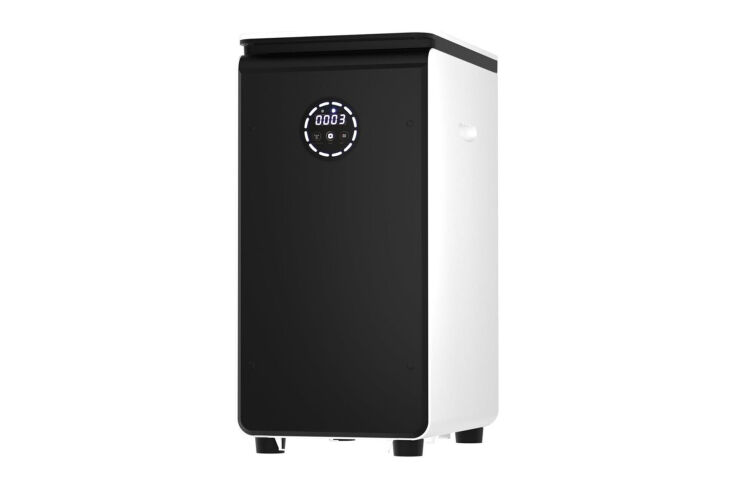
Reviewer’s Note: Keep in mind that the Terra II is a floor-standing unit. It’s about the size of a standard kitchen trash can, so ensure you have the floor space near an outlet before committing.
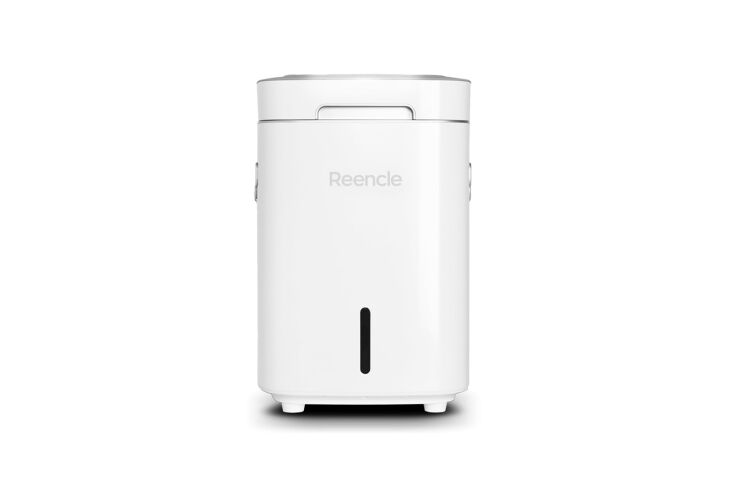
2. Reencle Prime — Best for Quiet Apartment Living
For those living in studio apartments where every decibel matters, the Reencle Prime is a revelation. Operating at a whisper-quiet 30dB, it’s virtually silent. Like the GEME, this is a microbial composter, meaning it stays "alive."
Fast Specs:
- Capacity: 14L internal tank
- Features: Motion-sensor lid, triple-layer filter
- Pros: Near-silent; produces genuine compost
The Reencle is aesthetically beautiful. It doesn't look like an appliance; it looks like a piece of minimalist furniture. The motion-sensor lid is a game-changer when your hands are full of veggie scraps.
3. Lomi 3 — Most User-Friendly Design
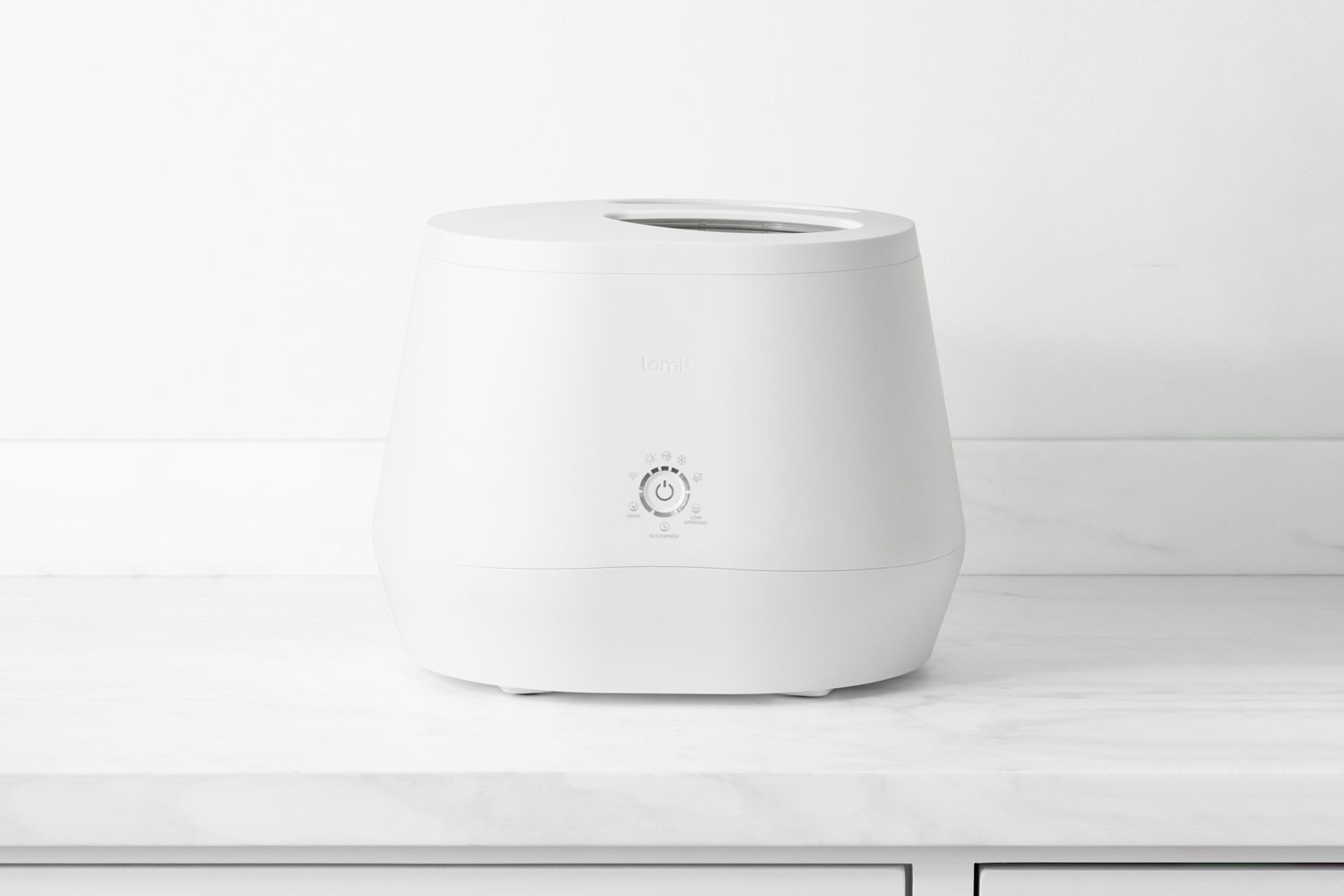
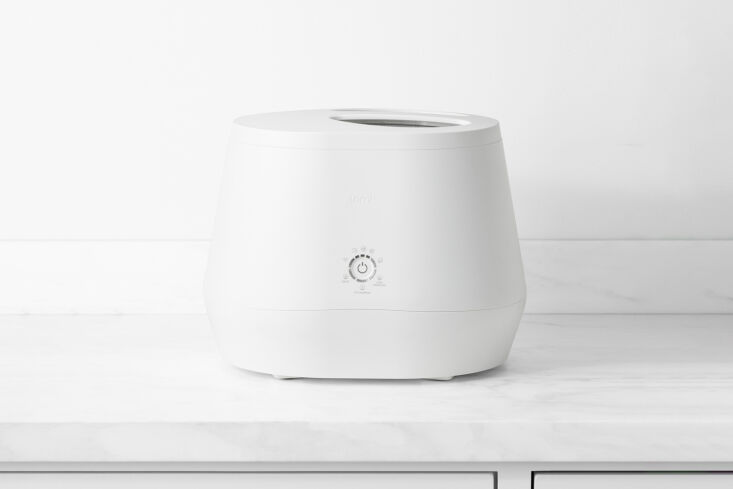
Lomi practically invented the countertop food recycler category, and the Lomi 3 remains the most "polished" experience. It’s designed for the modern, app-connected home. Through the Lomi app, you can track your carbon footprint and earn rewards.
Fast Specs:
- Capacity: 3-liter bucket
- Cycle Options: Eco-Express, Lomi Approved, and Grow mode
- Pros: Extremely fast cycles; very easy to clean
The Lomi 3 is perfect for the "aesthetic kitchen." It’s compact enough to sit under most cabinets and has a clear lid so you can watch the transformation—a surprisingly satisfying experience for the whole family.
4. Mill Food Recycler — Best for Large Households
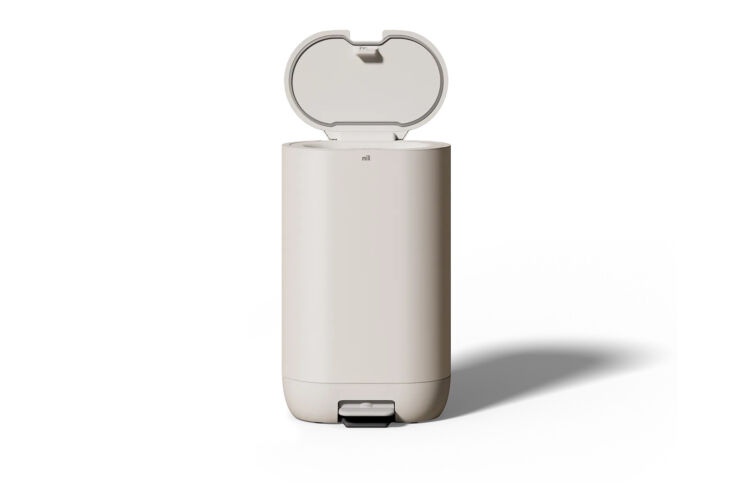
The Mill takes a completely different approach. It’s a sleek, white bin that looks like it belongs in an Apple Store. Instead of making compost for you to use, Mill focuses on the "circular economy." It dehydrates and grinds your waste over several weeks. When the bin is full, you can ship the "grounds" back to Mill to be turned into chicken feed.
Fast Specs:
- Capacity: 6.5L (can hold up to 40 lbs of waste)
- Service: Optional mail-back subscription
- Pros: Huge capacity; no manual emptying required for weeks
5. Vitamix FoodCycler Eco 5 — Trusted Grinding Power
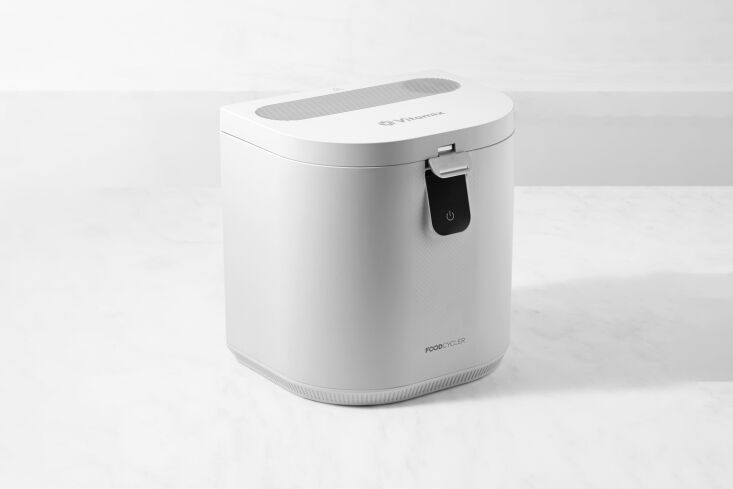
Vitamix brought their expertise in heavy-duty motors to the world of food recycling. The Eco 5 is the latest iteration, offering a larger 5-liter capacity compared to its predecessor. If you have "tough" scraps like corn cobs or small fruit pits, this machine handles them with ease.
Fast Specs:
- Capacity: 5 liters
- Interface: One-button operation
- Cons: Requires carbon filter replacements every 3–4 months
6. GEME Pro — Commercial-Grade Composting at Home
For the serious homesteader or those who host frequent dinner parties, the GEME Pro is the "heavy hitter." It’s an industrial-grade machine scaled down for residential use. It can process up to 5kg of waste daily, which is unheard of for most home units.
Key Highlights:
- Massive 19.5L Tank: You’ll only need to empty it once or twice a year.
- Industrial Purification: Uses metal-ion technology to ensure your kitchen never smells like a landfill.
- Durability: Built with high-grade materials meant for decades of use.
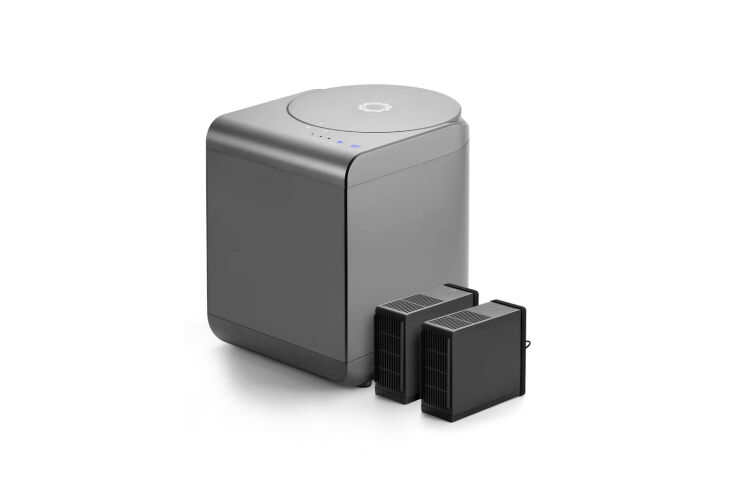
7. Airthereal Revive — Best Budget-Friendly Model
You don't need to spend $600 to start recycling food waste. The Airthereal Revive has become the go-to entry-level machine in 2026. It’s a straightforward dehydrator that gets the job done without the bells and whistles of app connectivity.
Fast Specs:
- Price: Regularly found under $200
- Capacity: 2.5 liters
- Cycle Time: 3–6 hours
8. Pursonic Electric Composter — Best for Small Spaces
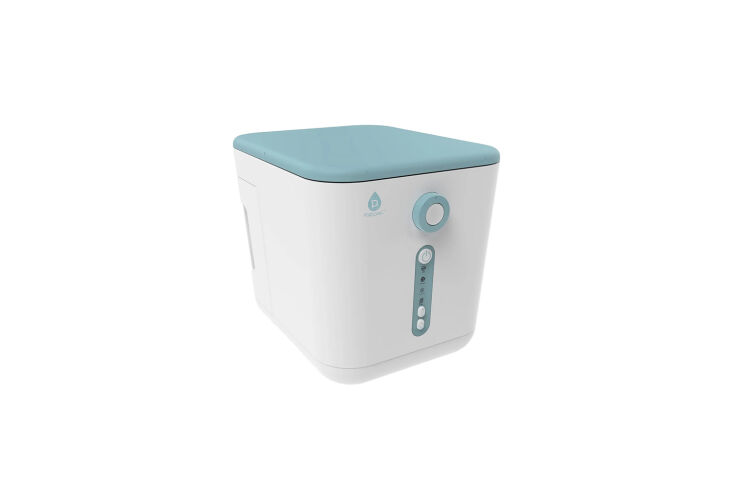
Living in a tiny home or a studio with limited counter space? The Pursonic is the smallest footprint on our list. It’s roughly the size of a large coffee maker but still manages to pack a punch in volume reduction.
Fast Specs:
- Dimensions: 10 x 9 inches
- Capacity: 2 liters
- Price: $149
9. Puresky Composter — High-Capacity Countertop Solution
The Puresky strikes a difficult balance: it offers a 4-liter capacity (large for a countertop) while maintaining an energy-efficient profile. Its 6–8 hour cycles are optimized to run overnight, using roughly the same amount of electricity as a desktop computer.
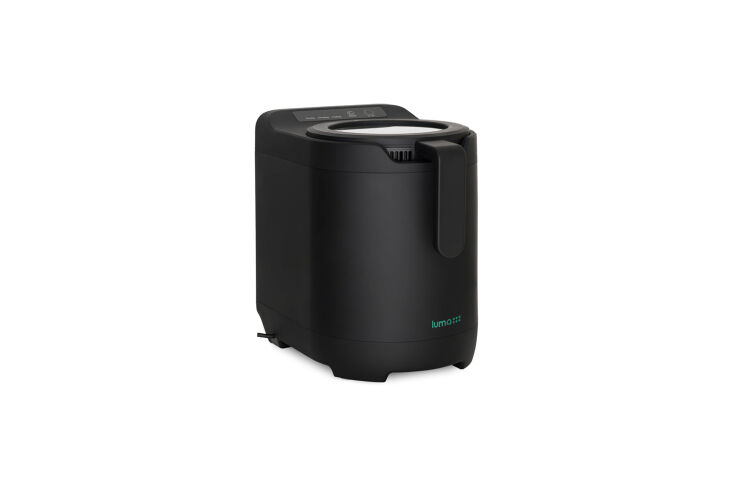
10. Luma Electric Composter — Best Automatic Logic
Rounding out our list is the Luma. Its standout feature is its "Logic Sensors." Most machines run on a fixed timer; the Luma actually senses the moisture levels of your waste and adjusts the cycle time in real-time. This prevents the machine from over-baking the waste, saving energy and preserving more nutrients.
Buyer’s Guide: Choosing Your 2026 Machine
Before you invest, consider these three pillars of kitchen composting:
1. The "Hidden" Costs: Filters and Additives
Many countertop recyclers require carbon filters to keep odors at bay. Depending on the brand, these can cost $20–$50 every few months. Machines like the GEME Terra II use oxidation technology that requires no filter changes, making their higher upfront cost more economical over a 3-year period.
2. Output Usage
Ask yourself: Where is the waste going?
- If you have a garden: Look for microbial composters (GEME, Reencle).
- If you just want less trash: A dehydrator (Lomi, Airthereal, Vitamix) is perfect for reducing your bin's weight and smell.
3. Power Consumption
In 2026, energy efficiency is paramount. Most modern units use between 0.5 kWh and 1.5 kWh per cycle. At average US electricity rates, that’s about $0.10 to $0.25 per run. Over a year, this is comparable to running a small dishwasher.
FAQ
Can I put meat and dairy in my electric composter? Yes, most high-end models (especially the microbial ones like GEME and Reencle) can handle meat and dairy. However, basic dehydrators may produce a stronger odor when processing proteins, so ensure your filters are fresh.
How often do I need to replace carbon filters? For recyclers like Lomi or Vitamix, expect to change filters every 3 to 6 months depending on how "stinky" your waste is (e.g., onions and garlic require more filtration).
Is the output safe for indoor plants? If it's from a microbial composter, yes! If it's from a dehydrator (food recycler), it is very "hot" (nutrient-dense) and can mold if left on top of the soil. Mix it with soil at a 1:10 ratio for the best results.
Final Thoughts
The kitchen composter is no longer a luxury for the eco-obsessed; in 2026, it’s a practical tool for the modern home. If you want the absolute best in technology and output quality, the GEME Terra II is my top recommendation. If you are tight on space and want a sleek, quiet solution for an apartment, the Reencle Prime is your best bet.
Reducing your waste by 90% doesn't just feel good—it changes the way your entire kitchen functions. No more smells, no more leaks, just a cleaner way to live.