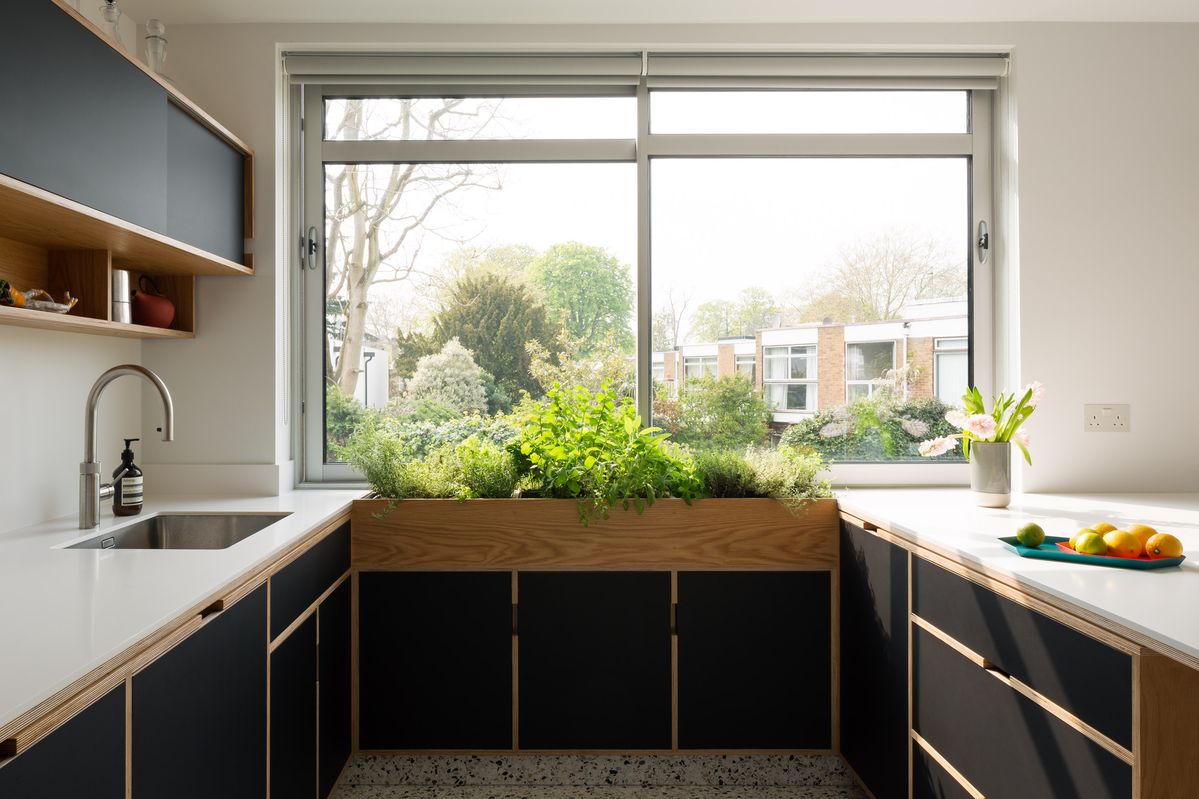
There is a quiet revolution happening in the modern kitchen—one that smells of dampened earth and sun-warmed thyme. As we move into 2025, the boundary between the backyard and the breakfast nook has never been more porous. We are seeing a profound shift toward "Outdoor-Indoor Flow," where the tactile joy of the garden is being distilled into our most functional spaces. Our internal consumer data echoes this craving for the organic; we’ve tracked a 45% increase in searches for "scalloped" and "terracotta" kitchenware as homeowners trade clinical minimalism for the soulful, irregular textures of the earth.
Garden-inspired kitchen essentials are more than just decorative accents; they are functional tools that bridge the gap between nature and the home. By incorporating terracotta textures, botanical prints, and organic materials like bamboo or woven fibers, these items bring an outdoor aesthetic indoors. Whether you are hosting an alfresco brunch or simply enjoying a quiet Tuesday morning coffee, these nature-inspired pieces ground the experience in the seasons.
The Top Trends Defining the Garden-to-Table Aesthetic
When we look ahead at the 2026 kitchenware trends, the forecast is clear: "Nature-Inspired Patterns" and "Romantic Curved Silhouettes" are the new north stars of interior styling. This isn't just a fleeting aesthetic; it’s a response to our collective desire for more tactile, meaningful environments. A recent survey of home entertainers revealed that 68% of respondents now prioritize botanical motifs—think intricate leaf and floral prints—when selecting dinnerware for seasonal gatherings.
This year, forget the rigid symmetry of the past. The "Romantic Curved Silhouette" trend celebrates the imperfect beauty of a rippling petal or the gentle curve of a river stone. We are seeing this manifest in scalloped edges on everything from plates to serving platters, creating an organic flow that mimics the undulating lines of a summer flower bed. It’s about creating a table that feels curated over time, rather than bought from a box.
10 Best Garden-Inspired Kitchen Essentials
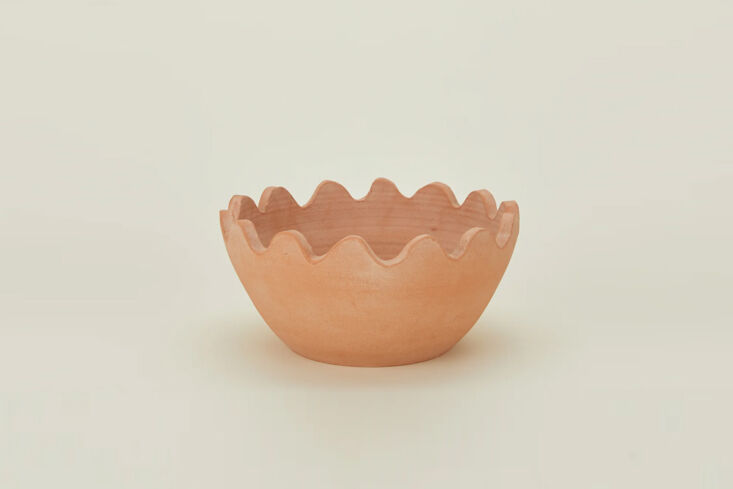
1. Scalloped Terracotta Serving Bowls
There is something deeply grounding about the weight and warmth of terracotta. This season, designers are taking the humble garden pot and elevating it for the dining room. These serving bowls feature delicate scalloped rims that soften the raw, earthy clay, making them the perfect vessel for vibrant summer salads or piles of citrus. The porous nature of the material even helps keep greens slightly cooler through the natural evaporation of moisture—a beautiful marriage of form and function.
2. Botanical Porcelain Dinnerware Sets
If you’re looking to make a statement, look no further than fine porcelain adorned with botanical motifs. The most coveted sets for 2025 feature "pressed flower" designs—delicate, hyper-realistic renderings of wildflowers and herbs that look as though they were plucked from the soil and preserved in glaze. Unlike the loud, oversized florals of previous decades, today’s botanical prints are understated and elegant, often featuring muted sage, dusty rose, and sun-bleached ochre.
Ivy’s Pro-Tip: When choosing a botanical set, look for pieces with varying motifs. A table feels more like a living garden when every plate features a slightly different leaf or bloom.
3. Woven Natural Fiber Placemats
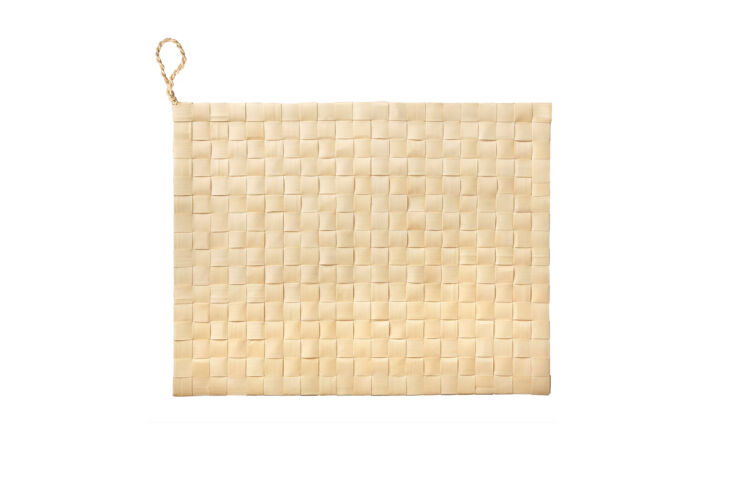
To ground a table, you must start with texture. Woven placemats made from dried palmyra leaves, seagrass, or bamboo fibers provide the essential organic base that prevents a botanical table from feeling too precious. These fibers bring a rustic, "potting shed" charm to the setting, acting as a tactile bridge between the smooth ceramic of your plates and the wood of your table.
4. Stone Flower Frogs for Fresh Cuttings
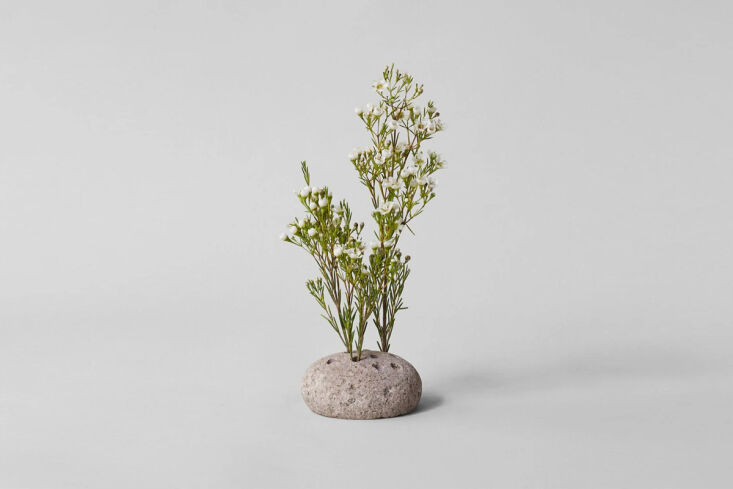
Traditional vases can sometimes feel too formal for a relaxed summer lunch. Enter the flower frog. These heavy stone or ceramic discs feature multiple holes designed to hold individual stems upright. By using a flower frog, you can create low-profile, architectural arrangements using whatever is currently blooming in your garden—be it a single stem of lavender or a cluster of wild daisies. They allow the beauty of the "fresh cutting" to take center stage without the clutter of a bulky container.
5. Reactive Glaze Stoneware Platters
The beauty of reactive glaze lies in its unpredictability. During the firing process, the chemicals in the glaze react with the heat to create variegated patterns that mimic natural landscapes—think of the swirling colors of a mossy forest floor or the dappled light of a garden path. Each platter is a one-of-a-kind piece of art, offering a sculptural quality to your kitchen that mass-produced, flat-colored ceramics simply cannot match.
6. Botanically Dyed Linen Napkins
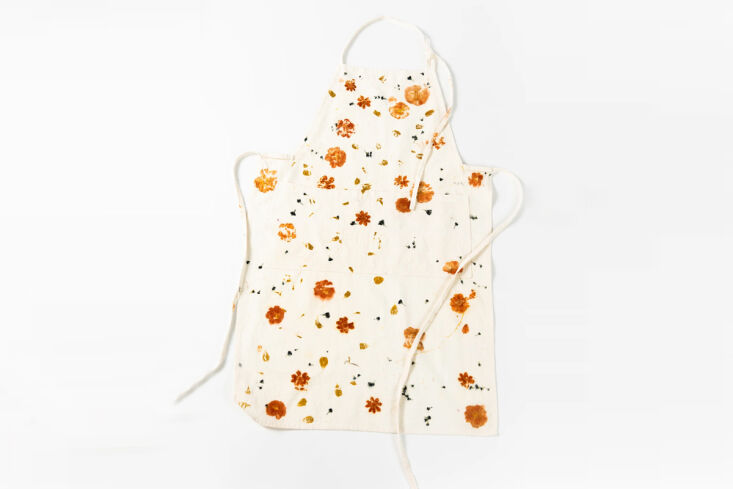
Sustainability meets artistry in the world of botanically dyed textiles. These linens are often dyed using real flower petals, onion skins, or avocado pits to achieve soft, ethereal hues that are impossible to replicate with synthetic dyes. Many of our favorite artisanal brands are even using a "bundle dye" technique, where real petals are steamed into the fabric, leaving behind ghostly, beautiful imprints of the garden.
7. Bamboo Cutting & Charcuterie Boards
As we move away from plastic toward eco-friendly kitchen accessories, bamboo has emerged as the hero material of the garden-inspired kitchen. It is incredibly fast-growing and durable, yet it possesses a warm, wood-grain aesthetic that feels right at home next to a bowl of fresh tomatoes. A large bamboo board serves as the perfect canvas for a "garden-to-table" charcuterie spread, featuring local cheeses, honeycomb, and edible flowers.
8. Vintage-Inspired Enamel Pitchers
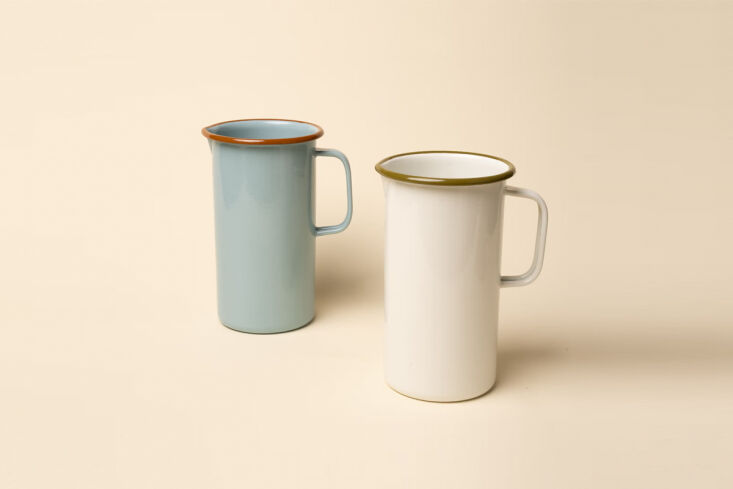
Enamelware carries a certain nostalgic "childhood cookout" vibe that is perfect for summer entertaining. Lightweight, unbreakable, and surprisingly chic, a crisp white enamel pitcher with a green rim is a classic garden staple. Use it to serve iced hibiscus tea on the patio or as a casual vessel for a large bunch of sunflowers. Its utility makes it a must-have for those who frequently transition their meals from the indoor kitchen to the outdoor deck.
9. Tinted Glassware in Earth Tones
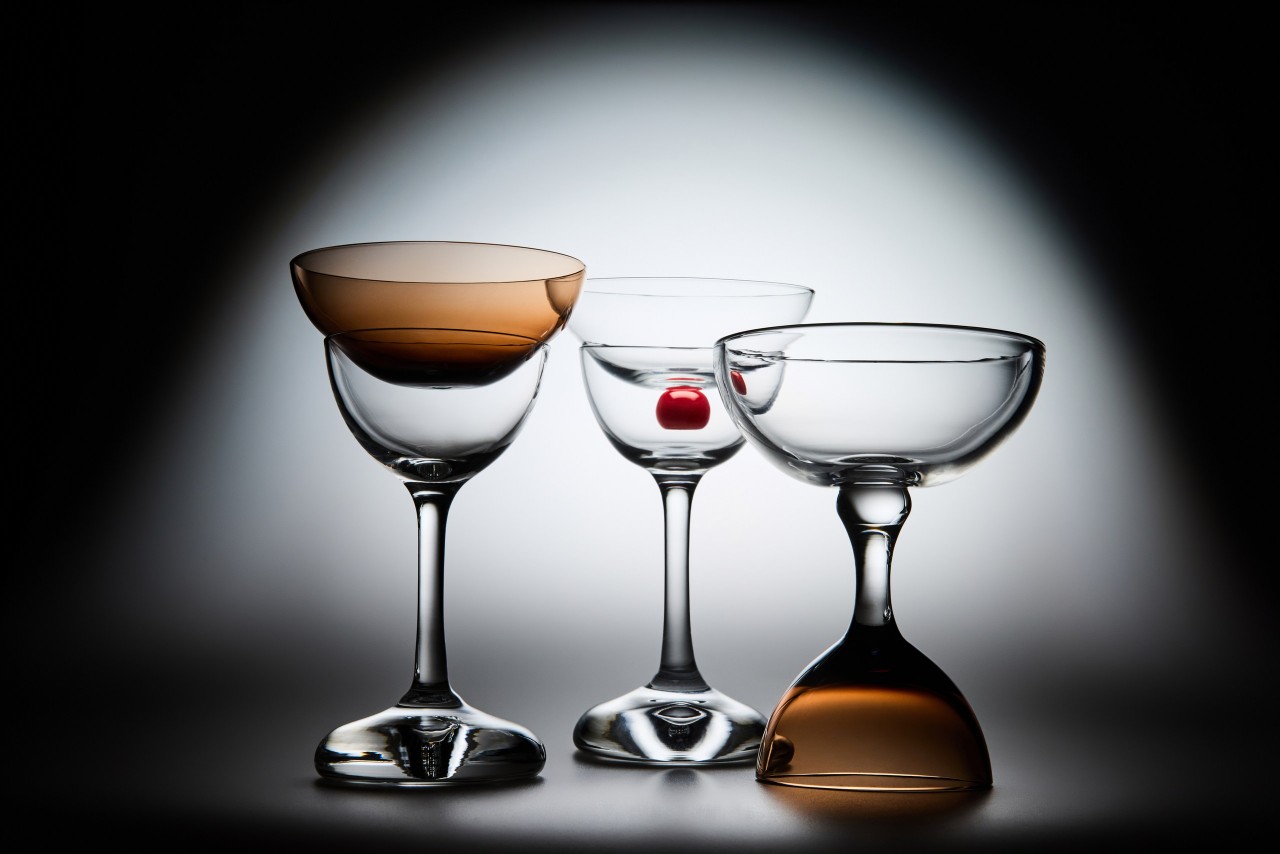
Color is a powerful tool for setting a botanical mood. This summer, we are seeing a move away from clear glass toward "sea glass" and "earth tone" tints. Imagine sage green tumblers, amber wine glasses, and mossy olive carafes. When the summer sun hits these tinted pieces, they cast a soft, colored glow across the table, mimicking the way light filters through a leafy canopy.
10. Reusable Beeswax Food Wraps
Practicality can be beautiful. Replacing plastic cling wrap with organic cotton wraps infused with beeswax and jojoba oil is a small but impactful way to align your kitchen with nature. Often printed with whimsical garden motifs—honeybees, herbs, and lemon slices—these wraps are not only better for the environment but also keep your farmers' market finds fresher for longer.
Material Guide: Choosing the Right Texture for Your Lifestyle
Selecting the right materials is the foundation of any well-styled kitchen. While aesthetics are important, durability and maintenance should play a key role in your decision.
| Material | Best For | Pros | Cons |
|---|---|---|---|
| Porcelain | Formal dining & daily use | Delicate look, very durable, non-porous | Can be expensive; prone to chipping if thin |
| Stoneware | Family meals & rustic tables | Heavy, holds heat well, unique glazes | Heavier than porcelain; can be bulky for storage |
| Terracotta | Serving & decor | Natural temperature control, earthy aesthetic | High maintenance; usually hand-wash only |
| Melamine | Outdoor/Patio entertaining | Lightweight, virtually unbreakable | Not microwave safe; lacks the weight of "real" stone |
| Bamboo | Prep & serving | Sustainable, naturally antimicrobial | Requires regular oiling to prevent drying out |
Styling Tips: How to Create the Perfect Summer Table
Styling a garden-inspired table is an exercise in layering. The goal is to create an "Outdoor-Indoor Flow" that feels effortless rather than over-staged. To achieve this, we recommend combining floral porcelain dinnerware with raw, natural textures like stone and woven fibers.
A classic interior design secret we love to use is the 60-30-10 Rule for pattern mixing:
- 60% Neutral Base: Use your table's natural wood or a neutral linen tablecloth to provide a calm foundation.
- 30% Secondary Texture/Color: Introduce your woven placemats or your tinted glassware. This provides the "visual weight" of the garden.
- 10% Statement Pattern: This is where your botanical dinnerware or floral napkins come in. By keeping the pattern to just 10% of the visual space, you ensure the table feels sophisticated and curated rather than cluttered.
Finally, don’t forget the power of the centerpiece. Forget the florist—take your kitchen shears into the garden (or the local park) and gather whatever is in season. A few sprigs of mint in a stone flower frog or a bowl of peaches still on the branch can be more impactful than a traditional bouquet. It’s about celebrating the "here and now" of the summer season.
FAQ
How can I make my kitchen feel garden-inspired without a full renovation? Focus on "layering in" small essentials. Swapping out your plastic cutting boards for bamboo, adding a few tinted glass tumblers, and placing a terracotta herb pot on your windowsill can instantly shift the energy of the room toward a more organic, nature-inspired aesthetic.
Are botanical dinnerware sets out of style for 2025? Quite the opposite! While the bold, bright florals of the early 2000s are out, the 2025/2026 trend focuses on "Nature-Inspired Patterns" that are more delicate, realistic, and muted. Think of them as "botanical illustrations" rather than just "floral prints."
What is the most durable material for outdoor summer dining? If you frequently eat outdoors, high-quality melamine or enamelware is your best bet as they are unbreakable. However, for a more elevated "garden party" feel, stoneware is a great choice because it is heavy enough not to blow away in a light breeze and offers a more premium tactile experience.