After more than fifteen years spent evaluating kitchen gadgets and testing home appliances, I have witnessed a remarkable shift in how we view the "trash" in our homes. In 2026, composting has officially moved out of the muddy backyard corner and onto the designer countertop. It is no longer just a chore for the green-thumbed; it is a fundamental part of the modern, high-performance kitchen. Today, a dedicated kitchen compost bin isn't just a container—it’s a sophisticated tool designed to manage organic waste without the mess, the smell, or the aesthetic compromise.
Why Composting is the Ultimate Kitchen Upgrade in 2026
The shift toward sustainable living has matured. Recent data suggests that composting kitchen scraps with a dedicated bin can reduce a household's total landfill trash output by more than 50%. For many families, this is the single most impactful change they can make to their daily routine. But the real catalyst for this mainstream adoption hasn't just been environmental conscience—it’s been the rise of "fabulous and functional" design. We no longer have to hide our food waste under the sink.
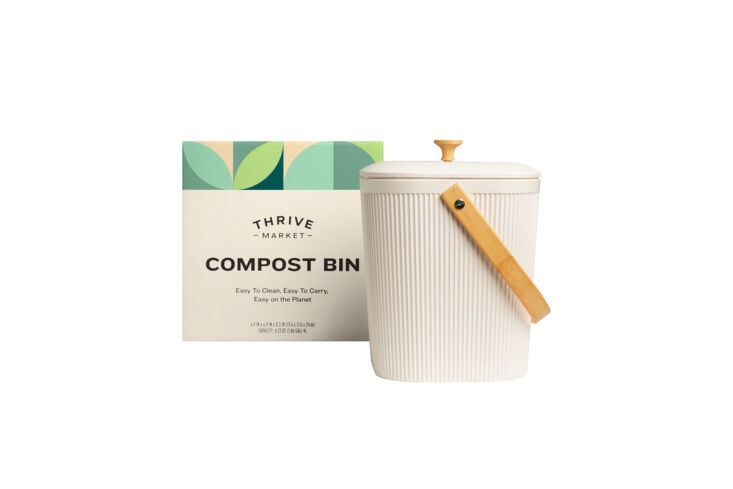
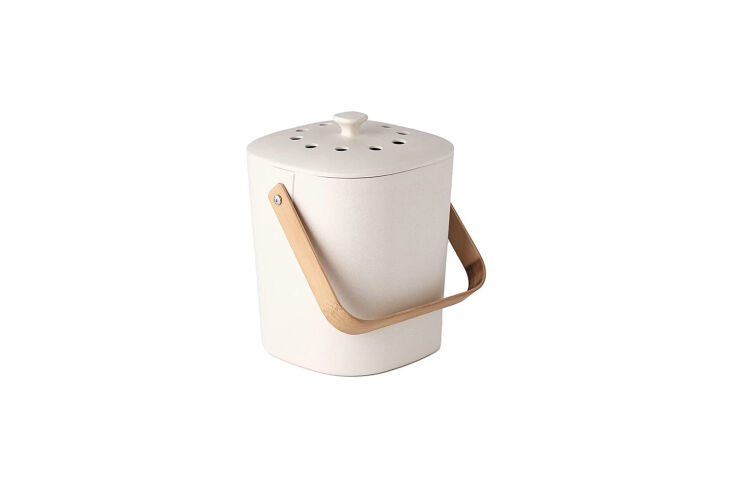
When readers ask me, "What is the best kitchen compost bin for odors?" I point them toward models like the Epica Stainless Steel Bin or the Thrive Market Bin. These units have perfected the science of airflow, utilizing replaceable charcoal filters that effectively trap and neutralize smells before they ever reach your nose. For those wondering "Which compost bin is best for families?" the answer lies in durability and volume. The Bamboozle Astrik Compost Bin remains my top recommendation for busy households thanks to its generous 1-gallon capacity and a dishwasher-safe silicone liner that makes the "yuck factor" of cleaning a thing of the past.
Quick Comparison: The Top 3 Picks for 2026
| Feature | Best Overall (Epica) | Best for Families (Bamboozle) | Best Luxury (GEME Terra II) |
|---|---|---|---|
| Material | Grade 304 Stainless Steel | Plant-based Astrik | AI-Microbial System |
| Capacity | 1.3 Gallons | 1.0 Gallon | 19 Liters |
| Odor Control | Dual Charcoal Filters | Sealed Lid + Liner | Microbial Neutralization |
| Price Point | $$ | $$ | $$$$ |
Our Top Picks for Every Kitchen Style
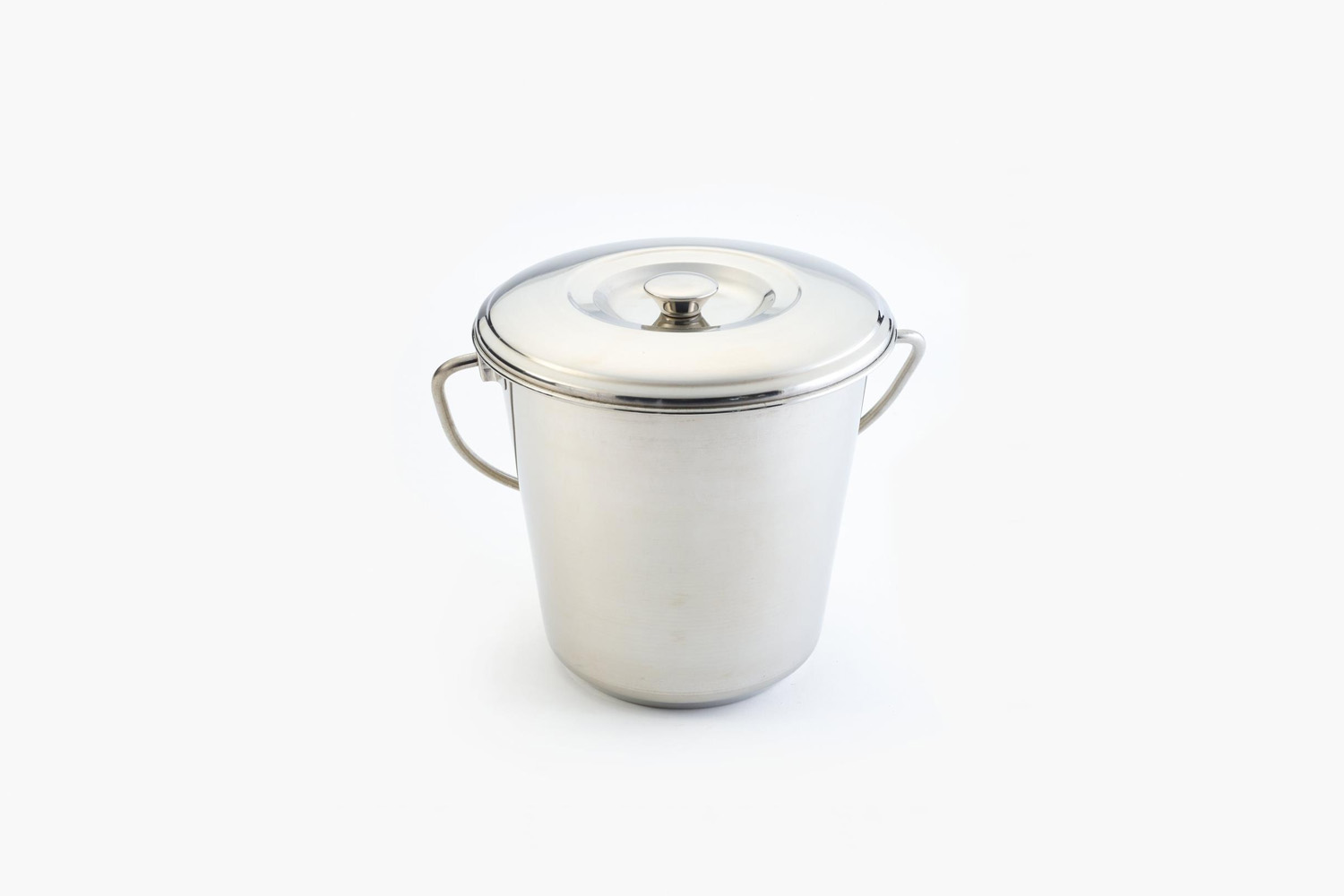
1. Best Overall & Odor Control: Epica Stainless Steel Compost Bin
If you are looking for a bin that simply works without demanding constant attention, the Epica remains the gold standard. Constructed from heavy-duty, one-piece stainless steel, it is built to last a lifetime. Unlike cheaper plastic models that can absorb odors over time, the stainless steel body is non-porous and incredibly easy to sanitize.
What sets the Epica apart is its commitment to an odor-free environment. Statistics show that 70% of leading kitchen compost bins now incorporate replaceable charcoal filtration systems, but Epica’s dual-filter design is notably more robust. The lid fits snugly, ensuring that fruit flies stay out while the charcoal filter allows the scraps to breathe, preventing the anaerobic conditions that cause rot.
Pros:
- Incredibly durable; won't rust or scratch.
- The charcoal filter lasts up to 6 months.
- Sleek, professional look that fits any modern kitchen.
Cons:
- The filters need to be hand-washed if they get wet.
- Not dishwasher safe (hand wash only to maintain the finish).
2. Best for Large Families: Bamboozle Astrik Compost Bin
For families with three or more people, a small bin will be overflowing by lunchtime. The Bamboozle Astrik offers a 1-gallon capacity that strikes the perfect balance between size and footprint. What truly makes this the best choice for families is the material science. It is made from "Astrik"—a durable, plant-based material that feels like high-end ceramic but is far more resilient.
Cleaning up after a week of vegetable peels and coffee grounds can be unpleasant, but the Bamboozle features a removable silicone liner. When the bin is full, you simply pop the liner into the dishwasher. It’s a game-changer for maintaining a hygienic kitchen without the need for disposable plastic liners.
Pros:
- Dishwasher-safe silicone liner is a massive time-saver.
- Eco-friendly, biodegradable material.
- Generous capacity for high-volume cooking.
Cons:
- Larger footprint takes up more counter space.
- The lid is a "lift-off" style, requiring two hands.
3. Best Value for Daily Use: OXO Good Grips Easy-Clean Bin
OXO has built a reputation on ergonomics, and their compost bin is no exception. This is the bin I recommend for people who empty their waste daily. It doesn't rely on charcoal filters; instead, it uses a unique "stay-open" lid and smooth interior walls. Because there are no nooks or crannies for food to get stuck in, a quick rinse under the tap is all it takes to keep it clean.
The price point—usually under $30—makes it the most accessible entry point for new composters. It is lightweight, portable, and surprisingly sturdy for a plastic bin.
Pros:
- One-handed operation (flip-top lid).
- Smooth interior makes it the easiest bin to clean by hand.
- Very affordable.
Cons:
- No charcoal filter; will start to smell if left for more than 48 hours.
- Plastic material may retain scents over many years of use.
4. Best High-Tech Solution: GEME Terra II AI Composter
The GEME Terra II represents the "Smart Home" evolution of waste management. While most electric "composters" are actually just dehydrators that dry out food, the GEME uses AI-controlled microbial fermentation. It uses thermophilic microbes to break down waste into genuine, nutrient-rich compost in as little as 6 to 8 hours.
This is the ultimate choice for the high-tech enthusiast who wants to close the loop entirely without ever leaving the kitchen. It’s quiet, odorless, and handles everything from meat to small bones—items traditional countertop bins cannot touch.
Pros:
- Produces real compost, not just dehydrated chips.
- Large 19L capacity means you rarely have to empty the base.
- Handles a wider variety of food waste (meat/dairy).
Cons:
- Significant upfront investment.
- Requires a power outlet and occasional microbial refills.
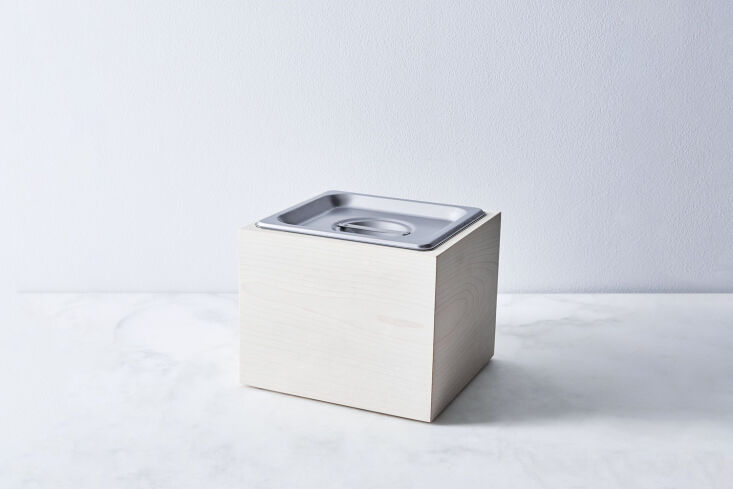
5. Best for Modern Aesthetics: Noaway Walnut Countertop Bin
Can stylish compost bins be kept on the countertop? Absolutely. The Noaway Walnut bin, designed by Cliff Spencer, is proof that environmental responsibility can look like a piece of custom furniture. Crafted from reclaimed walnut with a stainless steel insert, it is designed for those who have invested heavily in their kitchen’s interior design and refuse to let a plastic bucket ruin the vibe.
Pros:
- Stunning aesthetic that complements high-end cabinetry.
- Magnetic lid for a satisfying, secure seal.
- Removable stainless steel liner for easy emptying.
Cons:
- The wood requires occasional oiling to maintain its luster.
- Premium price point.
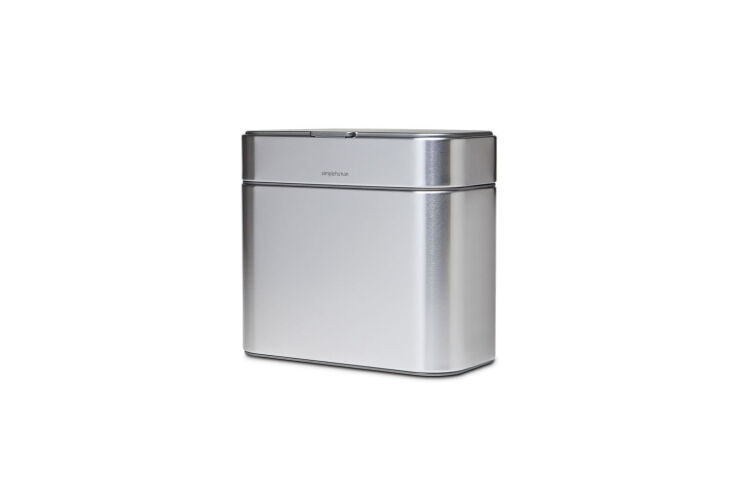
6. Best Space-Saver: Simplehuman Compost Caddy
For those in urban apartments where counter space is at a premium, Simplehuman offers a brilliant solution. This 1.06-gallon caddy is designed to attach directly to the side of their rectangular trash cans. It stays tucked away but remains easily accessible for prep work.
The finish is their signature fingerprint-proof stainless steel, and the lid is designed to be airtight to prevent odors and pests. It’s the definition of "organized disposal."
Pros:
- Saves valuable counter space.
- Fingerprint-proof coating keeps it looking clean.
- High-quality lid seal.
Cons:
- Requires a Simplehuman trash can for the integrated mounting.
- Relatively small capacity.
7. Best for Newbie Composters: Blue Ginkgo Kitchen Bin
A simple, filter-free design that focuses on ease of use. It’s small enough to sit on a windowsill and is entirely dishwasher safe. If you aren't sure if composting is for you, this budget-friendly option is the perfect trial run.
8. Best Sustainable Material: Bamboozle Plant-Based Bin
While the Astrik model is for families, their original plant-based bin is a design icon. Available in a variety of pastel hues (like Graphite or Terracotta), it’s made from biodegradable bamboo fiber. It’s a bin that is as compostable as its contents.
9. Best for Indoor Fermentation: Reencle Electric Composter
Similar to the GEME but with a focus on silent operation and hands-free access. It uses a sensor lid—just wave your hand to open it when yours are full of food scraps. It uses a specialized "Reencle Powder" (microbes) to digest food constantly.
10. Best Budget Retro Style: Lalastar Small Metal Bin
For those who love a farmhouse or vintage aesthetic, this powder-coated metal bin is a steal. It features a removable inner plastic pail and a classic "COMPOST" label that adds charm to a rustic kitchen.
How to Choose the Right Bin for Your Lifestyle
Selecting a compost bin isn't just about picking the prettiest one; it's about matching the bin's mechanics to your cooking habits. In my years of testing, I’ve found three critical factors that determine whether a bin becomes a permanent fixture or a forgotten relic.
Capacity vs. Frequency
A common mistake is buying a bin that is too large. If you live alone or rarely cook, a 1.5-gallon bin will take two weeks to fill. By then, even the best filters will struggle.
- For Daily Emptying: Look for a 0.75 to 1-gallon bin like the OXO or Blue Ginkgo.
- For Weekly Emptying: Go for a 1.3-gallon or larger bin with heavy-duty charcoal filters like the Epica.
Lid Mechanics
This is where the user experience lives. If you do a lot of "prep" (chopping a whole head of cabbage, for instance), you want a lid that stays open.
- Flip-tops (like OXO) are great for quick scraps.
- Removable lids (like Noaway) are better for long prep sessions where you want the bin wide open.
Filter Maintenance
Understand your tolerance for maintenance. Charcoal filters are the most effective odor-fighters, but they need to be replaced every 3–6 months. If you don't want the recurring cost or the "to-do" item on your calendar, look for a bin with a very tight seal or an electric model that processes the waste immediately.
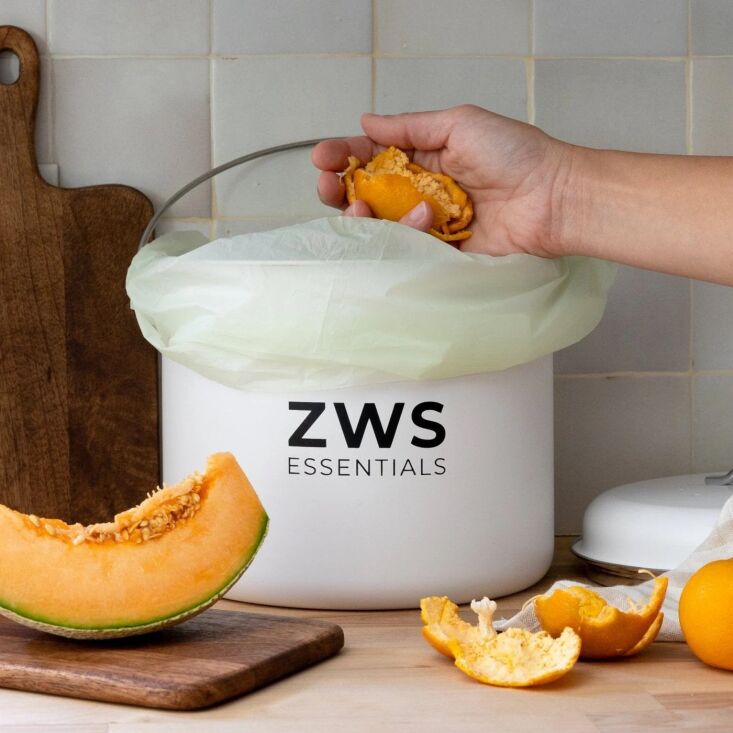
Maintenance Tips for a Stench-Free Kitchen
Even the best bin needs a little help to stay fresh. Follow these "Ethan Moore" approved tips to ensure your sustainable lifestyle doesn't come with an unpleasant aroma:
- The 1:2 Ratio: To prevent your bin from becoming a soggy mess, try to balance your "greens" (food scraps) with some "browns." Tearing up a bit of an egg carton or a brown paper bag and placing it at the bottom helps absorb moisture and balances the nitrogen-to-carbon ratio.
- The Vinegar Flush: Once a week, after emptying your bin, spray the interior with a mixture of 50% white vinegar and 50% water. Let it sit for five minutes before rinsing. This kills odor-causing bacteria and prevents stains on stainless steel.
- Keep it Cool: If your kitchen gets direct sunlight in the afternoon, move your compost bin to a shaded spot. Heat accelerates decomposition, which leads to smells and attracts fruit flies.
Expert Tip: If you find yourself struggling with fruit flies in the summer, try storing your scraps in a sealed container in the freezer until you are ready to take them to your outdoor bin or local collection point. This stops the decomposition process entirely.
FAQ
Q: Do I really need to use compostable liners? A: Not necessarily. While they make emptying easier, many bins (like the Bamboozle or Epica) are designed to be used without them. If you go liner-free, just ensure you're rinsing the bin regularly. If you do use liners, make sure they are certified "BPI Compostable" to ensure they actually break down.
Q: How often should I replace the charcoal filter? A: For most households, every 4 to 6 months is the sweet spot. However, if you live in a humid climate or compost high-moisture foods like melon rinds, you may need to replace them every 3 months.
Q: Can I put meat and dairy in my countertop bin? A: For standard bins (Epica, OXO, etc.), I recommend avoiding meat and dairy as they can create very strong odors and attract pests. However, if you are using an electric microbial composter like the GEME or Reencle, meat and dairy are usually perfectly fine.
Join the Zero-Waste Movement
Choosing the right kitchen compost bin is the first step toward a more organized, eco-friendly home. Whether you prioritize the high-end look of walnut, the industrial reliability of stainless steel, or the high-tech efficiency of an AI-powered unit, the tools available in 2026 make sustainability feel like a luxury rather than a chore.
Don't let food waste go to waste. Pick the bin that fits your style and start reducing your footprint today.