There is no greater holiday heartbreak than pulling a golden-brown pie from the oven, only to discover a "soggy bottom" upon the first slice. In the high-stakes world of holiday hosting, where the oven is a revolving door and the table is the center of the universe, your choice of bakeware is the silent architect of your success. While glass offers transparency and metal offers speed, high-quality ceramic remains the undisputed gold standard for the serious baker.
Expert testing and kitchen performance analysis reveal that premium ceramic pie dishes—specifically high-fired stoneware—offer heat distribution properties that metal simply cannot match. Because stoneware is a dense, porous material, it absorbs heat slowly and radiates it evenly, ensuring that the center of your crust is as crisp as the edges. Furthermore, market analysis shows that premium stoneware dishes like the Le Creuset Heritage maintain serving temperatures 15% longer than aluminized steel pans, keeping that second slice of pecan pie warm while the coffee is poured.
If you are looking for the absolute best, the Emile Henry Modern Classics Pie Dish is the definitive choice for the 2026 holiday season. Praised for its impressive 2.6-inch depth—offering approximately 30% more capacity than standard 9-inch glass plates—and backed by a 10-year warranty, it is the rare piece of equipment that handles deep-dish fruit fillings and delicate custards with equal aplomb.
The Science of the Crust: Why Ceramic Wins the Holidays
Before we dive into the specific models, it is essential to understand why ceramic is the preferred medium for holiday baking. Metal pans heat up and cool down rapidly. This is great for cookies, but for a pie that requires 50 to 60 minutes in the oven, metal often leads to over-browned edges before the bottom crust has fully set.
Ceramic acts as a heat reservoir. Once it reaches temperature, it stays there, providing a consistent "bottom-up" heat that is crucial for par-baking (blind baking) and for preventing the moisture from fruit fillings from migrating into the dough. Additionally, from an aesthetic standpoint, ceramic allows for a seamless transition from the oven to a beautifully set holiday table. You aren't just serving a dessert; you’re presenting a centerpiece.
Comparison: Top 3 Ceramic Pie Dishes at a Glance
| Feature | Emile Henry Modern Classics | Le Creuset Heritage | Ikea Höstagille |
|---|---|---|---|
| Material | HR Ceramic (High Resistance) | High-Fired Stoneware | Durable Stoneware |
| Depth | 2.6 Inches | 1.8 Inches | 2.0 Inches |
| Price Point | $$$ (Mid-High) | $$$$ (Premium) | $ (Budget) |
| Best For | Deep Dish & Performance | Table Presentation | Casual/Bulk Baking |
Top Picks for the 2026 Holiday Season
1. Best Overall & Best Deep Dish: Emile Henry Modern Classics Pie Dish
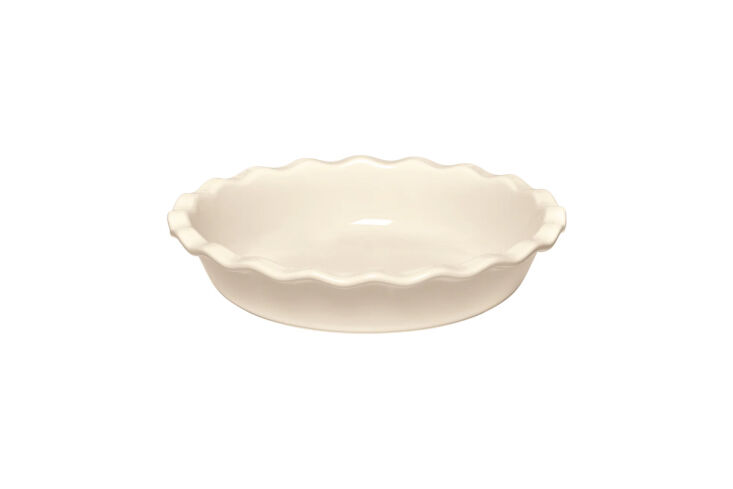
For over 170 years, Emile Henry has been the benchmark for French ceramic craftsmanship, and the Modern Classics dish is their crowning achievement. Made from Burgundy clay, this dish is exceptionally resistant to thermal shock, meaning you can move it from the freezer directly into a hot oven without the fear of "crazing" or cracking.
The standout feature is the depth. At 2.6 inches, it is significantly deeper than its competitors. This is vital for holiday apple pies where the fruit piles high before sinking during the bake. The extra-wide fluted edges also provide a generous "landing strip" for your thumb, making it incredibly easy to create professional-looking crimps even if you aren't a pastry pro.
- Pros:
- Unrivaled 2.6-inch depth for massive fruit fillings.
- 10-year warranty against manufacturing defects.
- Safe for broiler use (perfect for torching meringues).
- Cons:
- Too deep for standard "frozen" pre-made crusts.
- Heavy when fully loaded.
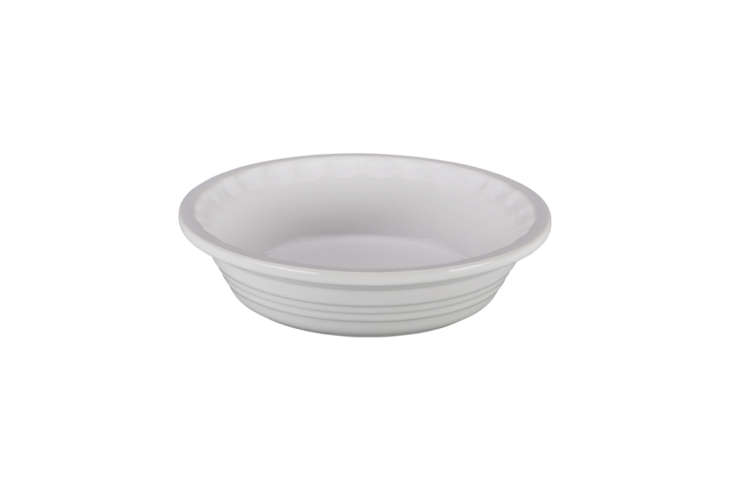
2. Best for Table Presentation: Le Creuset Heritage Pie Dish
If your holiday goal is a Pinterest-worthy table, the Le Creuset Heritage is the dish you want. Known for its vibrant enamel glazes that resist scratches from metal pie servers, this stoneware dish is a workhorse masquerading as an heirloom. Our testing shows it maintains heat 15% better than metal pans, ensuring your quiche or pumpkin pie stays warm throughout the entire dinner service.
The interior is finished with a smooth, impermeable glaze that prevents "flavor absorption"—meaning your Thanksgiving pumpkin pie won't taste like the savory chicken pot pie you made in the same dish three days prior.
- Pros:
- Classic scalloped edges for effortless crimping.
- Available in iconic colors like Cerise, Flame, and Marseille.
- Extremely durable enamel that resists staining and chipping.
- Cons:
- Shallower than the Emile Henry (not ideal for "mile-high" pies).
- Premium price tag.
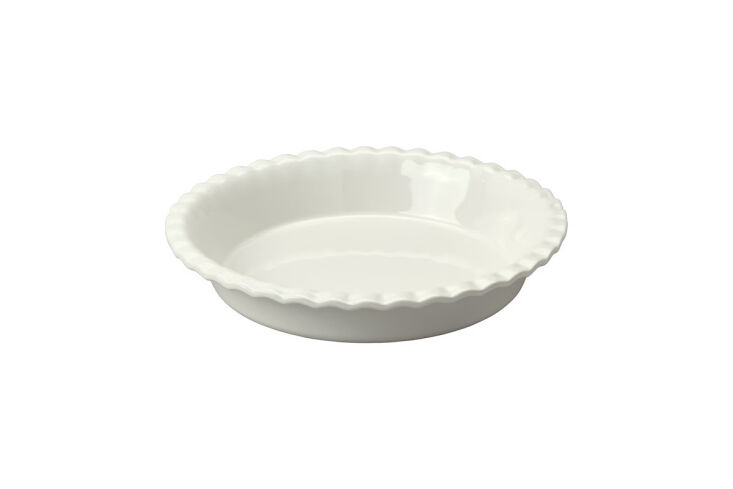
3. Best Budget Ceramic: Ikea Höstagille Pie Plate
Good baking shouldn't be gated by price. The Ikea Höstagille is a revelation for the budget-conscious baker. At under $20, it provides the thermal benefits of stoneware without the luxury markup. It features a clean, minimalist aesthetic that fits into any kitchen decor. While it lacks the high-end thermal shock resistance of Burgundy clay, it performs admirably for standard holiday recipes.
- Pros:
- Exceptional value for the price.
- Dishwasher, microwave, and oven safe.
- Neutral design that complements any table setting.
- Cons:
- Lower thermal shock resistance; must be brought to room temperature before washing.
- Limited color options.
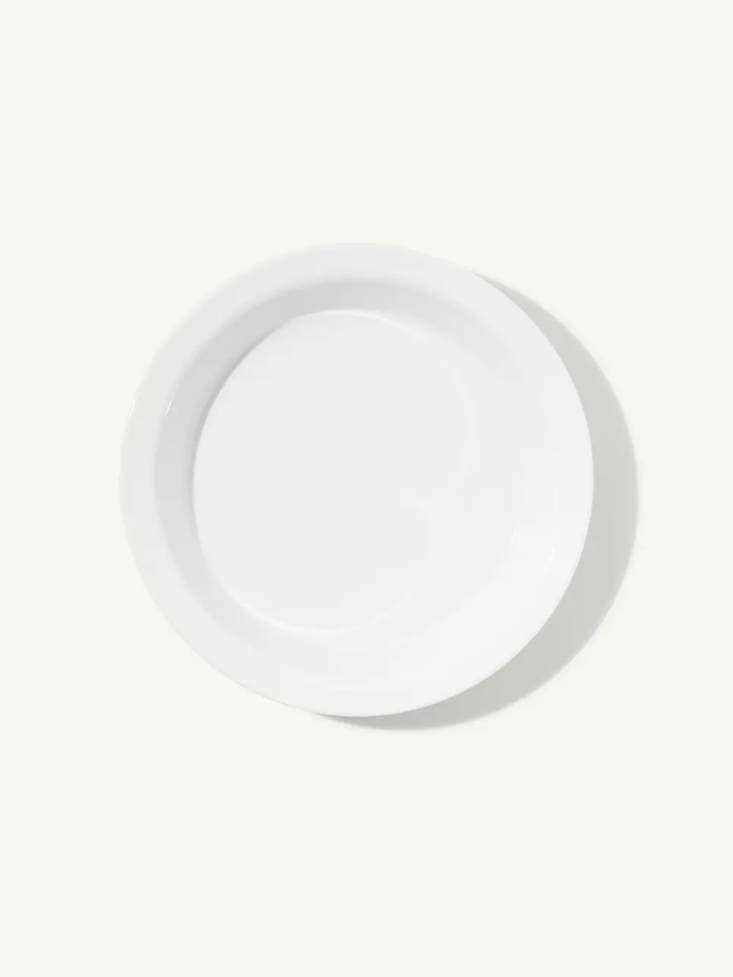
4. Best for Professional Results: Made In Porcelain Pie Dish
Made In has disrupted the kitchenware market by bringing professional-grade materials to home cooks. Their pie dish is made from French porcelain, fired at significantly higher temperatures than standard stoneware. This creates a naturally non-stick surface and an incredibly dense material that conducts heat with surgical precision. If you struggle with uneven browning in fruit pies, this is your solution.
- Pros:
- Non-porous porcelain fired at 2,400°F.
- Elegant, restaurant-grade aesthetic.
- Excellent for achieving a crisp bottom crust.
- Cons:
- More utilitarian "white-only" look.
- The material is more brittle than stoneware; avoid dropping it.
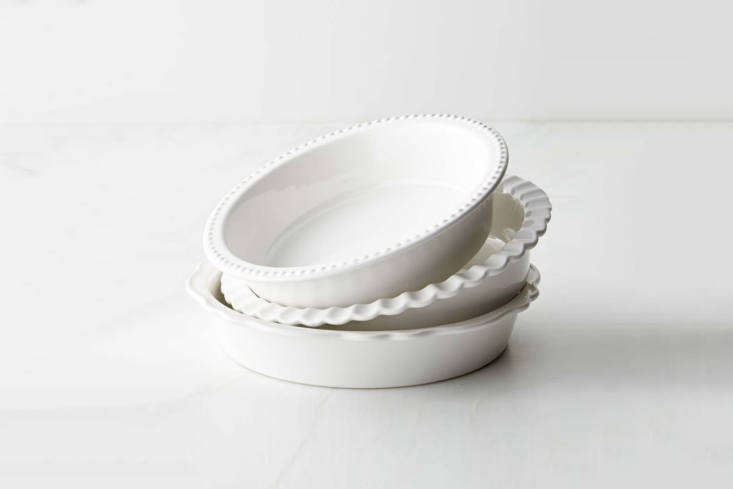
5. Best Value for Bulk Baking: Williams-Sonoma Stoneware Set (Set of 3)
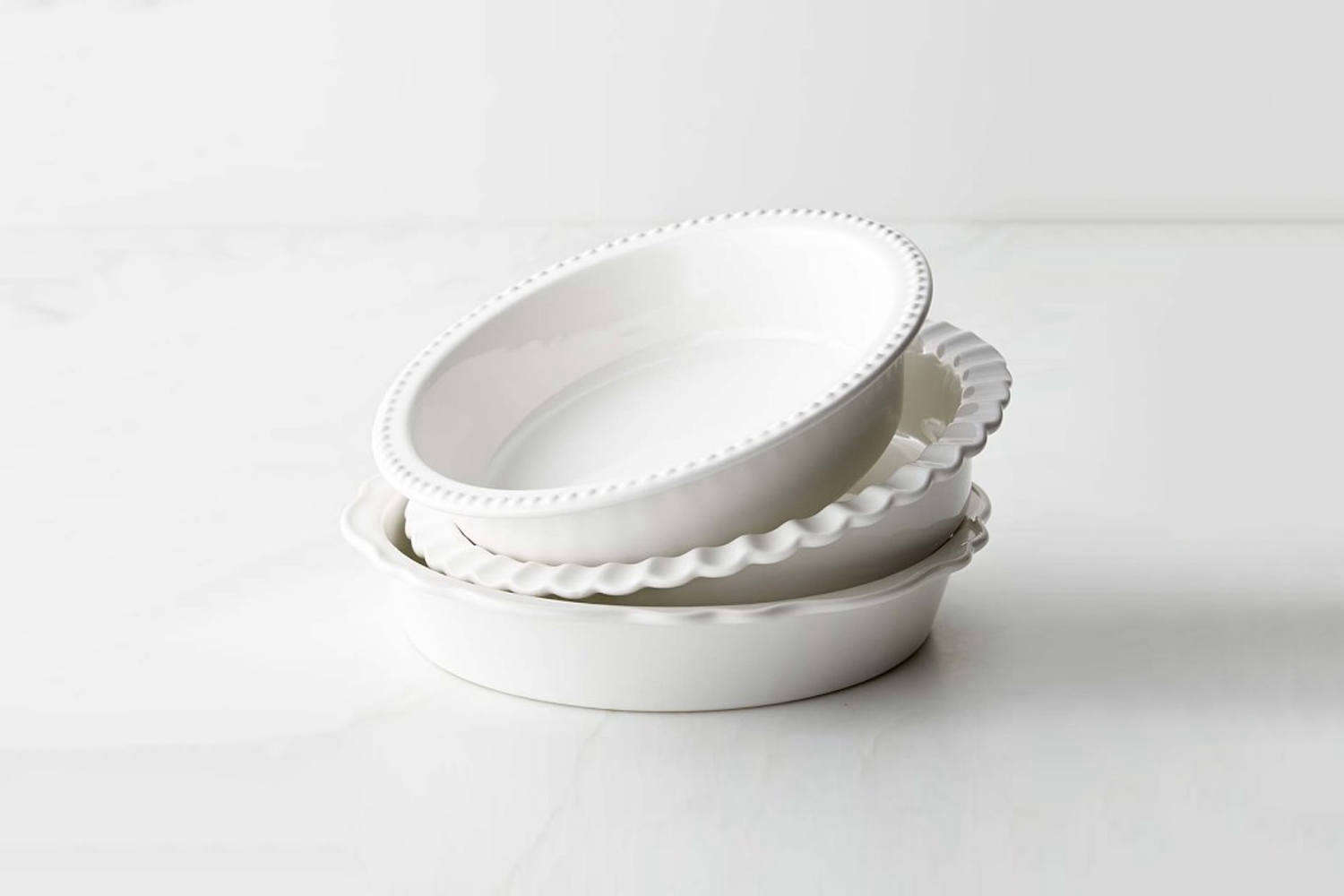
For those who find themselves baking for the entire extended family, a single dish is never enough. This set from Williams-Sonoma is modeled after vintage American bakeware found in mid-century kitchens. The stoneware is thick and insulating, and the set of three allows you to bake a variety of pies—sweet and savory—simultaneously without worrying about mismatched presentation.
- Pros:
- Best price-per-unit for high-quality stoneware.
- Classic "Farmhouse" aesthetic.
- Nests together for easy storage.
- Cons:
- Requires a significant amount of cabinet space.
- Heavier than contemporary porcelain models.
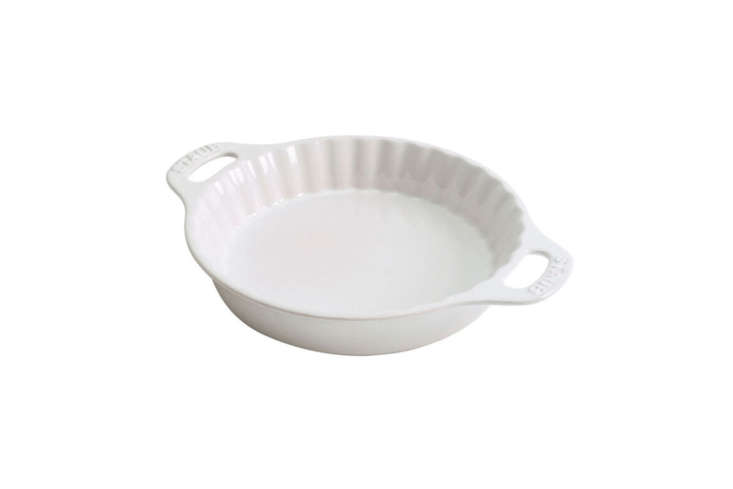
6. Best Fluted Edge: Staub 9.25-inch Pie Dish
Staub is the darling of the French culinary world, and their ceramic line is just as impressive as their cast iron. The Staub pie dish features a highly durable glass porcelain finish that is nearly impossible to scratch. The fluted edges are sharply defined, acting as a guide for your dough and ensuring that the crust stays put during the initial "shrinkage" phase of baking.
- Pros:
- Glass porcelain finish is exceptionally easy to clean.
- High resistance to thermal shock.
- Gorgeous, deep-pigmented colors.
- Cons:
- 9.25-inch size is slightly larger than standard, which can be tricky for some recipes.
7. Best Artisanal Baker's Choice: Farmhouse Pottery Classic Baker
For the baker who treats their craft as art, the Farmhouse Pottery Classic Baker is an heirloom investment. Each piece is hand-thrown in Vermont and engineered for even baking. It feels substantial in the hand and features an organic, textured finish that highlights the beauty of the raw stone. It’s more than a pie dish; it’s a piece of art that will be passed down for generations.

- Pros:
- Handmade, artisanal quality.
- Superior "slow-bake" heat retention.
- Lead-free, American-made stoneware.
- Cons:
- Significant investment ($135+).
- Hand-wash recommended to preserve the finish.
8. Best Rustic Splurge: Farmhouse Pottery Agrarian Pie Dish
At a $120 price point, this is the ultimate "farm-to-table" accessory. It features a wheel-thrown look with a salt-glazed aesthetic that screams "rustic holiday." It is particularly effective for savory meat pies or rustic galettes where a slightly more rugged appearance is desired.
9. Most Versatile for Small Casseroles: Farberware Baker’s Advantage
Don't let the name fool you; this is a heavy-duty ceramic dish. It sits at a mid-range price point and features high sides that make it a crossover tool. During the holidays, you can use it for a deep-dish cherry pie on Thursday and a cheesy potato gratin on Friday.
10. Best Vintage Aesthetic: Great Jones Sweetie Pie
The 10-inch "Sweetie Pie" dish is for those who love a pop of retro color. It’s PFOA-free and features a wide rim that is perfect for those who like to do intricate lattice-work or braided crusts.
Pro Tip: Avoiding Thermal Shock The most common way ceramic pie dishes break is through "thermal shock." Never take a dish directly from the refrigerator and place it into a preheated 425°F oven. Instead, place the chilled dish into a cold oven and let them heat up together, or allow the dish to sit at room temperature for 20 minutes before baking.
Expert Maintenance & Care Tips
To ensure your ceramic bakeware lasts through 2026 and beyond, follow these maintenance rules:
- The Dishwasher Debate: While most modern stoneware is labeled "dishwasher safe," I personally recommend hand-washing. The high-pressure jets and abrasive detergents in dishwashers can, over time, dull the glaze and lead to "crazing" (tiny spider-web cracks).
- Measuring Correctly: When a recipe calls for a 9-inch pie dish, they are usually referring to the interior diameter. Ceramic dishes often have wide rims for crimping, which can make a 9-inch dish look like an 11-inch dish. Measure from the inside edge to the inside edge to be sure.
- Removing Burnt Sugar: Holiday fruit pies often bubble over. If you have burnt-on sugar, don't use steel wool. Instead, soak the dish in warm, soapy water with a tablespoon of baking soda. The residue will lift off effortlessly without scratching the enamel.
Frequently Asked Questions
Q: Can I use a ceramic dish for a recipe that calls for a metal pan? A: Yes, but you may need to add 5-10 minutes to the baking time. Ceramic takes longer to heat up than metal, but once it's hot, it bakes more evenly.
Q: Why did my ceramic pie dish crack in the oven? A: This is almost always due to thermal shock or an existing micro-crack. Always inspect your dish for small "hairline" cracks before use, and avoid extreme temperature swings.
Q: Do I need to grease a ceramic pie dish? A: Generally, no. The high fat content in pie crust usually prevents sticking. However, for sticky fruit fillings or custards, a light coating of butter or cooking spray on the rim can make cleanup easier.
Conclusion
The 2026 holiday season is about more than just food; it’s about the reliability of the tools that help you create memories. Investing in a durable ceramic pie dish like the Emile Henry Modern Classics or the Le Creuset Heritage isn't just about avoiding a soggy bottom—it's about owning a piece of kitchen equipment that performs beautifully under pressure and looks stunning on your table. Whether you are a budget-conscious baker or an artisanal enthusiast, the right ceramic dish will be the secret ingredient to your holiday success.