I’ve spent the better part of a decade walking through tiny studios in the East Village and compact lofts in Tokyo, and if there’s one thing I’ve learned, it’s that a small kitchen isn’t a limitation—it’s an invitation to be more intentional. We often think of "storage" as a way to hide our things, but in a compact space, true organization is about creating a system that supports our daily rhythm.
Recent market data for 2026 suggests a profound shift in how we view these spaces. With a 68% increase in demand for multi-functional kitchen furniture among urban dwellers living in under 600 square feet, the industry is finally catching up to the reality of compact living. We aren’t just looking for "small" appliances anymore; we are looking for "stealth" solutions that blend form and function seamlessly. By adopting strategic vertical storage alone, we can increase the effective capacity of a small kitchen by as much as 35%.
The goal isn't just to fit more plates into a cupboard; it's to reduce the decision fatigue that comes from digging through cluttered drawers. When every tool has a "home" defined by its task, the kitchen transforms from a source of stress into a functional sanctuary.
1. Conquer the Vertical Frontier
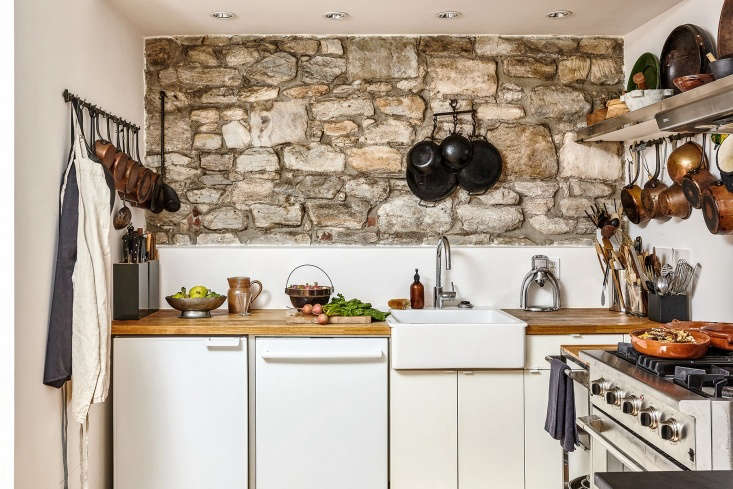
When floor space is at a premium, we must look up. Most standard kitchen designs leave a "dead zone" between the top of the cabinets and the ceiling—a space that inevitably becomes a dust trap. In my own renovations, I always advocate for extending cabinetry all the way to the ceiling. Even if you need a step stool to reach the top shelf, that space is invaluable for seasonal items like holiday platters or large stockpots.
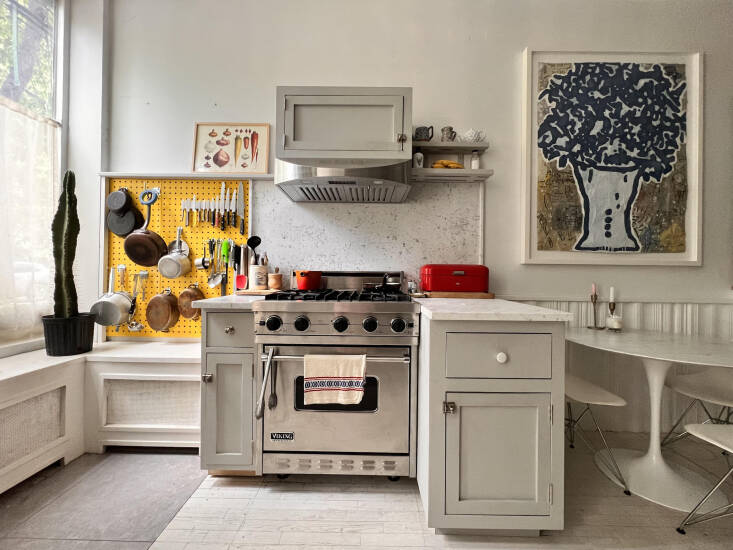
If built-in cabinetry isn’t an option, the humble pegboard is your best friend. Borrowed from the world of workshops and popularized by culinary icons like Julia Child, a DIY pegboard allows you to customize your storage based on the tools you actually use. It keeps your most-reached-for pans and ladles at eye level and frees up precious drawer space for smaller items.
How do you maximize storage in a tiny kitchen? Utilize every inch of vertical space by extending cabinets to the ceiling, installing DIY pegboards for accessible tool storage, and using under-shelf baskets to reclaim the "dead air" beneath existing shelves.
2. Implement Task-Based 'Zoning'
The secret to a kitchen that feels twice its size is "zoning." Instead of grouping items by type (all plastics here, all glass there), we group them by task. Think of your kitchen as a series of specialized stations:
- The Coffee Corner: Keep your beans, grinder, filters, and mugs all within arm's reach of the machine.
- The Meal Prep Zone: This area should house your cutting boards, knives, and mixing bowls near your primary counter space.
- The Cleanup Station: Dish soap, scrubbers, and drying racks should live in a tight radius around the sink.
By keeping "first-reach" items at eye level within these zones, you eliminate the cross-kitchen shuffle. You’ll find that even in a kitchen the size of a postage stamp, you can move with the efficiency of a professional chef.
How does task-based organization improve small kitchens? By grouping tools into specific zones, you reduce decision fatigue and physical movement. This prevents "clutter creep," where items from one task migrate across limited counter space, making the kitchen feel overwhelmed.
3. Reclaim Dead Space with Smart Inserts
The biggest enemies of organization are deep, dark corners and high, unreachable shelves. This is where "dead space" lives—the three inches of air above your mugs or the back corner of a lower cabinet where Tupperware goes to die.
We recommend a two-pronged approach:
- Under-Shelf Baskets: These wire baskets slide onto existing shelves, creating a "mezzanine" level for flat items like wraps, napkins, or snack packs.
- Tiered Risers: For your pantry, use stadium-style tiered risers. They ensure that every can and jar is visible, preventing you from buying a third jar of cumin because the first two were hidden in the back.
4. The 2026 Drawer Toolkit Method
In 2026, we are officially declaring the "junk drawer" obsolete. The modern approach to drawer organization involves a modular toolkit method. Instead of one large, messy divider, use individual inserts that fit your specific inventory.
- Long Lanes: Reserved for spatulas, whisks, and rolling pins.
- Small Compartments: Perfect for measuring spoons, wine stoppers, and tea strainers.
- Stackable Solutions: For deep drawers, use two-tier sliding inserts. This allows you to utilize the full volume of the drawer without losing sight of the items at the bottom.
5. Multi-Functional Furniture: The Stealth Kitchen
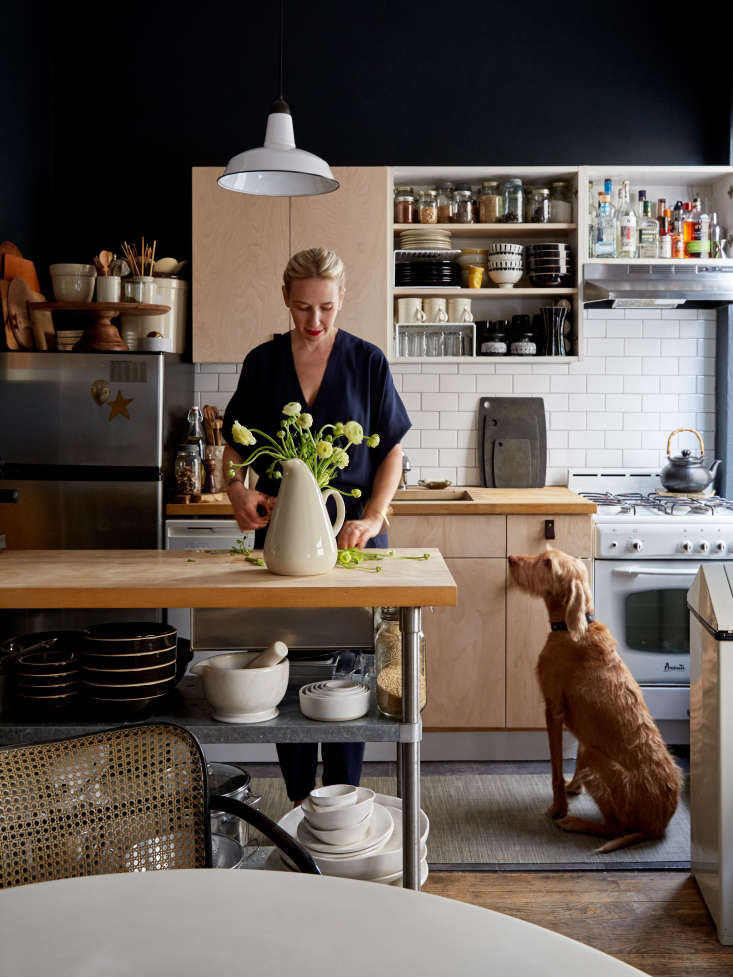
When your kitchen is part of your living room, the furniture needs to work double duty. The trend toward "stealth kitchens" is all about minimizing the utilitarian look of appliances. Mobile islands are the heroes of this movement.
A slim rolling cart—specifically those in the 4-to-6-inch width range—can slide into the gap between your fridge and the wall, acting as a hidden pantry for oils and spices. Meanwhile, a mobile island with a butcher-block top provides extra prep space when you're cooking and can be pushed against a wall to serve as a bar or sideboard when you're entertaining.
6. Pro-Grade Tool Upgrades for Small Footprints
As we look toward the compact kitchen gear of 2026, the mantra is "nest, fold, or multitask." If a tool only does one thing and takes up a cubic foot of space, it doesn't belong in a tiny kitchen.
We look for tools that have a minimal footprint without sacrificing professional power. For example, instead of a heavy, 25-pound stand mixer that requires a permanent home on the counter, many pros are moving toward the NutriMill Artiste. At only 11 pounds, it’s powerful enough for bread dough but light enough to be tucked into a cabinet.
What are the best tools for a compact kitchen? Essential space-savers include collapsible silicone colanders, nesting mixing bowls, and slim rolling carts. Choose high-utility, lightweight appliances that can be easily stored when not in use.
2026 Compact Gear Comparison Table
| Tool Category | The "Space-Waster" (Old Standard) | The "Space-Saver" (2026 Pick) | Why It Wins |
|---|---|---|---|
| Mixing | Heavy, fixed-head stand mixer | NutriMill Artiste (11 lbs) | Power of a pro mixer with half the weight. |
| Straining | Rigid stainless steel colander | Collapsible silicone colander | Folds flat to 1-inch height for drawer storage. |
| Drying | Fixed wire counter rack | Over-the-sink roll-up rack | Frees up counter space; rolls away when dry. |
| Prep | Set of 5 bulky wooden boards | Set of 3 nesting bamboo boards | Minimal thickness; stands upright in slim gaps. |
7. Optimizing Cabinet Accessibility
If you have to get on your hands and knees to find a pot, the system is broken. We advocate for installing pull-out sliding shelves in every lower cabinet. It’s a relatively simple DIY project that transforms "cabinet diving" into a smooth, ergonomic experience.
Don't forget the backs of your doors. These are prime real estate for slim racks that hold cutting boards, pot lids, or even a system for measuring cups. It’s about using the "depth" of the door that would otherwise be empty air.
8. The Uniform Pantry System
Visual clutter is the number one reason small kitchens feel claustrophobic. When you open your pantry and see a riot of colorful bags, boxes, and clips, your brain perceives it as "mess," even if everything is technically in its place.
The solution is the Uniform Pantry System. Transition your dry goods into clear, stackable Tritan containers.
- Square over Round: Always choose square or rectangular containers; they sit flush against each other, whereas round containers leave wasted "negative space" in the corners.
- Visual Inventory: Being able to see that you’re low on flour at a glance prevents over-buying and cabinet overflow.
9. Spice Organization: Visible and Reachable
Spices are notoriously difficult to organize. They are small, numerous, and usually end up in a jumbled heap. To reclaim your cabinet space, look to magnetic surfaces.
Magnetic spice tins can be attached to the side of your refrigerator or a mounted metal plate. This turns your spice collection into a functional piece of wall art. If you prefer keeping them in cabinets, a pull-down spice rack is a game-changer for high shelves, bringing the back row of jars down to eye level with a simple tug.
10. The 2-Minute Reset Routine
Even the most sophisticated system will fail without a maintenance routine. We recommend the "2-Minute Reset" every evening.
- Wipe the Shelves: Quickly clear crumbs to prevent that "grimy" kitchen feeling.
- Category Alignment: Ensure the oils are back in the oil zone and the coffee scoops are back in the coffee corner.
- The 'Use First' Bin: Keep a small open bin for packages that are already open (like half a bag of pasta). Check this bin before opening anything new to reduce waste and bulk.
Quick Tip: "Don't organize what you can discard. Before buying new bins, do a ruthless declutter of your gadgets. If you haven't used that avocado slicer in six months, a knife works just as well and takes up zero extra space."
FAQ
Q: I’m a renter and can’t install permanent shelves. What are my best options? A: Tension rods and over-the-door organizers are your best friends. You can use tension rods inside cabinets to create vertical dividers for cookie sheets, or even under the sink to hang spray bottles. Command hooks are also excellent for hanging lightweight items like measuring spoons or oven mitts without damaging the walls.
Q: How do I handle a kitchen with no pantry at all? A: This is where a "Bakers Rack" or a dedicated tall shelving unit comes into play. If you have a small slice of wall in a nearby hallway or dining nook, use it to create an "open pantry." Use the Uniform Pantry System mentioned in Hack #8 to ensure it looks intentional and aesthetic rather than cluttered.
Q: Are collapsible kitchen tools actually durable? A: In 2026, the quality of food-grade silicone has drastically improved. High-quality collapsible colanders and measuring cups are designed to withstand hundreds of "folds" and are generally dishwasher safe. They are a worthwhile investment for the space they save.
Ready to Transform Your Space?
Creating a functional small kitchen isn't about having less—it's about having better. By focusing on verticality, task-based zones, and multi-functional gear, you can turn a cramped kitchenette into a high-performance culinary hub.