The kitchen has always been the heart of the home, but as we move into 2026, it is undergoing a profound transformation. We are shifting away from the era of "disposable convenience"—the era of plastic wrap, synthetic sponges, and chemical-laden cookware—and entering a period of intentional utility. For the modern homeowner or renter, a gift is no longer just an object; it is an investment in a lower-impact lifestyle.
Choosing the right kitchen tools "removes friction" from sustainable living. When a tool is beautiful, durable, and ecologically sound, the act of cooking becomes a ritual rather than a chore. Whether you are shopping for a seasoned eco-minimalist or someone just beginning their zero-waste journey, these thirteen essentials represent the pinnacle of sustainable design for the coming year.
Sustainable Gifting at a Glance
- The Best Picks for 2026: Bamboo palm dish brushes, reusable beeswax bread bags, and wool dish drying mats offer high-quality, plastic-free alternatives to everyday essentials.
- Why it Matters: Sustainable tools utilize biodegradable materials like bamboo, wool, and copper, significantly reducing microplastic shedding and "Forever Chemical" exposure.
- Pro Tip: To build a thoughtful gift set, bundle high-use items like solid dish soap in refillable porcelain with plant-fiber brushes and upcycled denim oven mitts.
Why Sustainable Kitchen Tools are the Ultimate 2026 Gift
The "ripple effect" of a single sustainable purchase is more measurable today than ever before. We aren't just buying a brush; we are funding global restoration. For instance, impact-driven brands like @BambuuBrush have distributed more than 5,578,000 bamboo kitchen products to date, directly funding environmental cleanup initiatives worldwide. This scale of impact is why eco-conscious gifting has moved from the niche to the mainstream.
In 2026, the "best" tools are defined by their lifecycle. We look for items that are either infinitely recyclable (like copper and stainless steel) or fully compostable (like bamboo and wool). This shift is driven by a growing awareness of microplastics—tiny particles shed by synthetic sponges and nylon utensils that inevitably find their way into our local waterways and, eventually, our food chain.
Top 13 Eco-Friendly Kitchen Picks for Every Home Chef
1. The Wool Dish Drying Mat (Sonoma Wool Co.)
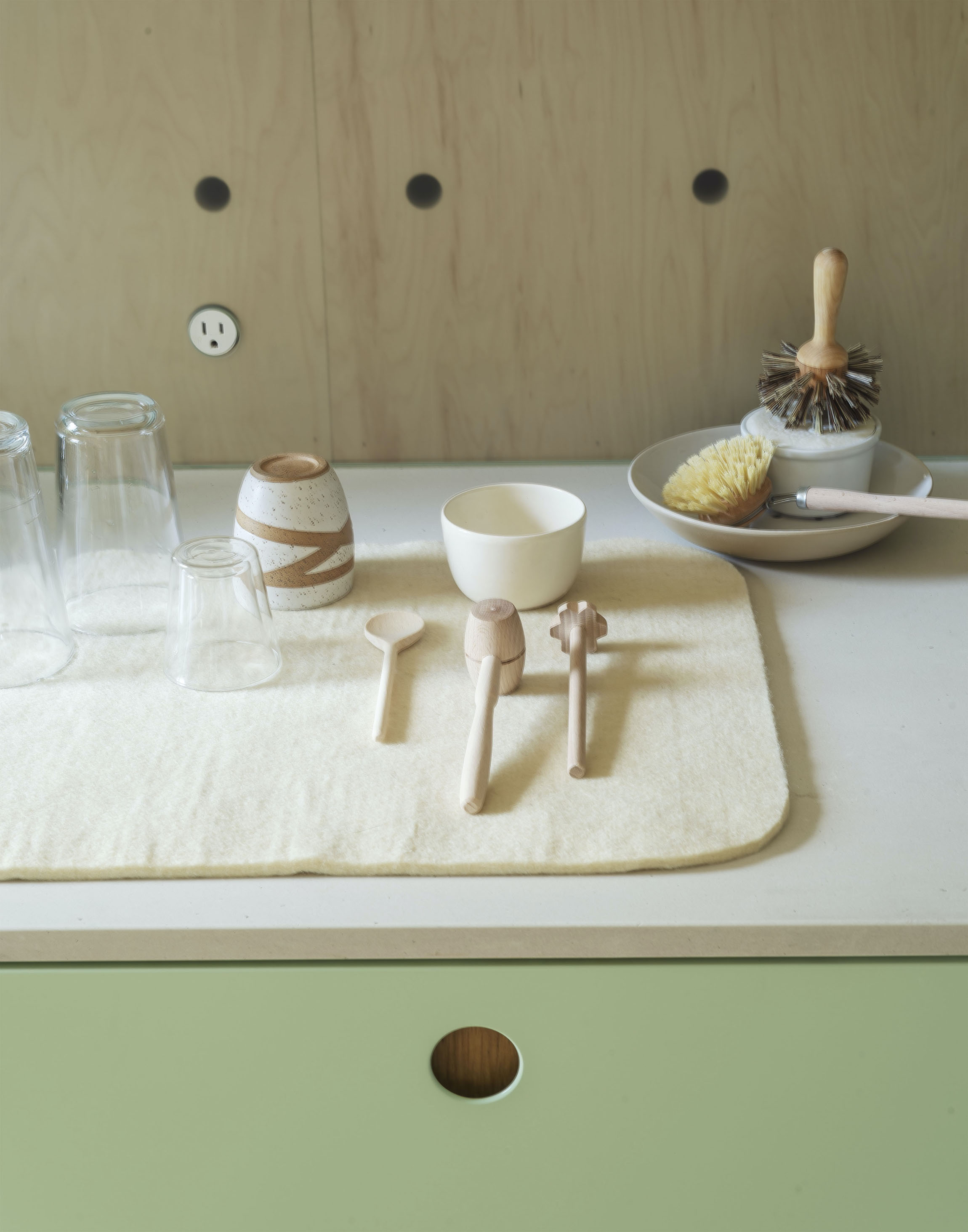
For years, the standard solution for drying dishes was a synthetic microfiber mat—essentially a sheet of plastic that traps bacteria and eventually ends up in a landfill. The Sonoma Wool Co. dish drying mat is a revelation in material science. Natural wool can absorb up to 30% of its own weight in moisture while remaining naturally resistant to mildew and mold without any chemical treatments. It is a breathable, biodegradable, and incredibly elegant addition to any countertop.
2. Solid Dish Soap in Refillable Porcelain Bowl
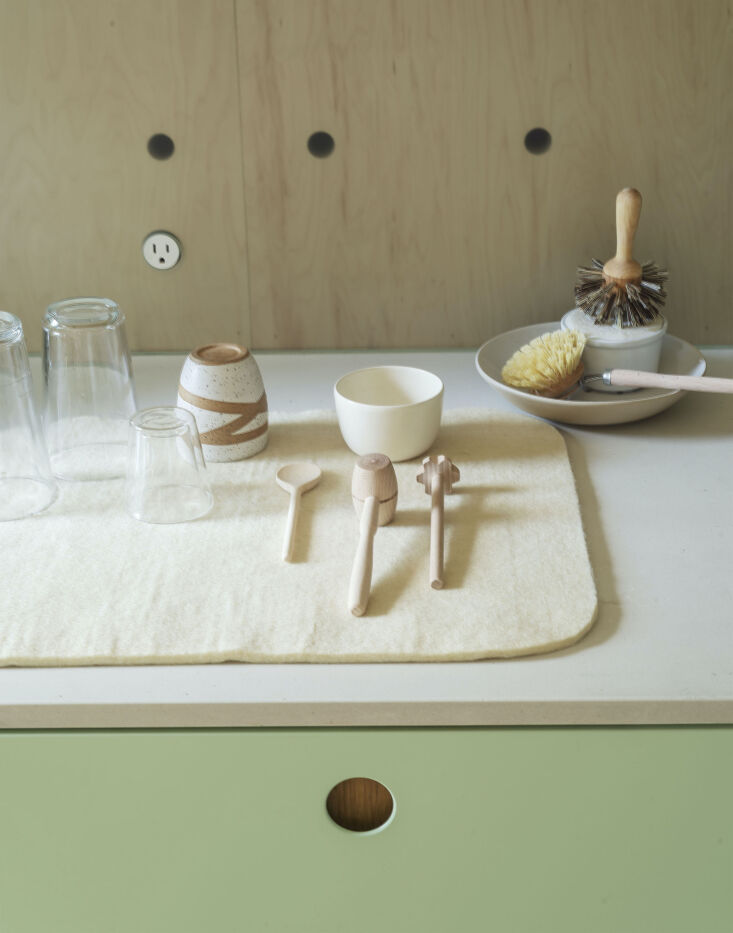
Moving away from liquid soap in plastic bottles is one of the easiest ways to reduce kitchen waste. We highly recommend the Ardent Goods solid dish soap. It arrives in a beautiful, heavy porcelain bowl that looks like a piece of art sitting by the sink. Once the soap is gone, you simply pop in a concentrated refill. It’s a high-performance formula that cuts through grease without the need for synthetic surfactants.
3. Bamboo Palm Dish Washing Brush
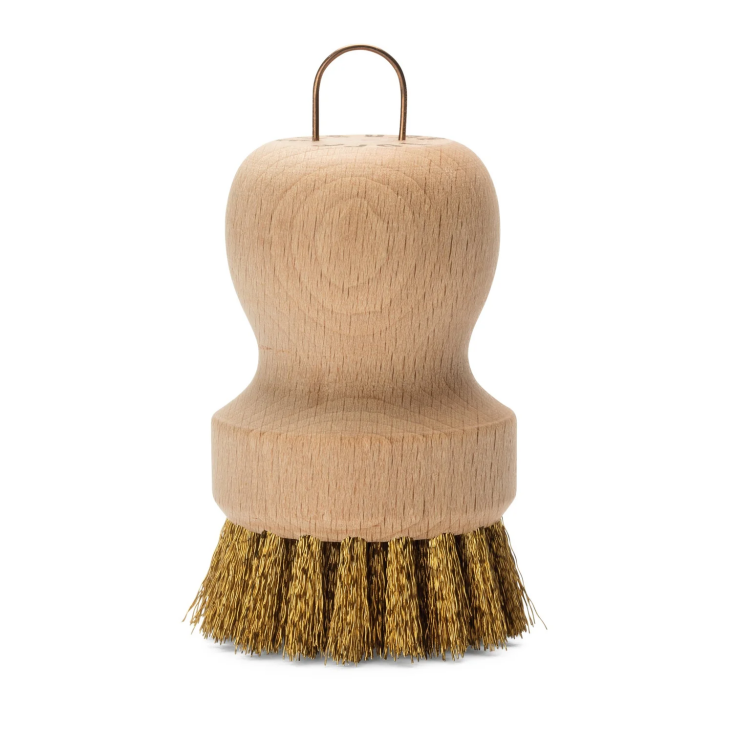
The humble plastic sponge is a major contributor to microplastic pollution. A bamboo palm brush, however, utilizes 100% biodegradable plant-fiber bristles (usually agave or coconut). These brushes are ergonomically designed to fit the palm, providing better leverage for scrubbing cast iron or stubborn baking sheets. When the bristles finally wear out, the entire head can be composted.
4. Reusable Striped Beeswax Bread Bag
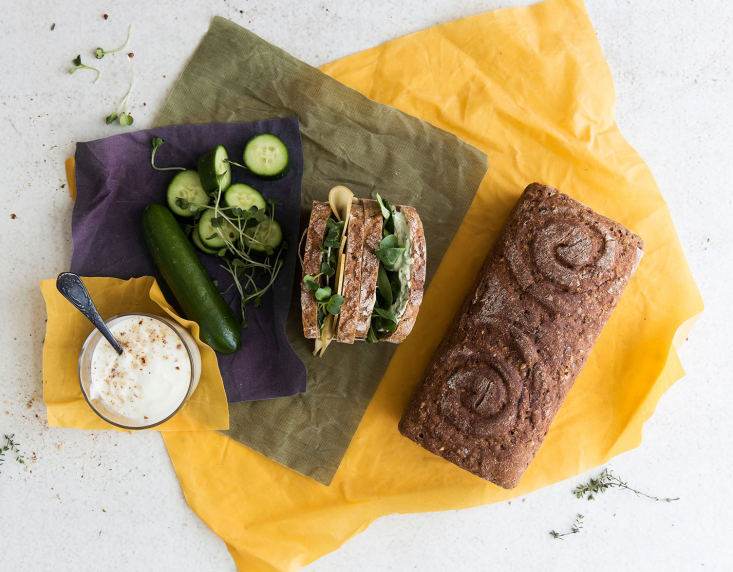
Plastic bread bags are a relic of the past. For the sourdough baker or the artisanal loaf enthusiast, a beeswax bread bag is an essential upgrade. These bags use the natural antibacterial properties of beeswax and jojoba oil to keep crusts fresh and interiors soft without the "sweating" that happens in plastic. They are washable, reusable for up to a year, and fully compostable at the end of their life.
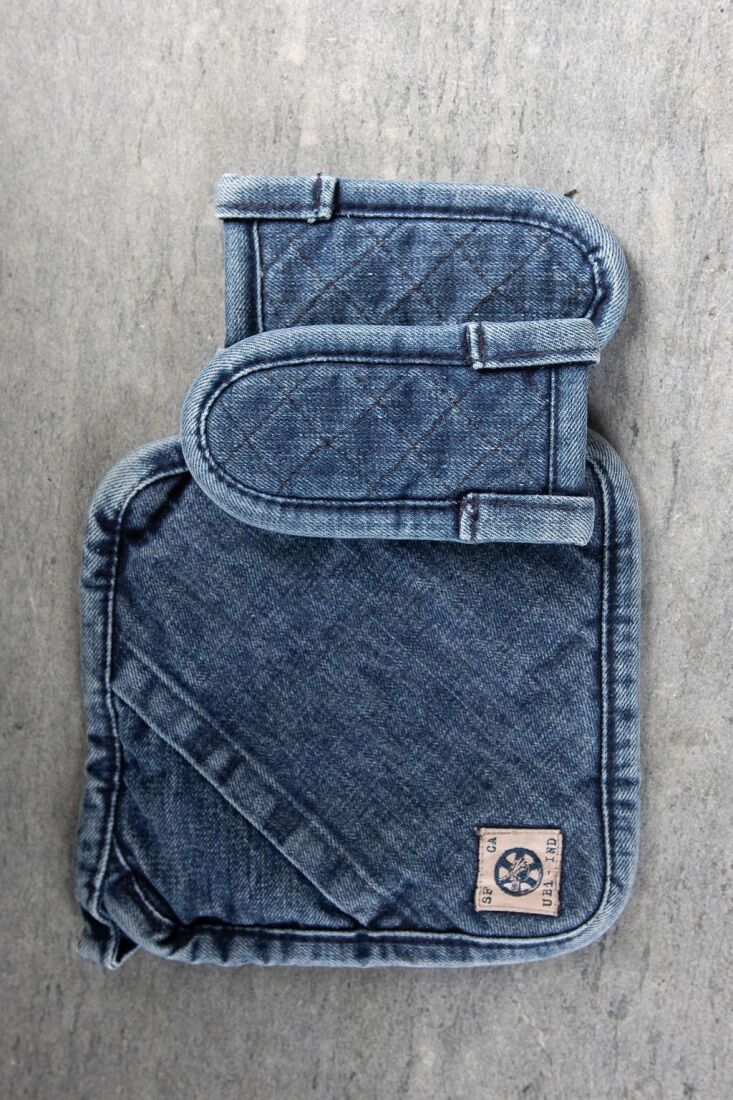
5. Denim Oven Mitts from Recycled Selvedge Denim
Textile waste is a massive environmental burden, which makes upcycled gifts particularly meaningful. These oven mitts are crafted from recycled US-made selvedge denim. They are significantly more durable than the thin, quilted cotton versions found in big-box stores. The dense weave of high-quality denim provides excellent heat protection while giving a second life to premium fabric scraps.
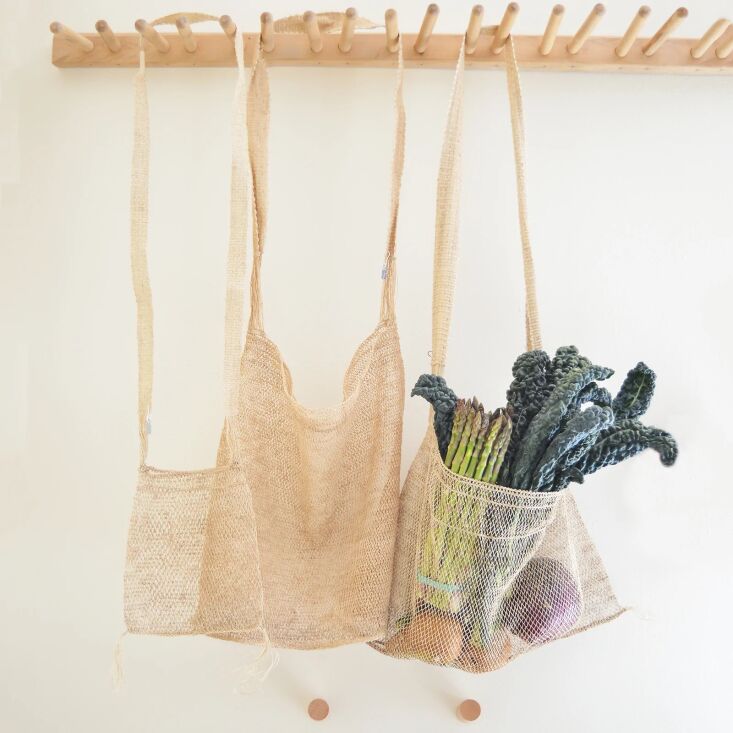
6. Hand-Knotted Natural Vine Net Bags
Storage is often an overlooked aspect of the sustainable kitchen. These hand-knotted bags, made from perennial vines in Laos, are a testament to traditional craftsmanship. They are incredibly strong, capable of holding heavy loads of potatoes or squash, and their breathable nature prevents the premature rotting that occurs in plastic produce bags. They bring a warm, organic texture to the kitchen pantry.
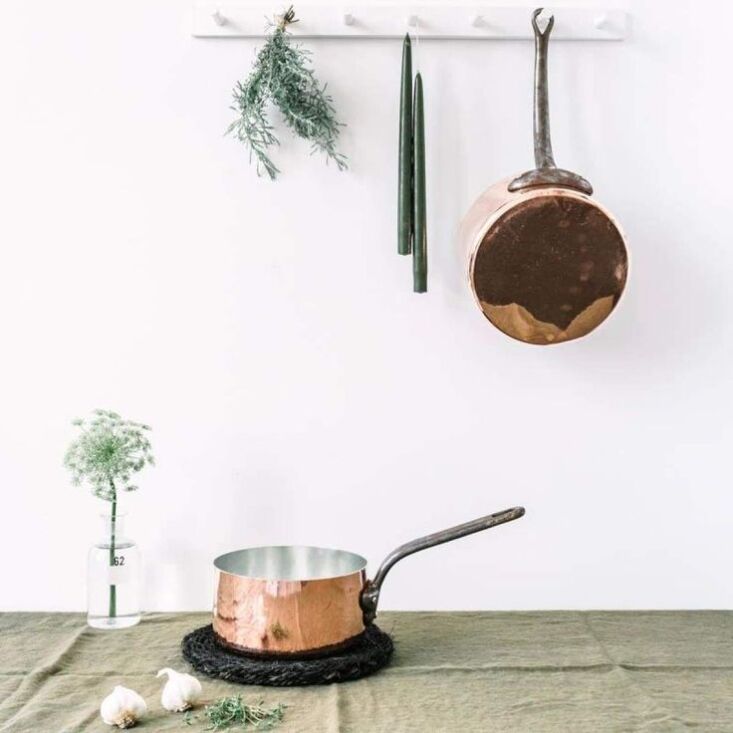
7. Re-Tinned Vintage Copper Saucepan
If you want to give a "forever" gift, look no further than vintage copper. Copper is the gold standard for heat conductivity, but modern mass-produced versions are often thin and poorly lined. A re-tinned vintage piece has been restored to a "better than new" state. It’s a legacy tool that can be handed down through generations, outperforming any ceramic or non-stick pan on the market.
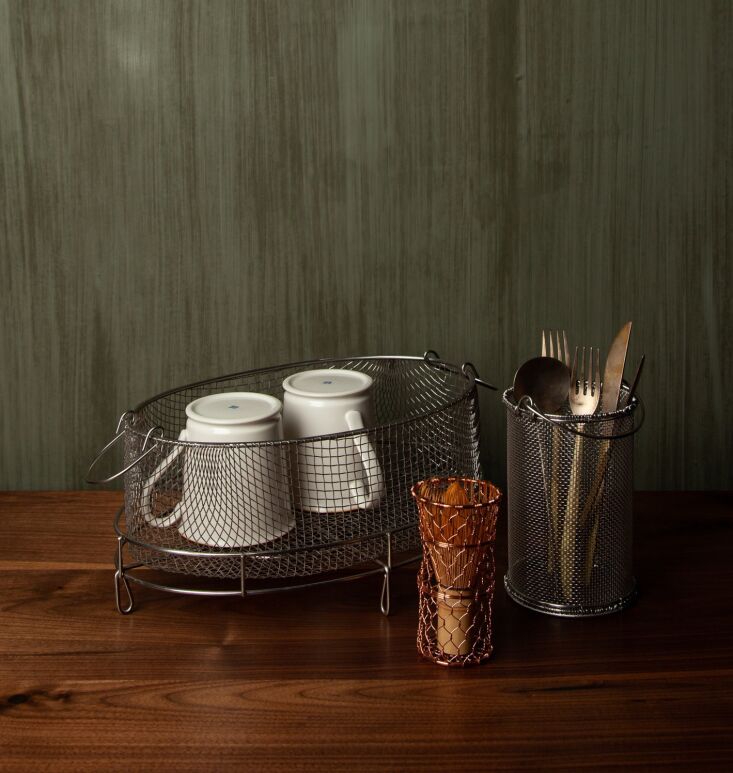
8. Stainless Woven Utensil Holder (Kyoto Artisanal)
Sustainability is often found in the intersection of beauty and longevity. This utensil holder is crafted by a family business in Kyoto that has been perfecting metalwork since 1889. Unlike plastic or cheap wire organizers that rust and break, this woven stainless steel piece is a functional heirloom. It allows for airflow, keeping wooden spoons dry and preventing mold.
9. Digital Kitchen Scale for Precision Prep
While it may seem like a high-tech outlier, a digital scale is a powerful waste-reduction tool. Precision measuring ensures that recipes come out perfectly every time, reducing food waste from failed bakes. Furthermore, it eliminates the need for multiple plastic measuring cups, streamlining the cleanup process.
10. PFAS-Free Ceramic Nonstick Skillet
In 2026, we are finally seeing a massive shift away from "Forever Chemicals." Traditional non-stick pans use PTFE (Teflon), which can release toxic fumes at high temperatures. Modern ceramic non-stick coatings are derived from sand and are completely free of PFAS, PFOA, and GenX chemicals. They provide the convenience of non-stick without the health risks.
11. Bamboo Vegetable Scrub Brush
A simple, effective tool for the farm-to-table enthusiast. Sourced from fast-growing, renewable bamboo, these brushes allow you to clean root vegetables thoroughly without peeling away the nutrient-dense skins. It’s a small swap that encourages a "root-to-stem" cooking philosophy.
12. Silicone Spatula with One-Piece Design
While we love natural materials, medical-grade silicone is an excellent sustainable choice for durability. A one-piece design is crucial; it prevents the head from popping off or trapping food particles and bacteria in a wooden handle joint. It’s heat-resistant, protects your non-stick surfaces from scratches, and lasts for decades.
13. Reusable Cotton Buds with Bamboo Stems
The zero-waste kitchen extends to the small details. Many use cotton buds for detailed cleaning in tight spots or for applying oils to wooden boards. Switching to bamboo-stemmed buds ensures that every part of the tool is 100% biodegradable, eliminating a common source of plastic pollution found in beach cleanups.
Material Deep Dive: Why PFAS-Free and Biodegradable Matter
When we talk about "sustainable" tools, we are often talking about material safety. For years, the cookware industry relied on PFAS (per- and polyfluoroalkyl substances), often called "Forever Chemicals" because they do not break down in the environment or the human body. By 2026, regulations have tightened, and the "GenX" chemicals once used as replacements are also being phased out due to similar health concerns.
Sustainable tools are superior because they eliminate these risks at the source. By choosing biodegradable plant fibers and natural minerals, we protect our indoor air quality and our water systems.
Materials at a Glance: The Better Choice
| Material | Impact | Longevity | End-of-Life |
|---|---|---|---|
| Bamboo | High (Renewable) | 2-5 Years | Compostable |
| Plastic | Low (Petroleum) | 1-3 Years | Landfill / Microplastics |
| Wool | High (Natural) | 5-10 Years | Compostable |
| Stainless Steel | High (Recyclable) | Lifetime | Recyclable |
| Ceramic | High (Non-toxic) | 3-7 Years | Inert Waste |
| PTFE (Teflon) | Low (Chemical) | 1-2 Years | Hazardous Waste |
Gifting Guide: How to Build a Thoughtful Sustainable Set
The most impactful gifts are those that solve a daily problem. Instead of a single item, consider creating a "themed bundle" that makes the transition to a sustainable lifestyle seamless for the recipient.
- The "Zero-Waste Sink" Bundle: This is my favorite starter set. Combine the Sonoma Wool drying mat, the Ardent Goods solid soap, and a bamboo palm brush. It completely replaces the plastic bottles and synthetic sponges that clutter the sink area.
- The "Artisanal Baker" Bundle: Perfect for the friend who spent the last year perfecting their crust. Include the striped beeswax bread bag, a bamboo vegetable brush (for cleaning baking stones), and the upcycled denim oven mitts.
- The "Legacy Chef" Bundle: For the serious cook, a re-tinned vintage copper saucepan paired with the Kyoto woven utensil holder is a gift that defines a kitchen for a lifetime.
Lucas’s Tip: When wrapping these gifts, skip the glossy paper. Use a hand-knotted vine net bag or a scrap of vintage fabric (Furoshiki style) to keep the entire presentation plastic-free and purposeful.
FAQ
Are bamboo tools really better than plastic if they eventually wear out? Absolutely. While a bamboo brush won't last forever, its "death" is productive. It can be returned to the earth via a compost bin. Plastic, conversely, breaks down into microplastics that persist in the environment for centuries.
How do I clean a wool dish drying mat? Wool is naturally antimicrobial, so it doesn't need to be washed as often as cotton. Simply hang it to air dry between uses. If it gets soiled, a gentle hand wash with cool water and a mild detergent is all it needs. Avoid the dryer, as heat can shrink the fibers.
Is ceramic non-stick as "non-stick" as traditional Teflon? In 2026, ceramic technology has caught up. While you may need a tiny drop of oil for the slickest experience, the trade-off—eliminating "Forever Chemicals" from your food—is well worth it.
Take Action for a Greener Kitchen
Sustainable living isn't about perfection; it's about making better choices one tool at a time. By choosing high-utility, low-impact gadgets, you aren't just giving a gift—you are helping to reshape the future of the home. Ready to start your collection? Look for brands that prioritize transparency and material integrity.