The Sunday afternoon "Costco haul" is a modern rite of passage, yet for many homeowners, it ends in a familiar state of stress. You pull into the driveway with bulk-sized bags of quinoa, three-packs of olive oil, and enough snacks to last a month, only to realize your kitchen cabinets are already at capacity. This "pantry paralysis" isn't just a storage issue; it’s a systems failure. When our kitchens lack a logical flow, we succumb to decision fatigue, food waste, and the persistent feeling that our homes are working against us rather than for us.
Beyond the immediate mental relief of a clutter-free countertop, there is a significant financial incentive to professionalizing your kitchen’s internal architecture. Current real estate data suggests that a professional-grade pantry and cabinet organization system typically adds between $2,500 and $3,750 to a home's market value. This represents a staggering 50% to 75% return on investment (ROI), making it one of the most cost-effective home improvements you can undertake. As we look toward 2026, the trend is shifting away from expensive, inflexible custom cabinetry toward premium modular systems that offer high-end aesthetics at a 30-40% lower price point than traditional franchises.
Step 1: Divide and Conquer with Functional Zoning
The most common mistake in kitchen organization is treating every cabinet as an undifferentiated box. To master your space, you must stop thinking about where things fit and start thinking about where things are used. Professional organizers use a technique called "Functional Zoning" to map the kitchen’s workflow based on the proximity to major appliances.
Professional Tip: The Proximity Principle To effectively organize a kitchen, divide the space into functional zones based on proximity to appliances, such as placing cookware near the stove and dishes near the dishwasher to optimize workflow. This reduces the number of steps you take during meal prep and cleanup, effectively "short-circuiting" the chaos of a busy kitchen.
Identifying Your Core Zones
- The Cooking Zone: This area, surrounding the stovetop and oven, should house pots, pans, lids, and frequently used oils and spices. If you have to walk across the kitchen to grab a spatula while onions are sautéing, your zoning is broken.
- The Cleaning Zone: Centered around the sink and dishwasher, this zone is for everyday plates, glassware, and silverware. By storing dishes directly above or adjacent to the dishwasher, the act of putting away clean laundry becomes a 60-second task rather than a chore.
- The Prep Zone: Usually located on a large stretch of countertop or an island, this area should house mixing bowls, cutting boards, and "First-Reach" ingredients like salt and pepper.
- The Storage Zone: This is your pantry and refrigerator. The goal here is to separate "Active Inventory" (opened snacks, daily cereals) from "Backstock" (the extra four jars of peanut butter from your bulk run).
For those dealing with limited square footage, I recommend the "1-Shelf Rule." Only stack items that are identical (like three nesting mixing bowls). If you have to move one item to get to a different one, you are creating a "stacking chaos" that will eventually lead to a cluttered cabinet. If a shelf is too tall, add a tension shelf or a modular riser to create two levels of storage without the stack.
Step 2: Invest in 2026 Modular Storage Systems
As we move into 2026, the "black hole" cabinet—that deep, dark corner where Tupperware goes to die—is officially obsolete. The modern kitchen is moving toward modular pantry ideas and high-visibility storage. The biggest shift in professional organization is the move from upper cabinets to deep, lower drawers.
Direct Answer: The Deep Drawer Strategy For deep kitchen drawers, utilize them for heavy items like plates and cast-iron pans. This prevents "high-altitude accidents"—where a heavy stack of ceramic plates might slip from an upper shelf—and significantly improves accessibility compared to standard upper cabinets. It allows you to see the entire contents of the drawer from a bird's-eye view, rather than kneeling on the floor to peer into the back of a dark cabinet.
Why Modular is Winning
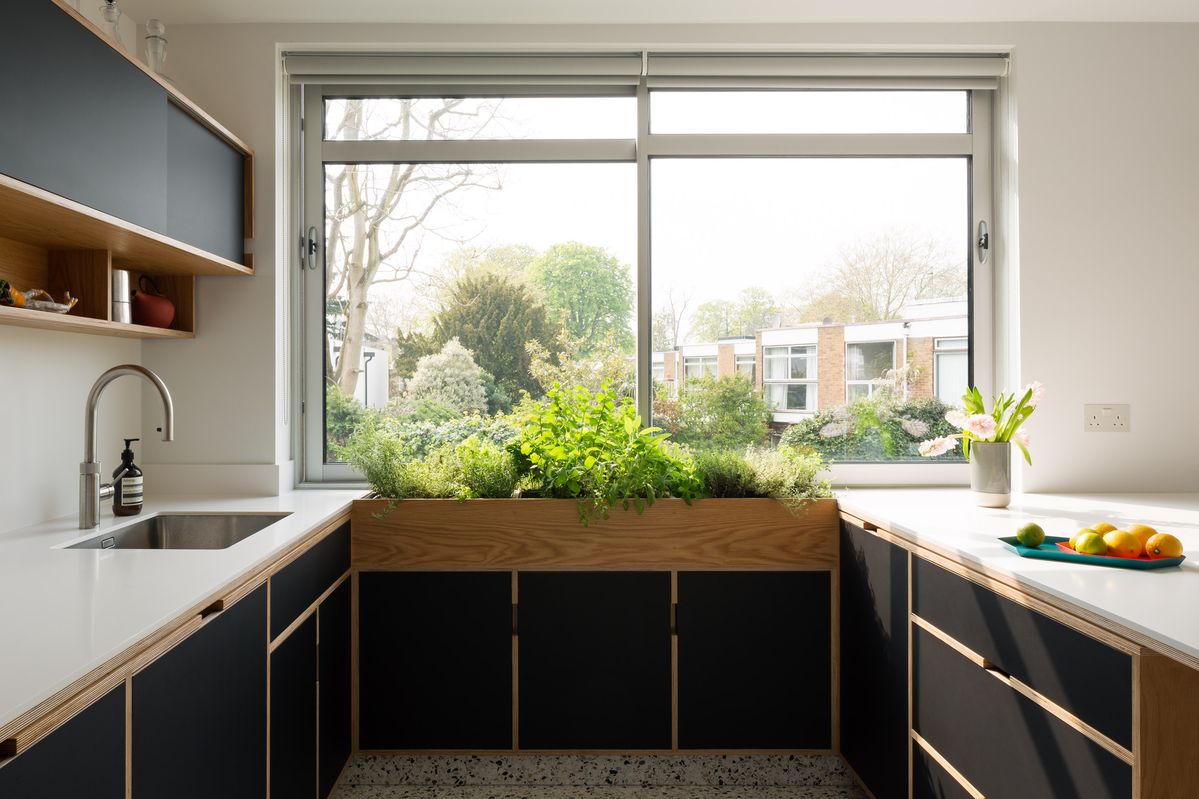
Traditional custom kitchen franchises often lock homeowners into rigid designs that are difficult to change as family needs evolve. Premium modular systems, such as Aline Cabinet Systems, allow for a bespoke look with plywood construction and dovetail joinery but offer the flexibility to adjust shelving and drawer configurations as your lifestyle changes.
| Feature | Aline Cabinet Systems (Modular) | Traditional Custom Franchises |
|---|---|---|
| Average Cost | $4,000 - $7,000 | $12,000 - $20,000+ |
| Material Quality | Premium Plywood / Solid Wood | Often uses MDF or Particle Board |
| Installation Time | 1-2 Days | 1-2 Weeks |
| Flexibility | High (Adjustable components) | Low (Fixed structures) |
| ROI Potential | High (Lower entry cost) | Moderate (Higher initial spend) |
When selecting materials, prioritize plywood over MDF (medium-density fiberboard). Plywood handles the humidity and weight of a kitchen environment far better, ensuring that your organization system doesn't sag under the weight of your Le Creuset collection five years down the line.
Step 3: Implement the "Professional Maintenance" Protocol
Even the most expensive cabinet system will fail if it isn't backed by a maintenance system. To keep your pantry from reverting to its "pre-organized" state, you need to manage it like a professional inventory manager.
Direct Answer: The Maintenance Rules The best way to maintain pantry order is through the 'one in, one out' rule, quarterly purges of expired goods, and utilizing uniform stackable containers that reduce wasted air space. Square or rectangular containers are superior to round ones because they eliminate the "dead zones" in the corners of your shelves.
The Decanting Debate
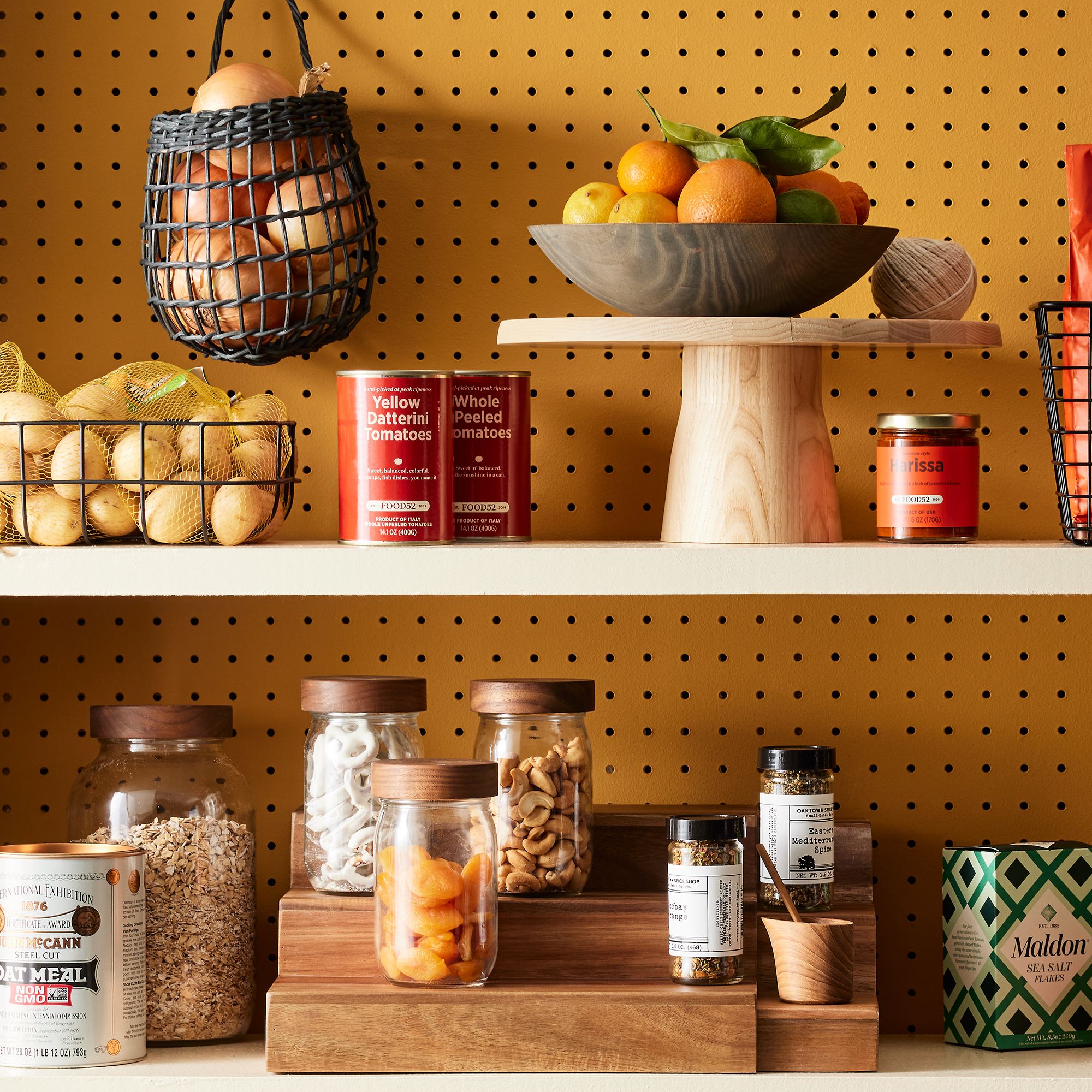
Is "decanting" (taking food out of its original packaging and putting it into clear jars) worth the effort? For 90% of my clients, the answer is yes, but with a caveat: only decant the staples. Flour, sugar, pasta, and rice should always be decanted. These items are often sold in flimsy bags that leak and don't stack well. By using uniform, airtight containers, you extend the shelf life of your food and can see at a glance when you're running low.
For smaller items, I recommend the following:
- Turntables (Lazy Susans): Perfect for oils, vinegars, or condiments in corner cabinets.
- Tiered Spice Racks: Ensure every label is visible so you don't buy a fourth jar of cumin.
- Clear Bins with Handles: Use these for categorized snacks (e.g., "Protein Bars," "Kid’s Lunchbox," "Baking Needs"). This makes it easy to pull the entire bin out onto the counter, grab what you need, and slide it back.
Finally, schedule a "Pantry Reset" every three months. This isn't a deep clean, but a 15-minute audit. Check expiration dates, move items that are nearing their "Best By" date to the front (the FIFO method: First In, First Out), and wipe down any sticky shelves. This small routine prevents the need for a massive, weekend-long decluttering project later.
Essential vs. Nice-to-Have Accessories
Not every "organizer" you see on social media is actually helpful. In fact, many "Complex Zone" systems—which have tiny, specific slots for every individual item—can actually make your kitchen harder to use because they lack flexibility.
- Essential: LED Motion-Sensor Lighting. Even if your kitchen isn't hardwired, battery-operated LED strips inside deep pantries are a game-changer for visibility.
- Essential: Adjustable Drawer Dividers. These allow you to customize your utensil and tool drawers without the "one size fits all" frustration of plastic inserts.
- Nice-to-Have: Single-Use Organizers. Avocado slicer holders or specialized banana hangers often take up more space than they save. Unless you use a tool daily, it doesn't need a dedicated slot.
- Skip: Intricate "Pull-Down" Spice Racks. These often have mechanical parts that break and can be difficult to clean. Stick to simple, high-visibility tiered risers.
Conclusion
Mastering your kitchen isn't about achieving a "Pinterest-perfect" look; it’s about creating a system that supports your daily life. By dividing your space into functional zones, investing in high-quality modular storage like those trending for 2026, and maintaining a strict inventory protocol, you transform the kitchen from a place of labor into a place of ease. The shift from "constant searching" to "effortless cooking" is the ultimate lifestyle ROI.
FAQ
1. How do I start if my kitchen is already a mess? Start with one "hot spot"—usually the junk drawer or the shelf you reach for most often. Empty it completely, clean the surface, and only put back what you use. The momentum from one successful drawer often fuels the rest of the project.
2. Is a custom pantry worth the cost for a small apartment? Yes, but focus on modularity. Because space is at a premium, modular systems allow you to maximize vertical space that standard cabinets often waste. Look for "over-the-door" solutions or tension-based shelving that can be removed if you move.
3. What is the best container material for food storage? Glass is the gold standard for longevity and food safety, but high-quality, BPA-free acrylic is often better for pantries because it is lightweight and shatterproof—crucial if you have children or are storing items on high shelves.