Quick Facts
- Property Value Increase: A professional attic conversion can boost your home’s market value by 20% to 25%.
- Permitted Development: Most terraced houses allow up to 40 cubic meters of additional volume; detached and semi-detached homes allow up to 50 cubic meters.
- The Golden Rule: A minimum head height of 2.2 meters (approx. 7.2 feet) is generally required from the top of the floor joist to the underside of the ridge beam.
- Design Palette: Use stark yet warm whites (e.g., Benjamin Moore Super White) for walls and soft gray-whites (e.g., Farrow & Ball Shadow White) for floors to maximize light reflection.
- Timeline: Expect a construction period of 8 to 12 weeks depending on the complexity of the structure.
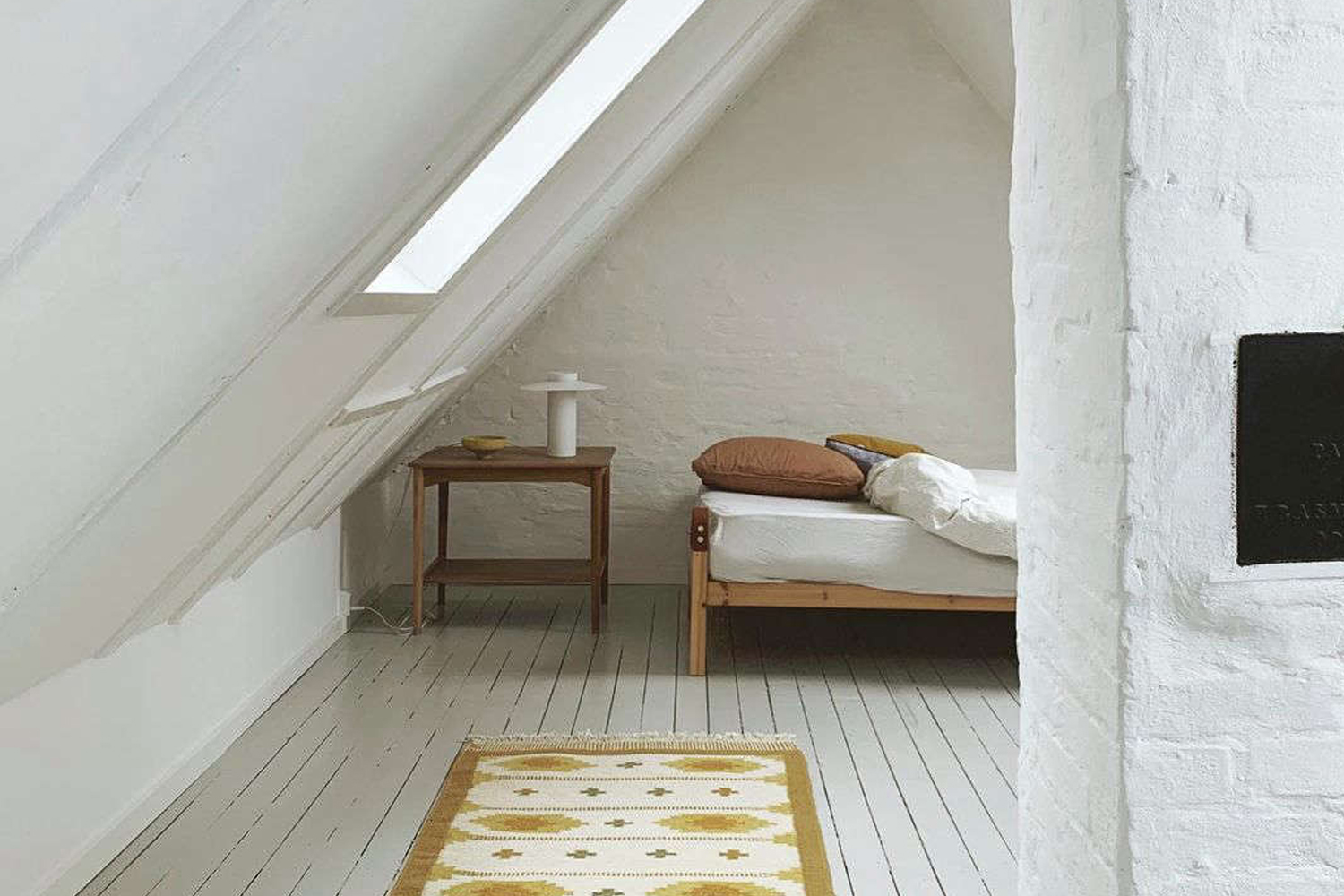
There is a specific kind of magic found in the upper reaches of a Danish townhouse. It’s not just the way the light filters through the skylights or the clean scent of pine; it’s the quiet confidence of a space that has been stripped of its clutter and reimagined for purpose. For many homeowners, the attic is a forgotten "dead zone" filled with old holiday decorations and dust. However, in 2026, property market data continues to confirm that converting this unused volume into a functional living space remains the single most effective home upgrade you can undertake, yielding a consistent return of 20-25% on your property valuation.
As an editor who has overseen countless DIY and professional renovations, I’ve found that the Danish approach—spare, simple, and light-filled—offers the perfect blueprint for an attic transformation. Whether you are dreaming of a Scandi loft guest room or a minimalist home office, these three lessons will help you navigate the journey from a dark crawlspace to a stunning, value-adding sanctuary.
Lesson 1: Master the 'High-Low' Scandi Aesthetic
The hallmark of Danish design isn't about spending a fortune on every single item; it’s about "High-Low Curation." This philosophy suggests that form follows function, allowing you to pair affordable, mass-market basics with one or two high-end "hero" pieces that anchor the room’s character. In an attic, where space can be tight and ceiling lines irregular, this approach keeps the room feeling airy rather than overcrowded.
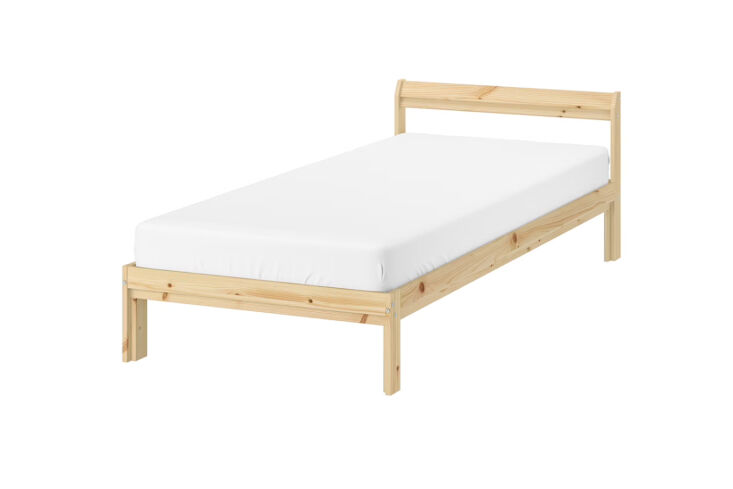
Start with your "Low." In a Danish-inspired loft, natural wood is your best friend. A simple, clean-lined pine bed frame is a staple of Scandinavian interiors because it feels light and organic.
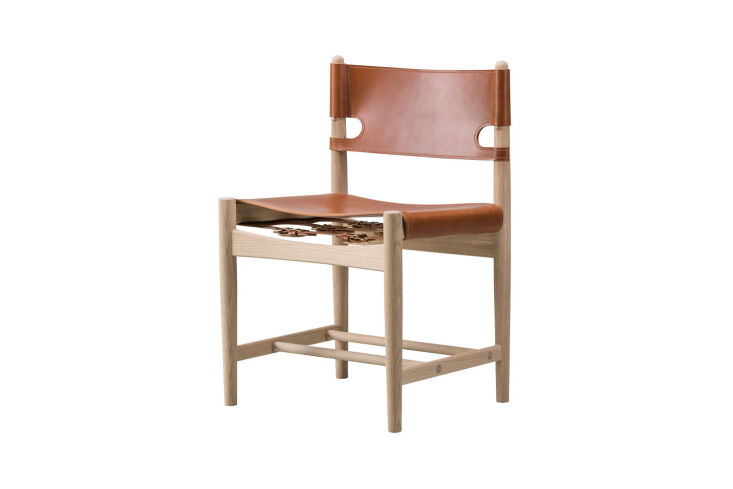
Once you have your affordable foundation, introduce your "High." This is where you invest in a piece of furniture that is not only functional but also a work of art. A classic designer chair, for instance, provides a focal point that signals quality to any potential buyer or guest.
The Strategic Color Palette
In a loft, every square inch of light is precious. To optimize reflection, your color choice is the most important "invisible" design tool you have. For the walls, I recommend Benjamin Moore Super White. It is a crisp, brilliant white that lacks the yellow undertones that can make small spaces feel dingy.
However, don't just stop at the walls. In Denmark, it is common to paint the floorboards to bounce light back up into the room. A soft gray-white like Farrow & Ball Shadow White on the floors creates a sophisticated, muted glow.

Texture and Lighting
Minimalism doesn't have to be cold. To achieve that coveted "hygge" (Danish coziness), you must layer in textures and soft lighting. Linen bedding, wool throws, and frosted glass lamps are essential.

Pro Tip: When choosing lighting for an attic with low ceilings, avoid large hanging pendants in high-traffic areas. Instead, use floor lamps and wall-mounted sconces to create "pools" of light that make the room feel taller.
Lesson 2: Prioritize 'Invisible' Infrastructure Before Design
As much as we want to focus on the furniture, the success of a Danish attic transformation relies on the technical details. In the world of renovation, the "invisible" infrastructure is what determines whether the space is a cozy retreat or an expensive storage unit.
The first thing any homeowner must check is the 2.2-meter rule. If you don't have 2.2 meters of height from the existing floor joists to the bottom of the roof ridge, you may need to lower the ceilings of the floor below or raise the roof (which is a much more expensive and complex planning issue).
Dealing with Structural Realities
Traditional older homes often have "fink" or trussed roofs with W-shaped timber supports. These cannot simply be cut away. You will likely need to install steel beams (RSJs) to support the weight of the new floor and roof. Additionally, many attics house water tanks and plumbing. Relocating these to a lower floor or upgrading to a combi-boiler system is a "hidden" cost that must be factored into your budget from day one.
Natural Light Optimization
In a Danish home, windows are viewed as "living paintings." For an attic, you have two main choices:
- Velux-style Roof Lights: These follow the pitch of the roof. They are cost-effective and flood the room with overhead sun.
- Glazed Gables or Dormers: These provide vertical windows, which offer a view of the horizon and significantly more "usable" floor space.
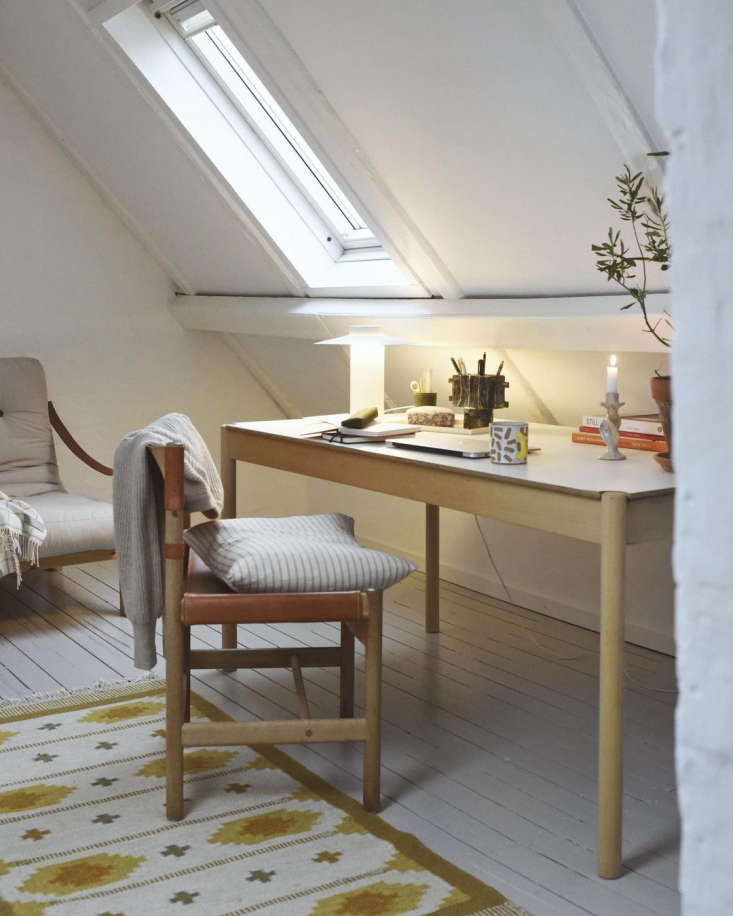
Strategic window placement is particularly crucial if you are building a home office. You want the light to hit your workspace from the side to avoid screen glare while still reaping the mental health benefits of natural vitamin D.
Lesson 3: Choose the Right Conversion for Your ROI
Not all attic conversions are created equal. The type you choose should be a balance between your budget, the style of your home, and the specific value it will add to your neighborhood.
Cost vs. Type Comparison
| Conversion Type | Best Suited For | Est. Cost (2026) | Primary Benefit |
|---|---|---|---|
| Roof Light / Velux | Minimalist home offices or guest rooms. | £15k - £30k | Most affordable; preserves the original roofline. |
| Dormer Conversion | Terraced and semi-detached houses. | £30k - £60k | Adds significant floor space and head height. |
| Mansard Conversion | Urban properties and period homes. | £45k - £75k+ | Maximizes volume; essentially adds a full new floor. |
| Hip-to-Gable | End-of-terrace or semi-detached homes. | £40k - £65k | Straightens the sloping side of the roof for more room. |
Building Regulations and Safety
Beyond the aesthetic, your conversion must meet the latest 2026 Building Regulations. This is non-negotiable for both your safety and your home's resale value.
- Fire Safety: You will need to install FD30 fire doors on all habitable rooms and ensure there is a protected fire escape route from the loft down to the external exit.
- Energy Efficiency: Modern standards require high-performance insulation (low U-values) to ensure the attic doesn't become a "sauna" in the summer and an "icebox" in the winter.
The Roadmap: From Sketch to Completion
Starting a loft conversion can feel overwhelming, but breaking it down into a project management narrative makes it manageable.
1. Finding the Right Contractor
Don’t just hire the cheapest quote. Look for a contractor who specializes in loft conversions. Ask for proof of insurance, current licenses, and—most importantly—the "Communication Test." If they don't respond to your initial inquiry within 48 hours, they likely won't be responsive when there’s a leak at 7 PM on a Tuesday.
2. Budgeting for Success
The "Sticker Price" is rarely the final price. I always advise my readers to maintain a 10% to 20% contingency fund. Attics are full of surprises—from rotted joists to outdated wiring—that only become visible once the walls are opened up.
3. The Construction Timeline
A standard conversion takes about 8 to 12 weeks.
- Weeks 1-3: Structural work, steel installation, and floor joists.
- Weeks 4-6: External roof work, dormer construction, and window installation.
- Weeks 7-10: "First fix" plumbing and electrics, followed by insulation and plasterboarding.
- Weeks 11-12: "Second fix" (fitting sockets, radiators, and doors) and final decoration.
During this time, manage your expectations. There will be noise, there will be dust, and your neighbors will likely have questions. Keep the lines of communication open with everyone involved to ensure a smooth transition.
FAQ
Do I always need planning permission for a Danish-style attic conversion? In many cases, no. Under "Permitted Development" rights, you can often convert your attic without full planning permission, provided you stay within certain volume limits (40-50 cubic meters) and don't extend beyond the plane of the existing roof slope at the front of the house. However, if you live in a Conservation Area or a listed building, you will almost certainly need permission.
How do I know if my floor can handle the extra weight? Existing attic joists were usually designed to support the weight of a ceiling and some light storage, not a "live load" of furniture and people. Your structural engineer will specify new floor joists that usually run alongside the old ones to provide the necessary strength.
Will a loft conversion make my house too hot? This is a common concern. However, by using modern "breathable" membranes and high-quality PIR insulation boards, you can create a space that regulates temperature effectively. Installing "cross-ventilation" (windows on opposite sides of the room) is also a classic Danish trick to keep the air moving.
Take the Leap
Your attic is likely the most undervalued asset in your home. By applying these Danish lessons—focusing on high-low design, respecting the structural requirements, and choosing the right conversion type—you aren't just adding a room; you are elevating your lifestyle and making a savvy financial investment.
Are you ready to stop using your attic for storage and start using it for living? Take a tape measure upstairs today and check that 2.2-meter clearance. Your transformation journey starts with that single measurement.