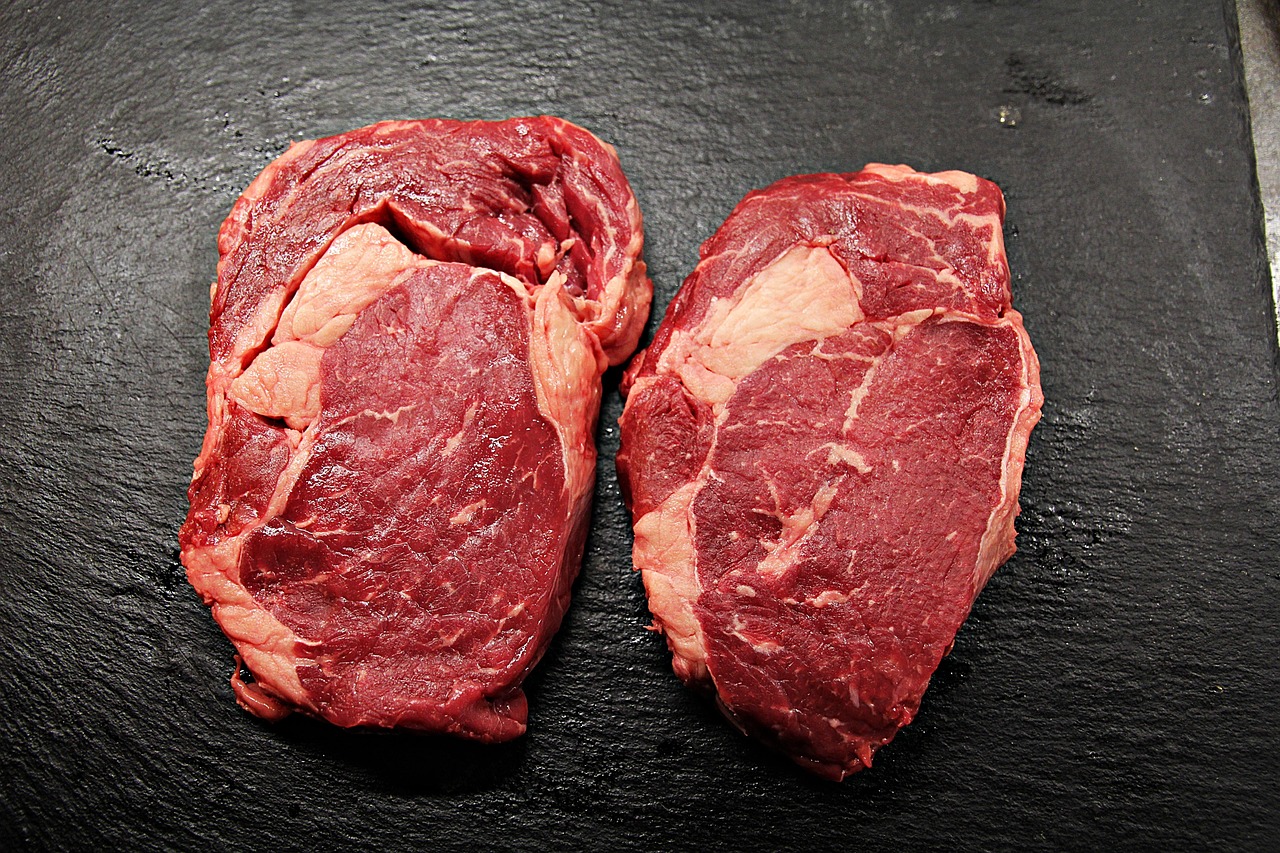
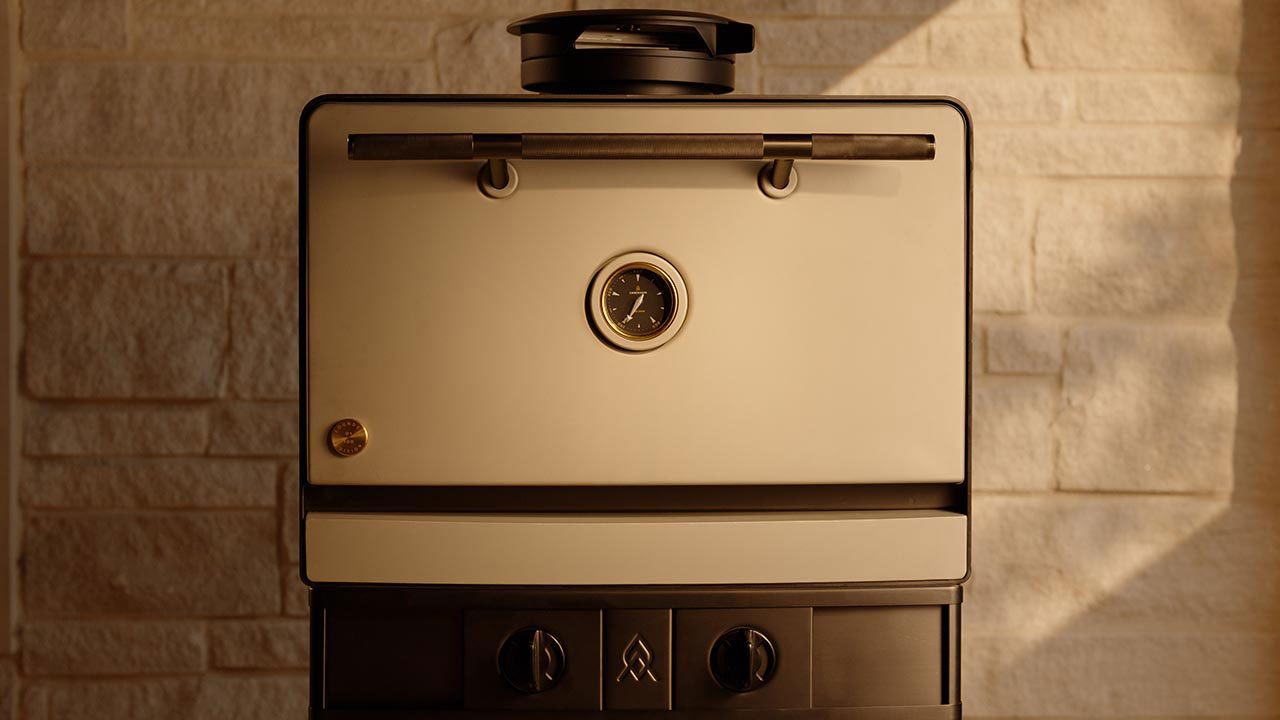
Imagine you are hosting a summer evening soirée in 2026. Instead of being tethered to the grill, constantly lifting the lid and losing heat to check on a brisket, you are poolside with your guests, a cold drink in hand. A subtle haptic vibration on your smartwatch notifies you that the internal temperature of the meat has reached its target and the grill has automatically transitioned to a "keep warm" mode. This isn't a scene from a sci-fi film; it is the reality of the modern high-performance outdoor kitchen.
The transition from a simple backyard barbecue to a sophisticated "culinary workstation" is the defining home improvement trend of the decade. Homeowners are no longer satisfied with a standalone grill and a plastic cooler. We are seeing a shift toward fully integrated ecosystems that blur the boundaries between indoor luxury and outdoor resilience. To build a high-performance outdoor kitchen in 2026, you need a strategy that prioritizes connectivity, durability, and precision.
The Evolution of Alfresco Dining
In previous years, an "outdoor kitchen" was often just a fancy name for a built-in grill. Today, the concept has evolved into a comprehensive culinary environment designed for both professional-grade performance and social interaction. High-performance technology is the linchpin of this evolution, allowing for a level of control and consistency that was previously impossible in an outdoor setting.
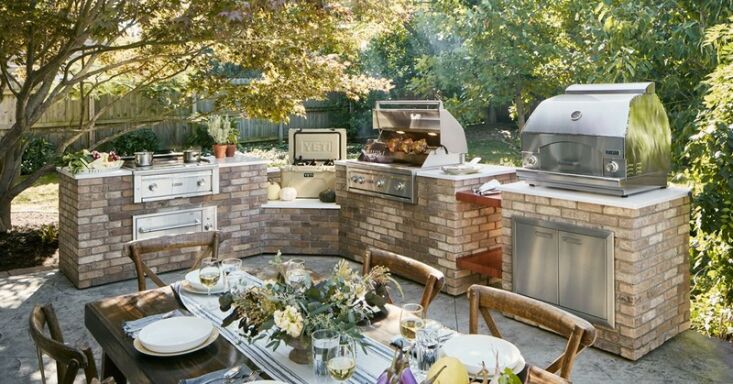
A smart outdoor kitchen integrates Wi-Fi-enabled appliances—such as grills, refrigerators, and lighting—that allow homeowners to monitor temperatures, control settings, and manage energy efficiency via smartphone apps or voice commands. By centralizing these controls, you move away from the "guesswork" of outdoor cooking and toward a data-driven approach that ensures every meal is executed perfectly, regardless of environmental variables like wind or ambient temperature.
1. Wi-Fi Enabled High-Performance Grills: The Central Hub
The grill remains the heart of the outdoor kitchen, but in 2026, it serves as the central processing unit of the entire setup. Flagship models, such as the latest iterations of the Weber Genesis or the Sizzler Pro series, now feature integrated Wi-Fi 6 connectivity and advanced sensors. These are not just "smart-ready" but "smart-native," designed to communicate directly with your home automation hub.
The primary benefit here is precision. High-performance grills in this category utilize automated air-damper systems and multi-zone infrared burners that can be adjusted remotely. Whether you are searing a steak at 700°F or slow-smoking ribs at 225°F, the appliance maintains the thermal environment with a margin of error of less than five degrees.
Expert Tip: When selecting a smart grill, look for "Predictive Cook Time" features. These algorithms analyze the rate of temperature change in the meat to give you a highly accurate "ready" time, taking the stress out of timing your side dishes.
| Tech Specs: 2026 Smart Grill | Details |
|---|---|
| Connectivity | Wi-Fi 6, Bluetooth 5.2, Matter-compatible |
| Heat Output | 60,000 - 110,000 BTUs (Main Burners) |
| Monitoring | Integrated 4-probe ports + Lid Thermometer |
| Automation | Auto-gas shutoff timers and LED control knobs |
2. App-Synced Under-Counter Refrigeration
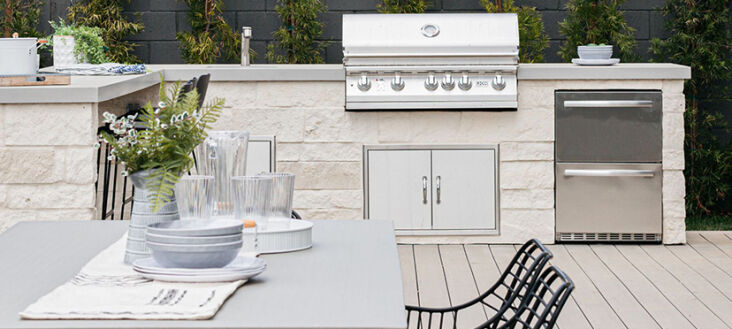
One of the most common mistakes I see in outdoor kitchen planning is underestimating the cooling system. An indoor refrigerator is not built to withstand the fluctuating temperatures and humidity of an outdoor environment. A high-performance outdoor kitchen requires a dedicated, outdoor-rated under-counter refrigerator.
By 2026, these units have become far more than just "cold boxes." Smart refrigerators now feature app-synced inventory management and temperature alerts. If the door is accidentally left ajar or if the compressor fails due to a power surge, you receive an immediate notification on your phone. This prevents hundreds of dollars in food waste and ensures your beverages are always at the optimal serving temperature.
For those looking at mid-range to luxury builds (the $4,000 to $10,000+ tier), a dual-zone unit is essential. This allows you to keep wines at a cellar temperature in one compartment while keeping meats and perishables at a safe 37°F in the other.
3. Integrated Smart Lighting and Ambiance Systems
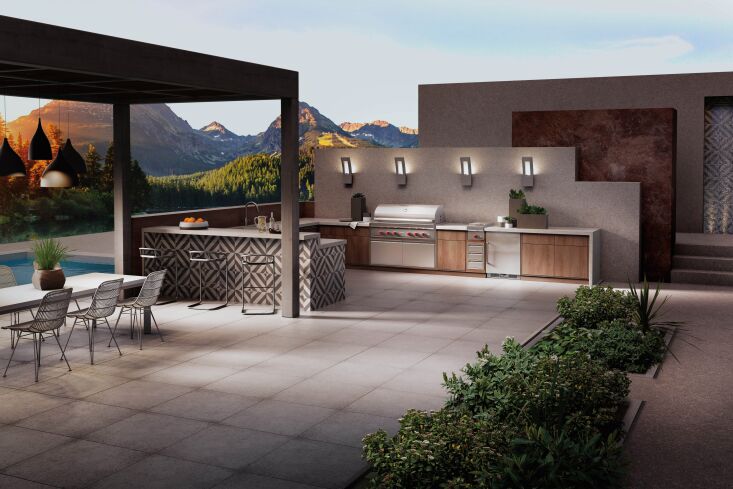
Lighting is the "secret sauce" of a high-performance outdoor kitchen. It is both a safety requirement for the chef and an atmospheric requirement for the host. In a smart ecosystem, your lighting is automated and layered.
Modern systems use voice-activated dimming and task-specific zones. For instance, when you activate "Grill Mode" via Alexa or Google Home, the lights over your prep station and grill increase to 100% brightness with a cool-white hue for visibility. Meanwhile, the lights around the dining area remain at a warm, dimmed level to maintain the mood.
Connectivity with whole-home smart hubs (like Samsung SmartThings or Apple HomeKit) allows your outdoor lighting to sync with your indoor "Evening" scenes, creating a seamless transition as guests move between the living room and the patio.
4. Precision Smart Thermometers and Probes
Even if you aren't ready to drop $5,000 on a brand-new smart grill, you can "intelligence-boost" your existing setup with high-performance thermometers. The 2026 market is dominated by completely wire-free probes like the Meater+ or the latest Sage Smart Grill Pro tech.
These devices have moved beyond simple Bluetooth range. They now leverage cloud-based monitoring, meaning you can check the status of your roast from the grocery store or the golf course.
- Dual Sensors: Measure both internal food temp and ambient pit temp simultaneously.
- Safety Alerts: High-heat alerts notify you if a flare-up occurs, preventing charred disasters.
- Set-and-Forget Reliability: Once the target is set, the app handles the rest, allowing you to focus on your guests.
5. Specialty Smart Tools: Pizza Ovens and Ice Makers
To truly push into the "High-Performance" category, you need to diversify your cooking methods. The rise of the smart pellet pizza oven—led by brands like Ooni and XO Outdoor—has changed the game. These ovens use automated pellet-feeding systems to maintain the 800°F+ temperatures required for Neapolitan-style pizza, all managed via a smartphone app.
Additionally, high-capacity smart ice makers (such as those from Ecozy) have become a staple. With real-time alerts for water levels and bin capacity, you’ll never find yourself running to the gas station for a bag of ice in the middle of a party.
The modularity of 2026 outdoor kitchens is staggering; leading online purveyors now offer over 50,000 items from 300+ brands. This allows you to mix and match specialty tools—from built-in power burners for crawfish boils to smart warming drawers—to create a truly custom culinary workstation.
Planning Your Build: Budget and Space Requirements
Building a high-performance kitchen requires more than just buying the right gadgets; it requires a thoughtful layout. The "Kitchen Triangle" rule applies outdoors just as much as it does indoors. Your grill (cooking), refrigerator (storage), and sink (cleaning) should be positioned to minimize unnecessary movement.
Cost Breakdown: 2026 Market Tiers
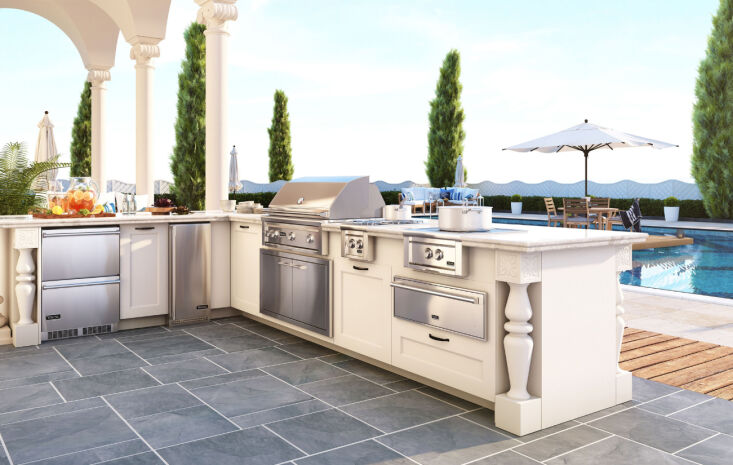
Understanding your budget is the first step toward a successful build. In the 2026 market, premium installations involving high-BTU grills and automated ventilation systems are projected to require a minimum investment of $10,000. However, high performance is achievable at various price points.
| Budget Tier | Investment | Typical Appliances Included |
|---|---|---|
| Entry-Level Smart | < $4,000 | Smart Wi-Fi Grill (e.g., Weber Genesis), High-end Smart Thermometer, Portable Pizza Oven. |
| Mid-Range Performance | $4,000 - $10,000 | Built-in Smart Grill, Outdoor-Rated Fridge, Integrated Smart Lighting, Stainless Steel Cabinetry. |
| Luxury / Professional | $10,000+ | Professional Grade Grill (High-BTU), Automated Ventilation, Dual-Zone Cooling, Smart Ice Maker, Custom Masonry. |
Sustainable and Weatherproof: 2026 Design Trends
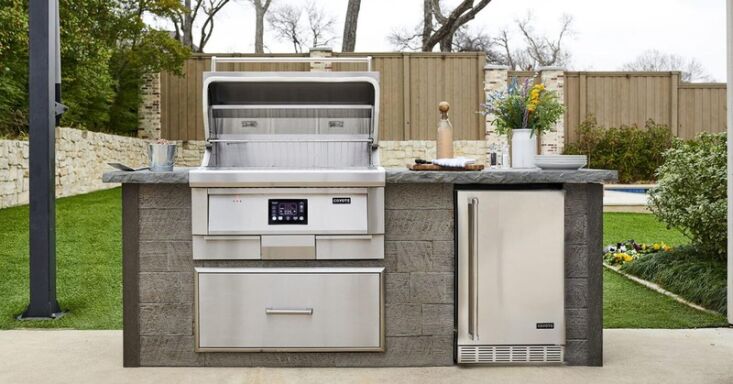
As we look toward 2026, sustainability and durability are at the forefront of outdoor design. High-performance no longer just means "fast and powerful"; it means "efficient and lasting."
- Material Innovation: We are seeing a move away from traditional wood frames toward recycled concrete and marine-grade 304 stainless steel. These materials are UV-resistant and can handle the extreme heat generated by modern high-BTU burners.
- Energy Efficiency: Smart appliances are now designed with "Eco-Modes." For instance, your smart outdoor fridge can be programmed to run at a slightly higher temperature during the weekdays when it isn't in use, then "pre-chill" for the weekend.
- Winterization Sensors: In colder climates, smart sensors in the water lines can detect when temperatures drop near freezing and automatically drain the lines or activate heating coils to prevent burst pipes.
FAQ
Q: Do smart outdoor appliances require a special Wi-Fi setup? A: Yes, standard home routers often struggle to penetrate exterior walls. For a high-performance setup, I recommend a Wi-Fi mesh system with an outdoor-rated node to ensure a stable connection for your grill and cameras.
Q: Are smart outdoor grills difficult to maintain? A: Actually, they are often easier to maintain. Most smart grills feature diagnostic tools that can tell you exactly when a burner is clogged or an igniter is failing, taking the guesswork out of troubleshooting.
Q: Can I integrate my outdoor kitchen with my indoor smart home system? A: Absolutely. Most 2026 models are Matter-compatible, meaning they can be controlled via the same app you use for your indoor lights, thermostat, and security system.
The 2026 outdoor kitchen is a far cry from the charcoal grills of the past. It is a high-performance extension of the home that prioritizes the experience of the host as much as the quality of the food. By investing in a connected ecosystem of grills, cooling, and lighting, you aren't just building a place to cook; you are building a hub for a lifetime of stress-free entertaining.