There is a specific kind of magic that occurs in a kitchen when the power goes out—not because of a blackout, but because of a conscious choice to "unplug." For those of us who spend our lives evaluating the latest high-tech kitchen gadgets, there is an undeniable, grounding satisfaction in the tactile resistance of pasta dough against a wooden board. Making pasta by hand isn’t just a culinary task; it’s a form of occupational therapy that connects you to generations of Italian grandmothers who knew that the best tools don't need a cord. While modern electric extruders can cost upwards of $200 and take up significant counter real estate, an authentic suite of old-school Italian tools—including a Marcato Atlas 150, a Chitarra, and beechwood boards—offers superior tactile control, zero electricity consumption, and a cost saving of over 70%.
1. The Heavyweight Champion: Marcato Atlas 150 Manual Roller
If there were a "Toyota Camry" of the pasta world—a machine so reliable, well-built, and ubiquitous that it defines its category—it would be the Marcato Atlas 150. Manufactured in Campodarsego, Italy, since the 1930s, this machine is the gold standard for home cooks. Unlike its cheaper counterparts that use plastic parts or chrome plating that eventually flakes off, the Atlas 150 features anodized aluminum rollers. This is a critical technical detail: anodized aluminum is harder and ensures that no microscopic metal or chemical residue ends up in your fettuccine.
The beauty of the Atlas lies in its 10-position thickness adjustment knob. By simply pulling and turning the knob, you can transition from a thick 4.8mm sheet (perfect for hearty lasagnas) down to a paper-thin 0.6mm (essential for delicate angel hair). In my years of testing, I’ve found the Marcato’s knob mechanism much more intuitive than the Imperia 150, which often requires two hands to adjust. With the Marcato, you can keep one hand on your dough and the other on the dial, maintaining a seamless workflow.
| Feature | Marcato Atlas 150 | Imperia 150 |
|---|---|---|
| Material | Anodized Aluminum / Chrome Steel | Chrome-plated Steel |
| Thickness Settings | 10 (0.6mm to 4.8mm) | 6 (0.5mm to 2.5mm) |
| Adjustment Style | Pull-and-turn knob (One-handed) | Lever/Screw system |
| Cleaning | Wipe with brush (No water) | Wipe with cloth (No water) |
| Longevity | 20+ Years | 15+ Years |
2. String Theory: The Italian Pasta Chitarra
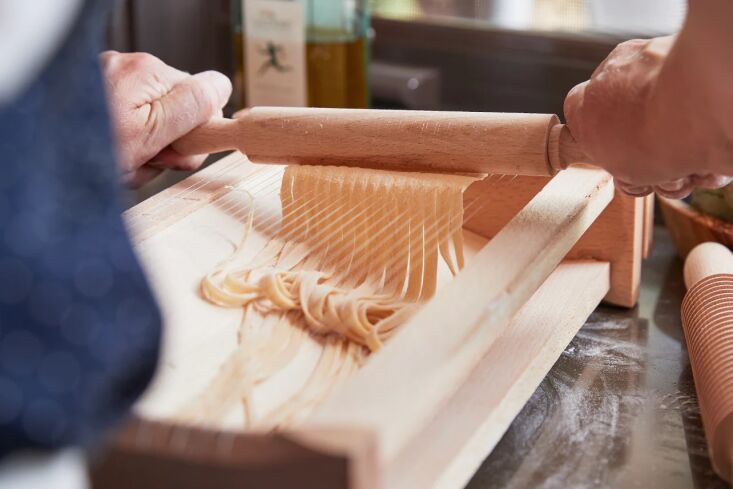
While the roller prepares the sheets, the Chitarra (Italian for "guitar") is what gives pasta its soul. Originating in the 1800s in the Abruzzo region—specifically Chieti—this tool looks more like a musical instrument than a kitchen implement. It consists of a beechwood frame strung with high-tension iron wires.
To use it, you place a sheet of pasta over the strings and run a rolling pin over the top. The wires "sing" as they bite through the dough, dropping perfectly square-cut strands onto a slanted wooden center. This slant is a stroke of traditional engineering; it allows the pasta to slide forward and off the tool without sticking. The resulting maccheroni alla chitarra has a unique, porous texture that holds onto heavy ragùs far better than the smooth-edged pasta produced by a machine's cutting attachment.
3. Beyond the Roller: Beechwood Cutting Rolling Pins
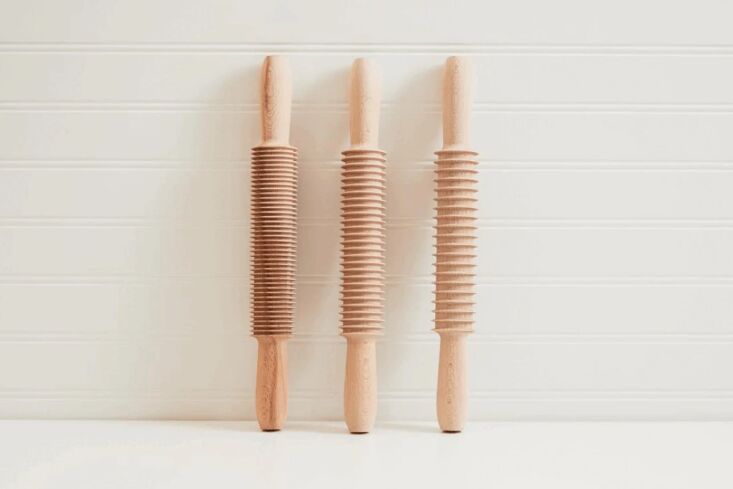
For the purist who wants to skip the mechanical roller entirely, traditional cutting rolling pins are the answer. These are not your standard smooth pins; they are carved with deep, rhythmic grooves that act as a manual die.
The material choice here is paramount. In my experience, beechwood is the superior choice for pasta tools because of its density and natural ability to absorb just enough surface moisture from the dough to prevent sticking, without drying it out completely. By owning a set of three or four pins, you can produce a variety of shapes:
- Spaghetti Pins: Fine grooves for thin, round strands.
- Fettuccine Pins: Medium-width grooves for classic ribbons.
- Pappardelle Pins: Wide grooves for broad, rustic strips.
4. Textural Mastery: Gnocchi and Garganelli Board
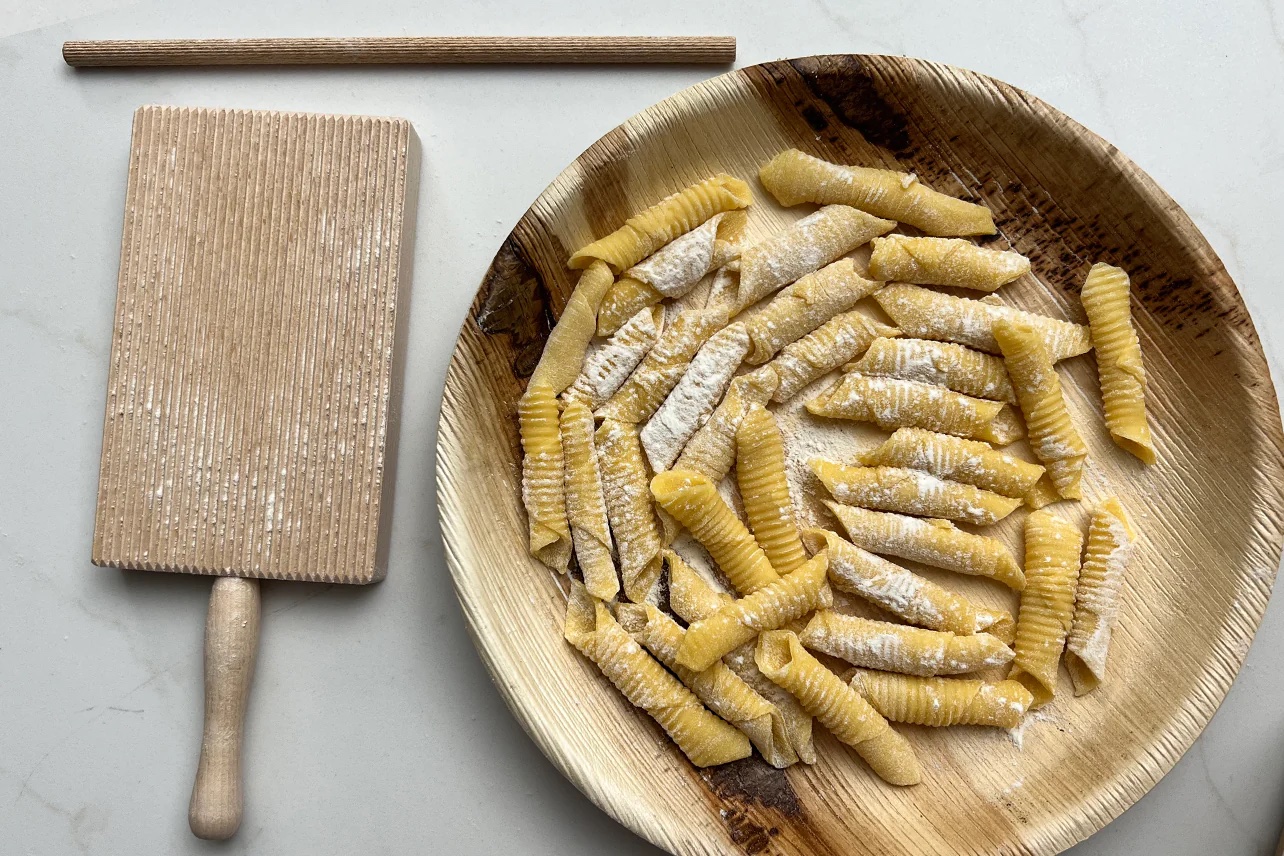
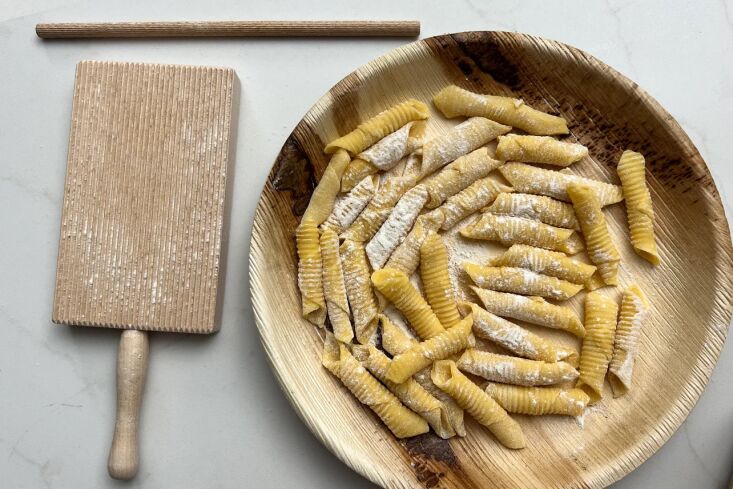
Texture is the secret language of Italian cuisine. A smooth piece of dough is a missed opportunity for flavor. This is where the gnocchi board (or rigagnocchi) becomes essential. It’s a simple, handheld wooden paddle with deep ridges, usually paired with a small wooden dowel (the piccolo) for making garganelli.
Why not just use a fork? While a fork works in a pinch, a dedicated unfinished beechwood board provides a much deeper "sauce pocket." As you roll a nugget of potato dough or a square of egg pasta across the ridges, you create a hollowed center and a corrugated exterior. These ridges act like tiny reservoirs, trapping every drop of pesto or brown butter sauce. I always recommend unfinished wood over bamboo or plastic; the natural grain of the wood provides the "grip" necessary to flick the dough off the board with that signature professional curl.
5. The Perfect Seal: 12-Piece Ravioli Mold
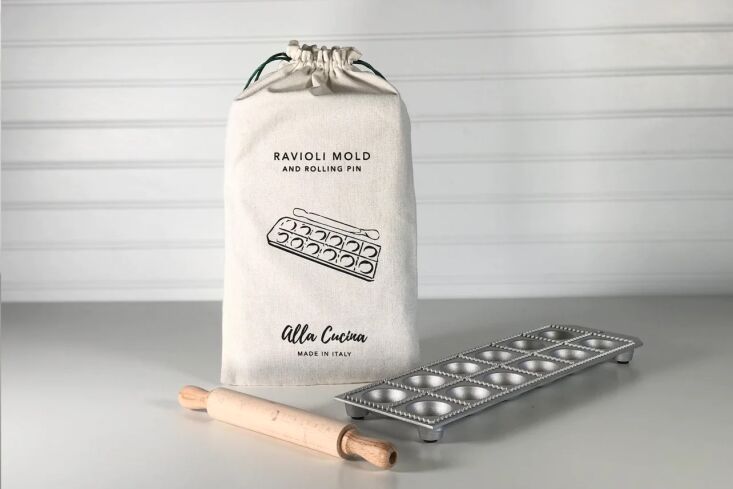
If you've ever spent an hour hand-cutting ravioli with a wheel only to have them burst open in boiling water, you'll appreciate the mechanical simplicity of a traditional mold. A professional-grade "unplugged" kit usually features an aluminum frame with a beechwood rolling pin.
The aluminum provides a sharp, zig-zag edge that cuts the dough cleanly, while the weighted beechwood roller ensures a pressurized seal between the top and bottom sheets. This tool turns a tedious task into a rhythmic assembly line. By using a 12-piece mold, you ensure that every raviolo has the exact same ratio of filling to pasta, which means they all cook to the same degree of al dente at the same time.
6. Effortless Efficiency: The Cavatelli Maker
For families who love the idea of handmade pasta but lack the patience for meticulous hand-shaping, the manual Cavatelli maker is the ultimate compromise. This tool clamps to your countertop and operates via a hand crank. As you feed a long rope of dough into the rollers, the machine "shucks" out hundreds of small, seashell-shaped pasta pieces per minute.
It is arguably the fastest manual pasta tool in existence. Because it uses a simple mechanical crank rather than an electric motor, there is zero learning curve and no electronic parts to burn out. It’s a fantastic way to get children involved in the kitchen; the motion is satisfying, the results are immediate, and the pasta—resembling tiny hot dog buns—is perfect for catching chunky vegetable sauces or hearty meat ragùs.
7. The Final Stage: Beechwood Collapsible Drying Rack
The most overlooked stage of pasta making is the "set." If you pile fresh pasta on a plate, the residual moisture will cause it to clump into a glutenous mass within minutes. Proper air circulation is non-negotiable.
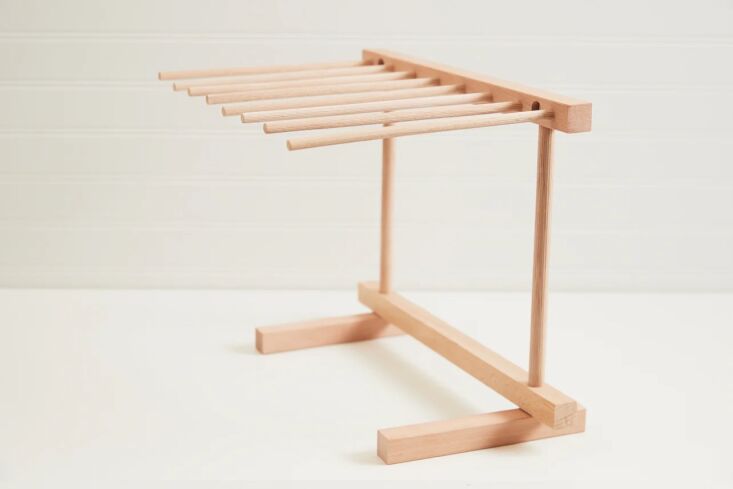
Traditional drying racks designed in the Piedmont style are marvels of storage efficiency. While fixed plastic drying solutions are bulky and fragile, a high-quality beechwood rack can hold up to 4 pounds of pasta and then fold down to just 1-inch in thickness. This represents a storage footprint reduction of approximately 90%. When you hang your pasta, the vertical orientation allows air to hit every surface of the strand, creating a slight "skin" that preserves the pasta's shape during the boil and prevents spoilage if you intend to store it for a few days.
Manual vs. Electric: Is the Extra Effort Worth It?
When clients ask me if they should invest in a high-end electric extruder or stick with manual tools, I always point toward the long-term value. Choosing manual Italian tools over electric models can result in a cost saving of over 70%. A professional-grade manual machine like the Marcato Atlas 150 is priced far below the $200+ price tag of automatic attachments, yet it will likely outlive its owner.
Beyond the cost, there is the issue of durability and maintenance. Electric machines have motors that can overheat and gears that can strip. A manual beechwood board or a steel pasta roller is practically immortal. As long as you never wash them with water (a simple dry brush is all you need), these tools become family heirlooms.
Expert Tip: To maintain your wooden tools, never use soap. Use a stiff pastry brush to flick away dried flour and dough. Once a year, rub your beechwood pins and boards with a food-grade mineral oil to prevent the wood from becoming brittle or cracking.
Professional Tips for Masterful Dough
No tool can save a bad dough. To get the most out of your old-school gear, you need to master the "Golden Ratio." While every kitchen’s humidity varies, a reliable starting point is:
- 100g of "00" Flour (Extra fine)
- 1 Large Egg (Room temperature)
- A pinch of sea salt
- A teaspoon of extra virgin olive oil (For elasticity)
The most important technique with manual tools is lamination. After your first pass through the widest setting of the Marcato, fold the dough into thirds like a letter and run it through again. Repeat this 5-6 times. This process aligns the gluten strands, giving your pasta that professional "snap" and preventing it from tearing when you reach the thinner settings.
FAQ
Q: Why shouldn't I wash my pasta machine or wooden boards with water? A: Water is the enemy of traditional pasta gear. For the Marcato, water can cause internal components to rust and trap moisture in the rollers, leading to mold. For wooden boards, water causes the grain to swell and eventually crack. Always let the dough dry and then brush it off with a stiff-bristled brush.
Q: I'm a beginner. Which tool should I buy first? A: Start with the Marcato Atlas 150. It is the most versatile tool and provides the foundation for almost every other shape. Once you are comfortable rolling sheets, move on to the Gnocchi board—it’s the most affordable way to add a whole new category of pasta to your repertoire.
Q: Can I use regular All-Purpose flour with these tools? A: Yes, but for the best results, try to find "00" flour. It is ground much finer, which results in a smoother dough that is easier to pass through manual rollers without snagging or tearing.
Making pasta the "old-school" way is an investment in quality over convenience. It’s about the sound of the Chitarra strings, the smell of the beechwood, and the pride of serving something that took more than the press of a button to create.