Quick Facts
- The 2025 Priority: 72% of adventurous foodies now prioritize eco-friendly and reusable storage solutions like silicone bags over single-use plastics during international travel.
- Tech Trend: There has been a 45% year-over-year increase in the adoption of compact, 'smart' kitchen gadgets among travelers who identify as culinary enthusiasts.
- The Essentials: The three pillars of a travel kitchen include reusable silicone storage (for freshness), double-walled insulated tumblers (for temperature control), and multi-pocket canvas market totes (for organized transport).
- Sustainability: Switching to beeswax wraps and silicone bags drastically reduces microplastic exposure while keeping local market finds fresher for longer than standard hotel plastic wrap.
As a professional editor who spends most of my life testing high-end ranges and precision knives, the transition from a well-equipped home kitchen to a cramped Airbnb or a remote campsite can be a jarring experience. We’ve all been there: you find a magnificent piece of aged Gruyère in a mountain village or a perfect cut of Wagyu in a Tokyo basement market, only to realize you have no way to store it, weigh it, or cook it to the standard it deserves. In 2025, the rise of "Culinary Tourism" has fundamentally changed how we pack. We aren't just looking for souvenirs; we are looking for ingredients, and that requires a specialized kit. To maintain culinary excellence on the go, the best travel-friendly tools for foodies are no longer just "mini" versions of home gear—they are precision-engineered instruments designed for the rigors of the road.
1. Reusable Silicone Storage Bags: Freshness Without the Waste
The era of the flimsy, single-use plastic bag is over, not just for environmental reasons, but for performance ones. When you’re traveling through different climates, maintaining a consistent seal is the only way to keep your snacks and ingredients from becoming a soggy mess. For the adventurous foodie, I recommend the Zip Top or Stasher sets. Unlike traditional plastic, high-quality silicone is non-porous, meaning it won’t absorb the smell of that pungent truffle oil you found in Italy.
These bags are leak-proof, dishwasher safe, and—crucially for those of us living out of a suitcase—they feature nesting capabilities. You can fit an entire set of four bags into the space of one medium-sized container. Recent data shows that 72% of foodies now prefer these over plastic because they can withstand extreme temperatures, allowing you to sous-vide a steak in a hotel sink or freeze leftovers for a long train ride.
Pro-Tip: Use the "air-displacement" method with your silicone bags. Submerge the bag in water up to the seal before closing it to create a near-vacuum environment, keeping local produce fresh for up to three times longer.
2. Double-Walled Insulated Travel Tumblers
Whether it’s a morning pour-over in the Cascades or a chilled local cider on a sun-drenched patio, temperature control is non-negotiable. For 2025, the Kinto Day Off Tumbler and the Fellow Carter Cold Tumbler have set the gold standard. These aren't your average "coffee mugs"; they are high-performance insulators that can maintain cold temperatures for up to 18 hours and heat for 6 hours.
The Fellow Carter, in particular, features a ceramic interior coating. As a gear editor, this is a detail I cannot stress enough: stainless steel can sometimes impart a metallic taste to delicate beverages like light-roast coffee or fine tea. The ceramic lining ensures that the flavor profile remains untainted. Furthermore, these tumblers are designed with a slim silhouette to fit into standard car cup holders, making them the ultimate companion for long road trips through wine country.
3. Multi-Pocket Canvas Market Totes
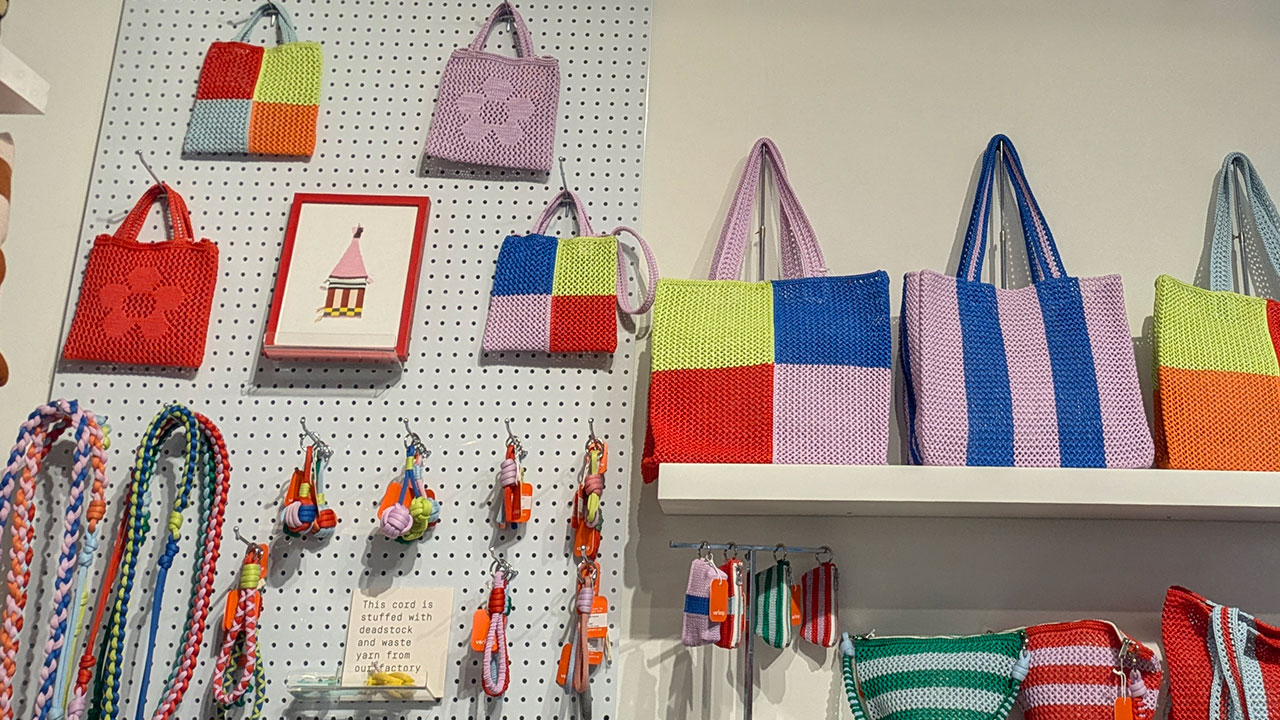
The biggest challenge of a food tour is the "last mile" transport. You’ve bought three bottles of olive oil, a bunch of heirloom carrots, and a delicate sourdough loaf—how do you get them back to your base without the oil leaking or the bread getting crushed? Enter the Food52 Multi-Pocket Canvas Tote.
This isn't just a bag; it’s an organizational system. It features specialized interior sleeves that keep bottles upright and separated, preventing breakage. The center of the bag is often spacious enough for bulkier items, and some versions even include a small insulated section for temperature-sensitive finds like local butter or soft cheeses. It’s the essential adventurous foodie travel gear for anyone who plans on hitting the local markets hard.
4. Digital Kitchen Scales for On-the-Go Precision
You might think taking a scale on vacation is overkill, but for the serious baker or coffee aficionado, it’s a necessity. If you’re trying to replicate a local pastry recipe in a rental kitchen, "cups and spoons" simply won't cut it. The Amazon Basics Digital Scale is surprisingly travel-friendly. It’s thin enough to slide into the laptop sleeve of your backpack and weighs less than a pound.
For less than $11, it provides the kind of precision that ensures your morning brew is consistent whether you're in London or Lima. In my testing, the response time is fast enough for pour-over coffee, and the 11-lb capacity means it can handle even heavy cast-iron pans if you're checking weights for more complex cooking.
| Feature | Amazon Basics Digital Scale | Ozeri Pronto Scale |
|---|---|---|
| Weight Capacity | 11 lbs (5kg) | 11.24 lbs (5.1kg) |
| Precision | 1 gram | 1 gram |
| Dimensions | 8.25 x 7 x 1.25 in | 8.25 x 6 x 1.75 in |
| Best For | Carry-on Luggage | Countertop Stability |
| Price Point | ~$10-12 | ~$12-15 |
5. Handheld Portable Espresso Maker
Coffee is often the first casualty of travel. Hotel "brown water" is the bane of the adventurous foodie's existence. The Wacaco Picopresso is a marvel of modern engineering, capable of producing 9 bars of pressure—the same as a commercial espresso machine—using nothing but hand power.
It is a compact cooking tool for travel that actually delivers on its promise. It requires a bit of technique (the grind size must be precise), but the result is a rich, crema-topped shot that rivals your local cafe. For those who prefer a more "plug and play" experience, the Wacaco Nanopresso is compatible with Nespresso capsules, offering a convenient, albeit less "artisanal," caffeine fix.
6. Instant-Read Digital Meat Thermometers
Food safety is a major concern when exploring international street food or grilling at a campsite. An instant-read thermometer like the Thermapen One or the Lavatools Javelin is a lifesaver. These tools provide 1-second temperature readings with 0.1°F accuracy.
I never travel without one. It’s the difference between a perfectly medium-rare steak and a night spent in a hotel bathroom because the "charred" street meat was actually raw in the middle. The Javelin, in particular, is excellent for travel because it’s magnetic and folds down into a pocket-sized tool, making it easy to keep on hand during a busy day of tasting.
Expert Insight: Don't just use your thermometer for meat. Use it to check the temperature of the water for your tea or the internal temperature of a loaf of bread you’re reheating. Precision is the mark of a true foodie.
7. Portable Cordless Blenders
Smoothie bowls on a Balinese beach or a protein shake after a hike in the Alps—portable blenders have come a long way. The Ninja Blast Max is currently leading the pack. It features a USB-C rechargeable base and a detachable drinking vessel that fits into most luggage side pockets.
The motor is surprisingly powerful, capable of crushing frozen fruit and ice without stalling. For travelers who like to maintain their nutritional routines while exploring new cuisines, this is an indispensable addition to the suitcase. Market data shows a 45% increase in the use of these "smart" compact gadgets as foodies look to blend local ingredients into their daily diet.
8. Beeswax Food Wraps: The Sustainable Plastic Wrap Alternative
If you’ve ever tried to find plastic wrap in a foreign grocery store, you know it’s a hassle. Bee's Wrap reusable sets are the sustainable, space-saving alternative that every foodie needs. Made from organic cotton infused with beeswax, jojoba oil, and tree resin, these wraps are self-adhesive and washable.
They are perfect for wrapping half-eaten artisanal bread, covering a bowl of marinating olives, or protecting a block of local cheese. They take up virtually zero space in your bag and, once they reach the end of their life (usually about a year of use), they are fully compostable. It’s a small change that aligns perfectly with the eco-conscious values of the modern traveler.
9. Handheld Fabric Steamers (For the Foodie Event)
You might wonder why a kitchen editor is recommending a fabric steamer. The answer is simple: the modern foodie doesn't just eat at street stalls; they travel for Michelin-starred experiences. Arriving at a world-class restaurant like Central in Lima or Noma in Copenhagen in a wrinkled linen shirt is a faux pas many of us want to avoid.
The Steamery Cirrus 2 is a design-forward, handheld steamer that fits easily into a carry-on. It heats up in 25 seconds and provides enough steam to refresh a full outfit. Keeping your attire as sharp as your palate is part of the overall experience of high-end culinary tourism.
Common FAQ
What are the best travel tools for food lovers on a budget? If you’re looking to save while still upgrading your gear, start with the Amazon Basics Digital Scale and a set of Bee’s Wrap. These two items combined cost less than $30 but significantly improve your ability to cook and store food while traveling.
How do I pack liquids and oils for international travel? The "double-bagging" rule is essential. Place your oils or sauces in a leak-proof silicone bag (like a Stasher), and then place that bag inside your multi-pocket canvas tote. If you're flying, ensure your liquids are in containers of 3.4 ounces (100ml) or less if they're in your carry-on, or wrap them in bubble wrap and seal them in a dry bag for checked luggage.
Are these gadgets TSA-friendly? Most of the items on this list, including the digital scale, espresso maker, and fabric steamer, are perfectly fine for carry-on luggage. However, be cautious with the Ninja Blast Max; while the blender itself is usually fine, the blade assembly can occasionally trigger a secondary bag check. Always pack the blade unit in your checked bag if you have one, or be prepared to explain its function at security.
Conclusion: Pack Smarter, Eat Better
The secret to a successful culinary adventure in 2025 isn't just about where you go, but how you prepare for the treasures you'll find along the way. By investing in high-quality, travel-friendly tools—from the precision of a digital scale to the sustainable freshness of silicone storage—you ensure that your food experiences are never limited by your location.
The next time you're wandering through a local market, you won't have to hesitate before buying that delicate balsamic or that fresh-baked loaf. You’ll have the gear to handle it. What’s the most indispensable tool in your travel kit? Share your favorite market finds and how you pack them in the comments below!