There is a specific, unmistakable magic in the sound of ice hitting a crystal glass at the end of a long week. As an editor, I’ve spent years watching the home bar evolve from a dusty cart in the corner to the architectural and social heartbeat of the modern home. In 2024, "entertaining at home" is no longer a seasonal trend; it is a year-round lifestyle choice that prioritizes the ritual of the pour as much as the liquid itself.
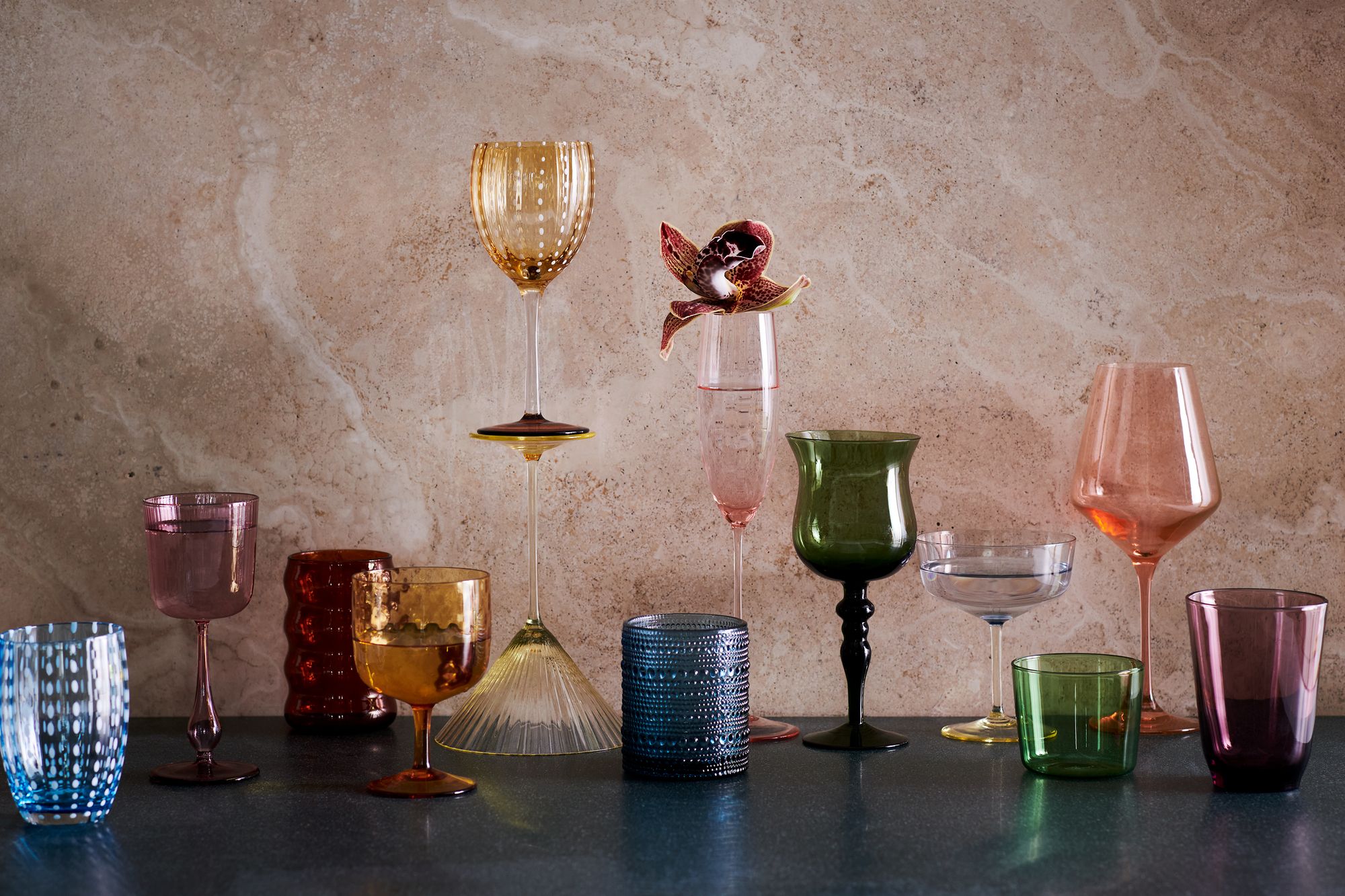
The modern home bar is where artisanal craftsmanship meets the precision of drink science. We are seeing a profound shift in how collectors curate their cabinets. It isn't just about having "enough" glasses anymore; it's about having the right vessels that tell a story. Whether it’s the weight of a hand-blown tumbler or the delicate rim of a lead-free crystal coupe, the glassware you choose is the final, essential ingredient in any cocktail.
The Essentials: What Every Home Bar Needs First
Before we dive into the season's most coveted new arrivals, we must establish the foundation. A versatile home bar should be built around five core silhouettes that cater to the vast majority of classic and modern cocktails.
- Whiskey Glasses (Lowballs/Rocks): Ideally weighted with a thick base for muddling and enjoying spirits neat or on the rocks.
- Highball Glasses: Tall and slender, these are essential for carbonated drinks like G&Ts or Mojitos, where maintaining effervescence is key.
- Red and White Wine Glasses: While specialized shapes exist, a set of each allows for proper aeration of tannins in reds and temperature retention for whites.
- Champagne Flutes: Essential for celebrations, designed to keep bubbles lively and vertical.
- Coupe Glasses: The darling of the craft cocktail movement, these are used for "up" drinks (chilled and served without ice), from Sidecars to Espresso Martinis.
Choosing the right vessel is a functional tool rather than just an aesthetic accessory. The shape of a glass dictates how the aromas hit your palate and how quickly the liquid warms in your hand.
The 2024 Selection: 9 New Arrivals for the Modern Collector
This year’s releases celebrate a return to texture, a respect for heritage techniques, and a fascinating embrace of high-performance materials. Here are the nine pieces currently redefining the home bar aesthetic.
1. Quinn Mouth-Blown Martini Glasses
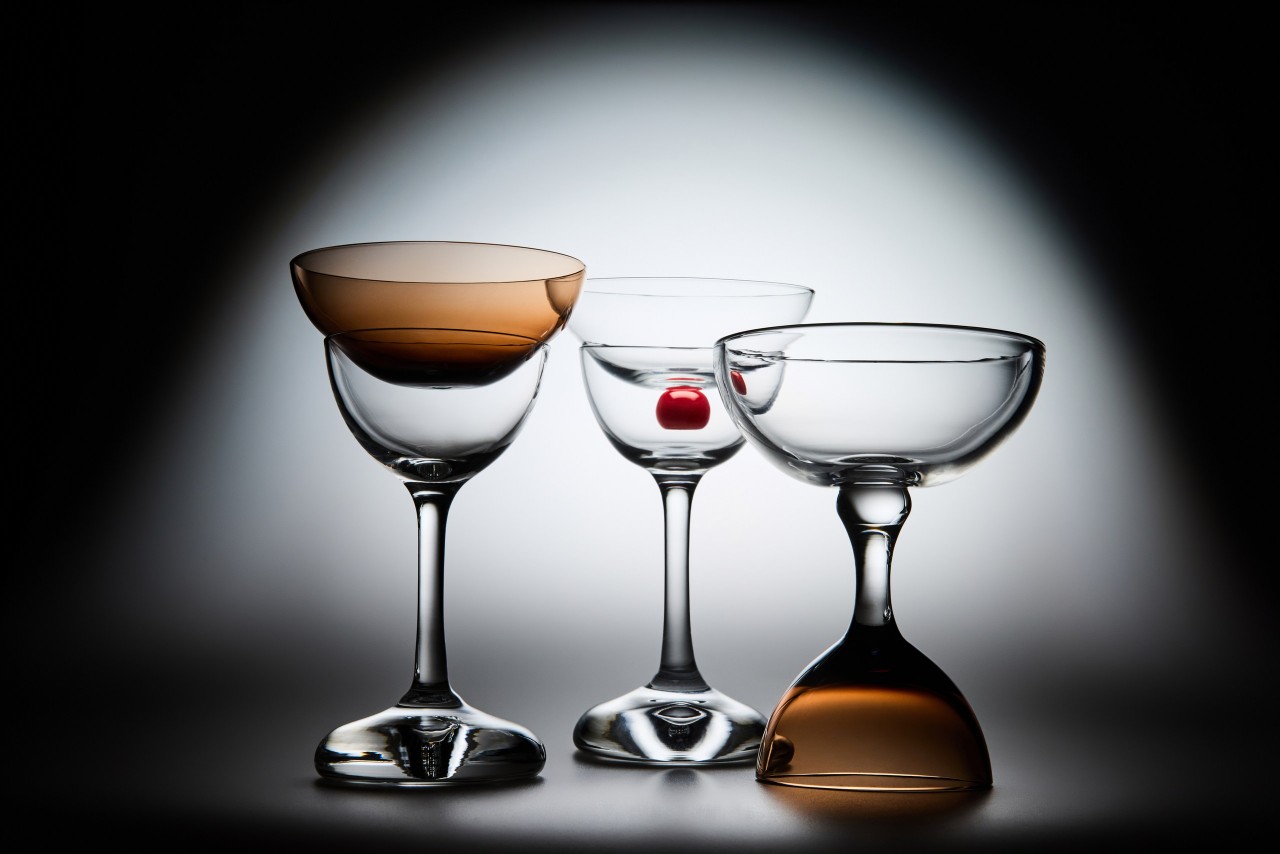
The Quinn collection is a masterclass in "chromatic layering." These aren't your standard clear stems; they utilize a mouth-blowing technique that allows for subtle, jewel-toned infusions. By mixing and matching different shades—like amber, smoke, and seafoam—you add a curated depth to your bar cart that feels more like an art gallery than a storage unit.
- Pros: Stunning visual impact; high-quality mouth-blown glass.
- Cons: Requires careful hand-washing to preserve the tint clarity.
2. St. Frank Recycled-Glass Coupes
Sustainability meets high design in these coupes crafted by artisans in the Mexican state of Hidalgo. Made from 100% recycled glass, they feature a slightly thicker rim and a charming, organic irregularity. They tell a story of craftsmanship that machine-made glass simply cannot replicate.
- Pros: Eco-friendly; extremely durable; unique "wavy" texture.
- Cons: Heavier than crystal, which may not suit those preferring a delicate feel.
3. Celia Handblown Crystal Coupes
If you are looking for the pinnacle of the "curator’s voice," the Celia collection is it. Because they are hand-blown, no two pieces are identical. This uniqueness is a hallmark of luxury in 2024. According to our 2024 Consumer Barware Report, 68% of home mixologists now prefer artisanal hand-blown glass over machine-made options for formal entertaining, valuing the "soul" of the object over perfect uniformity.
- Pros: Exceptionally thin lip; sophisticated silhouette.
- Cons: High price point; very fragile.
4. Elevated Craft Hybrid Cocktail Glass
This is where drink science takes center stage. Internal retail data shows a 45% year-over-year increase in demand for hybrid insulated glassware as consumers prioritize temperature control for craft cocktails. The Elevated Craft Hybrid features a vacuum-insulated stainless steel base with a glass insert. It keeps your cocktail ice-cold without the "sweat" on the outside or the metallic taste of a standard tumbler.
- Pros: Unrivaled temperature retention; no condensation.
- Cons: Functional aesthetic may not suit "vintage" bar themes.
5. Bilia Bottle Decanter by Federico de Majo
Designed by the legendary Federico de Majo, this decanter merges Italian borosilicate glass—known for its incredible thermal resistance—with a playful, minimalist design. It features a colored glass sphere inside the bottle that serves as both a focal point and a functional grip.
- Pros: Heat resistant; avant-garde Italian design.
- Cons: Best suited for water or simple spirits rather than complex aging.
6. Etched Crystal Whiskey Glasses
We are seeing a massive revival in "Grandmillennial" style, and these hand-engraved English antique-inspired glasses are the centerpiece. The intricate geometric patterns catch the light, making the amber hues of a fine bourbon glow. The tactile experience of the etching provides a secure, luxurious grip.
- Pros: Timeless aesthetic; adds significant "weight" to the drinking experience.
- Cons: Intricate patterns can be difficult to clean if residue dries.
7. Jupiter Hobnail Mixing Glass
The "hobnail" texture is back. This mixing glass isn't just for show; the raised bumps provide an excellent grip while you are stirring a Negroni or Manhattan. It’s thick, sturdy, and adds a vintage, Parisian bistro vibe to your preparation area.
- Pros: Exceptional grip; very sturdy for high-frequency use.
- Cons: Large footprint on smaller bar carts.
8. La Rochère Bee Wine Glasses
A staple of French design, these glasses feature the iconic Napoleonic bee. They are made of thick, pressed glass that is incredibly durable—making them the perfect "everyday" glass for both red and white wines. They are dishwasher safe and can handle the rigors of a busy outdoor patio party.
- Pros: Extremely durable; dishwasher safe; classic symbolism.
- Cons: Not as "refined" or thin as crystal for high-end wine tasting.
9. Gabriel-Glas StandArt 'One for All'
For the minimalist who hates clutter, this is the ultimate "Universal" glass. Designed by Swiss wine critic René Gabriel, the shape is engineered to highlight the best qualities of every wine—red, white, sparkling, or dessert. It’s lead-free crystal that is surprisingly robust.
- Pros: Eliminates the need for multiple wine glass sets; space-saving.
- Cons: Modern, utilitarian look might feel too "efficient" for some.
The Science of the Sip: Material & Shape
Understanding the "why" behind your purchase is just as important as the "what." When choosing between materials, you are essentially balancing aesthetics with practicality.
Material Choice: Crystal vs. Glass
| Feature | Hand-Blown Crystal | Machine-Made Glass | Tritan / Borosilicate |
|---|---|---|---|
| Clarity | Exceptional; refracts light beautifully | Standard; can have a slight blue/green tint | High clarity; very bright |
| Durability | Fragile; usually requires hand-washing | Moderate; dishwasher safe | High; shatter-resistant |
| Thinness | Can be spun incredibly thin | Thicker walls and rims | Moderate thickness |
| Best For | Formal dinners, slow sipping | Everyday use, large parties | Outdoor use, high-temp liquids |
The preference for hand-blown glassware (held by 68% of enthusiasts) stems from the "tapered rim." A hand-blown glass can be made much thinner than a machine-pressed one, allowing the drink to flow onto the tongue more precisely, which significantly alters how we perceive flavor and acidity.
The Decanter Detail: Does it Really Improve Flavor?
A common question I receive is whether a decanter is a vanity piece or a functional necessity. While a whiskey decanter doesn't "age" the spirit further (spirit aging stops once it leaves the barrel), it serves two vital roles:
- Sediment and Clarity: For older whiskies or wines, decanting allows you to separate the liquid from any sediment that has settled over time.
- Controlled Oxidation: Storing whiskey in an airtight decanter encourages subtle oxidation. When a spirit is "opened up" to air, it can lead to a smoother sip as the harsher ethanol notes soften, allowing the more delicate aromatic profiles—like vanilla, oak, or spice—to come to the forefront.
Ivy’s Tip: Always ensure your decanter has a high-quality, airtight seal. Without a proper seal, the alcohol will evaporate over time, leaving your expensive spirits flat and lifeless.
Buying Guide: How to Choose for Your Hosting Style
When you’re ready to add to your collection, consider your "hosting personality":
- The Mixologist: Focus on coupes and high-quality mixing glasses. Look for borosilicate options that can handle temperature shifts.
- The Modern Minimalist: Invest in "Universal" glasses like the Gabriel-Glas. One set of six can replace a cabinet full of specialized stems.
- The Heritage Collector: Prioritize hand-blown crystal and etched designs. These pieces act as conversation starters.
- The Outdoor Entertainer: Lean into the 45% trend for insulated glassware. Your guests will thank you when their drinks stay cold in the summer heat.
A Note on Size: Red wine generally performs best in 12-16 oz glasses to allow for "swirling" and aeration. White wine, however, stays cooler and more vibrant in smaller 8-12 oz vessels.
Maintenance & Care for High-End Glass
To keep your collection sparkling for years, follow these rules of thumb:
- Avoid the "Heat Shock": Never put cold water into a glass that has just come out of a hot dishwasher.
- The Microfiber Rule: Always polish crystal with a lint-free microfiber cloth while the glass is still slightly damp from a warm rinse.
- Storage: Store glasses upright. Storing them "rim down" can trap stale air inside the glass and put unnecessary pressure on the most fragile part of the vessel—the rim.
FAQ
Q: Is leaded crystal safe to use for daily drinking? A: Most modern high-end brands have transitioned to "Lead-Free Crystal," which uses zinc or magnesium instead of lead. If you are using vintage leaded crystal, it is safe for short-term drinking, but avoid storing spirits in leaded decanters for long periods, as the lead can leach into the liquid.
Q: Why are some glasses so much more expensive than others? A: You are paying for the labor of the artisan (hand-blowing is a highly skilled trade) and the purity of the materials. Cheaper glass often contains impurities that affect clarity and may have a "seam" from the mold, which can be felt on the hand and lip.
Q: Can I put hand-blown glass in the dishwasher? A: It is generally discouraged. The high heat and the physical rattling can cause micro-fractures. If you must, use a "delicate" cycle and ensure the glasses aren't touching each other.
The art of the home bar is an investment in your own comfort and the joy of your guests. By choosing pieces that balance the technical needs of the drink with your personal aesthetic, you transform a simple beverage into an experience. Happy hosting!