How often do we consider the physics of our kitchenware? For most of us, a fruit bowl is simply a vessel—a ceramic dish or a wire basket where apples and oranges go to wait for their turn at the table. But as an editor who has spent years dissecting the intersection of form and function, I’ve realized that the traditional "pile" method of storing produce is actually a design flaw hiding in plain sight. We’ve all experienced it: that one overripe peach at the bottom of the heap that quietly spoils its neighbors, a casualty of poor air circulation and excessive pressure.
Enter Renaud Defrancesco, a Swiss designer whose work consistently challenges the status quo of domestic objects. His creation, the CIRCUIT Fruit Bowl, isn't just a beautiful piece of tabletop sculpture; it is a calculated response to the biological needs of fresh produce. By reimagining the fruit bowl as a kinetic "marble run" for nature’s bounty, Defrancesco has turned a mundane kitchen staple into a functional masterpiece that actively preserves the life of your groceries.
The Anatomy of Freshness: What Makes CIRCUIT Unique?
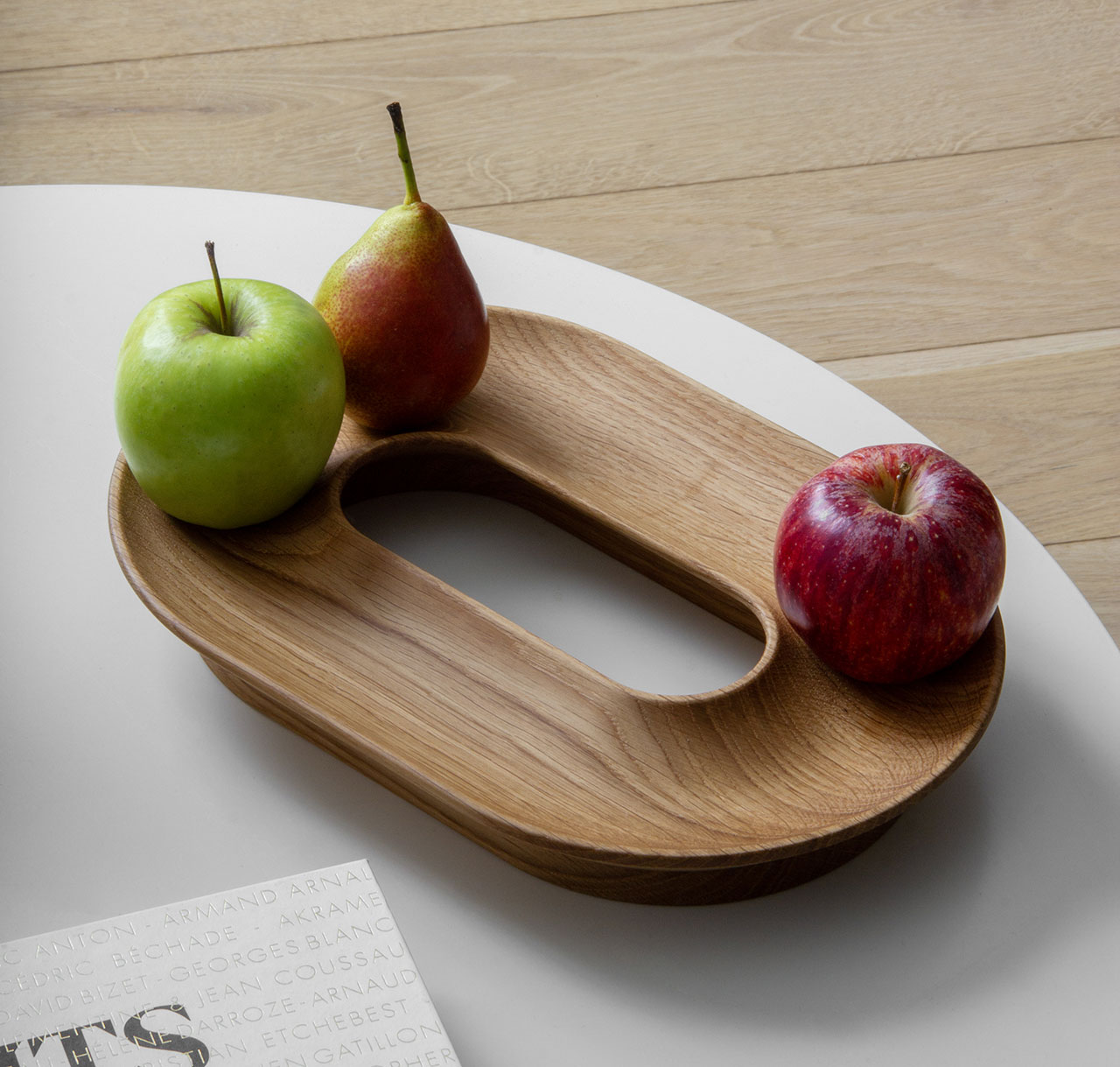
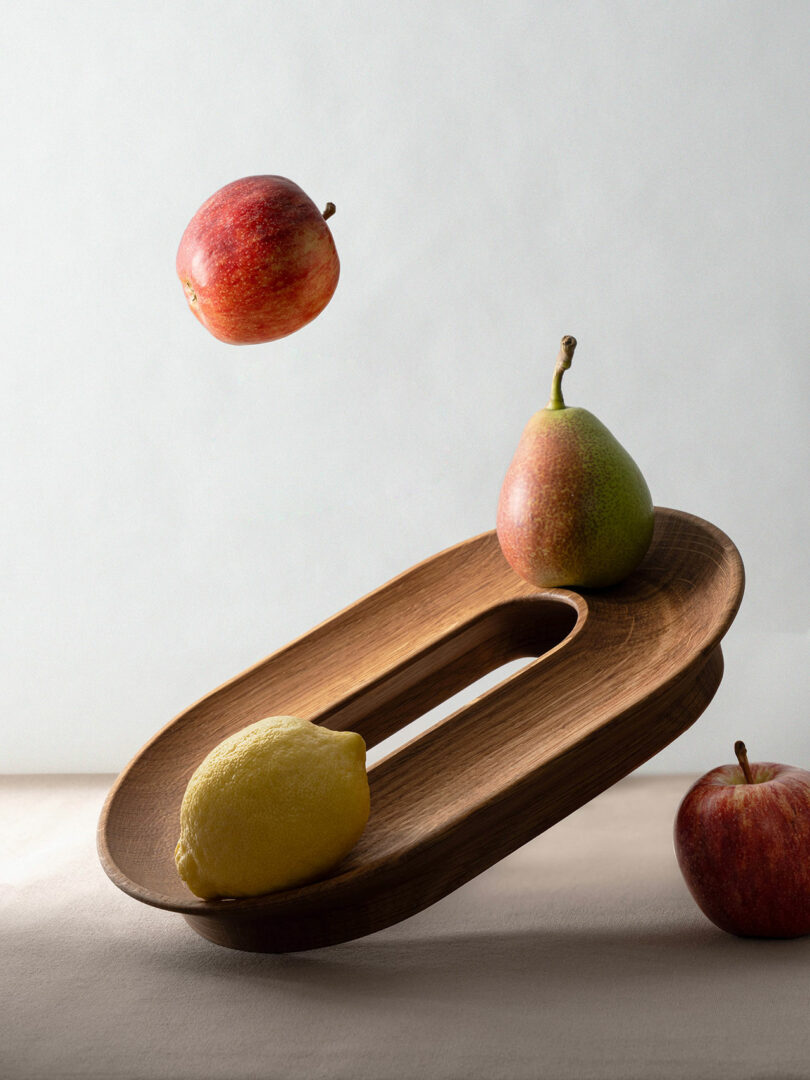
The primary reason our fruit spoils prematurely in standard bowls is a lack of "breathing room." When fruit is piled together, heat and moisture get trapped in the gaps, creating a micro-climate that invites mold and accelerated decay. The CIRCUIT wooden fruit bowl disrupts this entirely. Instead of a deep basin, it utilizes an open, undulating track that keeps each piece of fruit cradled in its own designated space.
What makes the CIRCUIT fruit bowl unique is this marble-run-inspired architecture. By separating individual fruits along a single-file path, the design significantly improves air circulation around every piece. This isn't just a stylistic choice; it’s a biological one. When fruit isn't fighting for space, it lasts longer, tastes better, and looks more appealing.
The impact of this design is measurable. Research into the CIRCUIT’s geometry shows that it increases the exposed surface area of stored fruit by approximately 250% compared to traditional deep-dish bowls. This massive increase in exposure facilitates optimal gas exchange, allowing the fruit to "exhale" without being suffocated by its neighbors.
Materials and Swiss Craftsmanship
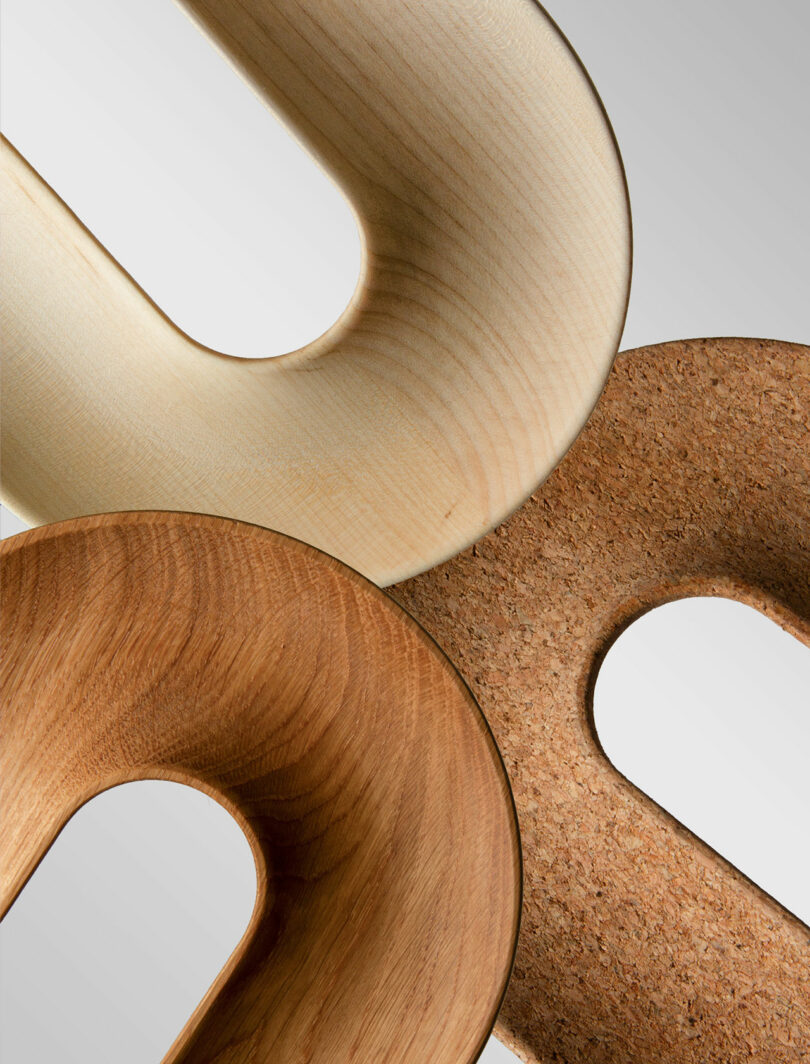
In a world of mass-produced plastic, there is something deeply grounding about the materials used in the CIRCUIT bowl. Defrancesco opted for a trio of natural elements—cork, oak, and maple wood—each chosen for their specific properties and their ability to age gracefully within a home environment.
The CIRCUIT bowl is handcrafted in Switzerland, and the production process is as intentional as the design itself. Each piece is manufactured in protected workshops, which are social enterprises that provide meaningful employment for individuals with disabilities. This commitment to ethical labor practices ensures that every bowl carries a story of social responsibility.
A Breakdown of Sustainable Materials
| Material | Purpose in Design | Aesthetic Impact |
|---|---|---|
| Cork | Provides a soft, non-slip base and absorbs excess moisture. | Earthy, textured, and warm to the touch. |
| Oak Wood | Known for its durability and prominent grain patterns. | Classic, sophisticated, and incredibly sturdy. |
| Maple Wood | Offers a smoother, lighter finish that resists staining. | Modern, clean, and highlights the bowl’s silhouette. |
By sourcing these materials locally, the CIRCUIT production chain maintains a significantly carbon-reduced footprint. When you run your hand along the smooth groove of the maple track, you aren't just feeling a product; you’re feeling the heritage of Swiss woodworking.
Fighting Food Waste through Intelligent Design
As an interior stylist, I often talk about "investment pieces." Usually, that refers to a sofa or a dining table. However, the CIRCUIT bowl is an investment in your lifestyle and the planet. According to various environmental studies, household food waste is one of the leading contributors to landfill methane emissions, and a large portion of that waste is perfectly good produce that simply went bad too quickly on the counter.
The science behind CIRCUIT’s waste-reduction capabilities lies in its management of ethylene gas. Many fruits, such as apples, bananas, and pears, release ethylene gas as they ripen. In a traditional bowl, this gas builds up in the "piles," acting as a catalyst that forces all the surrounding fruit to ripen—and then rot—at an accelerated pace.
By providing individual resting spots for each piece of fruit, the CIRCUIT design prevents this concentrated ethylene gas buildup. Furthermore, it eliminates the "pressure points" common in deep containers. When five pounds of apples are stacked on top of each other, the bottom layer inevitably bruises. These bruises are entry points for bacteria and mold. The CIRCUIT's track ensures that each fruit supports only its own weight, effectively eliminating bruising and extending shelf life by days, if not weeks.
Aesthetic Versatility: From O to S Shapes
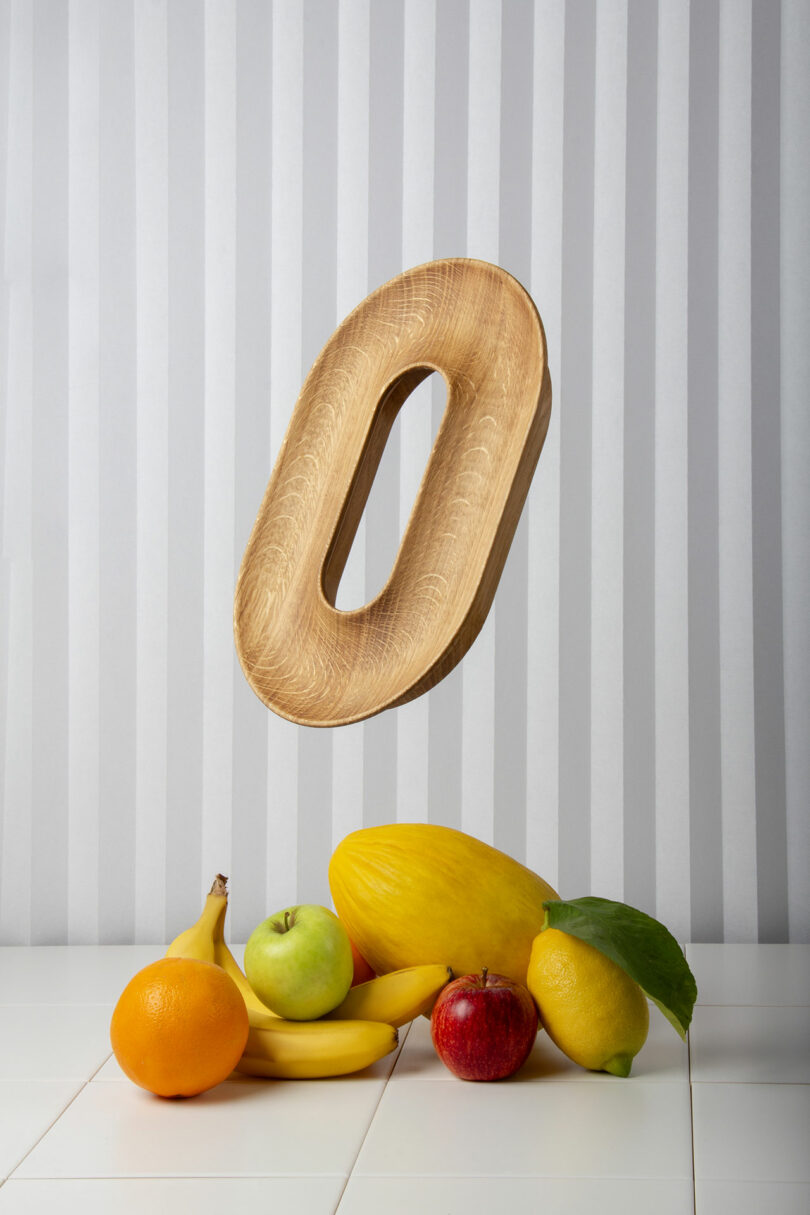
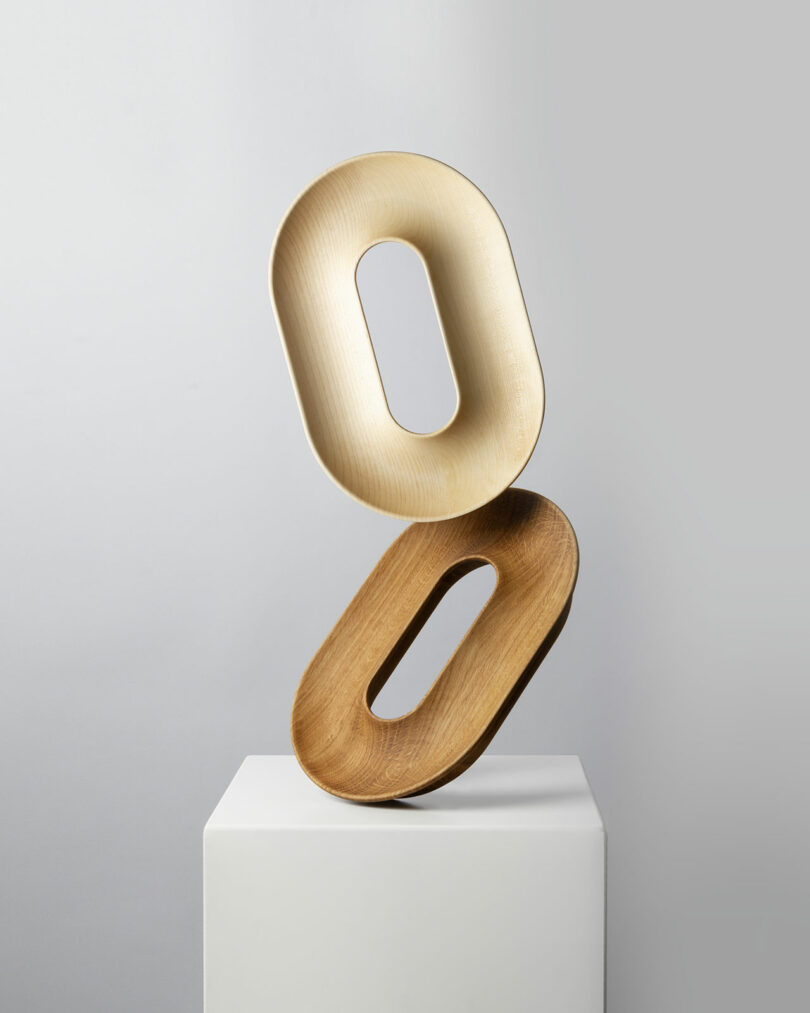
One of the highlights of the CIRCUIT collection is its versatility in form. Defrancesco developed two primary configurations: the O-shaped circular track and the S-shaped serpentine track.
- The O-Shape: This is the quintessential centerpiece. It works beautifully on round dining tables or square kitchen islands, creating a focal point that draws the eye inward. It feels symmetrical and balanced, perfect for minimalist "Scandi-chic" interiors.
- The S-Shape: This version is more architectural and dynamic. It’s ideal for long rectangular tables or narrow sideboards. The "S" curve adds a sense of movement to the room, making it feel less like a bowl and more like an art installation.
Beyond fruit, I’ve seen my clients use the CIRCUIT as an "entryway catch-all" for keys and mail, or even as a decorative display for air plants and dried botanicals. The natural wood tones pair exceptionally well with neutral palettes, but they also provide a warm contrast to cold materials like marble countertops or stainless steel appliances.
Styling Tip: The "Tonal" Approach
For a truly editorial look, try styling your CIRCUIT bowl with a monochromatic selection of fruit. A series of green Granny Smith apples on the oak track looks incredibly sharp and modern, while a mix of lemons and limes offers a vibrant, citrusy pop against the lighter maple wood.
Essential Care for Premium Wooden Decor
When you bring a high-end handcrafted wooden piece into your home, you become its steward. Because the CIRCUIT is made of living materials—wood and cork—it requires a bit more TLC than a standard plastic or glass bowl. I always tell my readers: treat your premium wood like you treat your skin. It needs to stay hydrated and clean, but never "soaked."
1. Daily Cleaning After you finish your weekly fruit supply, wipe the track down with a damp (not dripping) soft cloth. If there is any sticky residue from a particularly ripe peach, use a tiny drop of mild, pH-neutral dish soap. Why is hand-washing non-negotiable? The high heat and harsh chemicals of a dishwasher will strip the natural oils from the wood, leading to cracking and warping.
2. Restoration and Luster About once every three to six months, you may notice the wood looking a bit "thirsty" or dull. This is when I recommend a light application of food-grade mineral oil or a beeswax conditioner. Apply a small amount with a lint-free cloth, let it sit for 20 minutes, and buff away the excess. This not only maintains the natural luster but also creates a protective barrier against moisture.
3. What to Avoid
- The Microwave: Never place wooden items in the microwave; the rapid heating of moisture inside the wood cells can cause it to explode or split.
- Direct Sunlight: While it looks beautiful in a sunny kitchen, prolonged exposure to intense UV rays can bleach the wood and cause it to become brittle.
- Soaking: Never submerge the bowl in a sink of water. Wood is porous and will swell, which may ruin the precision-cut track.
Editor's Note: If you live in an especially dry climate, your wooden pieces may require oiling more frequently. Listen to the texture—if it feels "rough" or "sandpaper-y," it’s time for a treatment.
FAQ
Q: Can I store very small fruits like grapes or berries in the CIRCUIT bowl? A: The CIRCUIT is optimized for medium-to-large fruits (apples, pears, oranges, peaches, etc.) that fit within the track’s width. While you can certainly place a small bunch of grapes on the track, the "individual separation" benefit is most effective for larger produce that typically gets bruised when piled.
Q: Is the cork base waterproof? A: Cork is naturally water-resistant and antimicrobial, which is why it's excellent for kitchenware. However, it is not "waterproof" in the sense that it can be submerged. If it gets wet, simply wipe it dry and let it air-surface in a well-ventilated area.
Q: Will the wood stain if a piece of fruit rots on it? A: Because the wood is finished with natural oils, it has a degree of protection. However, the acidity in some fruits (like berries or citrus) can eventually mark the wood if left for long periods. We recommend checking your fruit daily—which is much easier to do with CIRCUIT’s open design!
The CIRCUIT Fruit Bowl is a testament to the idea that we don't have to choose between a home that looks like a gallery and a home that functions with efficiency. It is an invitation to slow down, to appreciate the craftsmanship of the Swiss workshops, and to honor the fresh ingredients we bring into our kitchens. When design solves a problem as universal as food waste, it ceases to be just an "object" and becomes an essential part of a modern, mindful lifestyle.