What if a home didn’t start with a series of rooms, but with the breath of a garden? In the heart of Ningbo, China, a 430-square-meter residence known as the Inner Garden project has shattered the traditional blueprint of luxury apartment living. Designed by the visionary team at OUTIN Design, this "Garden in the Sky" is not merely an interior with plants; it is a radical reimagining of how nature can anchor our daily existence. By sacrificing a conventional five-bedroom layout to make room for a central, three-meter-square open-air courtyard, the architects have created a sanctuary where the boundary between "inside" and "outside" effectively ceases to exist.
The Vision: Wrapping Life Around Nature
When we think of high-end apartments, we often prioritize square footage and bedroom counts. However, OUTIN Design took a different path. The "Inner Garden" project replaces the standard compartmentalized floor plan with a central void that houses a pair of delicate Japanese maples reaching toward the sky. This project serves as a masterclass in biophilic interior design for 2026, where the home is no longer a container for belongings, but an ecosystem for living.
The core philosophy here is simple yet profound: nature is the center of the home, and the rooms are merely the audience. This shift in perspective transforms the 430sqm space from a static residence into a living, breathing entity. Instead of walking down dark hallways to reach bedrooms, the residents move through a light-filled perimeter that constantly references the central "Inner Garden."
Scrapping the Conventional: The Architecture of the Void
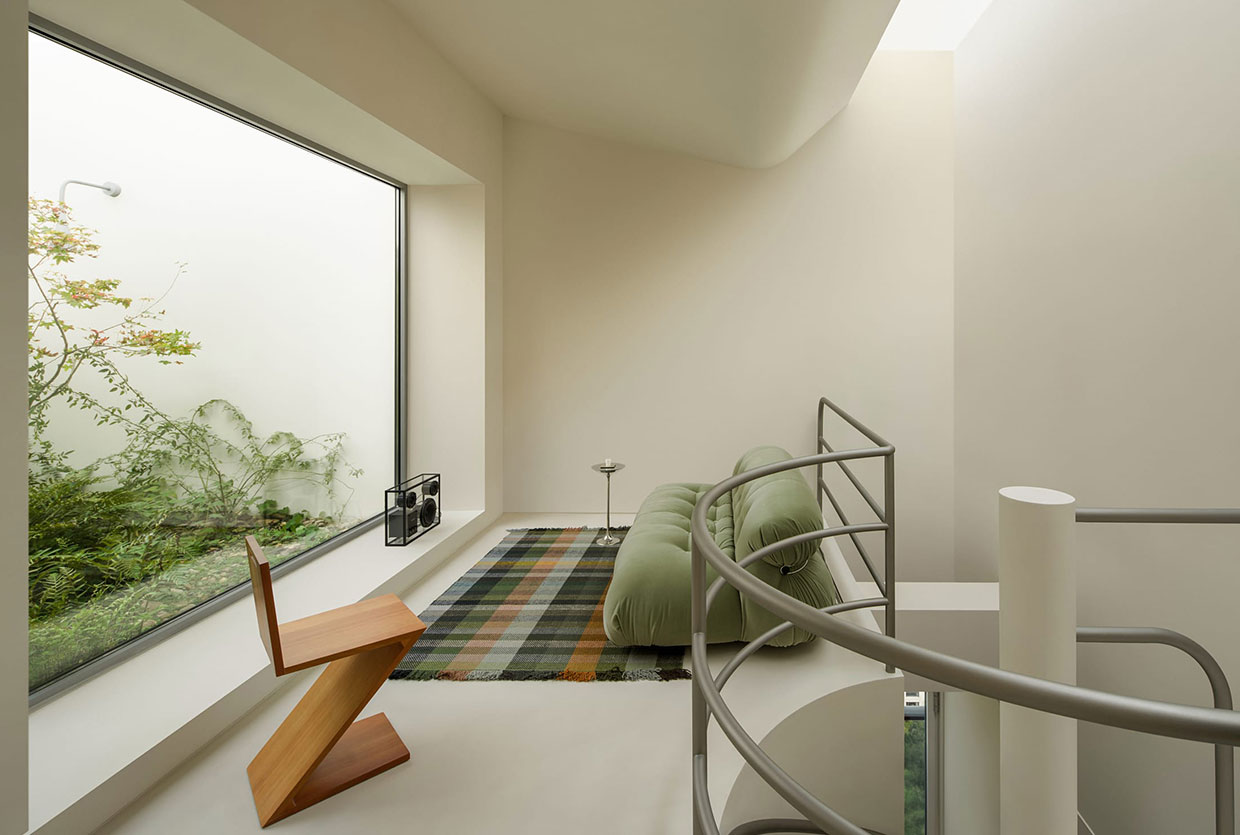
The most daring move in the OUTIN Design Inner Garden Ningbo project was the decision to scrap a pre-existing five-bedroom plan. In its place, the designers introduced a 3m-square open-air courtyard that punctures through the levels of the residence. This "void" is the lungs of the house.
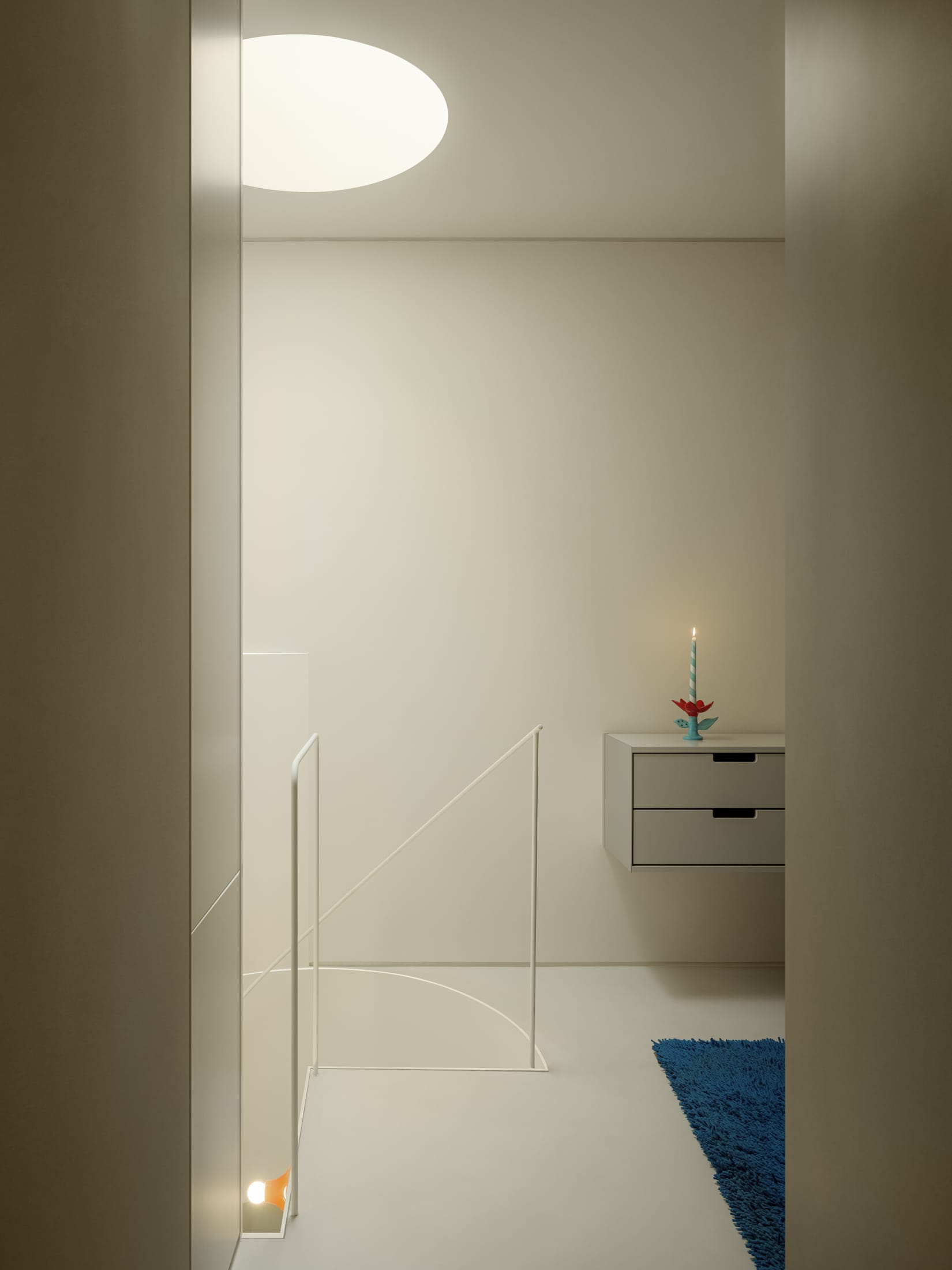
To navigate this verticality, two slender, sculptural spiral staircases link the levels of the 430sqm residence. These stairs aren't just functional; they are artistic expressions that wrap around the central courtyard, allowing the inhabitants to experience the garden from different heights and angles as they move between floors. This architectural choice emphasizes the nature-centric home architecture that is becoming the gold standard for high-density urban living.
Designer Tip: When designing for biophilia, don't just "add" plants. Look for ways to subtract walls. The "void" is often more valuable than the "room" because it provides the light and air that make a space feel infinite.
The Power of Visual Connectivity
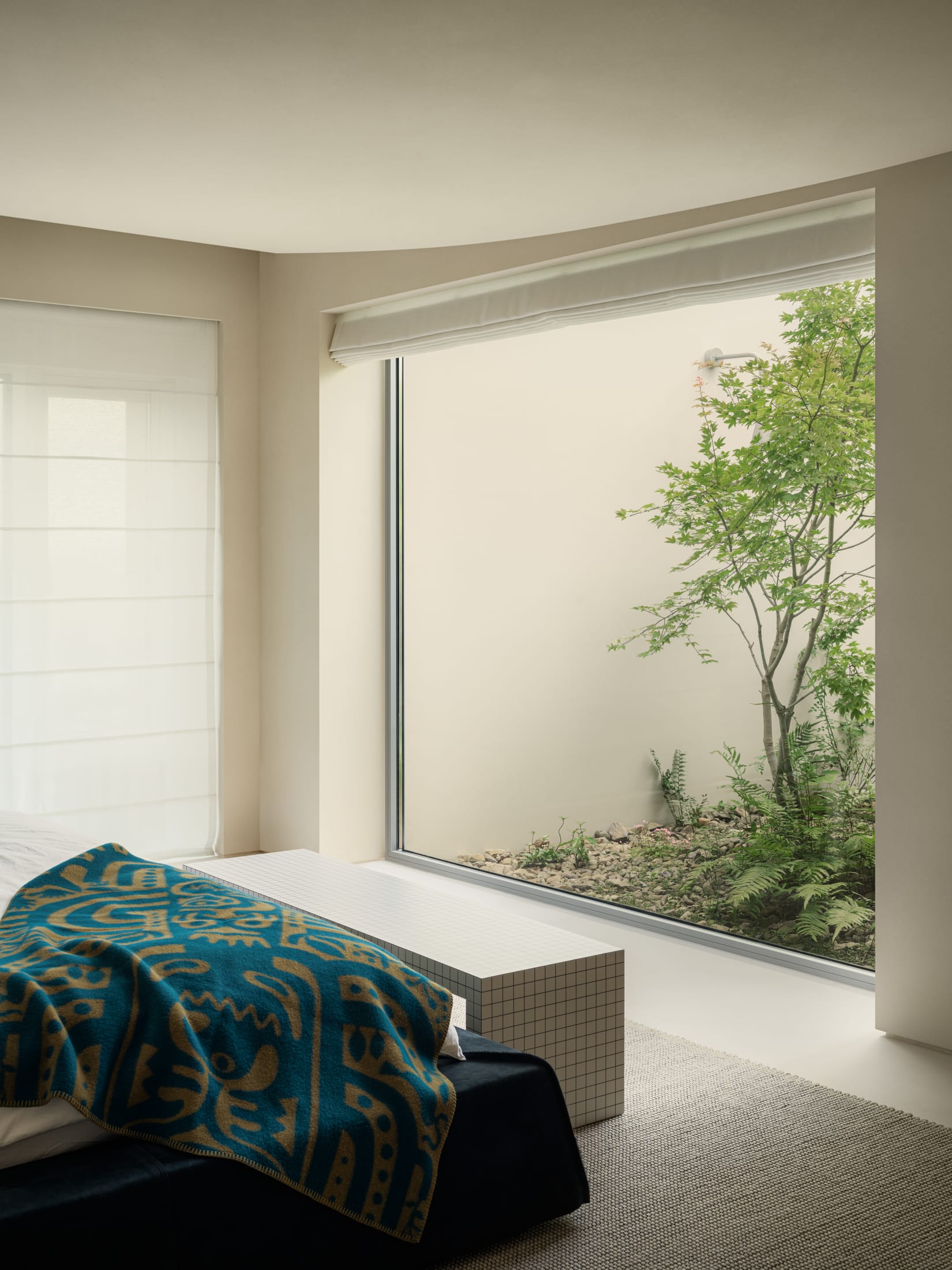
One of the most impressive statistics of the Inner Garden project is its 100% visual connectivity rate. In this residence, every single room—from the kitchen to the master suite—shares a direct, unobstructed view of the central sky garden. This isn't an accident; it's the result of meticulous planning using "framed views," a technique deeply rooted in traditional Eastern architecture.
Inspired by the winding paths and hidden vistas of rural Zhejiang, OUTIN Design used strategic apertures to ensure that no matter where you stand, you are never more than a glance away from the shifting colors of the Japanese maples. This constant visual access to nature reduces stress and reinforces a sense of place within the larger environment. It’s a literal manifestation of indoor-outdoor flow design trends, where the "outside" is brought into the very heart of the floor plan.
Natural Light as a Building Material
In many modern apartments, artificial lighting is a necessity to combat deep floor plates and limited window access. The Inner Garden flips this narrative. By utilizing expansive south-facing windows and the central open-air void, the residence achieves a remarkable 0% reliance on artificial lighting during peak daylight hours.
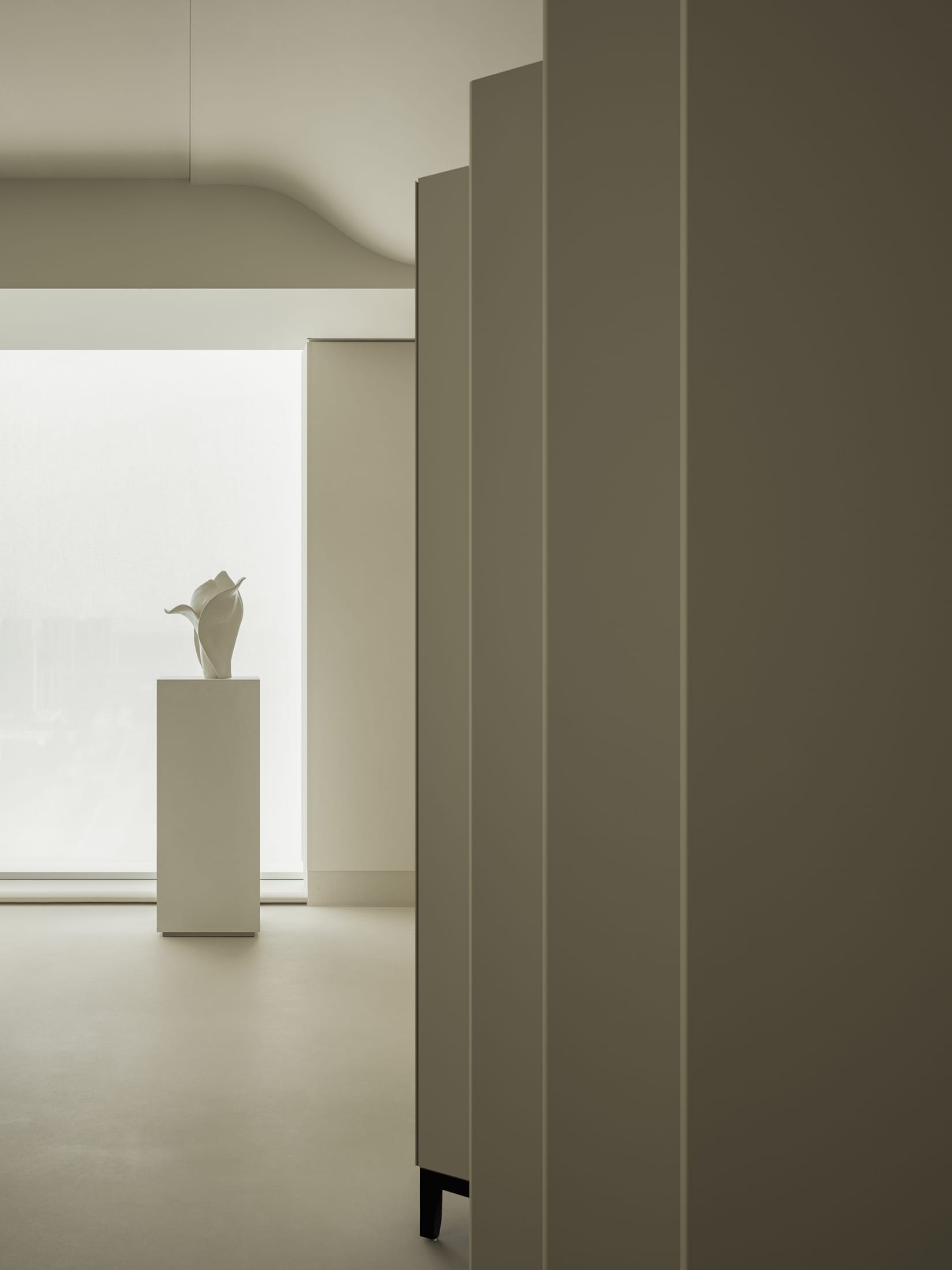
Light here is treated with the same reverence as marble or timber. It washes over the matte-finished walls, changes with the seasons, and marks the passage of time through the moving shadows of the trees. This reliance on natural rhythms is a cornerstone of biophilic interior design 2026, focusing on circadian health and the sensory experience of a space rather than just its visual aesthetics.
Defining Biophilic Design Trends for 2026
As we look toward the future of interior styling, the Inner Garden project serves as a crucial blueprint. We are moving beyond the era of "plant styling" (placing a fiddle-leaf fig in a corner) and entering the era of integrated ecosystems.
The biophilic design trends for 2026 focus on:
- Integrated Greenery: Plants are no longer décor; they are integrated into the joinery and architecture.
- Sensory Wellness: Design that prioritizes the sound of rustling leaves, the scent of damp earth, and the feel of natural textures.
- Material Honesty: A shift away from high-gloss, synthetic finishes toward tactile, matte materials like clay, stone, and raw timber.
| Feature | 2025 Approach | 2026 Trend (Inner Garden Style) |
|---|---|---|
| Plant Integration | Potted plants in corners | Integrated architectural courtyards |
| Lighting | Smart LED systems | 0% artificial light during daylight |
| Materials | Polished surfaces, synthetic stone | Matte, tactile stone, and open-grain timber |
| Layout | Maximize room count | Maximize visual "voids" and flow |
| Focus | Visual aesthetics | Sensory and emotional wellness |
Materiality and Interior Curation
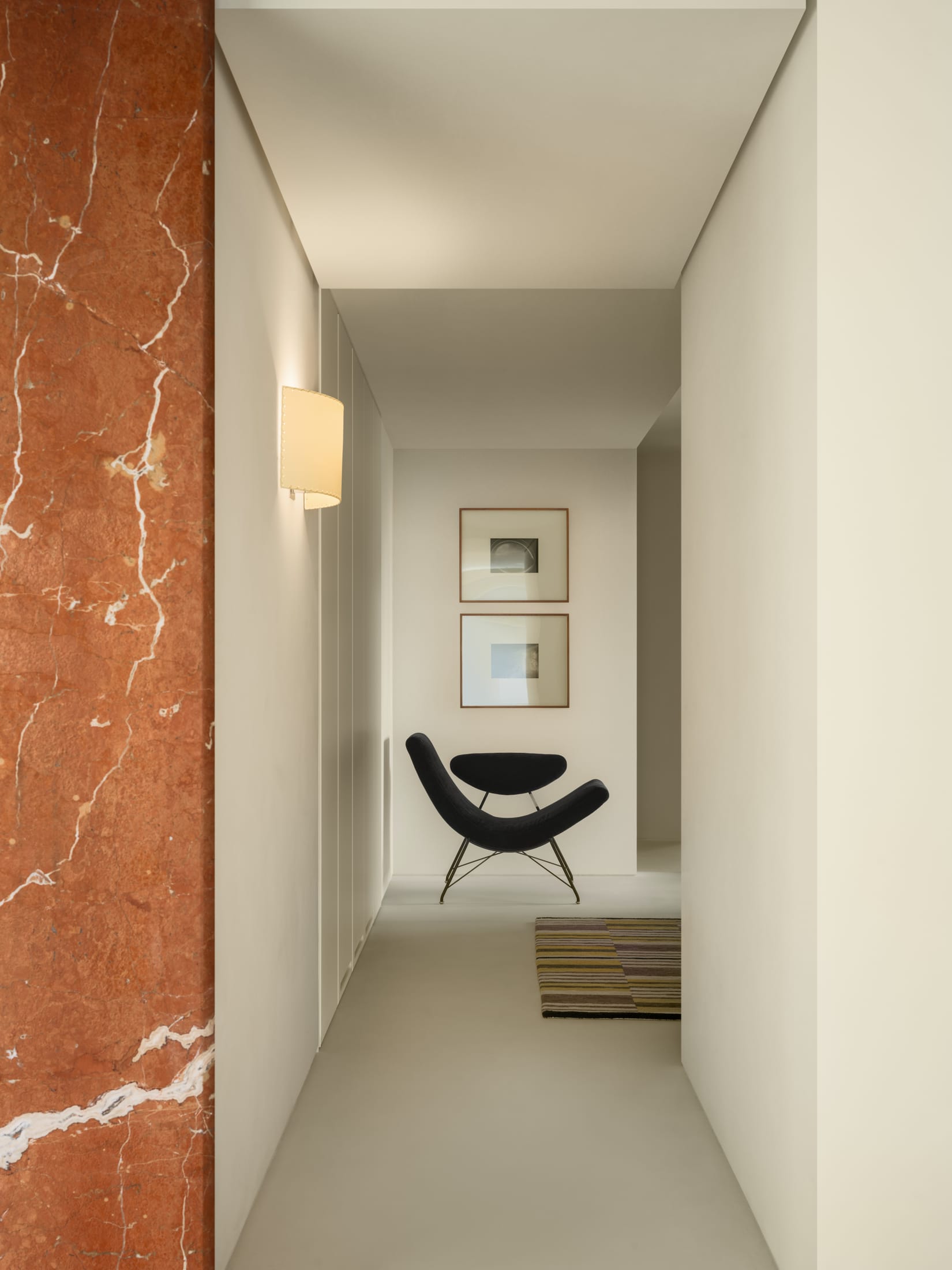
The interior palette of the Inner Garden is a sophisticated blend of contemporary high-design and raw, grounding materials. To balance the airy lightness of the central void, OUTIN Design utilized dark reddish marble as architectural frames. These frames act as anchors, providing a rhythmic, grounding weight to the space.
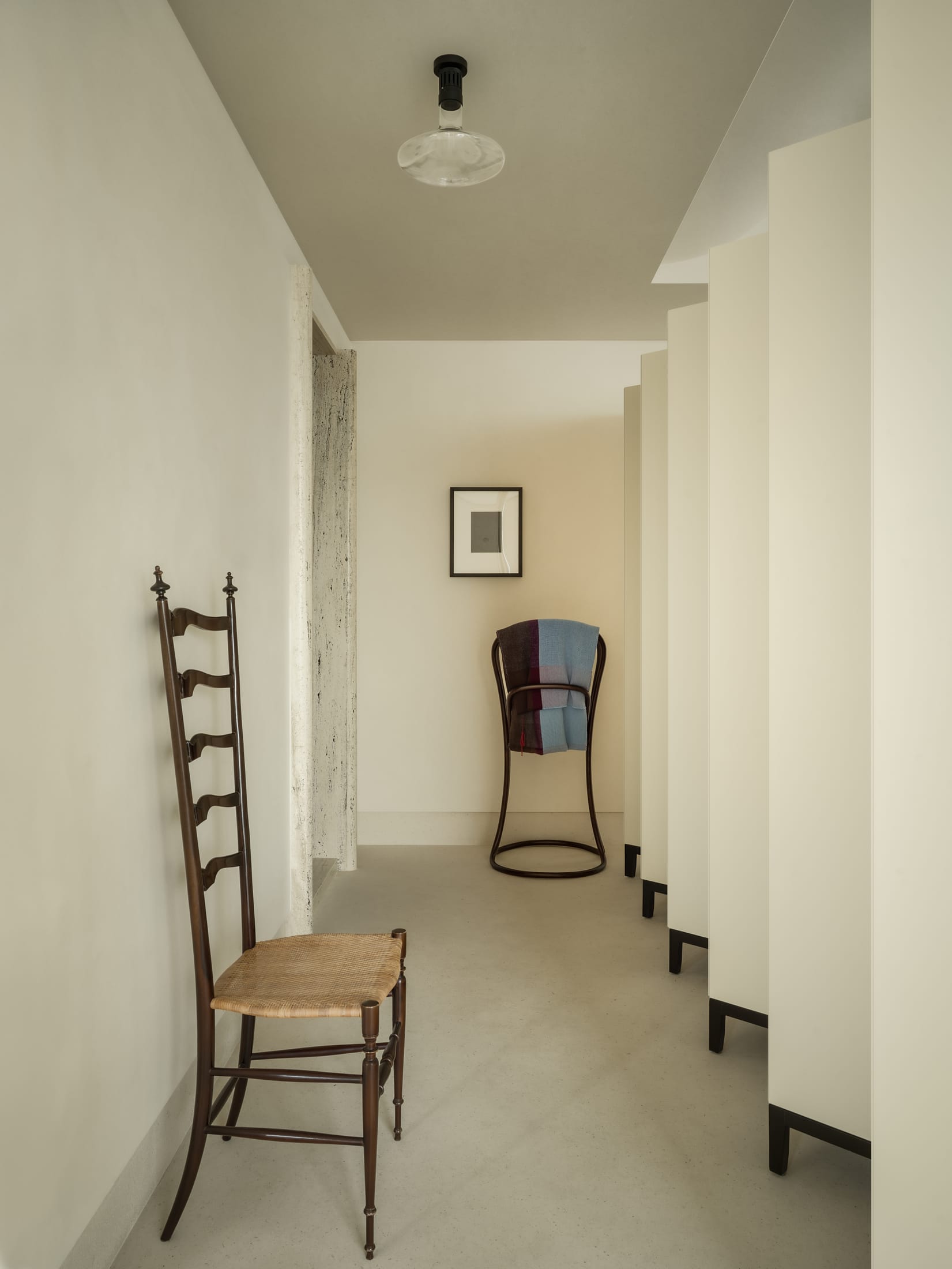
The curation of furniture also reflects a trend toward longevity and personal narrative. You’ll find iconic pieces from Vitsoe and Cassina sitting alongside personal artifacts. This mix of high-end design with tactile, matte finishes—such as micro-cement floors and clay-based wall treatments—creates a "quiet luxury" that feels lived-in rather than staged. This tactile richness is essential for creating the "slowing down" effect that biophilic spaces aim to achieve.
Living the Change: Wellness and Rhythms
Ultimately, the Inner Garden project is about a lifestyle shift. By prioritizing the garden, the residents are invited to live according to the "weekend" effect every day. The acoustic comfort provided by the open void (which helps dampen city noise through natural air layers) and the superior air quality filtered by the central greenery are the next frontiers of biophilia.
As an editor, I see many beautiful homes, but few that truly challenge how we inhabit space. OUTIN Design has proven that even in a bustling city like Ningbo, an apartment with a central sky garden is not just a dream—it is a viable, wellness-focused reality for the future of urban architecture.
FAQ
How can I apply these biophilic trends if I don't have 430sqm? You don't need a central courtyard to embrace 2026 trends. Focus on "visual connectivity" by using glass partitions instead of solid walls, and integrate greenery into your furniture (like shelving units with built-in planters) rather than using standalone pots.
What are the best plants for an indoor sky garden? The Japanese maple is a favorite for its delicate foliage and seasonal color changes. However, for smaller spaces, consider the Ficus lyrata (if you have high ceilings) or Philodendron species that thrive in indirect, natural light provided by large windows.
Is 0% artificial lighting actually possible in a city? It depends on your building's orientation. The Ningbo project succeeds because of its south-facing windows and the central void. For most, the goal should be "daylight harvesting"—using mirrors and light-colored, matte surfaces to bounce natural light as deep into the home as possible.
Join the Conversation
Are you ready to sacrifice a spare room for a garden in the sky? The future of luxury is no longer about how much space we own, but how much nature we let in.