Quick Facts
- Project Name: Deiji Paddington Boutique
- Designer: Pattern Studio
- Location: Paddington, Sydney, Australia
- Floor Area: 35 square meters
- Design Philosophy: "Selective Remodeling" and Warm Minimalism
- Key Materials: Honey-hued oak, buttery silk, polished stainless steel, faceted mirrors
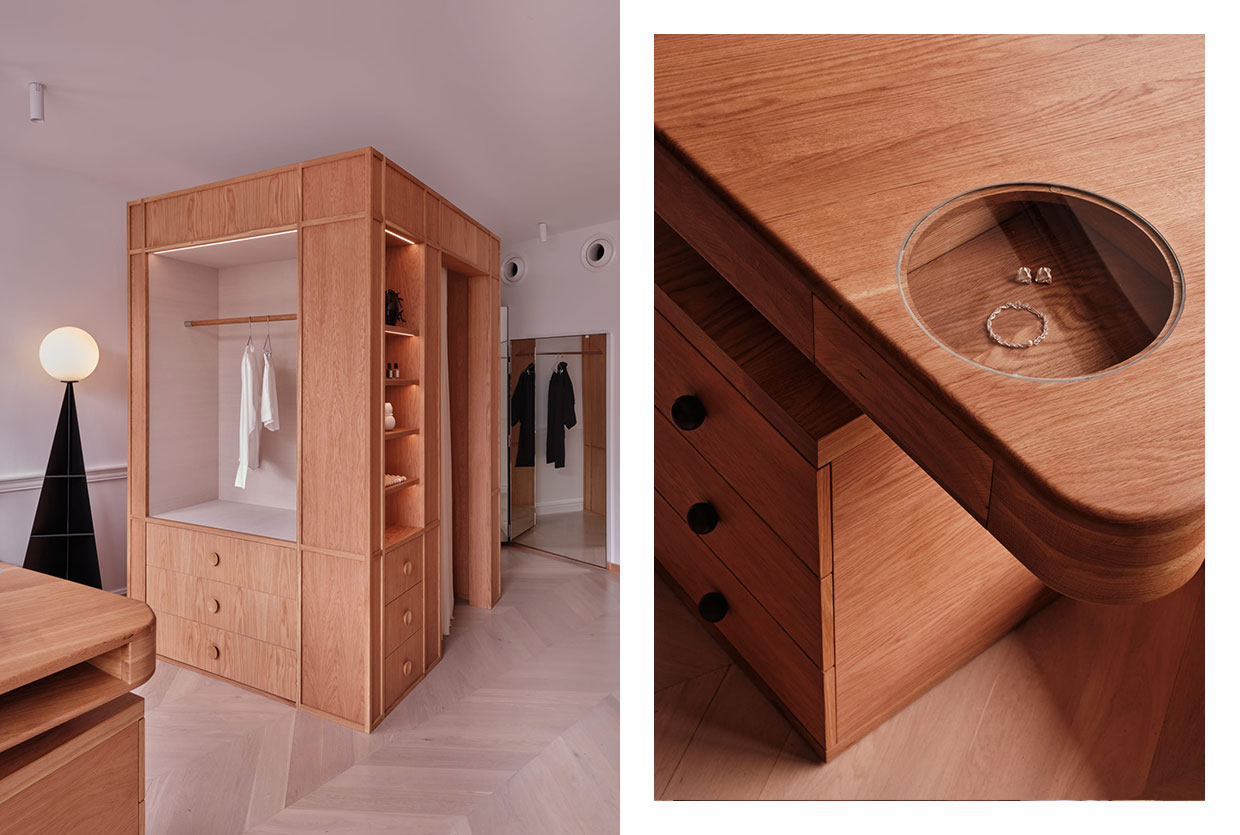
- Key Design Move: A central timber volume acting as a spatial anchor
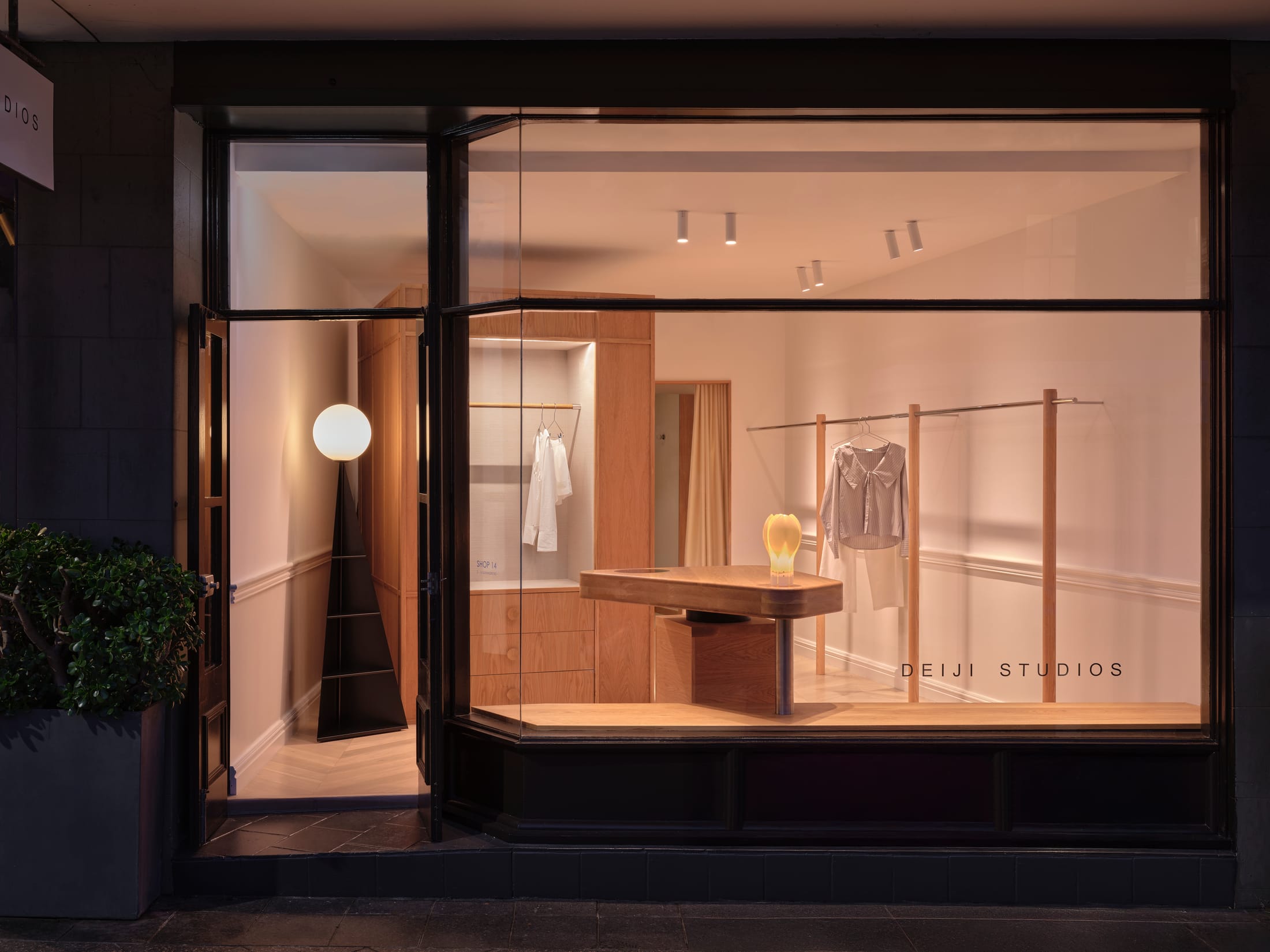
In the world of high-end retail, we have been conditioned to believe that luxury is synonymous with scale—vast marble halls, soaring ceilings, and a sense of intimidating emptiness. But as urban density increases and the economic reality of prime real estate shifts, a new question arises: Can 35 square meters be truly luxurious? The answer, as demonstrated by Pattern Studio’s latest intervention for Deiji in Sydney’s historic Paddington, is a resounding yes.
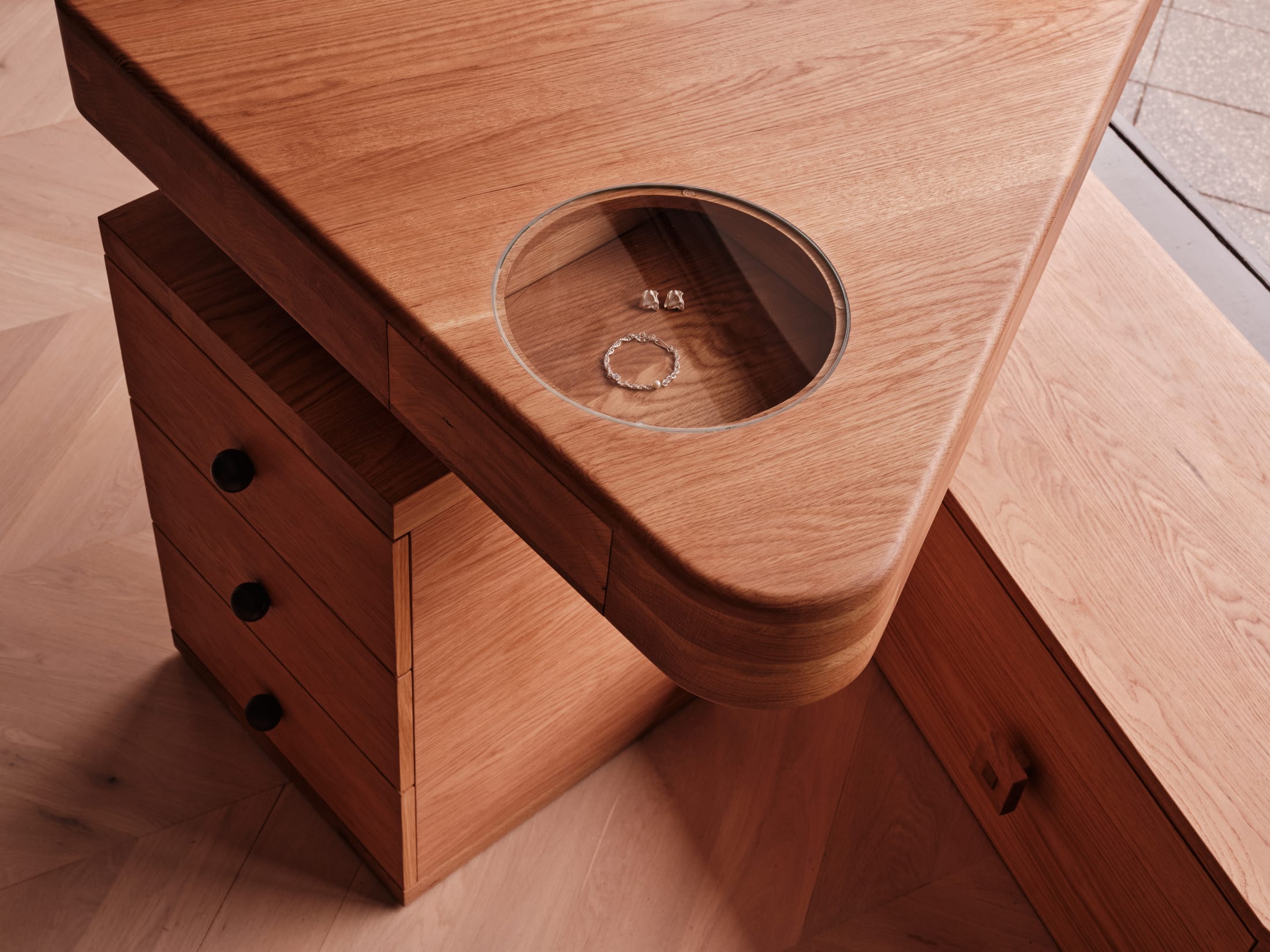
To make a 35sqm space feel luxurious, the design must pivot from grandiosity to intimacy. The secret lies in a meticulously curated material palette—layering honey-hued oak with buttery silk—and the strategic use of faceted mirrors to create an illusion of depth while maintaining a cocoon-like atmosphere. It is an uncommon move that prioritizes emotional warmth over sterile perfection, offering a blueprint for the future of both retail and residential design.
Anatomy of a 35sqm Haven: Pattern Studio’s Design Strategy
Working within the constraints of a heritage-listed building in one of Sydney’s most expensive rental markets requires a certain level of "economic realism." Rather than a full-scale gut renovation, Pattern Studio employed a strategy of selective remodeling. By retaining the original building envelope and focusing on high-impact, intentional interventions, they balanced brand growth with economic sustainability. This approach is becoming increasingly vital; industry analysis suggests that 68% of luxury retailers in high-rent markets like Sydney are shifting toward selective remodeling to navigate current economic pressures.
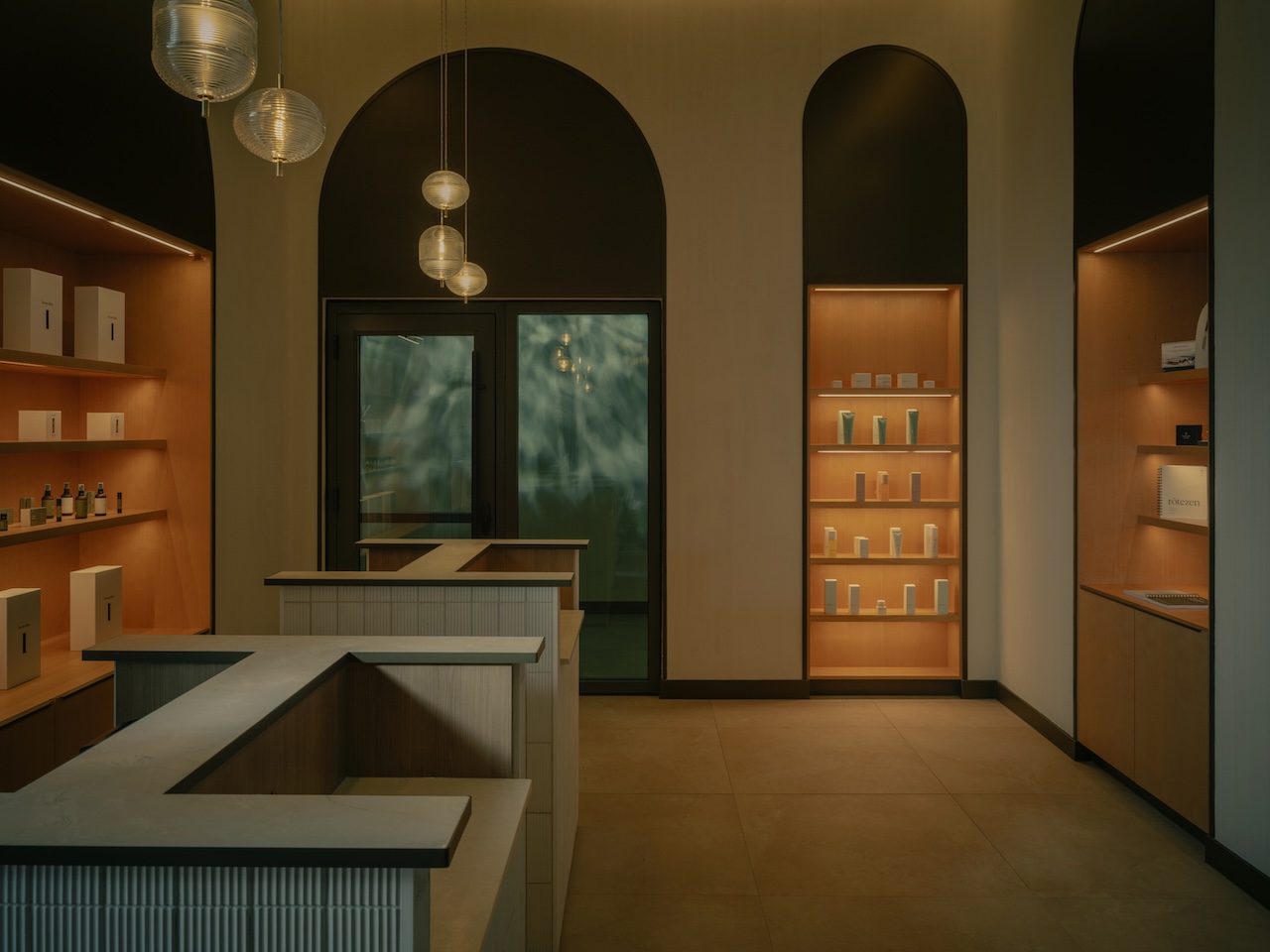
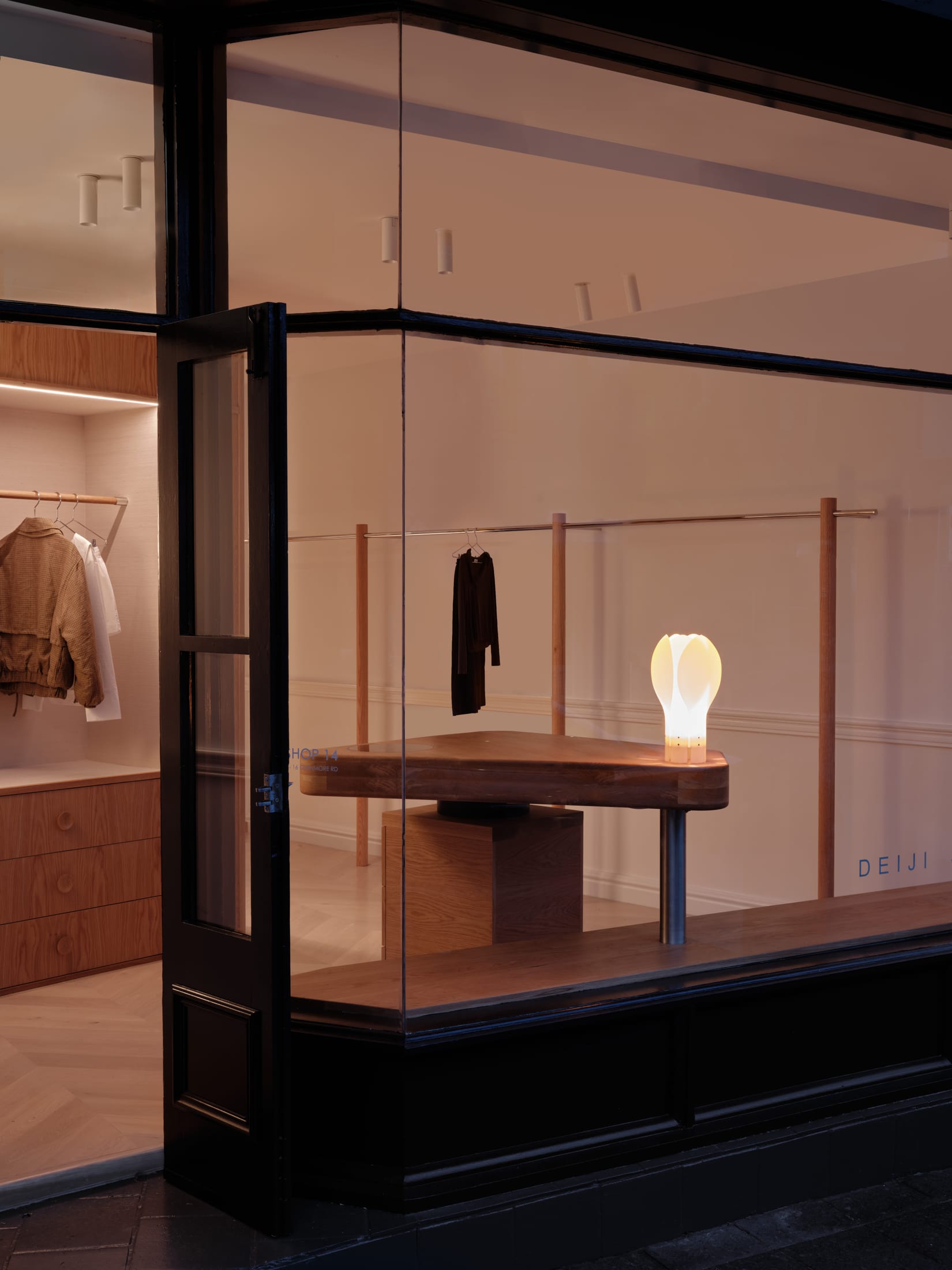
The luxury here is found in the "sensory richness" of the materiality. Upon entering, the eye is immediately met with a palette that feels more like a private residence than a traditional boutique. The designers layered textures that demand to be touched:
- Honey-Hued Oak: Used for the primary joinery and the central "spatial anchor," providing a grounded, organic warmth.
- Buttery Textured Silk: Softening the walls and creating a gentle, diffused acoustic environment.
- Polished Stainless Steel: Offering a sharp, modern counterpoint to the organic wood, reflecting light without the coldness of chrome.
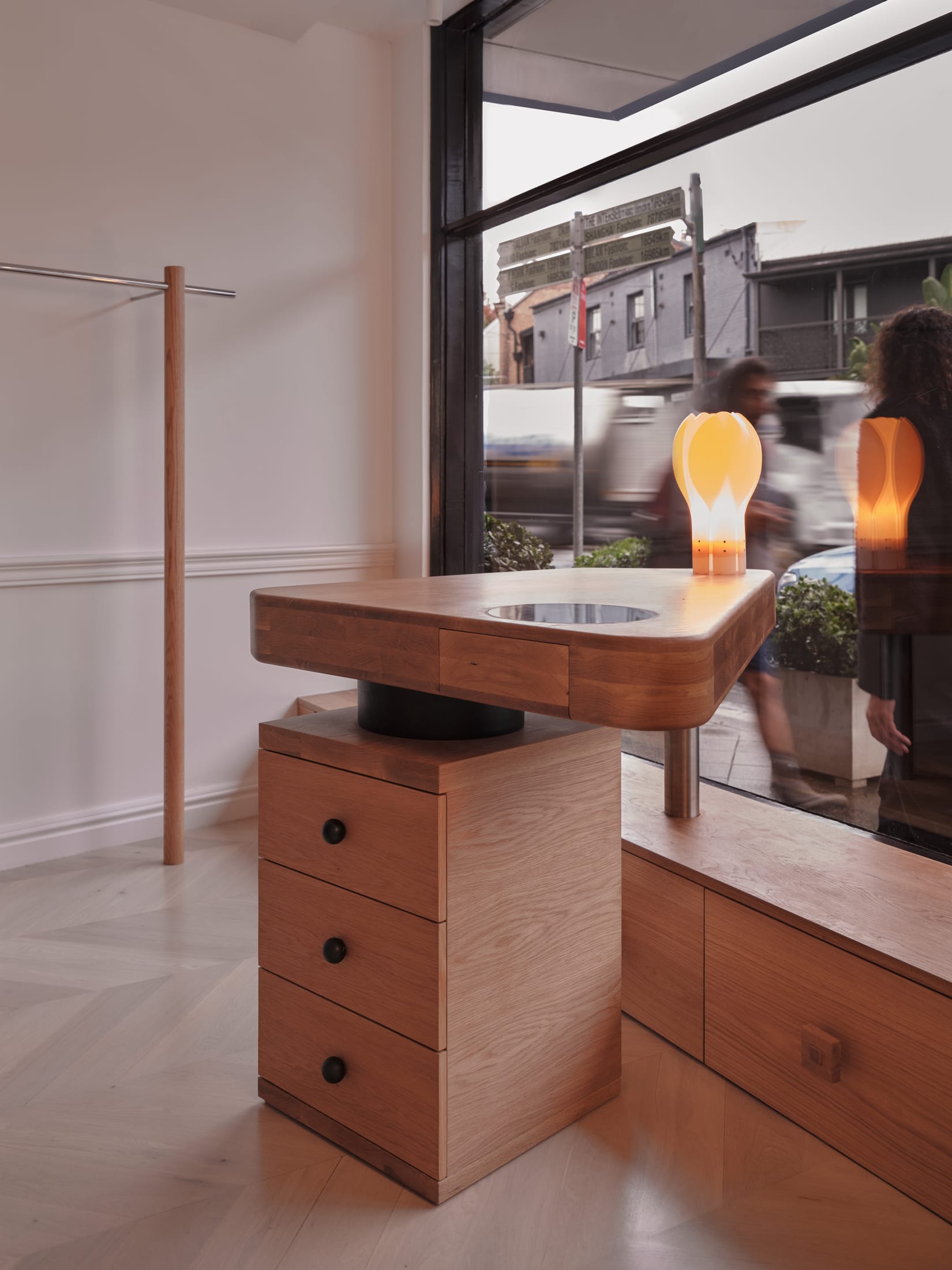
Lighting plays a pivotal role in defining the boutique's character. Rather than relying on harsh overhead tracks, the space is illuminated like a sanctuary. The inclusion of the 1970s 'Tulip' lamp by Yngve Ekström and the 'Bonhomme' floor lamp provides an ambient, domestic glow that invites customers to linger. This use of "lighting as art" ensures that even the smallest corner feels considered and intentional.
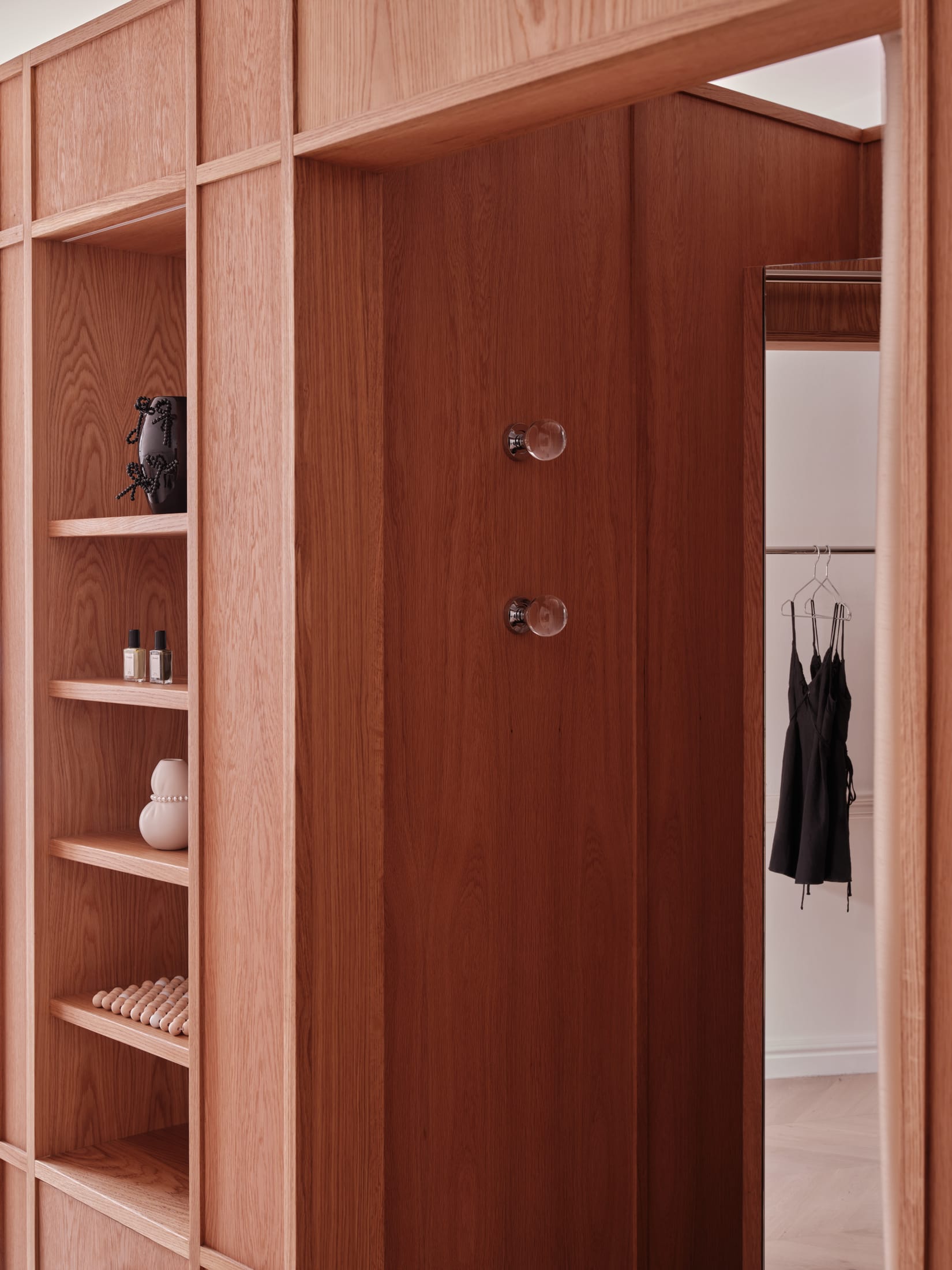
Expert Tip: In small-scale design, lighting should never be an afterthought. Layering floor lamps and vintage sconces creates "pools of light" that define different zones within a single room without the need for physical partitions.
Spatial Anchors: Navigating Small Footprints
The most significant challenge of a 35sqm layout is movement. How do you guide a visitor through the space without making them feel boxed in? Pattern Studio’s solution was the creation of a "spatial anchor"—a central timber fitting room volume placed slightly askew.
Deiji’s Paddington store optimizes its small footprint by using this central timber volume to guide customer flow naturally. Because the volume doesn't touch the perimeter walls, it allows for a fluid, circular browsing path. It creates "pockets" of privacy for the fitting room experience while maintaining a sense of openness in the main display area.
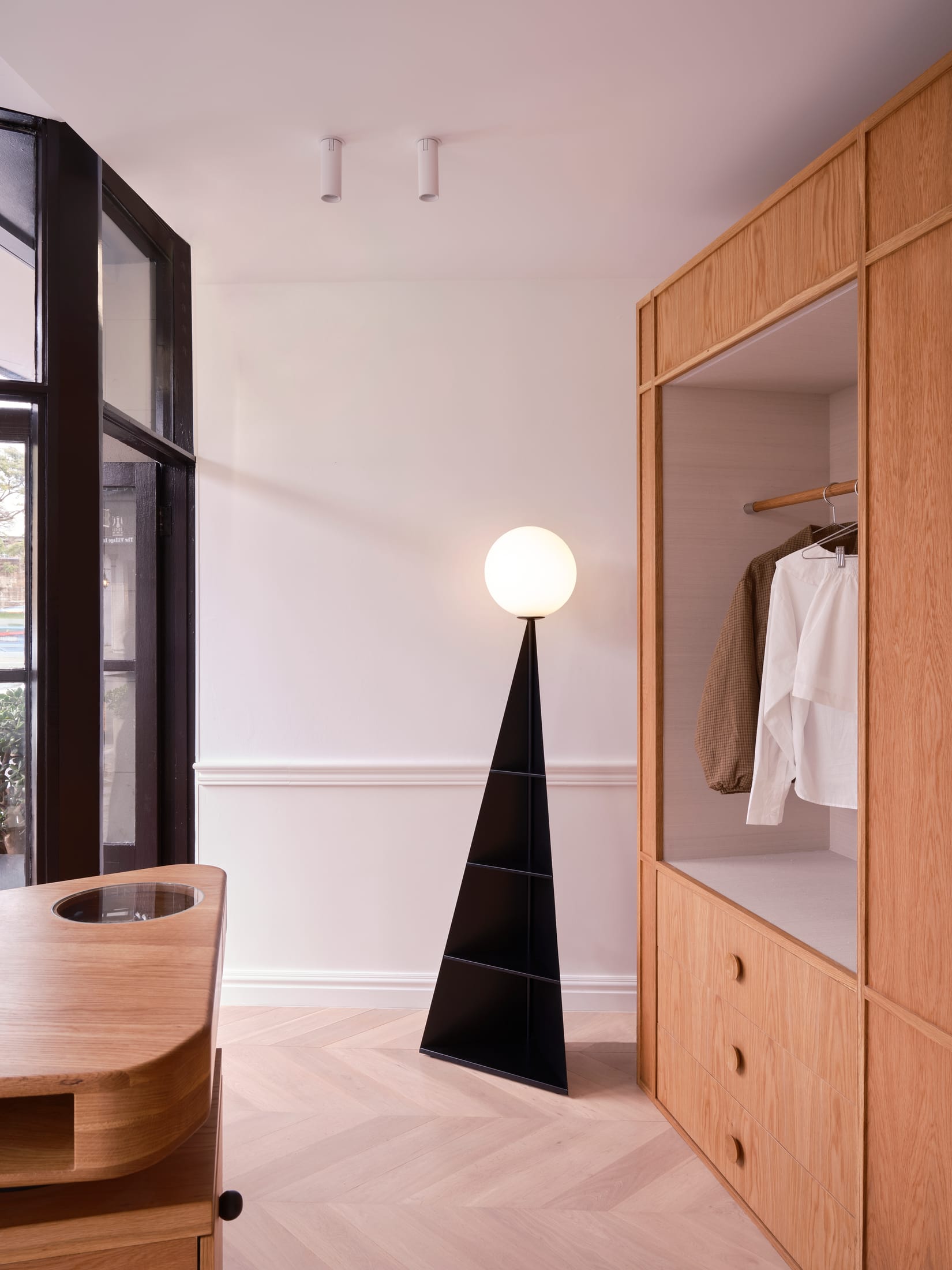
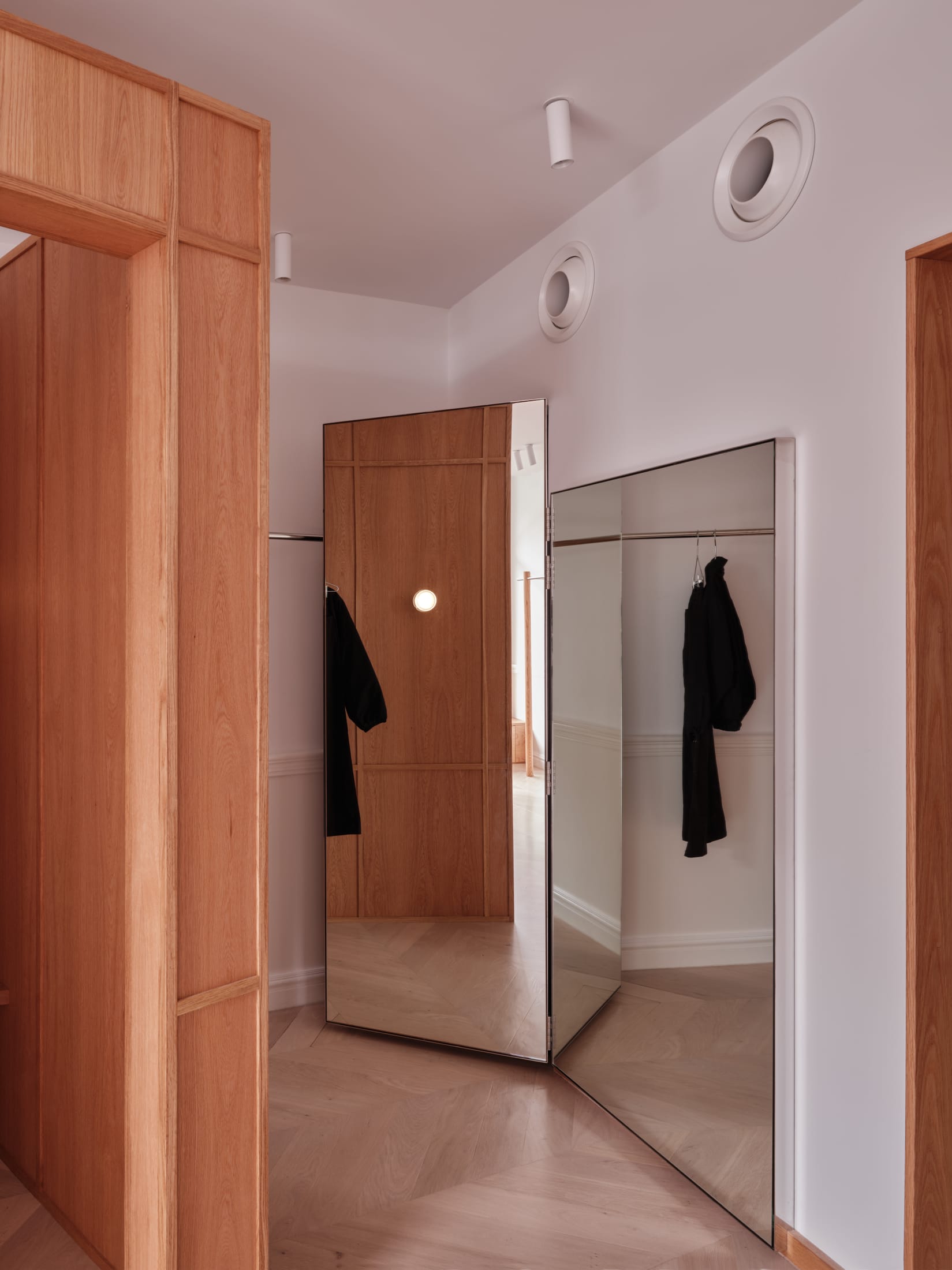
To counteract the physical limitations of the walls, the designers utilized reflective depth at the rear of the store. By installing faceted full-length mirrors, they didn't just provide a place for customers to view the garments; they effectively doubled the visual field.
Design Statistic: Strategic use of reflective surfaces and faceted mirrors in compact designs can increase the perceived interior volume by up to 45%, tricking the eye into seeing depth where there is none.
2026 Trends: From Retail to Residential Sanctuaries
While Deiji Paddington is a retail space, its design principles are a harbinger of the 2026 luxury interior trends we are seeing emerge for residential living. As the global housing market pushes more people into smaller, urban apartments, the "Deiji Approach" offers a masterclass in making "small" feel "grand."
The 2026 luxury design trends for small spaces emphasize 'emotional comfort' and 'personalization,' moving away from fleeting fads toward timeless silhouettes and durable, high-quality materials.
- Emotional Comfort: The shift from stark, "cold" minimalism toward "warm minimalism." This involves using tactile, nurturing materials like bouclé, linen, and fluted wood to create a sense of safety and calm.
- Bespoke Built-ins: To maximize verticality, we are seeing a move toward floor-to-ceiling custom joinery that blends into the architecture, creating a seamless, tailored look that eliminates visual clutter.
- The "Domesticated" Retail Experience: Stores are increasingly looking like living rooms, and living rooms are increasingly looking like curated galleries. This blur of functionality is key to modern luxury.
The Future of Selective Remodeling
As we look toward the future of design in high-rent urban hubs, the "total gut-reno" is becoming a relic of the past. The industry is pivoting toward "intentional interventions." This isn't just about saving money; it’s about sustainability and honoring the "soul" of the building.
Market Insight: 68% of luxury retailers in high-rent markets are shifting toward selective remodeling to balance brand growth with economic sustainability.
Pattern Studio’s work for Deiji proves that luxury is not about the quantity of square footage, but the quality of the experience within it. By focusing on sensory richness, spatial anchors, and emotional comfort, they have created a 35sqm haven that feels more expansive and "expensive" than stores four times its size.
FAQ
How can I apply the 'spatial anchor' concept to my small apartment? You don't need a timber volume! Use a piece of furniture, like a kitchen island or a double-sided bookshelf, placed away from the walls. This creates a natural "flow" and defines different zones (like a dining area vs. a living area) without needing walls that block light.
What is 'Warm Minimalism' and how does it differ from traditional minimalism? Traditional minimalism often focuses on "less is more" through white walls and hard surfaces. Warm Minimalism focuses on "less but better," using natural materials like wood, wool, and silk to create a space that feels clean but also cozy and nurturing.
Can mirrors really make a room feel 45% larger? Yes, especially when they are faceted or placed opposite a light source. By reflecting both the architectural lines of the room and the natural light, mirrors break the visual boundary of the wall, making the eye perceive the space as continuing beyond its physical limits.