For years, the design of kitchen tools followed a predictable, top-down trajectory: an engineer in a glass-walled office decided how your dish rack should look, and you, the home cook, simply had to adapt to its flaws. We’ve all been there—trying to balance a delicate wine glass on a plastic peg that wasn't built for it, or watching a damp dishcloth develop a sour smell because there was nowhere to hang it. But as we look toward 2026, a radical shift is occurring. The most successful kitchen innovations are no longer coming solely from corporate boardrooms; they are being forged in the comments sections, forums, and feedback loops of the people who actually use them. Community-driven kitchen tools are bridging the gap between "good enough" and "perfect" by identifying real-world pain points—like the need for specialized stemware storage and modular, over-the-sink drying solutions—and solving them through collective intelligence.
Community-led design processes, most notably seen in initiatives like Food52’s 'Five Two' line, ensure that home essentials solve specific user frustrations, such as integrating potholders directly into aprons or creating "no-slip" cutting boards. The essential kitchen cleaning toolkit for 2026 is a direct result of this evolution, featuring cordless vacuums for instant spill management, eco-friendly scrubbers designed specifically for seasoned cast iron, and modular racks that reclaim valuable counter space.
The Shift Toward Co-Designed Kitchens
The "Five Two" philosophy is more than just a brand name; it’s a manifesto for the modern home. It posits that the collective wisdom of thousands of home cooks outweighs the assumptions of a single industrial designer. When a community is asked, "What's wrong with your current kitchen towels?" they don't give vague answers. They talk about absorbency, the frustration of lint on glassware, and the lack of a proper hanging loop. By aggregating these specific grievances, designers can create products that offer immediate, tangible value.
In the lead-up to 2026, we are seeing this democratic design approach move from niche startups to the mainstream market. The goal is no longer just aesthetics; it is efficiency and durability in real household scenarios. We are moving away from the era of "disposable" kitchen gadgets and toward a curated set of tools that earn their place on the counter through performance and longevity.
The Anatomy of a Community-Led Design Process
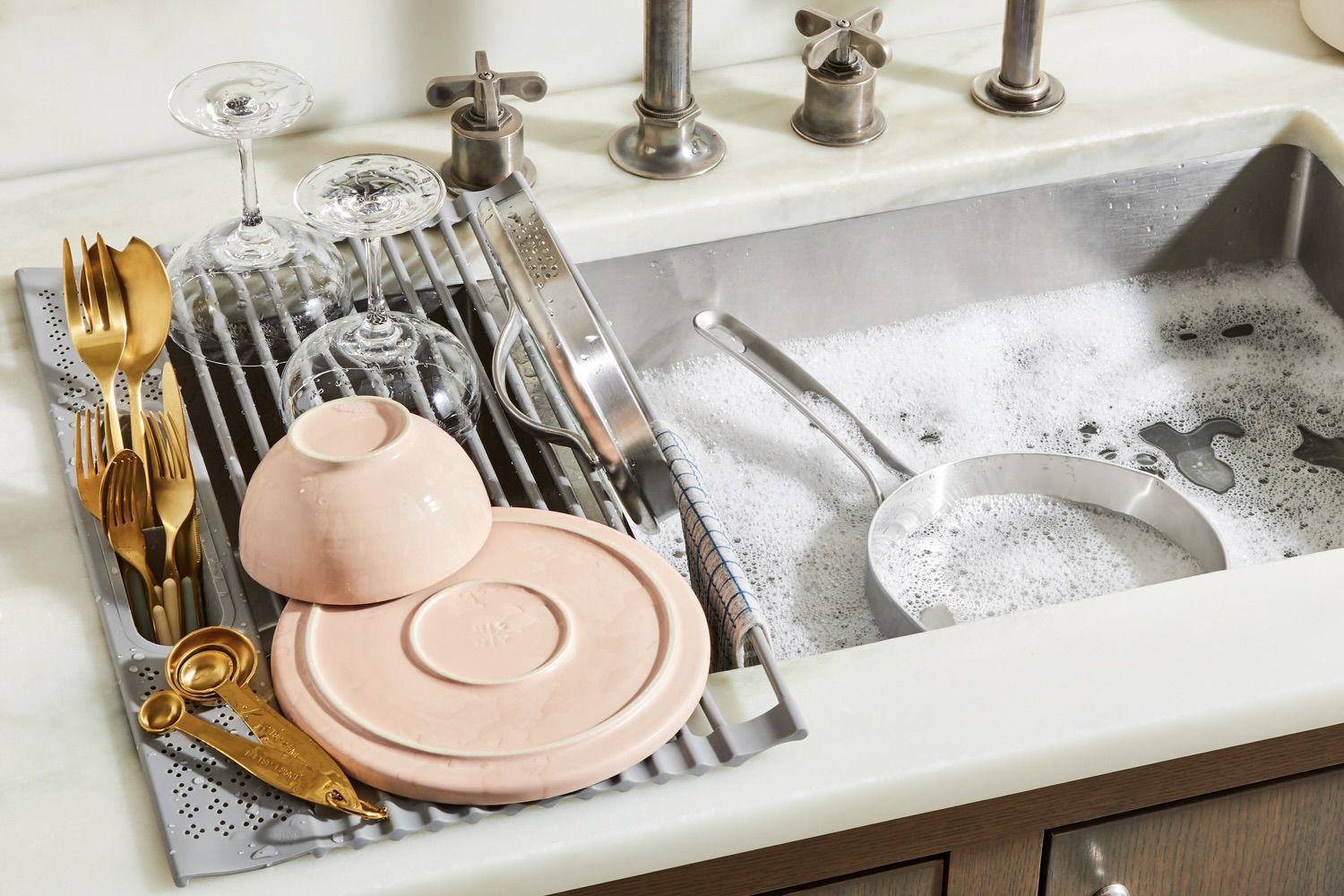
How does a suggestion in a Facebook group turn into a best-selling product? It starts with identifying the "unspoken" chores—those small, annoying tasks that we’ve subconsciously accepted as inevitable. For example, community feedback highlighted the "dishcloth dilemma": if you leave it in the sink, it stays wet; if you drape it over the faucet, it looks messy. Co-designed products for 2026 have solved this by integrating discreet, ventilated drying bars into modular rack systems.
Another major focus has been the "Countertop Clutter" dilemma. Real-world testing revealed that traditional dish racks are often too bulky for modern, urban kitchens. By listening to users who live in smaller spaces, designers developed over-the-sink modularity. This allows users to customize their setup based on what they actually use—be it a dedicated slot for a heavy Dutch oven lid or a silicone-coated rack for delicate crystal.
The community hasn't just stopped at hardware. There’s been a massive push for better ergonomics in daily-use items. Why should a soap dispenser require two hands? Why can’t a sponge holder actually drain into the sink instead of collecting stagnant water? By addressing these micro-frustrations, community-driven design creates a kitchen environment that feels intuitive rather than obstructive.
The Essential Kitchen Clean-Up Toolkit for 2026
As we refine our cleaning habits, the tools we use must be as high-performing as the appliances they maintain. Recent consumer surveys indicate that 78% of home cooks now prefer modular, over-the-sink drying solutions over traditional bulky counter racks. This is a significant pivot toward vertical space utilization and "clean-as-you-go" workflows.
The 2026 toolkit is defined by three core pillars:
- Modular Over-the-Sink Racks: These are the crown jewels of the co-designed movement. They utilize the "dead space" above the sink, allowing water to drip directly into the drain. They are often made of rust-proof stainless steel or bamboo and feature interchangeable components for knives, cutting boards, and even wine glasses.
- Cordless Handheld Vacuums: Gone are the days of dragging out the heavy upright for a handful of spilled flour. High-suction, lightweight cordless vacs with HEPA filtration are now standard for quick kitchen "spot cleans."
- High-Performance Specialized Cleansers: We are seeing a move away from messy powders toward sophisticated liquid solutions. Products like Bar Keepers Friend have evolved into specialized "cooktop creams" and "stainless steel polishes" that provide a streak-free finish without the abrasive scratching of 20th-century scouring pads.
- Eco-Friendly Scouring Pads: Specifically designed for heavy-duty cookware like Le Creuset or Lodge cast iron, these pads use walnut shells or recycled plastics to provide grit without damaging the seasoning or enamel.
Pro-Tip: The Streak-Free Secret For a professional, showroom-level finish on your stainless steel sink and chrome faucets, ditch the paper towels. Community feedback consistently ranks waffle-weave microfiber cloths as the ultimate tool. The "pockets" in the weave trap moisture and microscopic debris, leaving surfaces completely dry and streak-free in a single pass.
Smart Technology & Sustainable Trends Redefining 'Clean'
The most significant technological jump for 2026 is the mainstream adoption of the Wet-Dry Vacuum. Traditionally, cleaning a kitchen floor was a two-step process: vacuum up the crumbs, then mop up the spills. The community demanded a more streamlined approach, leading to a 45% increase in demand for multi-functional tools that combine these steps.
Comparison: Traditional Mopping vs. 2026 Wet-Dry Vacuums
| Feature | Traditional Mop & Bucket | 2026 Multi-Functional Wet-Dry Vac |
|---|---|---|
| Effort Level | High (requires heavy lifting/wringing) | Low (self-propelled, ergonomic) |
| Drying Time | 10–15 Minutes | 1–2 Minutes |
| Water Usage | High (gallons of water) | Low (targeted spray technology) |
| Sanitization | Spreads dirty water | Uses fresh water/solution exclusively |
| Storage | Bulky bucket and long poles | Compact charging dock with self-clean |
Beyond hardware, the "ingredients" of clean are changing. Bio-based and probiotic technologies are replacing harsh bleaches. These cleaners don't just remove dirt; they leave behind beneficial bacteria that continue to break down organic matter long after you’ve finished wiping the counter. This "living clean" concept is a direct response to a community desire for homes that are safe for pets and children without sacrificing efficacy.
Strategic Buying: How to Evaluate 2026 Cleaning Tools
When you're looking to upgrade your kitchen arsenal, don't get distracted by "smart" features that don't serve a purpose. An app-enabled toaster sounds fancy, but does it actually help you clean up? Probably not. Instead, evaluate new tools based on these community-vetted metrics:
- Suction Power vs. Ergonomics: For cordless vacuums, don't just look at the "Air Watts." Check the weight and the swivel radius. If it’s too heavy to reach the top of the fridge or too stiff to get under the baseboards, the power doesn't matter.
- Radical Transparency: Look for brands that disclose every ingredient in their cleansers. In 2026, the best products are those that prioritize plastic-free packaging and concentrated formulas that reduce carbon footprints.
- Modular Longevity: Can you buy replacement parts? A truly sustainable tool is one where you can replace a worn-out brush head or a cracked tray without having to buy an entirely new system.
- Tactile Precision: Sometimes, high-tech isn't the answer. For heavy-duty scrubbing, nothing replaces the tactile feedback of a well-made chainmail scrubber for cast iron or a natural-bristle bottle brush.
By building a curated toolkit rather than a collection of random gadgets, you ensure that your cleaning routine is as efficient as your cooking. A high-quality robot cleaner might handle the daily maintenance of the floors, but a powerful cordless stick vacuum remains the essential partner for tackling the specific, high-traffic messes that occur during meal prep.
FAQ
Q: Are over-the-sink drying racks sturdy enough for heavy cast iron? A: Yes, provided you choose a high-grade stainless steel model. Most 2026 designs are rated to hold up to 60-80 lbs, specifically to accommodate heavy Dutch ovens and cast iron skillets. Always check the weight capacity before purchasing.
Q: Why is there a move away from traditional dish soaps? A: It’s not a move away from soap, but rather toward "functional fragrances" and probiotic formulas. Consumers are demanding scents that offer aromatherapy benefits (like eucalyptus or bergamot) and formulas that continue to clean the sink and pipes after they go down the drain.
Q: Can a wet-dry vacuum handle large spills like a bowl of cereal? A: Absolutely. Modern wet-dry vacuums are designed to separate solids from liquids within the waste tank, making it easy to dispose of the "mess" while keeping the machine's internal components clean.
The Final Word: Your Role in the Design Revolution
The ultimate kitchen clean-up tool isn't a single piece of equipment; it's a system designed around the way you live. As we move through 2026, the most valuable thing you can do as a consumer is to keep sharing your feedback. When you find a design flaw, talk about it. When you find a "hack" that makes a chore easier, post it. The brands that are winning today—and the ones that will dominate tomorrow—are the ones that are listening. Your everyday frustrations are the blueprints for the next great kitchen essential.