Quick Facts
- The Visionary: Dana Harel is a San Francisco-based artist and architect who founded White Dirt Studio in 2020 to explore the boundaries between functional objects and sculptural art.
- The Philosophy: Cookbooks are viewed as art not merely for their aesthetics, but for the creative intention they represent and the "devouring" of art through the ritual of eating.
- 2025 Trend Shift: There is a significant move toward "authentic messiness" in food aesthetics, with 78% of consumers preferring imperfections over traditional, sterile studio staging.
- The Artisanal Boom: Demand for handcrafted, functional art objects in home decor has surged by 45% as homeowners prioritize personal rituals over mass-produced items.
The Intersection of Fine Art and the Kitchen Table
In the world of high-end interior design, the kitchen has long been the "engine room" of the home—sleek, efficient, and often sterile. But as we move toward 2025, a shift is occurring. We are reclaiming the kitchen not just as a place for utility, but as a living gallery. At the heart of this movement is a fundamental question: Can the tools of our daily sustenance—specifically cookbooks and vessels—be considered fine art?
Dana Harel, the creative force behind White Dirt Studio, believes they are. To Harel, art shouldn’t just sit on a pedestal in a quiet museum; it should be "devoured" through experience. Whether it is the weight of a hand-sculpted ceramic bowl or the evocative photography of a thoughtfully curated cookbook, these objects bridge the gap between aesthetic appreciation and the tactile reality of our daily lives. This is about more than "decorating"; it’s about the philosophy of the food break as a moment of artistic pause.
The Architect Turned Artist: Who is Dana Harel and White Dirt Studio?
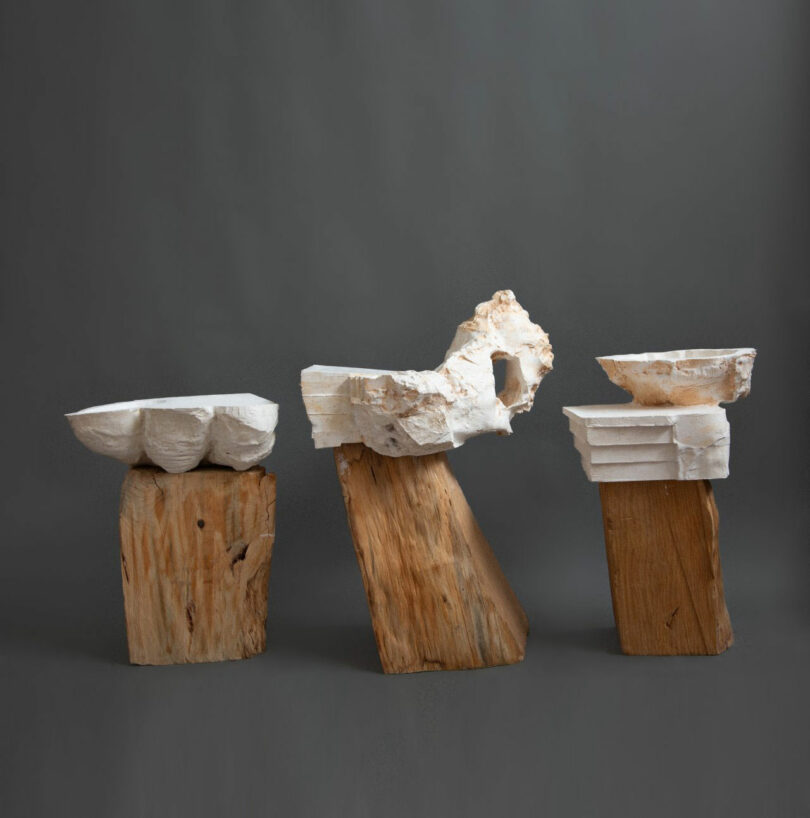
Dana Harel’s journey into the world of functional art is rooted in the structural discipline of architecture and the fluid expression of fine art. Born in Tel Aviv and now based in San Francisco, Harel brings a unique spatial sensibility to her work. In 2020, she founded White Dirt Studio, a creative hub that produces limited-edition functional objects, including vessels, furniture, and sculptural lighting.
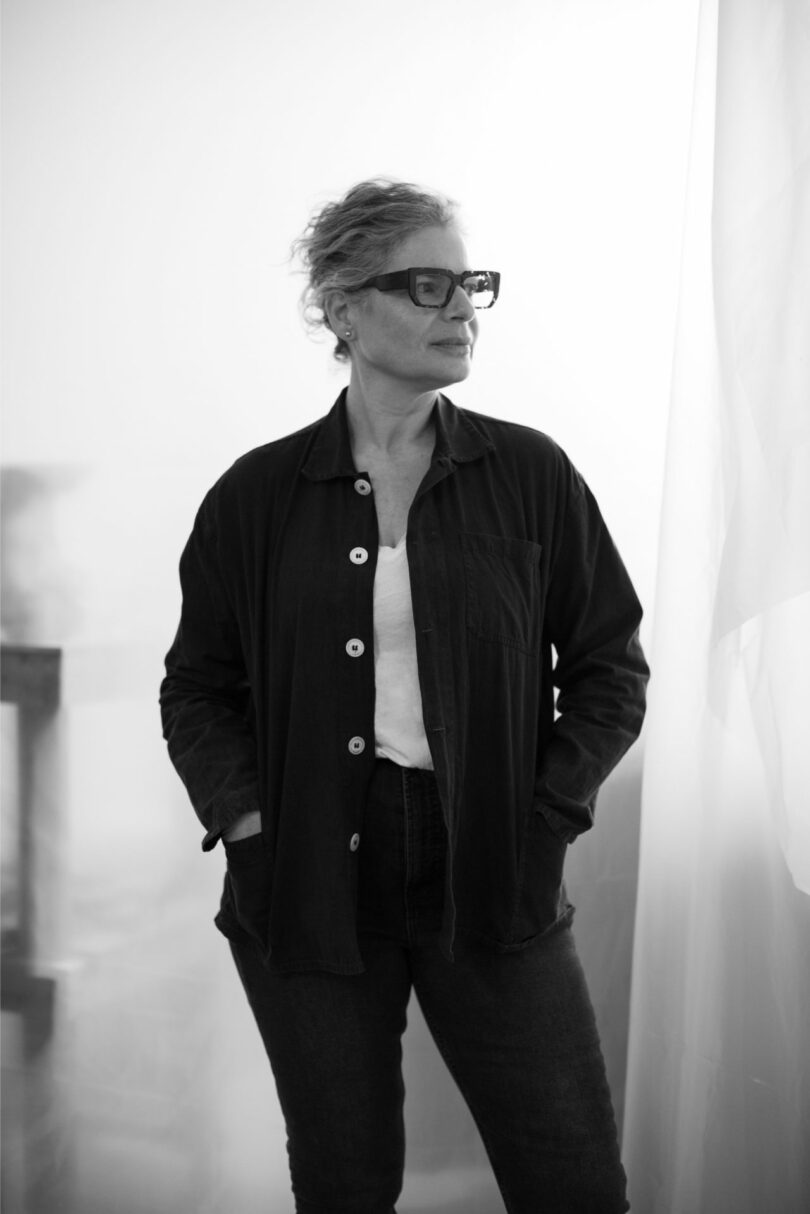
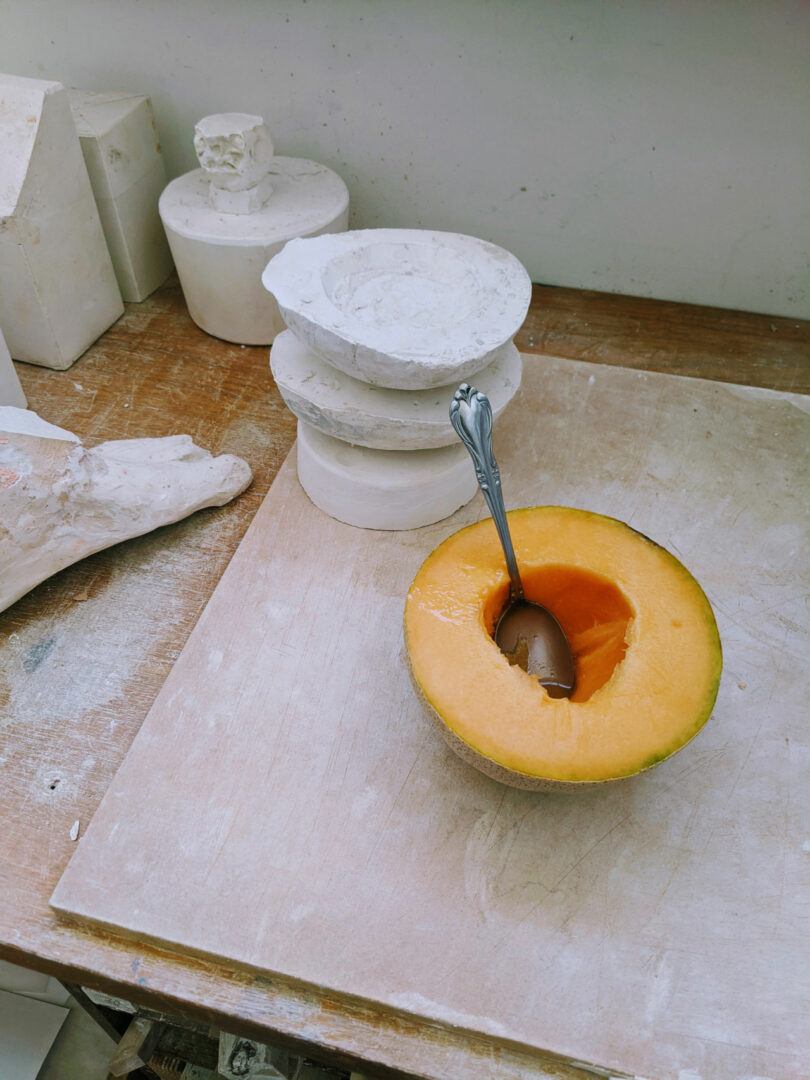
White Dirt is more than a brand; it is a methodology. Harel combines photography, drawing, and sculpting to capture what she calls "in-between" moments—those fleeting points in time where an object is caught between being a raw material and a finished product. Her work often mimics the rugged terrain of the natural world, using materials that feel ancient yet modern. By moving from the large-scale planning of architecture to the intimate scale of a hand-held vessel, she invites us to find the monumental in the mundane.
Beyond Recipes: Why Cookbooks are the New Art Inspiration
For decades, cookbooks were relegated to the "utility" shelf, stained with tomato sauce and dog-eared for their instructions. Today, they have undergone a metamorphosis into "art objects." We are seeing a rise in cookbooks that prioritize creative intention over caloric counts.
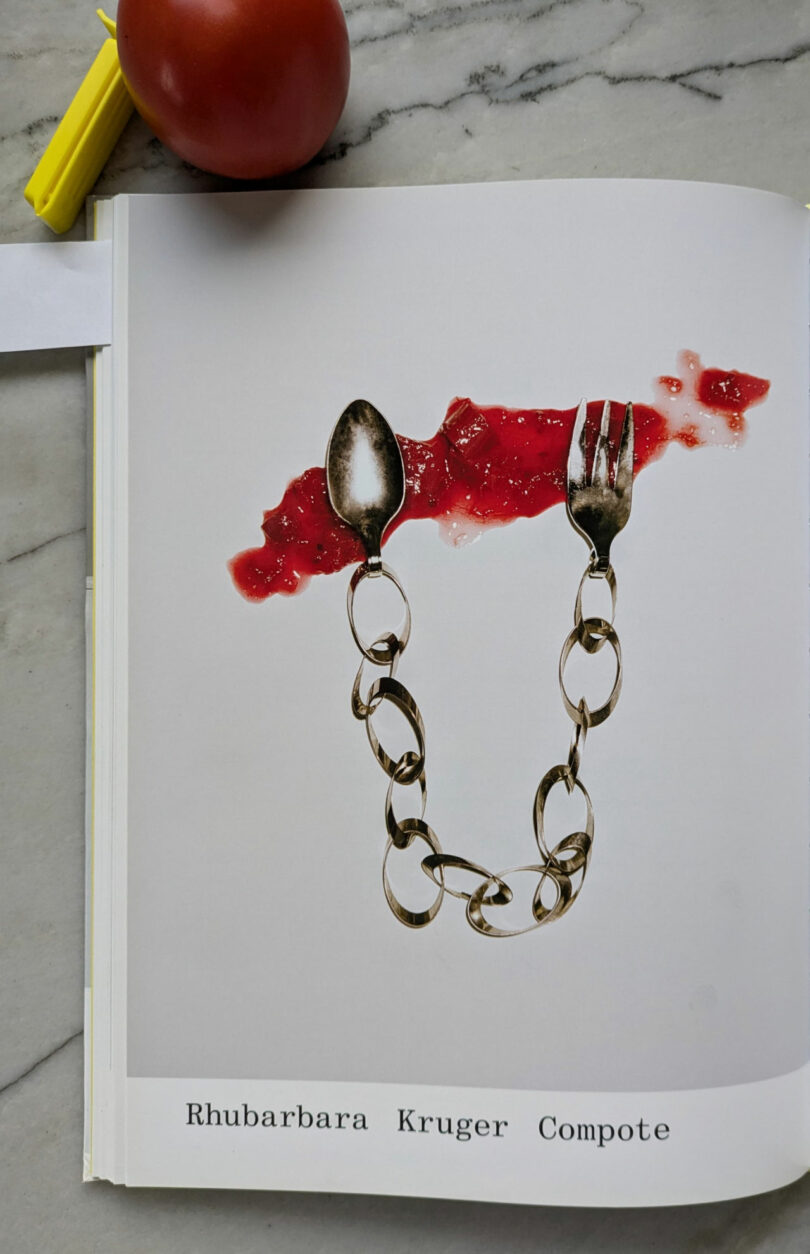
Harel points to the concept of cookbooks as a daily reminder of artistic possibility. When we flip through a book like Le Corbuffet—a playful take on art history through the lens of food—we aren't just looking for a recipe; we are engaging with a cultural commentary. These books serve as inspiration for the "food break," a ritual where we step away from the digital noise to engage with something physical and sensory.
Ivy’s Style Note: Think of your cookbook collection as a curated library of visual moods. Choose books not just for the cuisine they feature, but for the paper quality, the typography, and the shadows in the photography. They are the "flat-lay" art of your kitchen island.
2025 Food Photography Trends: The Rise of the 'Authentic Mess'
The visual language of food is changing. Market trends for 2025 indicate a massive departure from the "perfect plating" that dominated Instagram for the last decade. Statistics show that 78% of consumers now engage more with food photography that showcases 'authentic messiness' over traditional, highly-staged studio shots.
This trend aligns perfectly with Dana Harel’s focus on the raw and the real. The 2025 visual palette is defined by:
- Crumbs on Linen: The remains of a meal are seen as a narrative of a life well-lived.
- Drips and Spills: A syrupy drizzle or a wine stain is no longer a mistake; it’s a moment of human presence.
- Natural Window Light: Harsh studio lights are being replaced by the soft, directional glow of a late afternoon sun.
- Texture Over Color: The focus is on the grain of the bread, the condensation on a glass, and the grit of a stone bowl.
This "authentic mess" moves the needle away from sterile perfection toward human-centric storytelling. It suggests that beauty is found in the aftermath of a ritual, not just in its preparation.
Designing Daily Rituals: Functional Art in the Modern Home
As our lives become increasingly digital, the craving for the "handcrafted" has reached a fever pitch. There has been a 45% increase in demand for handcrafted, functional art objects in the artisanal home sector. Consumers are no longer satisfied with mass-produced decor; they are seeking out pieces that elevate their daily rituals.
Dana Harel’s collections—such as ATRIO, ORA, and OFFERING—are designed as tributes to memory and the senses. These are not merely objects to be used; they are vessels for our experiences.
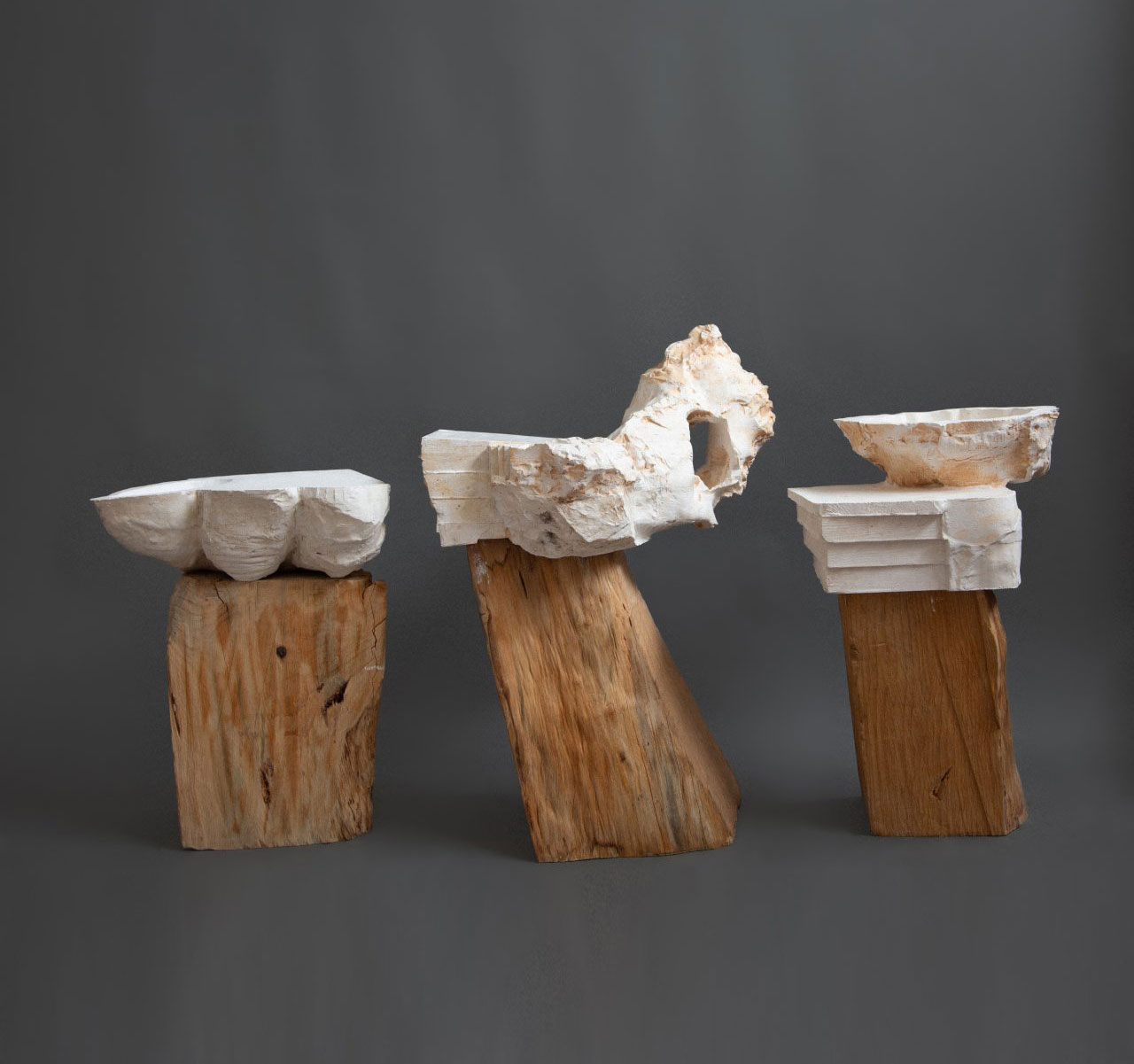
- The OFFERING Collection: These pieces act as altars for the everyday. Whether holding a single piece of fruit or standing empty as a sculpture, they command attention through their texture and form.
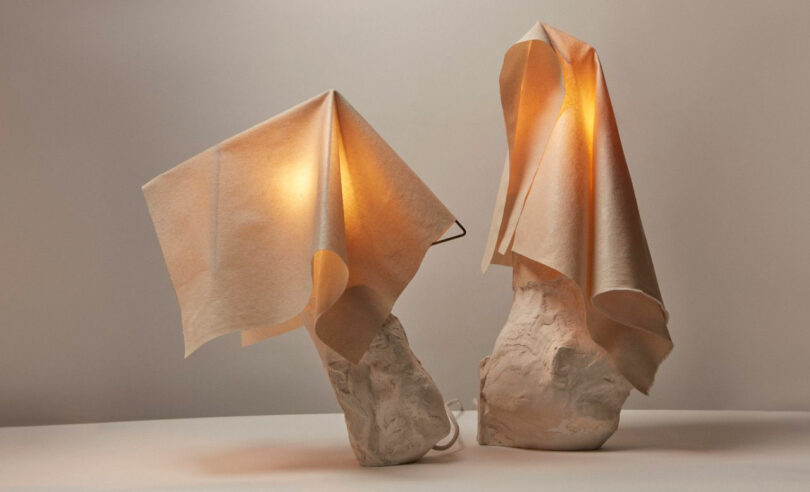
- Sculptural Lighting: White Dirt’s lighting pieces often utilize plaster and organic shapes to cast shadows that transform a room into a living canvas.
By incorporating these natural elements—rocks, textured plaster, and "dusty table" aesthetics—we create a home environment that feels grounded and intentional.
Practical Guide: How to Style Your Kitchen as a Living Gallery
Transitioning your kitchen from a workspace to a gallery doesn't require a total renovation. It requires a shift in how you curate your objects.
- Curate a 'Visual' Cookbook Library: Group your books by spine color or photographic style. Place a heavy, art-driven cookbook on a bookstand as you would a piece of art.
- Highlight Textures via Monochromes: Use a monochromatic palette—whites, creams, and charcoals—to let the textures of your ceramics and ingredients take center stage.
- Embrace the Dark and Moody: Don't fear shadows. Premium, artisanal vibes are often achieved through high-contrast lighting that emphasizes the ruggedness of stone and the softness of linen.
- Display Functional Sculptures: Instead of hiding your bowls in cabinets, treat them as centerpiece sculptures. A White Dirt vessel is as beautiful empty as it is filled with seasonal produce.
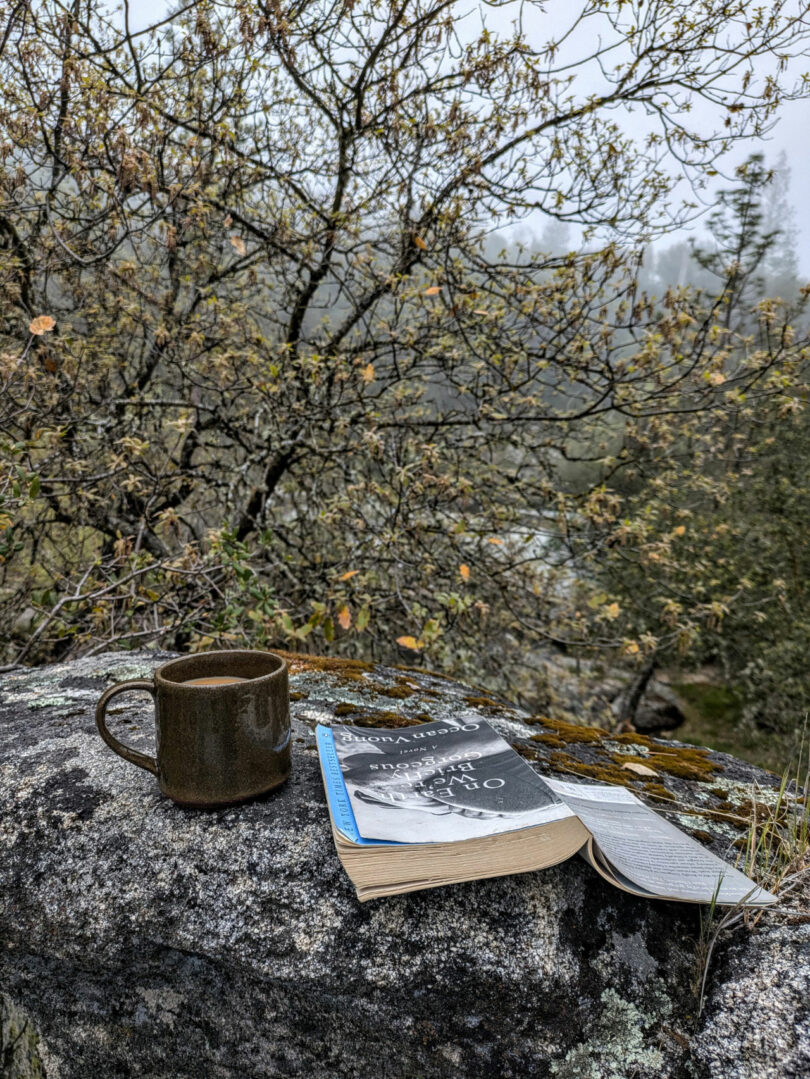
Pro-Tip: To capture the 2025 "authentic mess" look, photograph your kitchen table after breakfast. The scattered crumbs on a linen napkin, half-drunk espresso, and an open cookbook create a scene that is far more evocative than a set table.
FAQ
Q: How do I choose a cookbook for its 'artistic value'? A: Look for books published by houses known for high production standards (like Phaidon or Taschen). Focus on the "white space" in the layout and the quality of the photography. If the book makes you feel a specific emotion before you even read a recipe, it's an art object.
Q: Are functional art objects like those from White Dirt Studio durable for daily use? A: Yes. While they are sculptural, "functional art" is designed to be lived with. However, most artisanal ceramics require hand-washing and mindful handling to preserve their unique textures and finishes.
Q: Why is the 'authentic mess' trend becoming so popular now? A: It is a reaction to the "perfection fatigue" caused by years of over-edited social media content. People are craving authenticity and a connection to the real, unpolished moments of human life.
A Final Thought on the Beauty of Food Breaks
When Dana Harel speaks about the beauty of food breaks, she is inviting us to slow down. In her world, the act of preparing a simple meal is a creative act, and the tools we use are our instruments. By viewing our cookbooks and vessels as art, we transform our survival into a celebration. We aren't just eating; we are experiencing the creative intention of the makers, the authors, and ourselves.
So, next time you set the table, don't worry about the crumbs. See them as the final brushstrokes on the masterpiece of your day.