In the heart of Lower Manhattan, where real estate is measured in inches and hospitality trends often lean toward the ultra-polished, a small Vietnamese eatery is rewriting the rules of restaurant aesthetics. Ha’s Snack Bar isn't just a place to grab a bowl of noodles; it’s a masterclass in how "instinctual" DIY design can outperform a million-dollar professional fit-out. As an editor specializing in interior styling, I’ve seen countless spaces that look perfect on a mood board but feel cold in reality. Ha’s Snack Bar is the antithesis of that—it is a space with a pulse, proving that authenticity is the most valuable currency in modern design.
How does DIY design truly impact a restaurant's atmosphere? It creates a unique, "homey" feeling that professional, standardized fit-outs often lack. This approach fosters a deep sense of authenticity and personal connection, turning first-time diners into loyal regulars who feel they are stepping into someone’s private dining room rather than a commercial establishment. At Ha’s, this is achieved through signature cobalt blue accents, repurposed cherry wood furniture, and hand-tiled bar bases that embrace imperfection as a design choice.
The Anatomy of DIY Success: Inside Ha’s Snack Bar
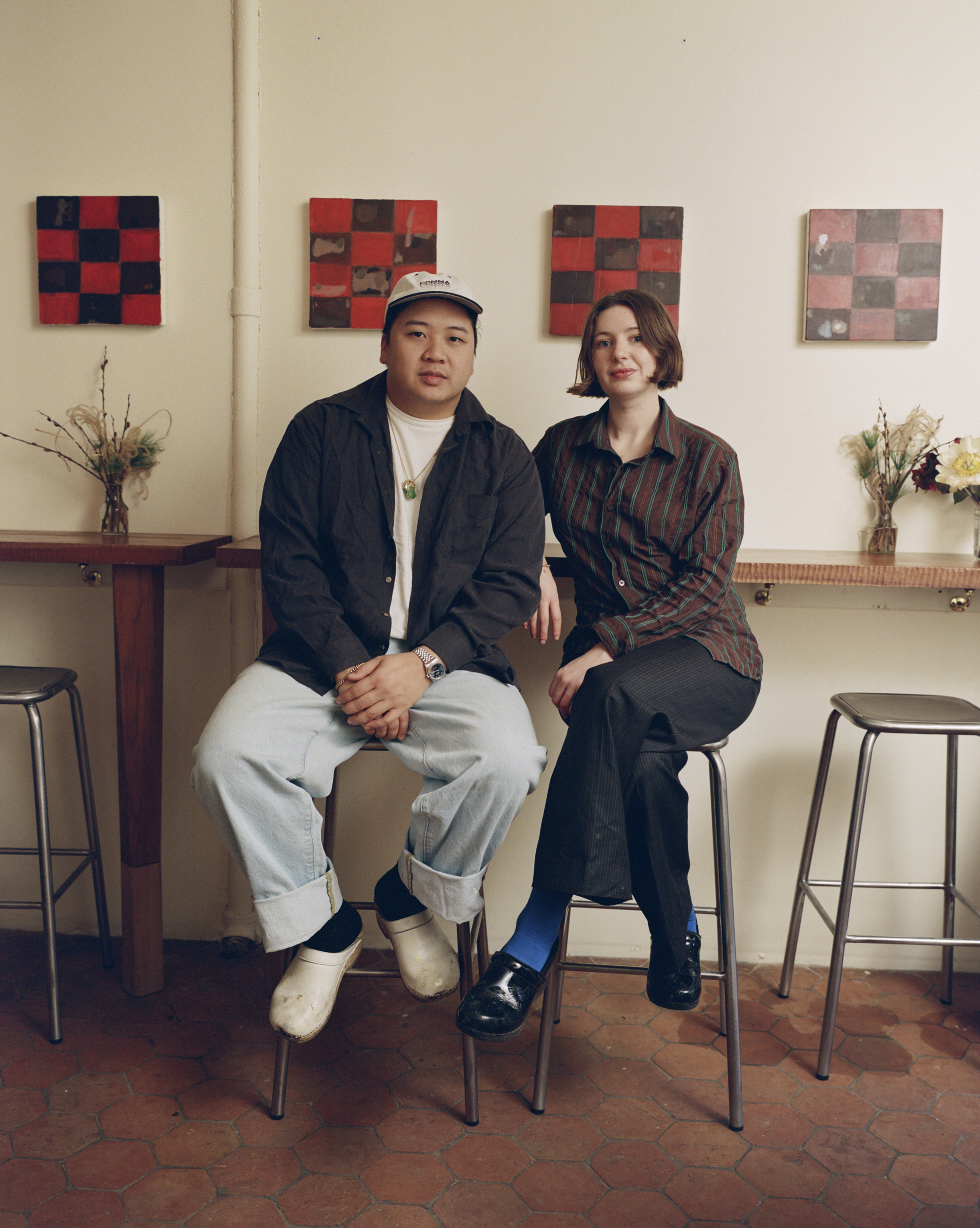
When we talk about "DIY" in a commercial context, it’s easy to imagine something amateurish. However, the design at Ha’s Snack Bar is sophisticated in its restraint. The owners didn't just buy random items; they leaned into a specific narrative. The key design features—cobalt blue motifs, inherited woods, and custom lighting—work together to create a cohesive brand identity that feels both Vietnamese and uniquely New York.
The Power of the Signature Accent
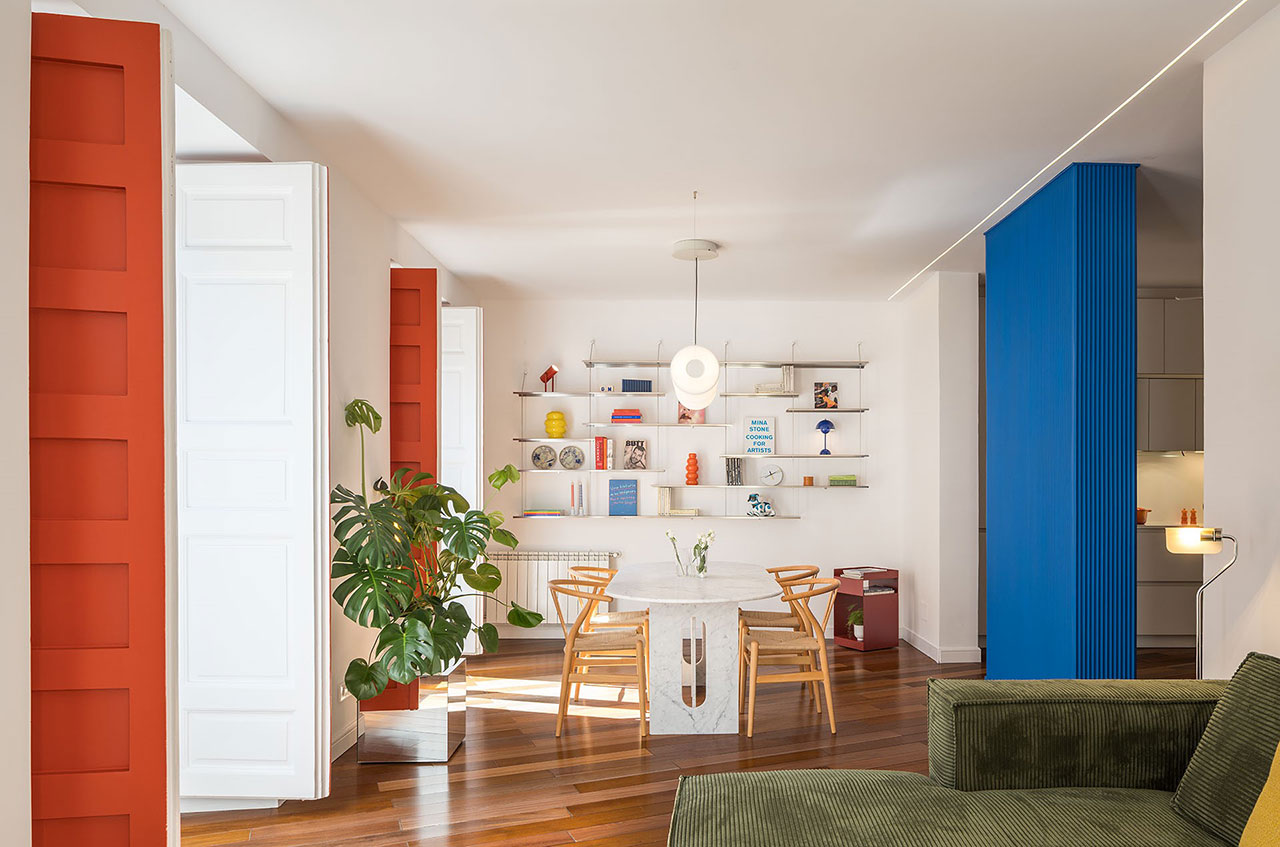
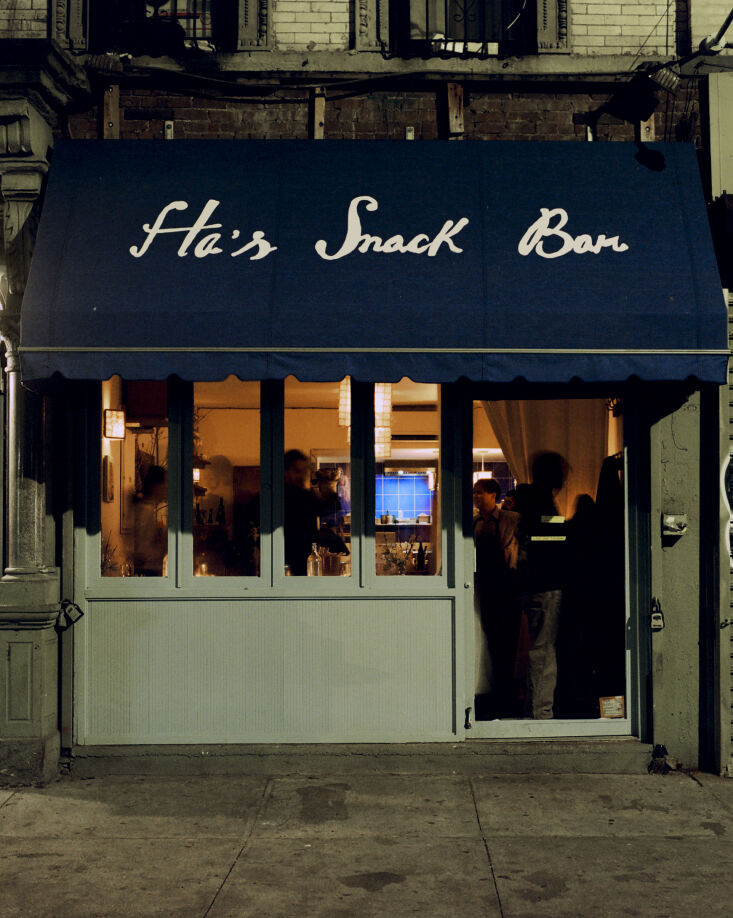
The most striking element upon entering is the use of cobalt blue. Interestingly, this wasn't the result of a high-end color consultation. The motif actually originated from a set of English schoolhouse chairs the owners found. Instead of trying to blend the chairs into a pre-existing palette, they allowed the chairs to dictate the room's energy. This deep, vibrant blue eventually migrated to the floor tiles and even the exterior awning, creating a visual "thread" that ties the entire experience together.
Repurposing with Purpose
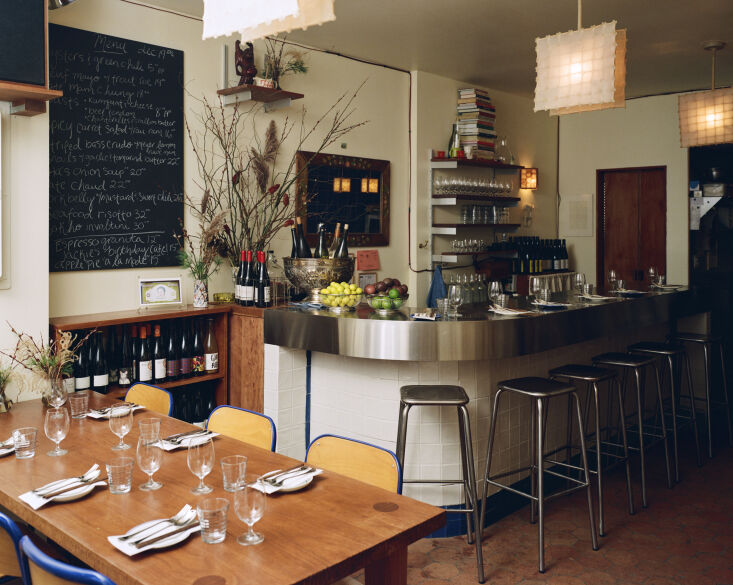
Sustainability in design is often discussed in terms of materials, but at Ha’s, it was a matter of resourcefulness. The restaurant inherited several cherry wood planks and furniture pieces from a previous tenant. Rather than scrapping them for something "on-trend," the owners repurposed them into bar-height seating. The wood’s natural patina adds a layer of history to the space, a warmth that new furniture simply cannot replicate.
Hand-Crafted Details and Imperfect Beauty
Perhaps the most "DIY" moment in the space is the tiling. The owners took it upon themselves to tile the bar bases with simple white ceramic squares. Look closely, and you’ll see the slight variations and human touch in the grout lines. In a world of laser-leveled perfection, these "rough around the edges" details are what make the space feel endearing.
To complement the tactile surfaces, the lighting was custom-made using dried vegetable paper—a nod to the translucent textures of rice paper used in the kitchen. These lamps emit a soft, diffused glow that makes the narrow space feel intimate rather than cramped.
The Economics of DIY: Why 'Rough Around the Edges' Works
From a business perspective, the DIY approach isn't just about "vibes"—it's about the bottom line. Research indicates that incorporating DIY and repurposed furniture can reduce initial restaurant interior setup costs by approximately 35% to 50% compared to hiring a professional contracting firm for a turnkey solution.
For a new restaurant in a high-rent district like Manhattan, these savings can be the difference between surviving the first year or folding. But the real genius lies in how those savings are achieved without sacrificing the guest experience.
| Design Element | Traditional Commercial Cost | Ha’s DIY Approach | Result |
|---|---|---|---|
| Seating | $250 - $400 per chair | Sourced/Thrifted English chairs | Unique character & $150+ savings/unit |
| Bar Construction | Custom millwork ($10k+) | Repurposed cherry wood + self-tiling | High-texture, branded focal point |
| Window Treatments | Professional custom shades | Wedding tablecloths + plumbing pipes | Personal narrative & minimal cost |
| Lighting | Designer fixtures ($500/ea) | Custom dried vegetable paper lamps | Soft, thematic glow |
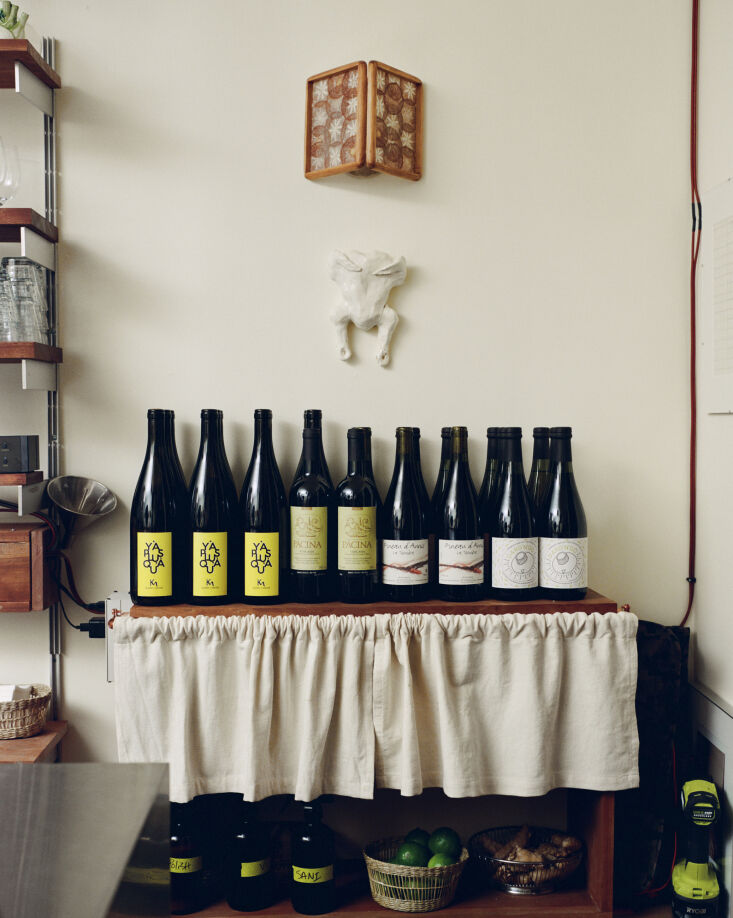
Resourcefulness extends to the smallest details. In one corner, you might notice curtains made from the owners' own wedding tablecloths, hung simply from copper plumbing pipes. It’s functional, it’s inexpensive, and it carries a story that no interior design catalog could ever sell.
The Psychology of Authenticity: Why Diners Stay Longer
Why do we gravitate toward spaces like Ha’s Snack Bar? It comes down to a psychological concept called the "Authenticity Boost." Statistics show that diners are 22% more likely to describe a restaurant as "authentic" when they perceive hand-crafted or personal design elements rather than standardized commercial decor.
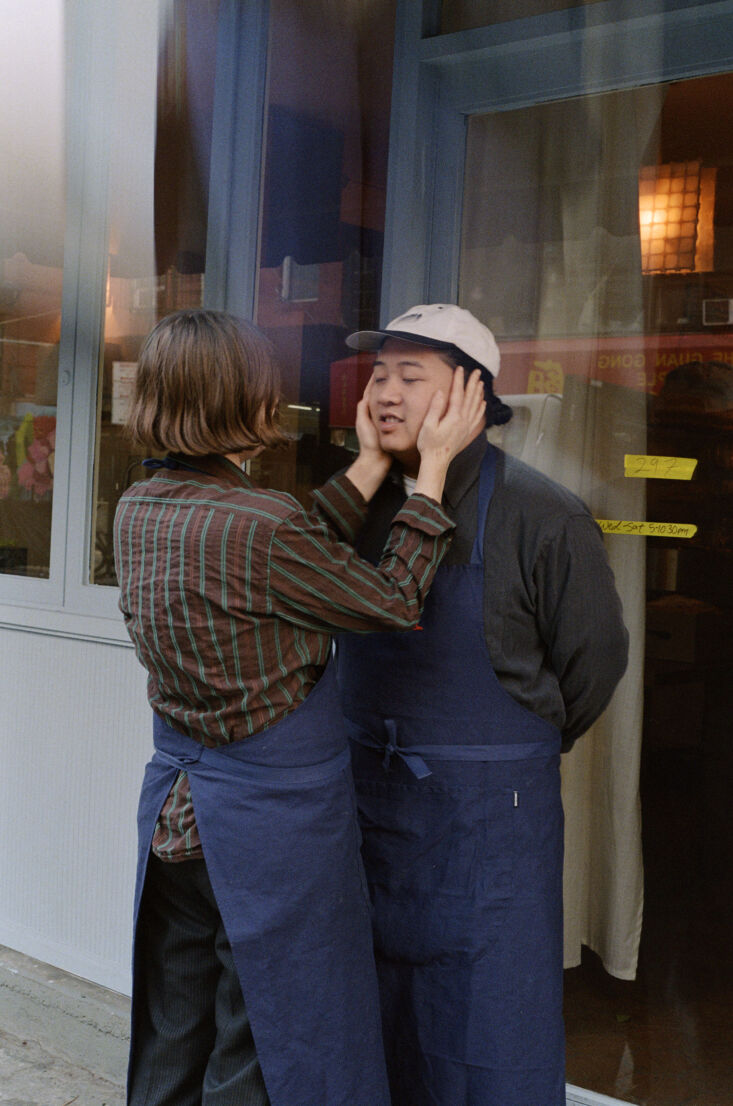
When a space feels "curated" by a human rather than "designed" by a firm, it triggers a sense of trust. At Ha’s, the design serves as a silent narrator of the owners’ journey. You aren't just eating Vietnamese food; you are participating in their aesthetic world. This emotional connection has a direct impact on spending habits:
- Increased Dwell Time: Guests feel more comfortable and less "processed," leading to longer stays.
- Higher Average Check: Comfort and a unique atmosphere encourage diners to order that extra round of drinks or a dessert just to stay in the environment a little longer.
- Brand Loyalty: The "homey" feeling fosters a sense of community that generic bistros struggle to replicate.
Practical Implementation: Balancing Instinct with Function
Is DIY design practical for every new restaurant? The short answer is yes, provided there is a balance between creativity and functionality. While "instinctual" choices give a space its soul, they must be backed by a functional backbone.
Ivy’s Professional Tip: DIY doesn't mean ignoring the rules of hospitality. Even if you are sourcing mismatched porcelain or thrifting eBay brackets, you must prioritize kitchen flow, ergonomic seating heights, and layered lighting levels. A beautiful chair is useless if a guest can't sit in it comfortably for an hour.
For those looking to replicate this "authentic charm," consider these sourcing and implementation steps:
- Scour the Unexpected: Look beyond furniture stores. Check eBay for vintage hardware, or local architectural salvage yards for unique wood planks.
- Stick to a "Thread": Pick one color or material (like Ha’s cobalt blue) and repeat it. This makes disparate DIY elements feel intentional rather than cluttered.
- Embrace the "Patina": Don't be afraid of wear. A scuffed wooden table or a slightly aged brass fixture adds "healthy patina" that makes a new space feel established.
- Lighting is Non-Negotiable: You can save on furniture, but never skimp on the quality of light. Use warm-toned bulbs and dimmers to ensure your DIY elements look their best during evening service.
From Snack Bar to Bistro: The Evolution of a Brand
One of the most impressive feats of Ha’s Snack Bar is how its "itsy-bitsy" DIY origins have translated into a broader brand identity. As the space evolved from a compact snack bar into a bustling bistro environment, the design elements remained consistent. The cobalt blue didn't disappear; it matured. The lighting remained soft and focused.
This evolution proves that DIY design isn't just a "starter" phase for businesses with low budgets—it’s a scalable design philosophy. By maintaining consistent textures and a personal touch, a brand can grow without losing the "soul" that made it successful in the first place.
FAQ
Q: Can DIY design pass commercial building codes? A: Yes, but you must be careful. While decor (like chairs and curtains) is flexible, structural elements, plumbing, and electrical work must still meet local codes. Always consult with a professional for the "unseen" parts of the build-out.
Q: How do I prevent a DIY restaurant from looking "cheap"? A: The key is "Sophisticated Restraint." Use high-quality materials in small doses (like real cherry wood or ceramic tiles) and ensure your color palette is cohesive. Avoid "shabby chic" clichés; instead, focus on clean lines and intentional textures.
Q: Is it harder to maintain a DIY interior? A: Actually, it’s often easier. Since the space already embraces a certain level of imperfection and "patina," a small scratch or a worn edge adds to the character rather than ruining a pristine, polished surface.
Conclusion
Ha’s Snack Bar serves as a vibrant reminder that great design isn't about how much you spend, but how much of yourself you put into the space. By leveraging repurposed materials, embracing personal narratives, and trusting their instincts, the owners have created something that a professional design firm rarely achieves: a space that feels like home. Whether you are a restaurant owner or a home decorator, the lesson is clear—don't be afraid to get your hands dirty. Authenticity is always in style.