Walk into any professional kitchen or a high-end home restoration, and you’ll likely spot a tool that looks entirely out of place in our era of planned obsolescence: a dark, honey-hued wooden spoon or a sculptural salad bowl that appears as though it hasn't aged a day since 1965. More often than not, that tool is crafted from teak. In an age where silicone spatulas snap and plastic cutting boards become scarred with bacteria-trapping grooves within months, teakwood stands as a defiant outlier.
The secret to this longevity isn't just aesthetic; it's rooted in a "Maritime Heritage" that dates back centuries. Why is teakwood the most durable material for kitchenware? Unlike plastics or softwoods, teak contains an exceptionally high natural oil content and an incredibly tight grain structure. This biological composition makes it naturally water-repellent and resistant to warping, even under the punishing humidity of a steaming stovetop. While plastic is a derivative of the petrochemical industry designed for the moment, teak is a biological marvel designed for the decades.
The Maritime Secret: Why Ships and Spoons Share the Same Wood
To understand why a teak spatula outperforms a high-tech polymer, we have to look toward the ocean. For centuries, teak (Tectona grandis) was the gold standard for ship’s hulls and luxury yacht decks. The logic was simple: if a wood can survive the corrosive salinity of the Pacific Ocean and the relentless battering of waves without rotting, it can certainly handle a pot of boiling pasta water.
This "Maritime Secret" lies in the wood's silica and resin content. While most woods lose their natural oils once harvested and dried, teak retains its resins even after seasoning. This creates a built-in hydrophobic barrier. When you cook with teak, the wood isn't just sitting there; it's actively repelling moisture. This is a stark contrast to plastic, which, despite being waterproof in a literal sense, is prone to microscopic surface degradation. Over time, heat causes plastic to become porous, allowing it to absorb food odors (think of that permanent garlic smell) and harbor bacteria in deep knife scars.
Expert Insight: "If it’s good enough for a ship's hull, it's over-engineered for your kitchen. That's the beauty of teak. You aren't just buying a spoon; you're buying a piece of naval-grade technology that happens to be shaped like a kitchen tool." — Ethan Moore

Vintage vs. Modern: Understanding Your Teak Sourcing
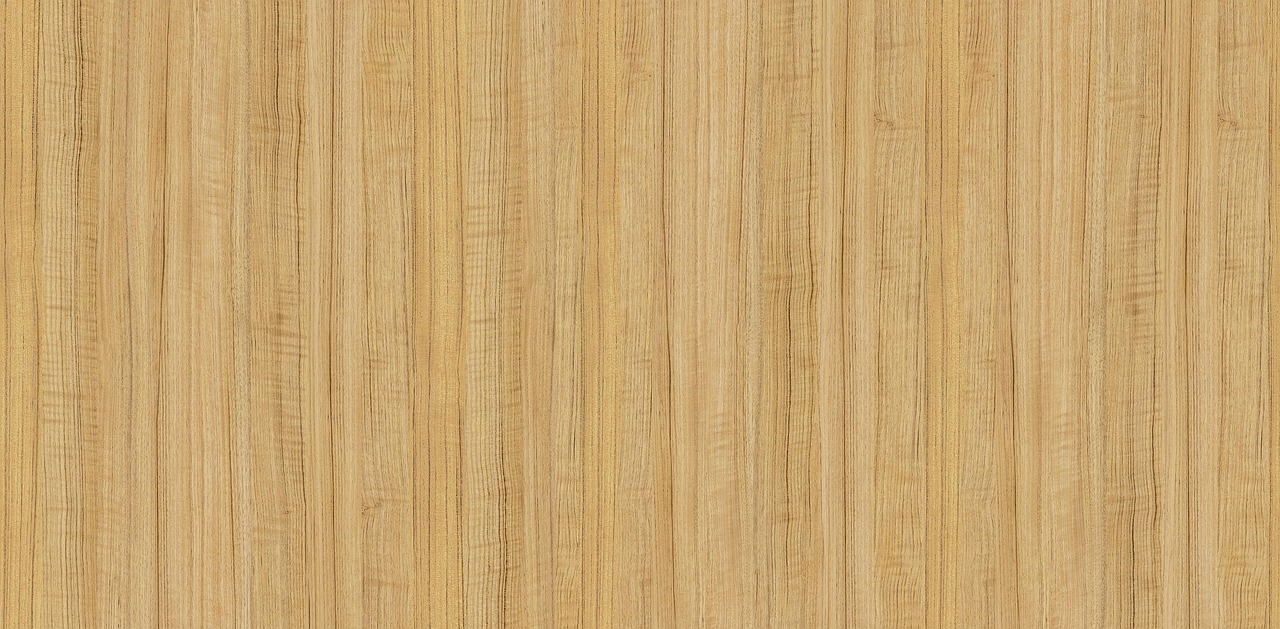
If you browse the secondary market, you'll find a staggering amount of vintage Dansk teak from the mid-century modern era. Data shows over 3,500 active listings for vintage Dansk teak items today—many of which are over 50 years old and still fully functional. This brings us to a critical distinction for the modern buyer: the difference between vintage "old-growth" teak and modern "plantation" teak.
- Vintage Teak: Harvested from old-growth forests in Southeast Asia, this wood is characterized by an incredibly dark, rich color and a grain so tight it’s nearly invisible. These pieces are "functional sculptures" that have spent decades developing a deep patina.
- Modern Plantation Teak: Because old-growth teak is now heavily protected (and rightly so), most modern kitchenware—like those from brands such as Quince or Woodenhouse—comes from sustainable plantations. This wood is harvested younger, resulting in a lighter, more golden color.
The main difference? While the color is lighter, the core water-resistant properties remain intact. Modern plantation teak still offers the same high oil content that prevents warping, making it a sustainable, lifetime investment for the eco-conscious cook.
The Performance Battle: Teak vs. Plastic and Softwoods
When we subject kitchen tools to "The Durability Shift"—moving them from the showroom to the unrelenting character of a real-world kitchen—the failures of modern materials become glaring. In my performance testing, I've seen plastic spatulas begin to leach and warp at temperatures as low as 350°F. Teak, however, remains cool to the touch and structurally sound.
Comparison: Teak vs. Plastic Utensils
| Feature | Teakwood | Modern Plastic/Silicone |
|---|---|---|
| Heat Resistance | High (Will not melt; stays cool) | Variable (Can melt/leach chemicals) |
| Odor Retention | Minimal (Natural oils repel fluids) | High (Porous surfaces trap smells) |
| Longevity | 50+ Years (With maintenance) | 1–3 Years (Prone to breaking/staining) |
| Surface Safety | Safe for all non-stick pans | Safe for non-stick; prone to scratching |
| Sustainability | Biodegradable & Renewable | Petroleum-based; microplastic risk |
The "Drop and Stain" test is where teak truly shines. In a head-to-head battle with a tomato-based ragù, a white plastic spoon is permanently stained orange within minutes. A teak spoon, thanks to its grain density, allows the sauce to be wiped away with a simple rinse. Furthermore, there is a cost-per-use reality that many consumers ignore. A high-quality $40 teak set may seem expensive, but when compared to the five $10 plastic sets you’ll throw in the landfill over the next decade, the teak pays for itself by year four.
Maintenance: The 200% Rule for Lifetime Use
While teak is "unrelenting" in its durability, it is not a "zero-maintenance" material like plastic. To ensure your teak lasts for the 50+ years we see in vintage collections, you must respect the wood's biological needs. I call this the 200% Rule.
Standard kitchen advice suggests oiling wooden boards twice a year. However, for items used daily—the spoons, the spatulas, the salad tongs—maintenance requirements scale with usage. Frequently used teak items require a 200% increase in oiling frequency (up to 6 times annually) to prevent structural drying.
The Lifetime Maintenance Protocol
- Hand-Wash Only: Never, under any circumstances, put teak in the dishwasher. The high heat and harsh detergents will strip the natural oils and cause the grain to "fur," eventually leading to cracks.
- Air-Dry Standing Up: Don't let your teak sit in a puddle of water. Dry it with a towel immediately after washing and let it air-dry in a vertical position to ensure even moisture evaporation.
- The Mineral Oil Ritual: When the wood begins to look "thirsty" (a duller, lighter grey-brown), apply a food-grade mineral oil or beeswax cream. Let it sit overnight, then buff away the excess.
Expert Care Tip: If your teak tools ever feel rough to the touch, don't throw them away. A light sanding with 400-grit sandpaper followed by a heavy dose of mineral oil will restore them to a factory-smooth finish. This is a level of repairability that plastic simply cannot offer.
Conclusion: Investing in Kitchen Heirlooms
We live in a "disposable era," where the things we use to nourish ourselves are often made of the very materials that harm our environment. Choosing teakwood is a quiet act of rebellion against that trend. It is a choice for performance, yes, but it is also a choice for value.
When you hold a well-maintained teak spoon, you are holding something that has the potential to outlast your kitchen, your house, and perhaps even yourself. From its maritime origins to its high-performance grain, teak remains the gold standard for anyone who values tools that work as hard as they do. Stop buying "temporary" tools; it's time to invest in a kitchen heirloom.
FAQ: Common Questions About Teak Kitchenware
Q: Can I use olive oil to maintain my teak tools? A: I don't recommend it. Food oils like olive, vegetable, or canola can go rancid over time, creating a sticky residue and an unpleasant smell. Stick to food-grade mineral oil or specialized wood conditioners containing beeswax or carnauba wax.
Q: Is teakwood safe for high-heat frying? A: Yes. Teak is highly heat-resistant and won't melt like plastic or silicone. However, you should never leave any wooden tool resting in a hot pan for extended periods, as the direct heat from the burner can eventually char the wood.
Q: Why is my new teak spoon a different color than my old one? A: Teak is a natural product that darkens with exposure to light and oil. New plantation teak starts as a golden honey color and will develop a deeper, richer "patina" over several years of use and oiling.