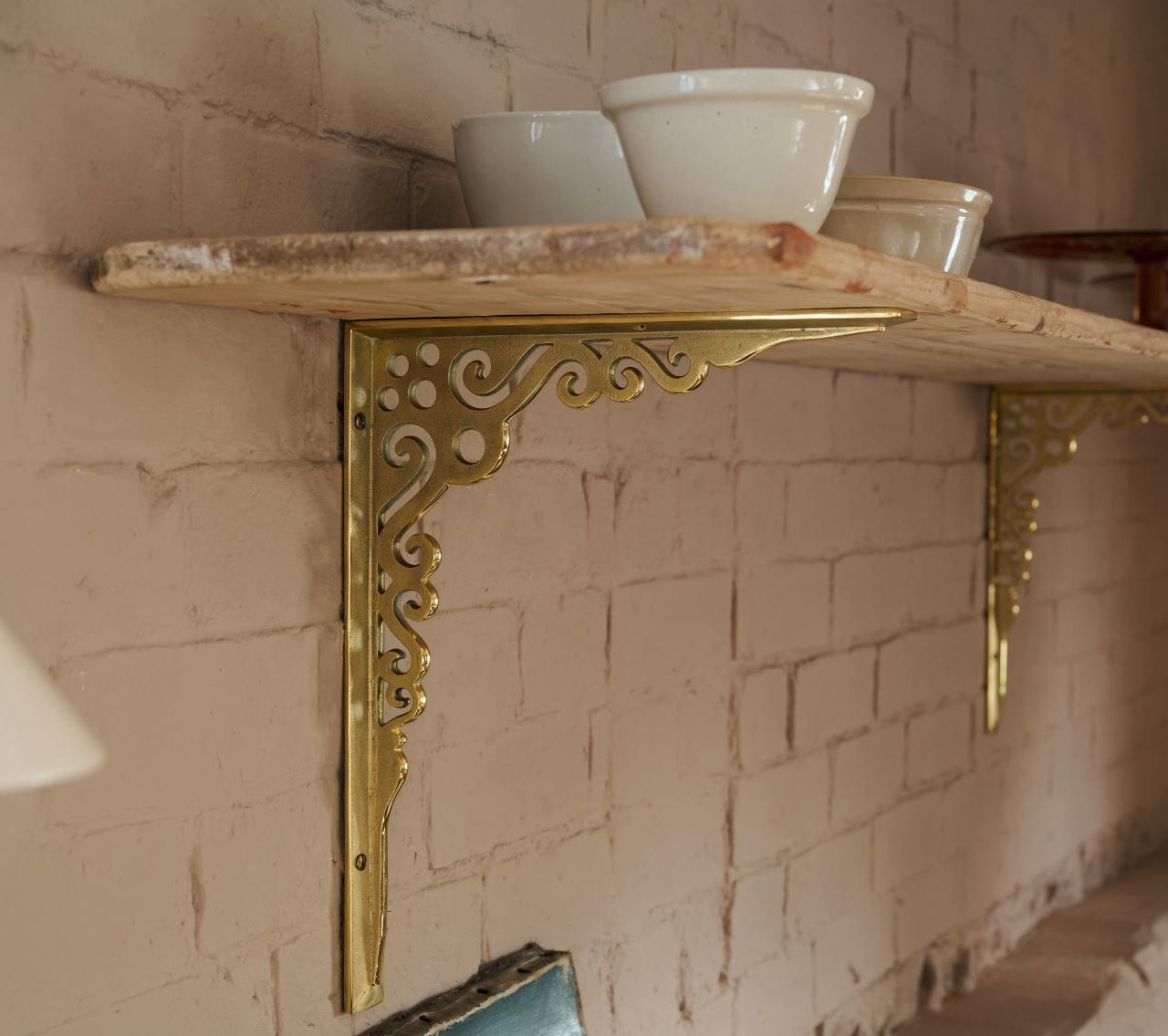
In the realm of interior design, there is a lingering philosophy often attributed to the great William Morris: "Have nothing in your houses that you do not know to be useful or believe to be beautiful." In the modern pantry—a space once relegated to the shadows of the household—we find the perfect canvas to marry these two ideals. While we often obsess over the marble of the countertop or the hue of the cabinetry, we frequently overlook the "opportunity for ornament" that exists in the structural gap between the wall and the shelf.
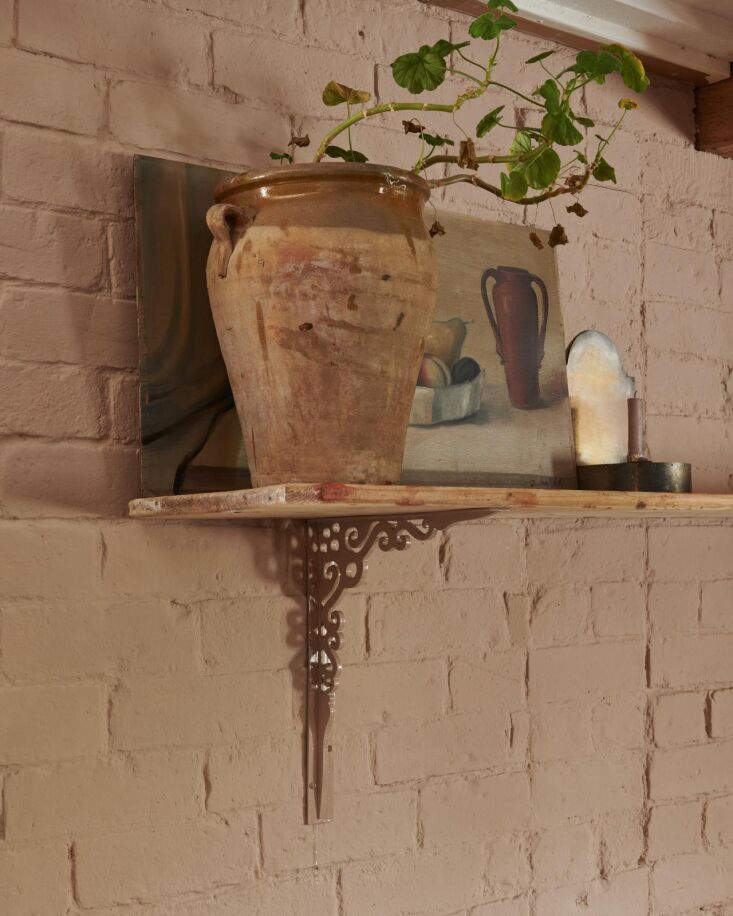
Victorian hand-cast brackets are the antidote to the sterile, utilitarian hardware of the modern age. These are not merely supports; they are architectural features that combine high-strength load capacity—supporting up to 20kg (approximately 44 lbs) per pair—with intricate period details like scrolling vines, webs, and geometric pendants. By choosing hand-cast pieces over mass-produced alternatives, you transform a functional storage area into a timeless scullery that feels as though it has evolved over centuries.
The Opportunity for Ornament: Why Brackets Define Your Pantry
The difference between a "closet with shelves" and a "bespoke pantry" often comes down to the hardware. In interior styling, the eye is drawn to points of tension—where one material meets another. A wooden shelf floating against a plastered wall is functional, but when that shelf is cradled by an ornate, hand-cast Victorian bracket, the space gains a sense of permanence and history.
These brackets serve as a bridge between the architectural bones of your home and your personal style. Whether you are leaning into the "English Country Kitchen" aesthetic or a more "Industrial Loft" vibe, the detail within the casting—be it a Gothic Revival pendant or a delicate leafy branch—adds a layer of texture that flat-packed shelving simply cannot replicate.
Victorian hand-cast brackets are engineered for more than just aesthetics. Our research into authentic period-style hardware indicates that these supports are designed for high-performance durability. When properly installed into wall studs, heavy-duty cast iron or solid brass models can comfortably support the weight of heavy stoneware, rows of preserves, and cast-iron cookware, turning your pantry into a robust, hardworking scullery.
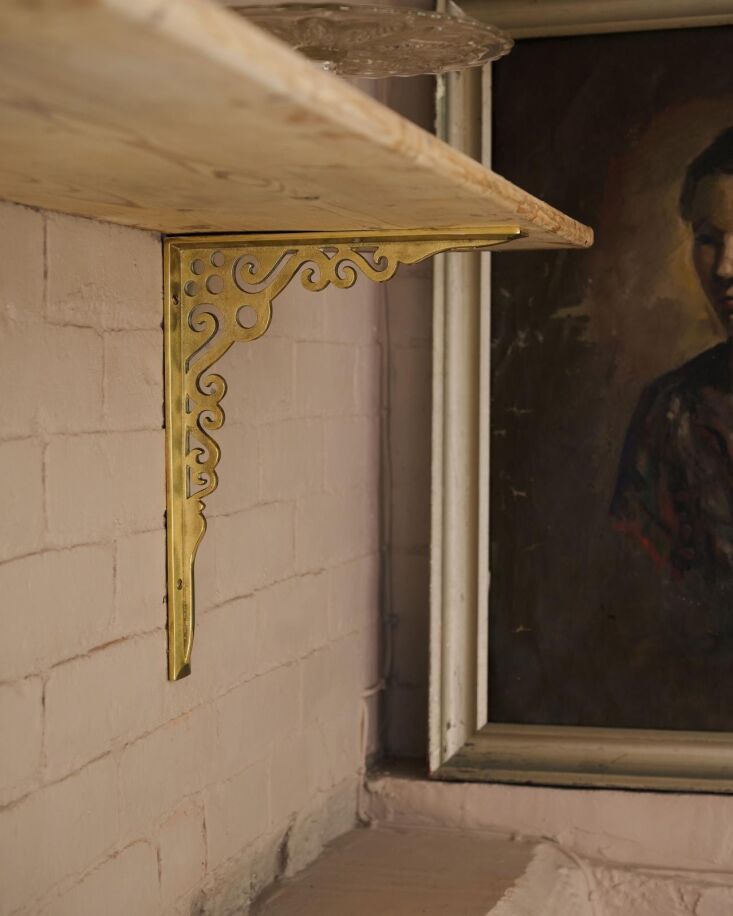
Material Mastery: Solid Brass vs. Heavy-Duty Cast Iron
Choosing the right material for your brackets is a decision that impacts both the longevity of the shelf and the "temperature" of the room’s design. In my experience as an editor, I’ve found that the material choice acts as the foundation for the entire pantry’s color palette.
The Artisanal Gap: Investment and Value
There is a significant market price gap that readers must navigate. Our market price analysis shows a stark contrast between mass-manufactured iron brackets, which typically retail for $25–$30, and artisanal hand-cast solid brass pieces, which can reach upwards of $258 per bracket. This 10x investment represents a commitment to craftsmanship: the hand-cast process involves traditional sand-casting methods that leave behind a unique, tactile texture impossible to achieve in factory stamping.
| Feature | Mass-Manufactured Iron | Hand-Cast Solid Brass | Heavy-Duty Cast Iron |
|---|---|---|---|
| Average Price | $25 - $30 | $250 - $270 | $40 - $85 |
| Max Load (Pair) | 5kg - 10kg | 15kg - 20kg | 20kg+ |
| Finish Options | Powder Coat (Limited) | Burnished, Antique, Polished | Natural, Waxed, Paintable |
| Detailing | Shallow, blurred edges | Sharp, intricate lost-wax detail | Bold, rustic architectural lines |
Solid Brass for Timeless Elegance
For an authentic period look that feels warm and curated, solid brass is the gold standard. A burnished or "living" brass finish will develop a stunning patina over time, darkening in the recessed details of the scrolls while remaining bright on the edges where they are frequently touched. This creates a sense of "lived-in luxury" that is hallmarks of high-end interior styling.
Heavy-Duty Cast Iron for Versatility
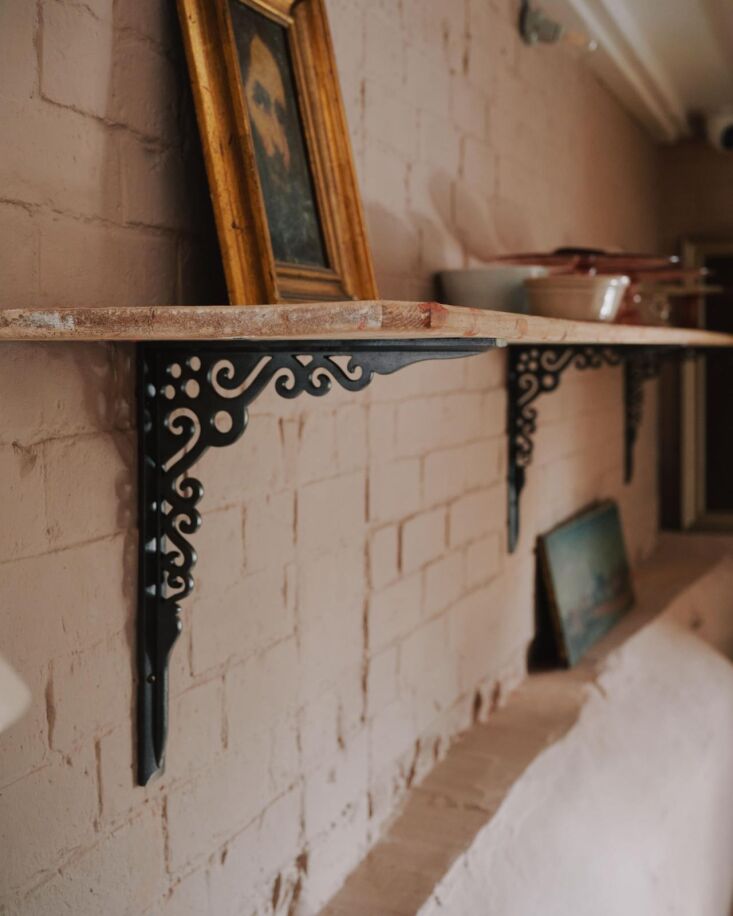
If you are looking for strength with a more grounded, industrial edge, cast iron is the superior choice. Unlike brass, which is often left to show its natural metallic beauty, cast iron brackets are incredibly versatile because they can be layered with paint. This allows you to match the brackets exactly to your cabinetry or wall color—a technique often used by renowned design houses like deVOL to create a seamless, built-in architectural feel.
Sizing for the Modern Scullery: From Ledges to Foot-Deep Shelves
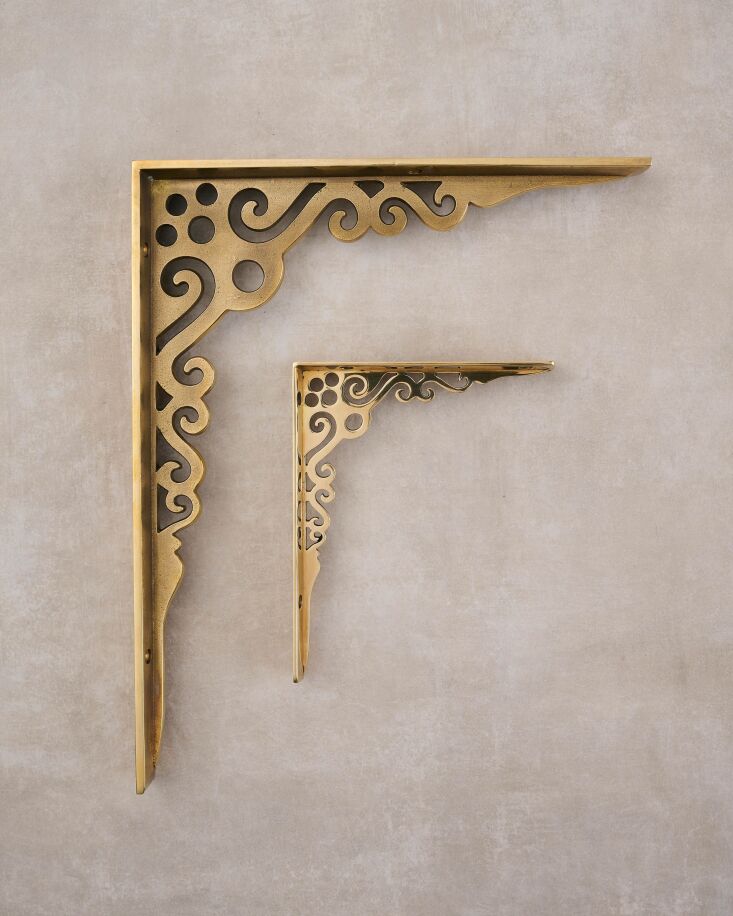
One of the most common mistakes in pantry organization is choosing a bracket that is either too small to support the shelf or so large that it overwhelms the space. Victorian-style brackets are typically categorized into two primary sizes designed to accommodate the standard depths of kitchen shelving.
- Small Brackets (Approx. 7–8 inches): These are ideal for narrow ledges or "glance-height" shelving. Use these for spice racks, coffee stations, or decorative displays where the shelf depth is between 6 and 9 inches. They provide a delicate accent without protruding too far into the walkway of a narrow walk-in pantry.
- Large Brackets (10–12 inches): These are designed specifically for "foot-deep" scullery shelving. In a traditional pantry, a 12-inch deep shelf is the standard for storing large glass jars, flour bins, and small appliances. A larger bracket ensures that the center of gravity remains stable and prevents the shelf from bowing under heavy loads.
Ivy’s Pro Tip: When selecting your size, always aim for a bracket that covers at least 70% of the shelf’s depth. For a 12-inch shelf, a 9 or 10-inch bracket is the sweet spot. This allows for a slight overhang, which is aesthetically pleasing while maintaining the structural integrity required to support up to 44 lbs of weight.
Design Styles: Gothic, Mission, and Classic Victorian
Beyond the material, the "pattern" of the bracket dictates the era your pantry evokes. Exploring specific period designs allows you to customize the mood of the room.
- Gothic Revival: Look for brackets with "pendants"—pointed details that hang below the main curve—and trefoil or quatrefoil cutouts. These feel ecclesiastical and dramatic, perfect for high-ceilinged spaces or pantries with dark, moody paint colors.
- Mission & Arts and Crafts: If you prefer a more restrained look, Mission-style brackets offer clean, geometric lines with minimal ornamentation. They emphasize the honesty of the material and work beautifully in transitional kitchens.
- Classic Victorian Florals: These are the most popular for "timeless" pantries. Featuring scrolling vines, acanthus leaves, and "sunflower" hubs, they add a soft, organic touch to the hard angles of shelving and jars.
For those looking to create a "gallery wall" effect in their pantry, I recommend mixing sizes but keeping the design style consistent. For example, use large Leafy Branch brackets for the bottom heavy-duty shelves and the smaller 7-inch version of the same pattern for the upper, lighter shelves.
Pro-Installation & Customization Tips
The beauty of a hand-cast bracket can be easily undermined by poor installation. Because these brackets are heavy and designed to carry significant weight, they require more than just a simple screw-and-plug approach.
The "deVOL Look": Layering Paint
To achieve that coveted "English Scullery" look, don't be afraid to paint your cast iron brackets.
- Step 1: Clean the bracket with a degreaser.
- Step 2: Apply a metal-grade primer.
- Step 3: Use the same eggshell or satin finish paint as your shelves or cabinetry. This makes the bracket appear as a molded extension of the wall rather than an afterthought.
Mounting for Maximum Load
To achieve the 20kg (44 lbs) load capacity mentioned earlier, you must mount the brackets directly into wooden studs. If the studs don't align with your desired shelf placement, consider installing a "timber patress" (a horizontal wooden board) onto the wall first, painting it to match the wall, and then mounting the brackets to the timber.
Warning: Never rely on drywall anchors for ornate Victorian brackets. The weight of the bracket itself, combined with the leverage of a foot-deep shelf, can easily pull an anchor through the wall. Always use professional-grade steel fasteners that are long enough to penetrate at least 1.5 inches into the structural framing.
FAQ
Can Victorian brackets be used for marble or stone shelving? Yes, but with caution. Because stone is significantly heavier than wood, the 20kg load limit per pair will be partially consumed by the weight of the shelf itself. For stone shelving, I recommend placing brackets no more than 16–20 inches apart to distribute the weight and prevent the stone from cracking.
Are these brackets suitable for humid environments like a laundry room pantry? Solid brass is excellent for humid environments as it will not rust (though it will patina). If using cast iron in a high-moisture area, ensure it is either powder-coated or thoroughly painted and sealed to prevent oxidation and orange rust spots.
How do I clean ornate hand-cast brackets? The intricate scrolls can collect dust. I recommend using a soft-bristled toothbrush or a vacuum with a brush attachment to reach the deep crevices of the casting. For brass, a simple microfiber cloth is enough; avoid harsh chemicals that might strip the natural patina.
Final Thoughts
Elevating your pantry isn't about hiding your clutter; it’s about honoring the items you use every day by giving them a beautiful place to rest. By investing in hand-cast Victorian brackets, you aren't just buying hardware—you are installing a piece of history. Whether you choose the golden warmth of burnished brass or the customizable strength of painted cast iron, these supports ensure your pantry remains a space of both high-design and high-function for decades to come.