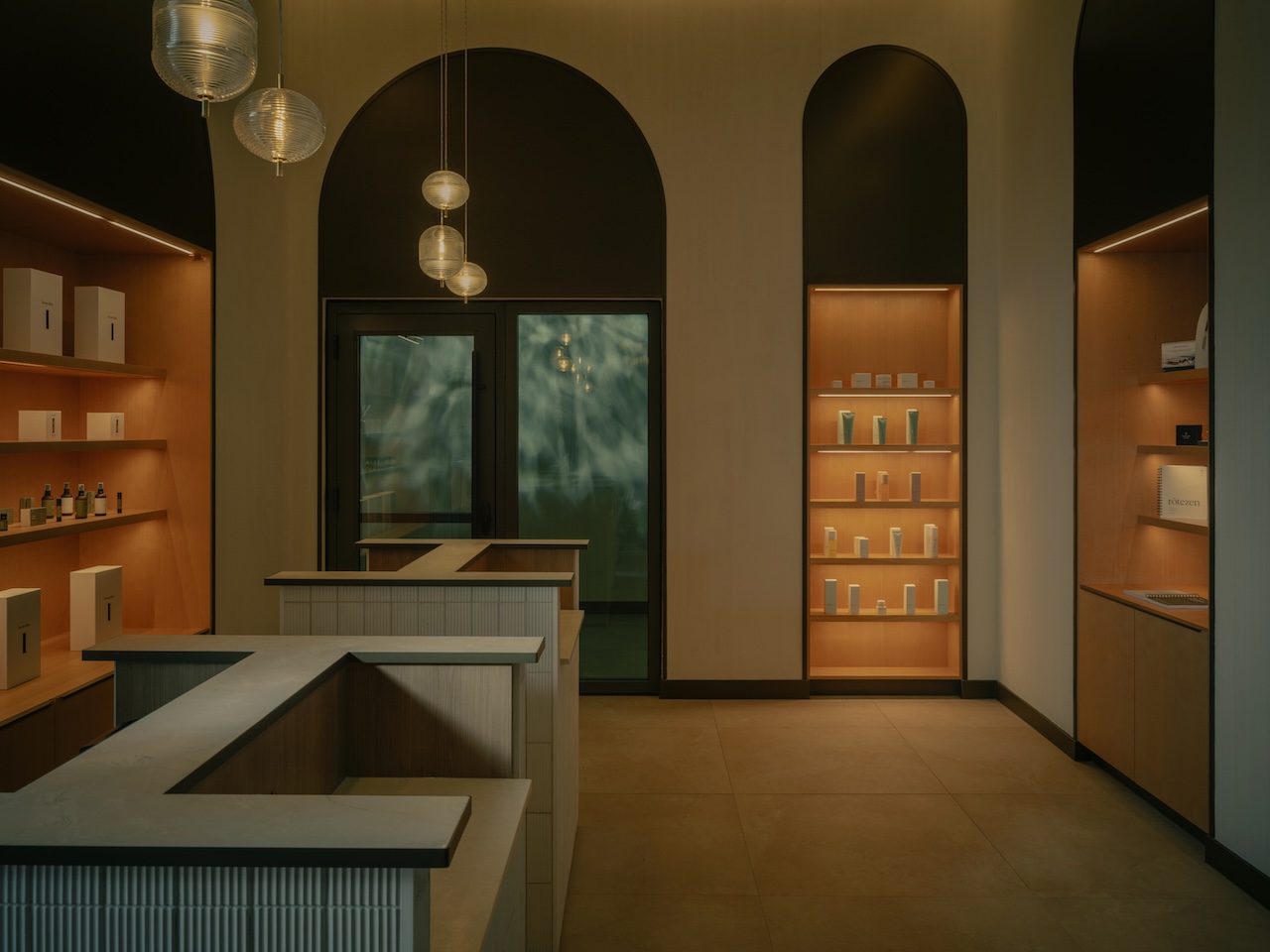
The Mojave Desert has a way of stripping things down to their essence. For those of us who find beauty in the skeletal remains of a 1950s "homesteader" shack or a neglected mid-century ranch in Palm Springs, there is a profound pull to restore what the sun has weathered. There’s a specific magic in the "Desert Modern" aesthetic—a philosophy that balances the sharp, geometric lines of mid-century architecture with the raw, organic soul of the arid landscape.
Remodeling a mid-century desert home isn't just about a fresh coat of paint; it’s a resurrection. It requires a delicate dance between preserving architectural integrity and implementing modern, climate-resilient upgrades. Whether you are tackling a fixer-upper in Twentynine Palms or a classic Alexander home in the Coachella Valley, this guide will walk you through the process of turning an abandoned relic into a serene sanctuary.
Phase 1: The Detective Work and Planning
Before the first sledgehammer swings, you must become a historian of your own four walls. Mid-century homes are often full of surprises—some architectural gems, others hazardous leftovers. Start by researching the original blueprints. In the high desert, many homes were built from kits or designed by unsung local architects who understood how to orient a house to catch the prevailing breezes.
The planning phase in the desert is uniquely dictated by the environment. Unlike a suburban remodel, you aren't just fighting aesthetics; you’re fighting 115-degree summers and intense UV radiation.
Clara’s Pro Tip: Always perform a "Basics Audit" first. Desert environments are brutal on original galvanized plumbing and clay sewer lines. Expect to find "sun-rotted" HVAC units that have been struggling against the heat for decades.
Key Takeaway: Comprehensive desert home restorations typically require a 24-month project timeline to account for specialized material sourcing and extreme climate construction constraints. Planning for two full seasonal cycles allows you to observe how the sun moves across the property before committing to permanent window placements or outdoor living areas.
Phase 2: Structural Preservation and Climate Resilience
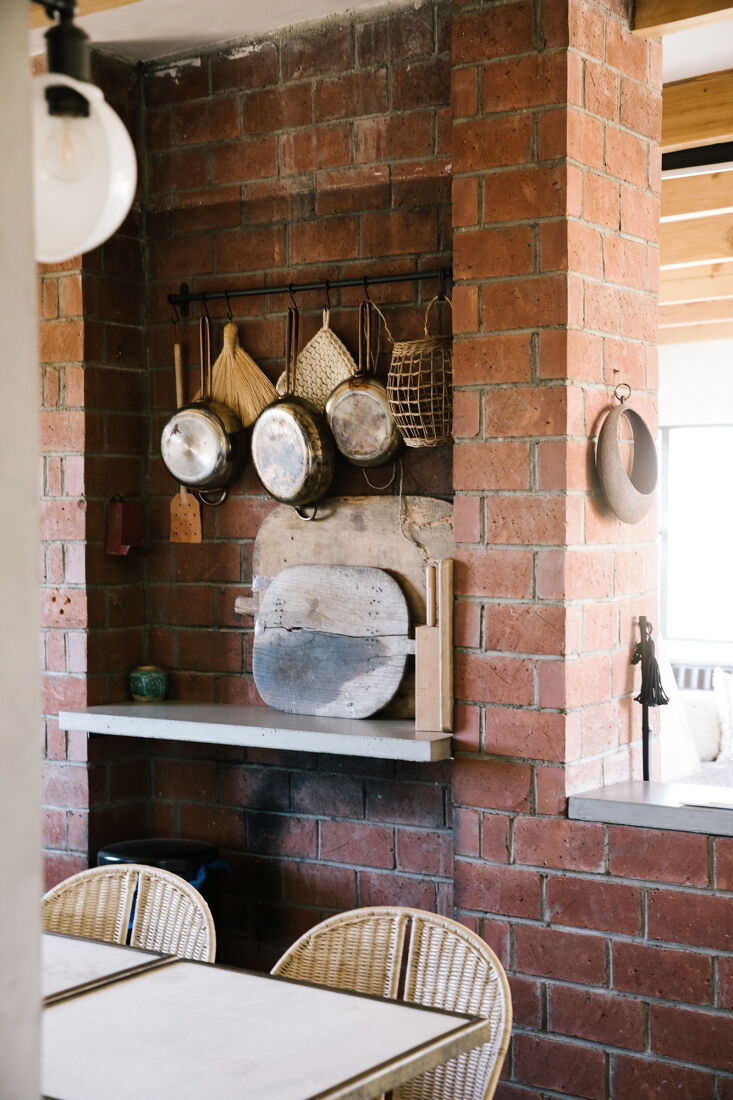
The "bones" of a mid-century desert home are its greatest asset. Exposed post-and-beam ceilings, floor-to-ceiling glass, and sprawling brick fireplaces are the hallmarks of the era. However, these features often conflict with modern energy standards. Your goal is to preserve the aesthetic while hardening the structure against the elements.
Expert Advice: To maintain authenticity in a mid-century desert remodel, prioritize preserving original structural elements like exposed wood beams and brick fireplaces while updating flooring with climate-resilient materials like engineered white oak.
Engineered white oak is a champion in the desert. Unlike solid hardwood, which can warp and crack in extreme dry heat, engineered planks offer a stable core that handles humidity fluctuations with grace.
When it comes to the walls, ditch the standard synthetic latex. It traps heat and can feel "plastic" under the harsh desert sun. Instead, look toward mineral-based solutions.
| Material | Heat Absorption | Breathability | Aesthetic |
|---|---|---|---|
| Standard Latex Paint | High | Low | Flat/Uniform |
| Lime Wash | Low | High | Muted, Suede-like |
| Mineral Paint | Lowest | High | Matte, Earthy |
Incorporating these materials isn't just a design choice; it’s a functional one. Utilizing lime wash and mineral-based paints (such as Portola’s Eastwood or similar palettes) can reduce interior visual heat absorption by up to 15% compared to standard synthetic finishes. They diffuse the light rather than reflecting it harshly, creating a soft, "sun-washed" glow inside the home.
Phase 3: The Interior Palette—Neutral, Natural, and Honest
The desert is a master of texture, and your interior should follow suit. I always advocate for "Honest Materials"—substances that don't pretend to be something else. Think honed limestone, handmade clay tiles, and warm-toned leathers that will patina over time.
Your color palette should be a direct extension of the view outside your window. Borrow from the desert sunset:
- Base: Sand, bone, and warm grey.
- Accents: Rust, terracotta, and a muted sage green.
In a desert modern home, texture does the heavy lifting that patterns usually do in other styles. A nubby boucle sofa or a plaster-finished wall adds depth without creating visual noise that competes with the landscape.
Phase 4: Room-by-Room Transformation
The Desert Modern Kitchen
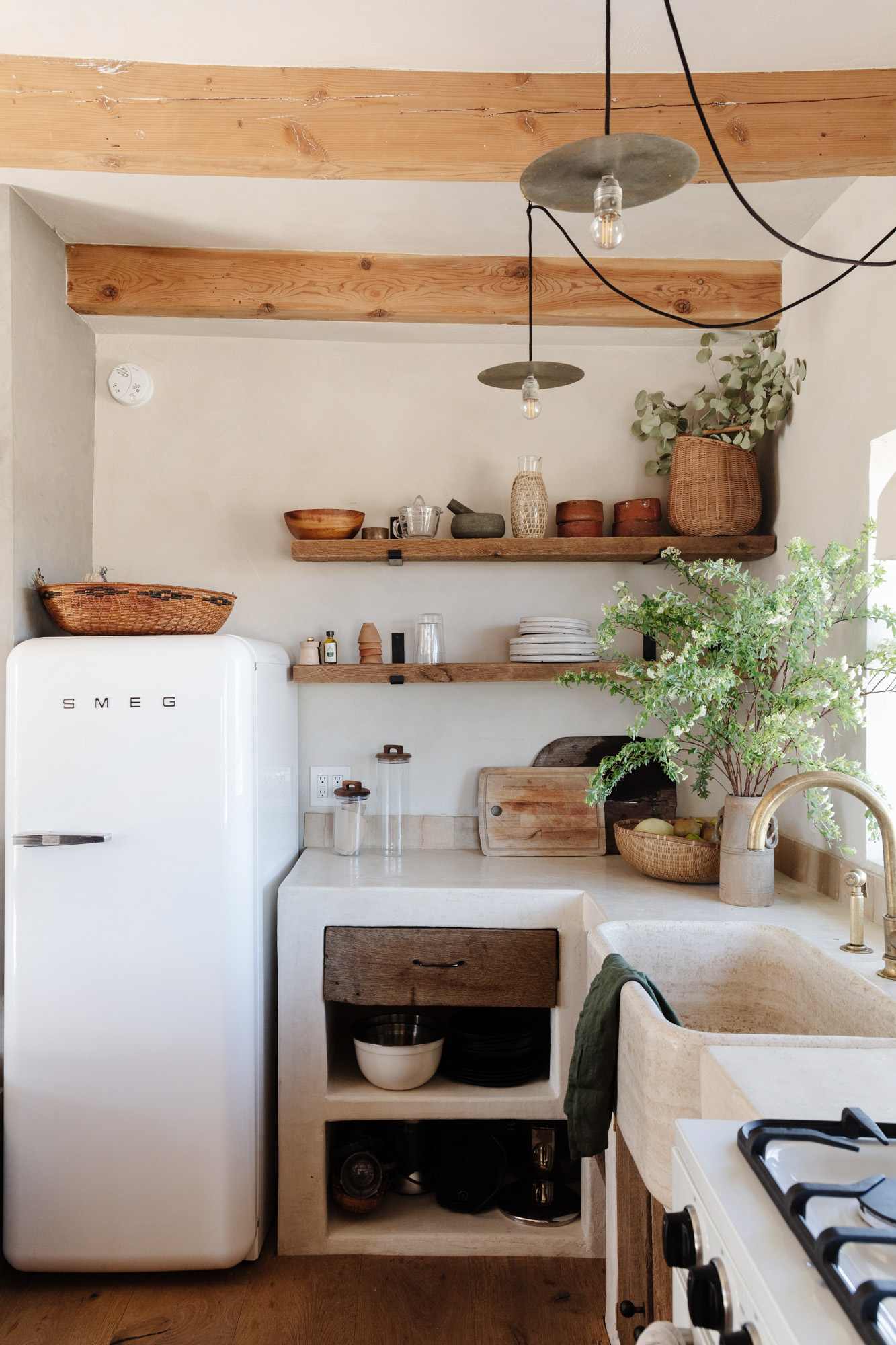
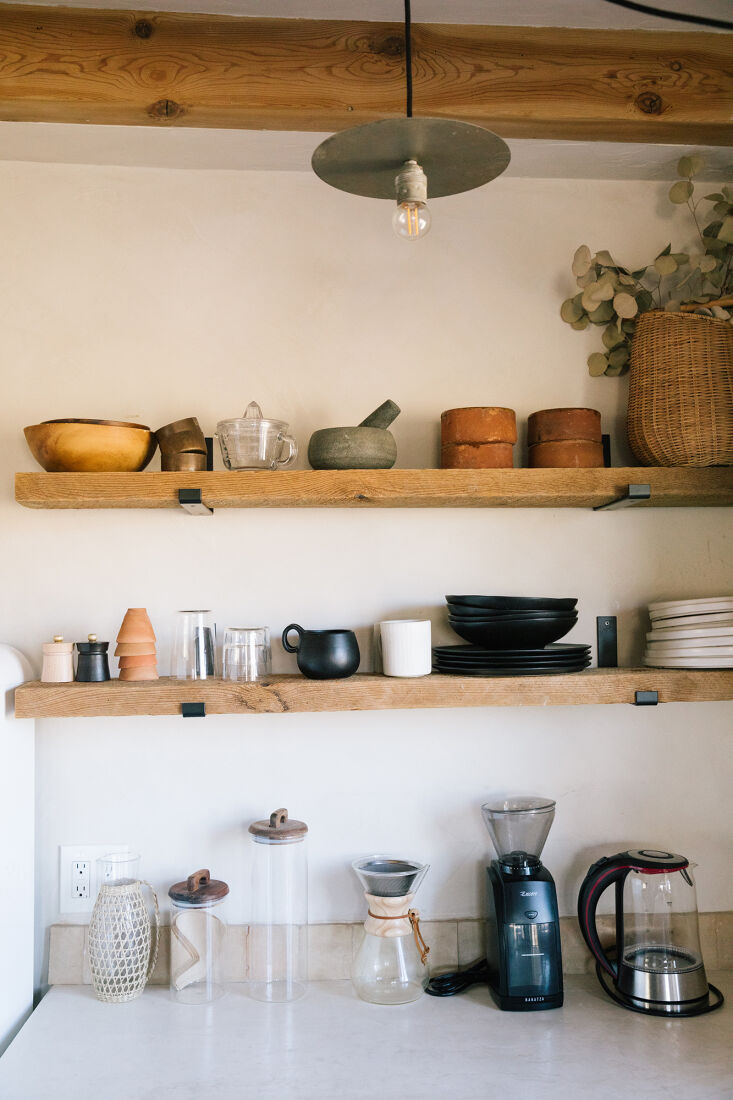
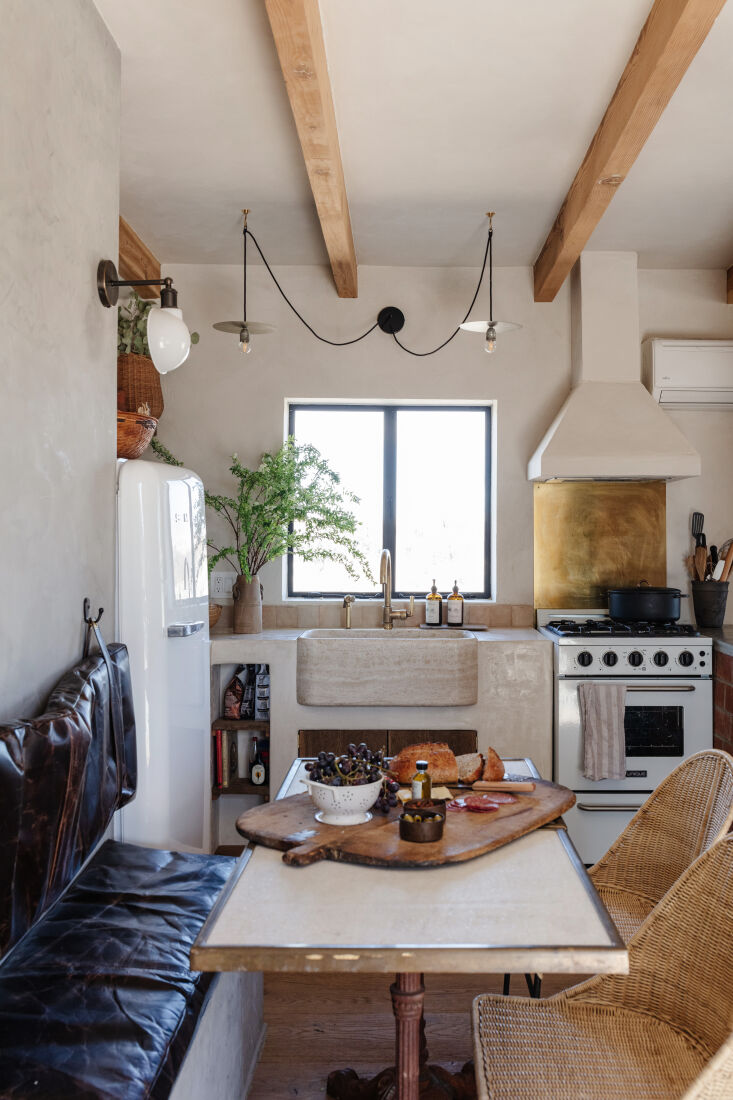
The kitchen is where the rustic meets the refined. To avoid the "hospital-clean" look of modernism, we introduce organic textures.
Design Guide: Desert modern kitchens benefit from organic, waterproof materials such as Moroccan tadelakt for countertops and reclaimed antique wood for open shelving to blend functionality with a rustic aesthetic.
Tadelakt is a traditional Moroccan lime plaster that is waterproof and seamless. It feels like a smooth river stone to the touch and provides a monolithic look that perfectly complements mid-century lines.
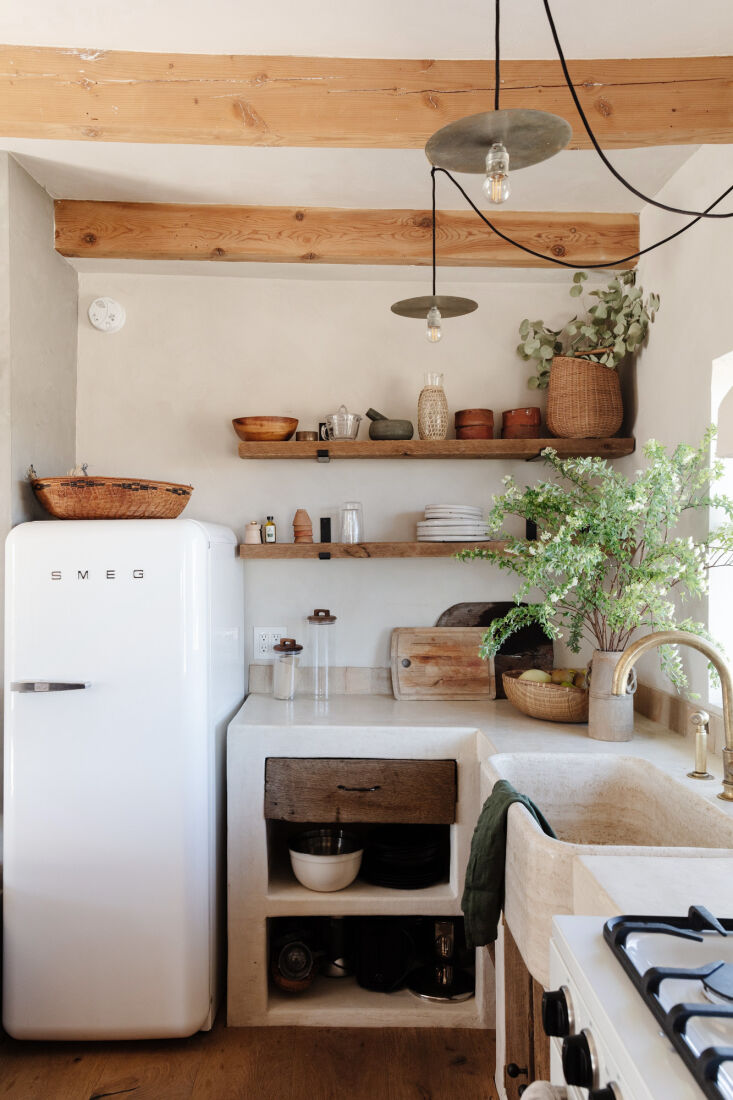
For a budget-conscious DIYer, you don't need to splurge on everything. Thrifty upgrades can have a massive impact. I love repurposing leftover bathroom tiles for a unique backsplash or using a simple sheet of brass as a heat shield behind the stove.
The Living Sanctuary
The living room should feel like a continuation of the horizon. Mid-century furniture was designed with low profiles for a reason: to keep the sightlines to the windows clear.
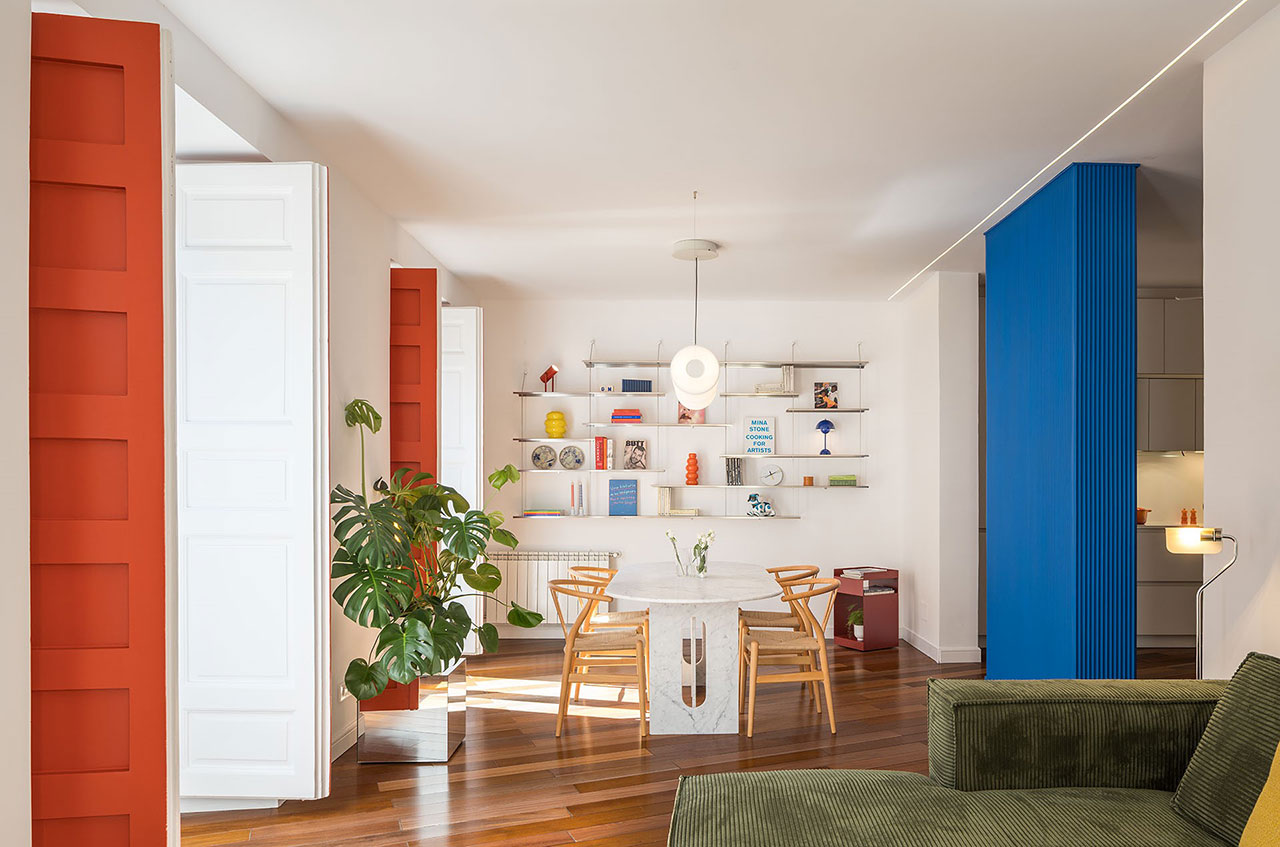
Lighting Strategy: Maximize natural light in desert homes by maintaining open floor plans and large windows, which foster a seamless connection between the interior living space and the surrounding arid landscape.
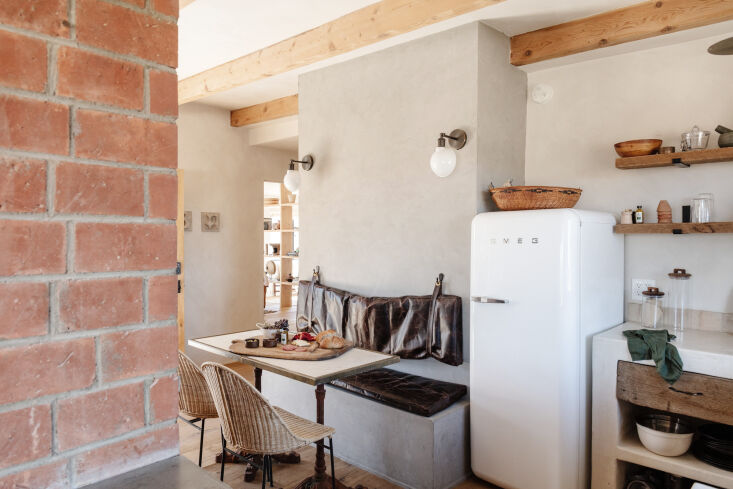
If your home currently has small, chopped-up rooms, consider removing non-load-bearing walls to let the light penetrate into the core of the house. Use weathered leather cushions and low-slung oak frames to keep the space feeling grounded and warm.
The Bathroom Oasis
In the bathroom, lean into the "spa-in-the-wild" vibe. Curbless showers with stone-pebble flooring make the transition between spaces feel natural. Pair this with a floating walnut vanity to keep the floor visible, which creates the illusion of more space—a classic mid-century trick.
Phase 5: Landscape and Outdoor Integration
In the desert, the "yard" is actually your most important room. However, traditional lawns are a disaster for both the environment and your water bill. Instead, embrace xeriscaping.
- Blur the Lines: Build monolithic stone walls that start inside the living room and extend out into the patio. This tricks the eye into thinking the house is much larger than it is.
- Native Planting: Protect any existing cacti. Supplement them with native mesquite trees and agave.
- Evaporative Cooling: Incorporate a shallow reflecting pool. Not only does it provide a stunning visual of the desert sky, but the evaporation can actually lower the temperature of the immediate patio area by several degrees.
Common Pitfalls to Avoid in Desert Renovations
- The 'Cold Minimalist' Trap: Avoid using too much white plastic, chrome, or polished concrete. Without the warmth of wood and stone, a desert home can feel sterile and unwelcoming under the bright sun.
- Synthetic Failures: Standard exterior latex paint often peels or chalks within three years in high-UV environments like Palm Springs or Joshua Tree. Always invest in UV-stable mineral or silicate paints.
- Style Confusion: Don't confuse Desert Modern with Southwest. Avoid heavy turquoise accents, ornate wrought iron, or "cowboy" kitsch. Keep the lines clean and the focus on the architecture.
Conclusion: Living with the Desert
Renovating a mid-century desert home is a labor of love that rewards you with a unique sense of peace. By choosing materials that honor the environment—like lime wash, reclaimed wood, and engineered oak—you create a home that doesn't just sit on the land, but feels like it grew from it. Maintain that architectural authenticity, and you’ll have a sustainable, climate-aware sanctuary that will stand for another seventy years.
FAQ
Q: How do I handle asbestos tiles common in 1950s desert homes? A: Most desert homes of this era used vinyl asbestos tiles (VAT). If they are in good condition, you can often "encapsulate" them by installing your new engineered white oak or cork flooring directly over them. However, if they are crumbling, professional abatement is necessary for safety.
Q: Is Moroccan Tadelakt durable enough for a high-traffic kitchen? A: Yes, if applied correctly. It is incredibly hard and water-resistant. However, because it is lime-based, it can be sensitive to acidic liquids (like lemon juice). I recommend using a specialized wax sealer and treating it with the same care you would give a marble countertop.
Q: What is the best way to insulate a flat-roof mid-century home? A: Since many mid-century homes lack an attic, "rigid foam" insulation installed on top of the roof deck during a re-roofing project is often the most effective way to keep the heat out without destroying your interior beamed ceilings.