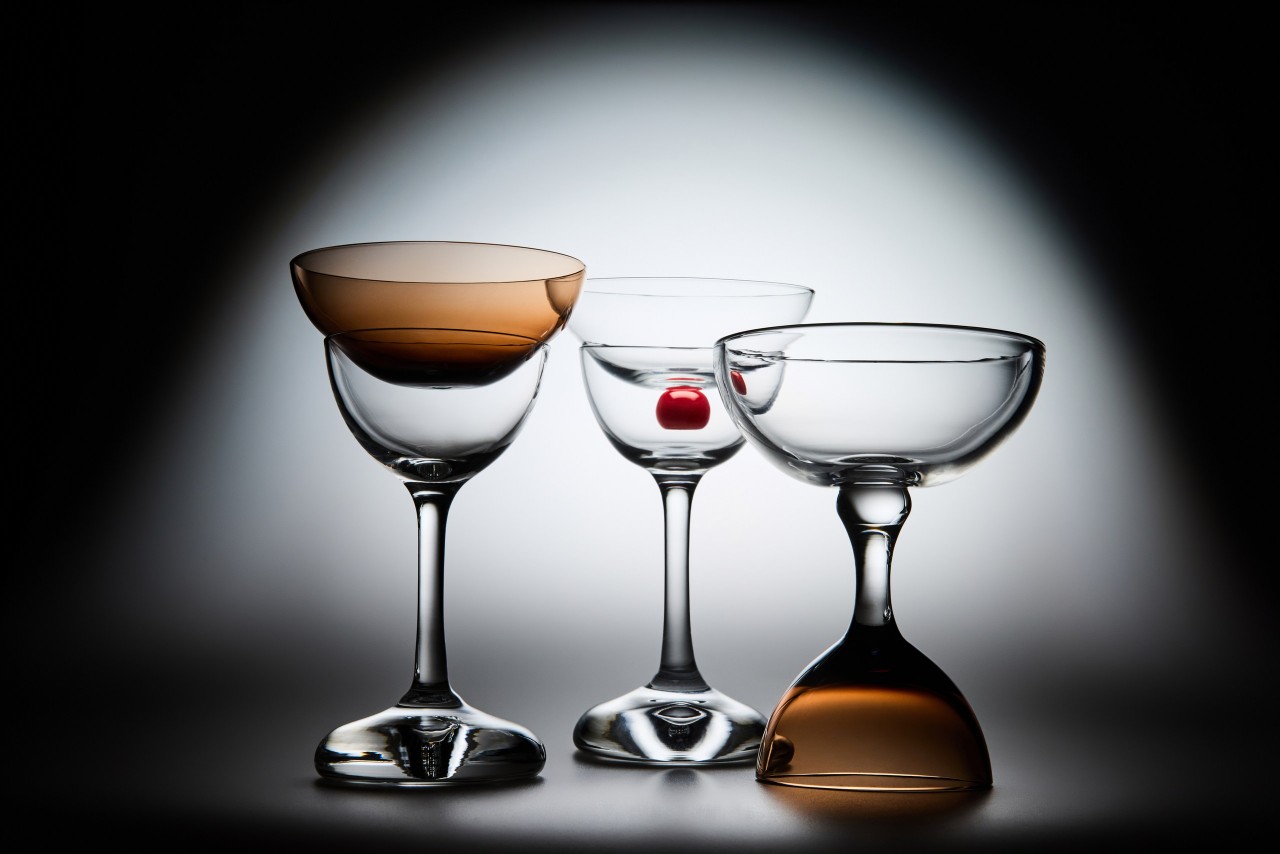
There is a specific kind of magic that happens when sunlight hits a well-set table, catching the rim of a glass and casting a kaleidoscope of tinted shadows across a linen cloth. If you’ve been scrolling through interior design portfolios or high-end tablescape feeds lately, you’ve likely noticed a shift away from the stark minimalism of clear crystal toward something far more spirited. Life is quite literally too short for boring glassware, and the design world agrees: market analysis indicates that search volume for "duotone glassware" and "tinted footed glasses" has increased by 45% year-over-year. We are witnessing a vibrant resurgence of 1920s-style glamour, reimagined for the modern host who craves a blend of heirloom-quality aesthetics and playful contemporary color theory.
Two-toned footed glassware—decorative drinkware featuring two contrasting colors (usually a different hue for the bowl and the pedestal base)—has become the "it" accessory for 2026. Whether it’s a martini glass with a forest green bowl and a butter-yellow stem or a champagne coupe with a blush pink top and a cobalt foot, these pieces serve as functional sculpture. They bridge the gap between vintage charm and modern art, offering a sophisticated way to anchor a tablescape without needing an abundance of floral arrangements or complex decor.
The Investment: Eagle & Hodges Handblown Glassware
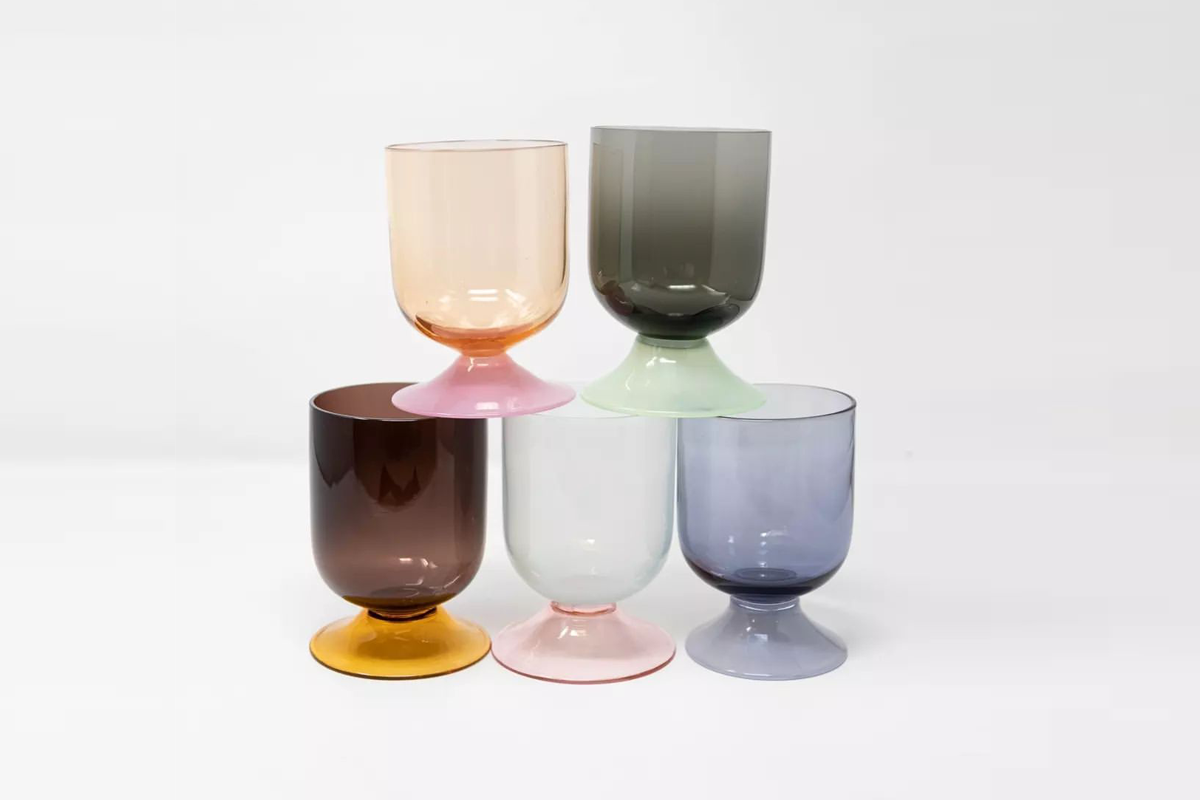
For the design purist, the "High" in this comparison is epitomized by the exquisite offerings at Alex Eagle Studio. Specifically, the Eagle & Hodges handblown two-tone footed glasses represent the pinnacle of this trend. At €85 (approximately $92) per individual glass, these are not merely vessels for hydration; they are investment pieces designed to be passed down through generations.
What justifies the splurge? It comes down to the touch. Handblown glass possesses a clarity and a "ring" that machine-made glass simply cannot replicate. The rims are impossibly thin, providing a delicate mouthfeel that elevates the experience of drinking everything from a crisp Sancerre to a simple sparkling water. The color saturation in Eagle & Hodges pieces is achieved through inherent pigmentation in the molten glass itself, rather than a surface coating, ensuring the vibrancy never fades or peels.
Our editors find that these glasses are particularly striking because of their architectural proportions. The weight is perfectly balanced in the foot, making them feel grounded despite their delicate appearance. They are the "quiet luxury" of the glassware world—bold in color but refined in execution.
The Savvy Dupe: Anthropologie Ramona Coupe Glasses
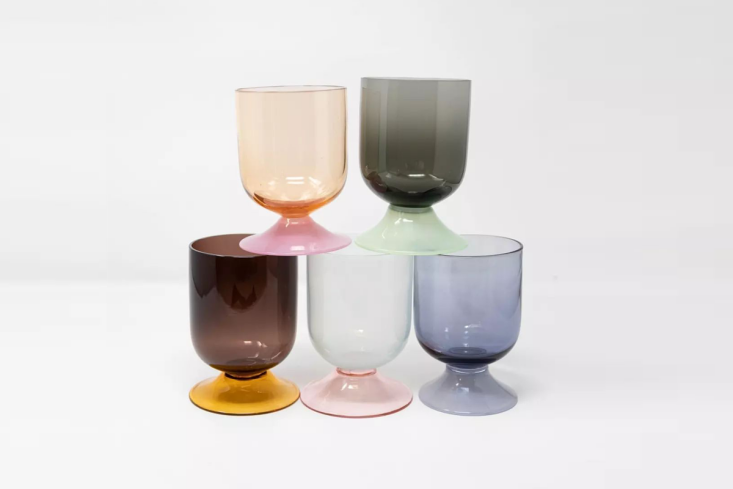
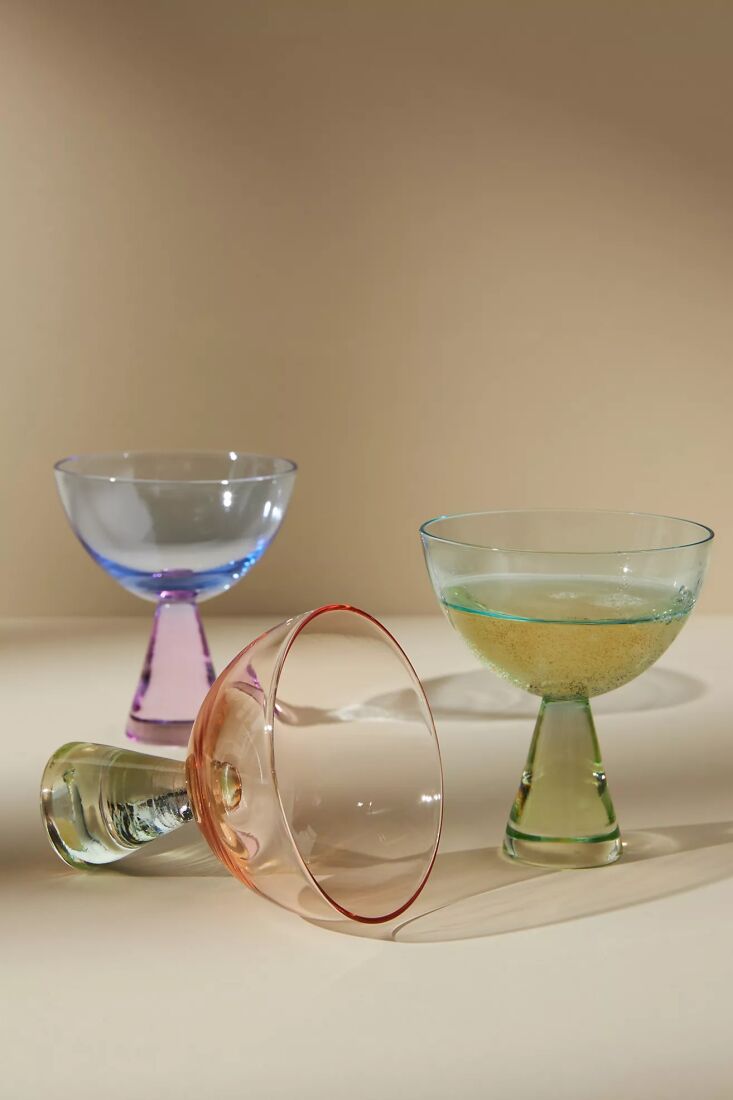
If the idea of a $500 set of six glasses makes your insurance provider nervous, there is a brilliant alternative that captures the same vintage-inspired spirit for a fraction of the cost. The Ramona Coupe Glasses from Anthropologie have become a cult favorite for a reason. At $56 for a set of four, they offer the high-end look of duotone glassware at an accessible price point of just $14 per glass.
The Ramona collection utilizes soda-lime glass, which is sturdier and more substantial than handblown crystal. While it lacks the ethereal thinness of the Eagle & Hodges range, it gains points for durability in high-traffic households. The design features a classic vintage silhouette—a wide, shallow bowl atop a contrasting pedestal—that mimics the 1920s "speakeasy" aesthetic perfectly.
The color combinations are curated to feel deceptively expensive, often pairing jewel tones like amber and emerald or softer pastels like lavender and mint. For those hosting large summer gatherings where a broken glass is a statistical probability, the Ramona glasses provide the visual impact of a designer table without the high-stakes anxiety.
Side-by-Side: The High/Low Comparison
To help you decide where to allocate your decor budget, we’ve broken down the key specifications of the market leaders in the two-toned glassware space.
| Feature | The Investment (Eagle & Hodges) | The Savvy Dupe (Anthropologie Ramona) |
|---|---|---|
| Price Point | €85 ($92) per glass | $56 per set of 4 ($14 each) |
| Material | Handblown Artisan Glass | Machine-pressed Soda-lime Glass |
| Rim Texture | Ultra-fine, laser-cut | Rounded, durable |
| Color Origin | Integrated pigment | Surface-tinted or pigmented |
| Care | Strict Hand-wash only | Hand-wash recommended |
| Best For | Collector's display, intimate dinners | Large parties, everyday "fancy" |
Categories of Duotone Glassware for Every Occasion
While coupes are the most popular silhouette for the duotone trend, the aesthetic has expanded into every corner of the bar cart. Choosing the right shape depends largely on your entertaining style.
Best for Cocktails: Martini and Coupe Varieties
The resurgence of the "dirty martini" and the "espresso martini" has revitalized the demand for footed glassware. We are seeing a move toward "chunky" stems—thicker, colorful pedestals that provide a more modern, Memphis-design-inspired look. Brands like Ichendorf Milano offer borosilicate options that are incredibly light but heat-resistant, perfect for cocktails that require a chilled glass.
Best for Everyday: Highballs and Wine Glasses
For those who want to inject color into their daily routine, look for "Raye Pearl Diver" styles or updated takes on the classic Bormioli Rocco silhouettes. These often feature a subtly tinted foot with a clear or ribbed bowl.
- Stackability: A major factor for everyday use. Look for tapered bases that allow for easy storage.
- Versatility: A two-toned wine glass can easily double as a water goblet or even a vessel for a sophisticated parfait.
Buyer’s Guide: Material Science and Price Reality
Price comparison data shows a staggering reality in the glassware market: premium handblown glassware can cost over 600% more per unit than high-quality retail sets, which average between $14 and $18 per glass. Understanding what you are paying for is key to making a savvy purchase.
- Borosilicate vs. Soda-Lime: Most high-end, thin-walled duotone glasses are made of borosilicate glass. It is famous for its resistance to thermal shock (it won't crack if you put ice in a warm glass). Retail sets are usually soda-lime glass, which is heavier and more prone to "clouding" over time if put in the dishwasher but is much harder to tip over.
- Rim Thickness: This is the "tell" of a cheap glass. High-end pieces have a "cold-cut" rim that is flat and thin. More affordable versions have a "rolled" rim, which is thicker and more durable but less refined.
- Weight Distribution: A quality footed glass should feel "bottom-heavy." If the bowl is too heavy compared to the base, the glass becomes a tipping hazard—a nightmare for white tablecloths.
Editor’s Tip: If you are shopping in person, flick the rim of the glass gently with your fingernail. A high-quality lead-free crystal or fine handblown glass will produce a clear, sustained musical ring. A cheaper, machine-made glass will produce a dull "thud."
Caring for Your Colorful Stemware
Regardless of the price point, tinted glassware requires a bit more TLC than your standard clear tumblers.
- The Temperature Rule: Never subject your glassware to extreme temperature swings. If you just finished a cycle in the dishwasher (though we recommend hand-washing), let the glasses cool to room temperature before filling them with iced drinks.
- Dishwasher Safety: Most duotone glassware, especially those with gold rims or surface-applied tints, should stay far away from the dishwasher. If the manufacturer claims they are dishwasher safe, stick to the 104°F/131°F (40°C/55°C) thresholds on a delicate cycle. High heat and harsh detergents can etch the glass or cause the "two-tone" bond at the stem to weaken.
- Storage: Store your footed glassware upright. Storing them upside down on their rims can put undue pressure on the thinnest part of the glass and lead to micro-chips.
FAQ
Q: Is two-toned glassware just a passing trend? A: While the specific "neon" color combos may fluctuate in popularity, the concept of "footed" and "tinted" glass is rooted in the Art Deco movement of the 1920s. It is a classic aesthetic that resurfaces every few decades. Investing in timeless color pairings (like amber and smoke) ensures longevity.
Q: Why is handblown glass so much more expensive? A: Handblown glass is a labor-intensive craft. Each piece is unique, requiring a master glassblower to manipulate molten glass at extreme temperatures. The 600% price gap reflects the artisan's skill, the purity of the materials, and the fact that these pieces are often made in small batches rather than mass-produced in factories.
Q: Can I mix and match different brands of duotone glasses? A: Absolutely. In fact, the most modern tablescapes avoid "matchy-matchy" sets. Mixing a high-end Eagle & Hodges set with a few vintage finds or Anthropologie dupes creates a "curated over time" look that feels far more personal and sophisticated.
Whether you choose to invest in a single artisan masterpiece or curate a full set of budget-friendly beauties, two-toned footed glassware is the simplest way to bring a sense of celebration to your home. It’s a reminder that even a simple glass of water can be an aesthetic event.