We’ve all been there: staring into the cavernous, chaotic abyss beneath the kitchen sink, trying to find a single bottle of glass cleaner amidst a jungle of tangled pipes, half-empty spray bottles, and damp sponges. For years, I accepted this as an inevitable tax on homeownership. I thought the problem was my lack of discipline or perhaps just a poorly designed cabinet.
It wasn't until I embarked on a minor kitchen refresh that I realized the real culprit wasn't my organizational skills—it was the sink itself. Most of us inherit a double-basin sink, believing it’s the "gold standard" for multitasking. We soak on one side and rinse on the other. But from a systems-design perspective, the double-basin sink is a storage nightmare. It requires complex "Y-shaped" plumbing that bifurcates the cabinet space, leaving you with two narrow, awkward vertical corridors instead of one functional area.
The solution I found didn't involve a thousand-dollar renovation. It involved a fundamental mindset shift regarding how we use our water—and a $3 plastic tub from Target that changed everything.
The Math of the Single-Basin Switch
When we talk about maximizing kitchen cabinet space, we usually focus on the organizers we buy. However, the most effective under-sink storage solution starts with the plumbing footprint.
Transitioning from a traditional double-basin to a single-basin sink can increase usable under-sink cabinet volume by approximately 35%. This is a staggering statistic when you realize that most kitchen storage struggles are battles for mere inches. In a double-basin setup, you have two drains, two P-traps, and a complex array of connecting pipes that meet in the middle. This "plumbing tree" effectively kills the most valuable real estate in your cabinet: the center.
By switching to a large single-basin sink with a single drain (ideally offset to one side), you consolidate the plumbing into a tight corner. This opens up a wide, unobstructed floor plan inside the cabinet, finally allowing for the installation of wide pull-out bins, stackable drawers, and even a small trash system. But the question remains: how do you soak your delicate wine glasses or "corrall" dirty dishes without that second basin?
The $3 Secret: The Target Room Essentials Dishpan
The answer is a "British" kitchen hack that has been hiding in plain sight. In the UK, almost every household uses what they call a "washing-up bowl." It’s a simple, removable basin that sits inside the sink.
After years of struggling with a double-basin sink that was too small to wash a cookie sheet but too big to feel organized, I switched to a massive 30-inch single-basin sink. To regain the functionality of the "second side," I purchased the 12qt Dishpan Gray - Room Essentials™ from Target for exactly three dollars.
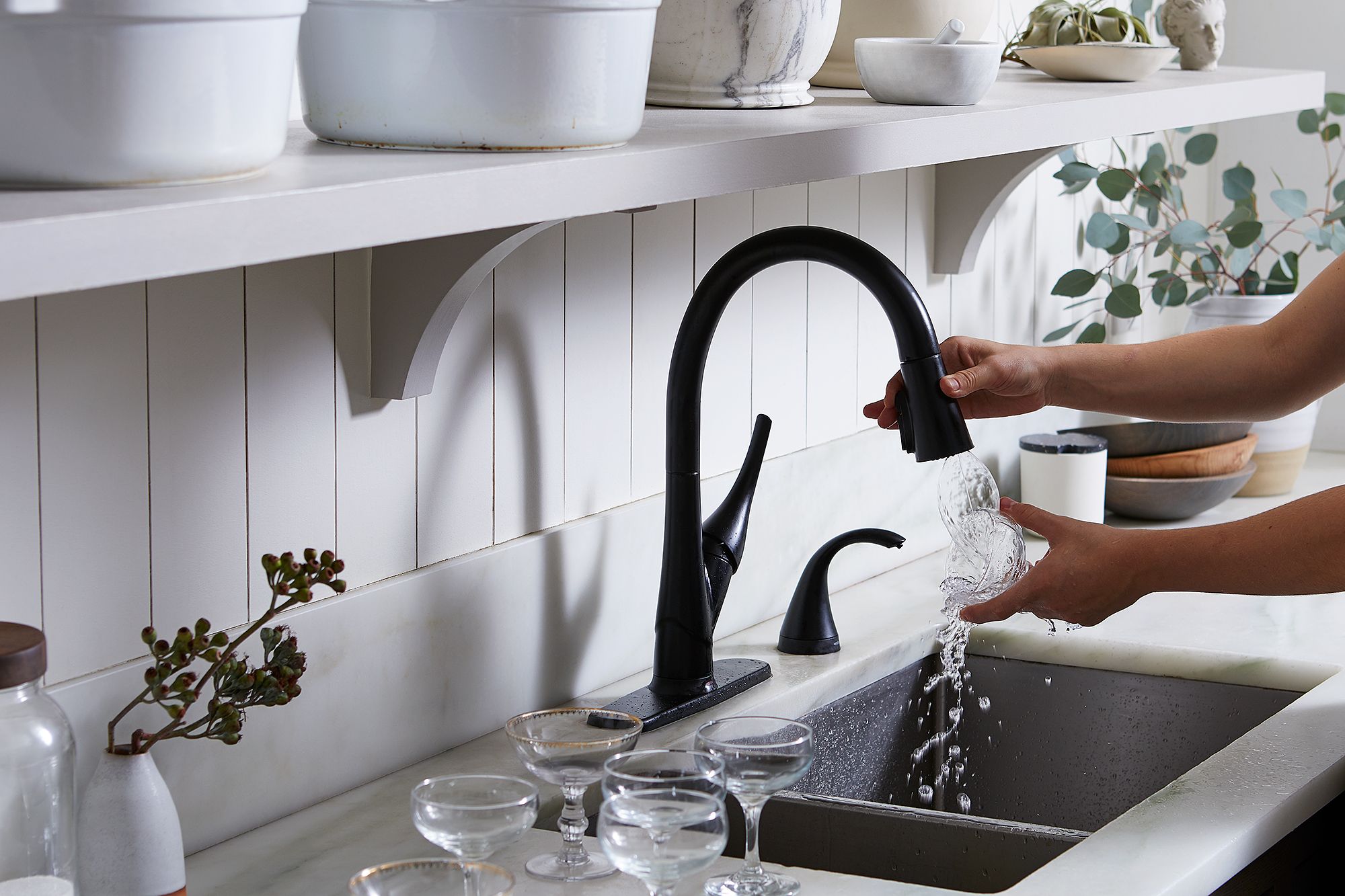
This $3 tool is the ultimate single basin sink organization hack. Because it is removable, it offers the benefits of a double-basin sink without the permanent loss of under-sink space required for secondary plumbing. When I need to soak silverware or small items, the dishpan is there. When I need to scrub a 24-inch cast-iron griddle or a large stockpot, I simply lift the dishpan out, and I have the full, unobstructed width of my sink at my disposal.
4 Ways This Hack Revolutionized My Kitchen Workflow
Implementing this system isn't just about saving space; it’s about optimizing the "flow" of your most-used room. Here is how this $3 tool changed my daily routines.
1. The Environmental Win
Utilizing a 12qt dishpan for soaking instead of running a continuous faucet stream can save a typical household up to 15 gallons of water per week. In a large single basin, it’s tempting to let the water run while scrubbing. By filling the dishpan with just two gallons of soapy water, you create a dedicated "cleaning zone" that discourages water waste.
2. The Mindset Shift: Visual De-cluttering
There is a psychological weight to a sink full of dirty dishes. A double-basin sink often ends up with both sides partially filled, making the entire kitchen feel messy. The dishpan allows for "corralling." All dirty items go into the tub. This leaves the rest of the basin clear and gleaming, providing a visual "reset" for the room even if you aren't ready to do the dishes yet.
3. Practical Functionality for Large Items
Anyone who has ever tried to wash a large roasting pan in a double-basin sink knows the "angled spray" struggle—where water inevitably ends up on your shirt. By using a removable tub, you maintain the ability to lay large items flat on the bottom of the sink.
4. Better Maintenance and Hygiene
Unlike the secondary basin of a permanent sink, which can develop grime in the corners and around the drain flange, a $3 plastic dishpan is incredibly easy to clean. It’s lightweight and, in most cases, dishwasher-safe. If it ever becomes permanently stained or scratched, you can replace it for the price of a cup of coffee, rather than dealing with the permanent wear and tear on a stainless steel or porcelain sink.
| Feature | $3 Target Dishpan | $40 Stainless Steel Insert |
|---|---|---|
| Price | $3.00 | $40.00 - $65.00 |
| Weight | Ultra-light (Plastic) | Heavy (Steel) |
| Noise | Quiet (muffles clinking) | Loud (metal on metal) |
| Replaceability | High | Low |
| Aesthetics | Functional/Minimal | Professional/Sleek |
Beyond the Basin: Professional Under-Sink Organization Systems
Once you’ve cleared the "plumbing clutter" by switching to a single-basin setup and integrated your dishpan, you’re left with a wide-open cabinet. This is where the real fun begins. To truly maximize kitchen cabinet space, you need a layered approach.
Sophie’s Pro Tip: Never place items directly on the floor of your kitchen cabinet. Between potential plumbing leaks and the drip of wet sponges, the "base layer" of your cabinet is a high-risk zone for water damage.
- Base Layer Protection: Start with a heavy-duty silicone waterproof mat. Brands like Jin&Bao or WeatherTech offer liners with raised edges that can hold up to two gallons of water. This protects your cabinetry from the slow leaks that often go unnoticed until it’s too late.
- Vertical Space Maximization: Most under-sink cabinets are 20-24 inches tall, but we only use the bottom 6 inches. Install pull-out sliding baskets (like those from Simple Houseware) or stackable 2-tier organizers. These allow you to reach items at the back of the cabinet without having to get on your hands and knees.
- Visibility Hacks: Use 9-inch recycled plastic turntables (the iDesign "Lazy Susans" are a favorite) for your most-used cleaning supplies. This keeps your daily dish soap and multi-purpose sprays within a quick spin's reach.
Expert Tips for a Clutter-Free Kitchen Cabinet
As an editor, I’ve seen hundreds of "organized" homes, and the ones that stay that way follow two specific rules:
Measure Twice, Buy Once
Before you buy a single bin, you must measure around your plumbing. Measure the height from the floor to the P-trap, and the width from the side of the cabinet to the disposal unit. Most people buy organizers that fit the cabinet, only to find they hit the pipes.
Categorization by Task
Don't just throw all your "cleaning supplies" in one bin. Categorize them by task. I keep a small caddy for "Daily Dish Care" (extra sponges, dish tabs), a separate bin for "Surface Cleaning" (glass cleaner, wood polish), and a back-row spot for "Occasional Maintenance" (drain cleaner, silver polish). When you know exactly which bin to pull, the system becomes self-maintaining.
FAQ
Q: Can I use this hack if I already have a double-basin sink? A: Absolutely. While you won't get the 35% increase in cabinet volume without changing the sink itself, using a dishpan in one side of a double-basin sink can still help you save water and protect your sink's finish. However, the true "magic" of the dishpan is felt when it acts as the flexible second basin in a large single-basin setup.
Q: Does the $3 dishpan look "cheap" in a high-end kitchen? A: The Room Essentials dishpan comes in a neutral matte gray that is surprisingly unobtrusive. However, if aesthetics are your primary concern, you can find white porcelain or stainless steel versions. Personally, I prefer the $3 plastic version because it is "soft" on my glassware and won't scratch the bottom of my sink.
Q: How do I handle the garbage disposal with a single basin? A: You simply install the disposal on the single drain. When using the dishpan to soak, you can still pour liquids down the side of the sink into the disposal. When you’re done with the dishpan, lift it out to dump the water directly into the drain. It’s actually more efficient than a double-basin where the disposal is often on the "small" side.
Final Thoughts
We often look for complex, expensive solutions to our daily frustrations. We think we need a larger kitchen or a custom cabinetry build-out to feel organized. But more often than not, the solution is about subtraction and flexibility. By removing the permanent barrier of a double-basin sink and replacing it with a $3 removable tool, you reclaim your storage space and your sanity.
Start by measuring your under-sink area this weekend. See how much of that space is being "stolen" by redundant plumbing. Then, head to Target and grab that $3 dishpan. You’ll be surprised how much lighter your kitchen feels when your sink—and your storage—finally works with you, instead of against you.