Imagine a rainy Sunday morning at the Marché aux Puces de Saint-Ouen. Amidst the clutter of mid-century chairs and dusty chandeliers, there are always the "lonely stacks"—piles of mismatched French porcelain, once the pride of a 19th-century bourgeois household, now relegated to the floor, forgotten and chipped. For most, they are relics of a bygone era. But for Arnold d’Alger, they are the canvas for a revolution in sustainable luxury.
The New Life of Grandmother’s Dishes
The concept of upcycling has matured significantly over the last decade, moving away from "shabby chic" DIY projects toward high-end, studio-led transformations. At the forefront of this movement in the ceramic world is Bazar d’Alger, a Paris-based studio located in the vibrant 10ème arrondissement. Founded by artist Arnold d’Alger, the studio specializes in a meticulous process of "gilding the lily"—or rather, the porcelain—by applying hand-painted gold-and-resin glazes to historical tableware.
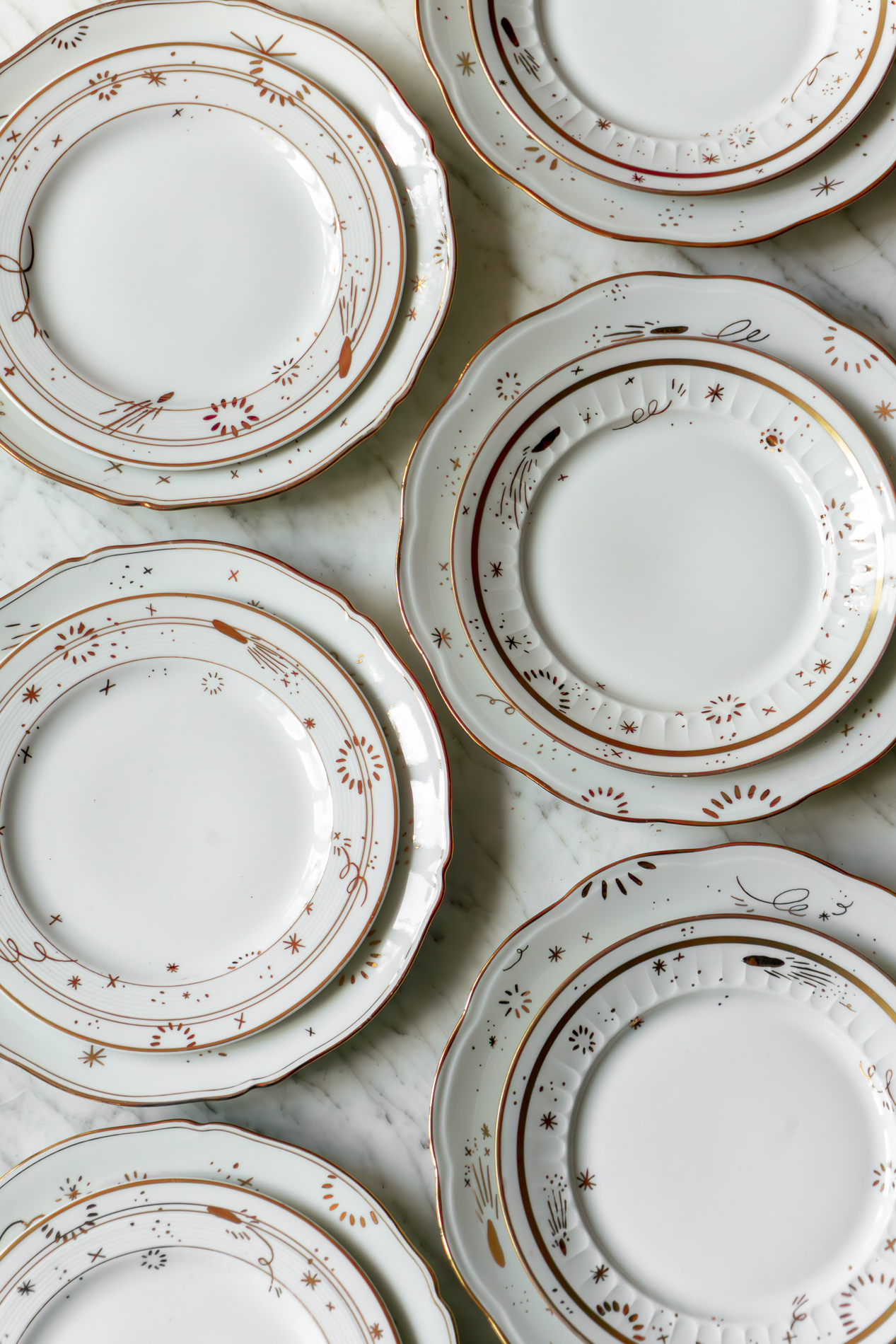
Bazar d’Alger isn’t just a brand; it’s an ethos. By taking French porcelain that is between 50 and 150 years old, Arnold d’Alger effectively extends the lifecycle of historical objects by over a century. He bridges the gap between the rigid, formal craftsmanship of the 1800s and the eclectic, "perfectly imperfect" aesthetic of the 21st-century home. The result? A collection of dinnerware that feels both deeply rooted in French heritage and vibrantly modern.
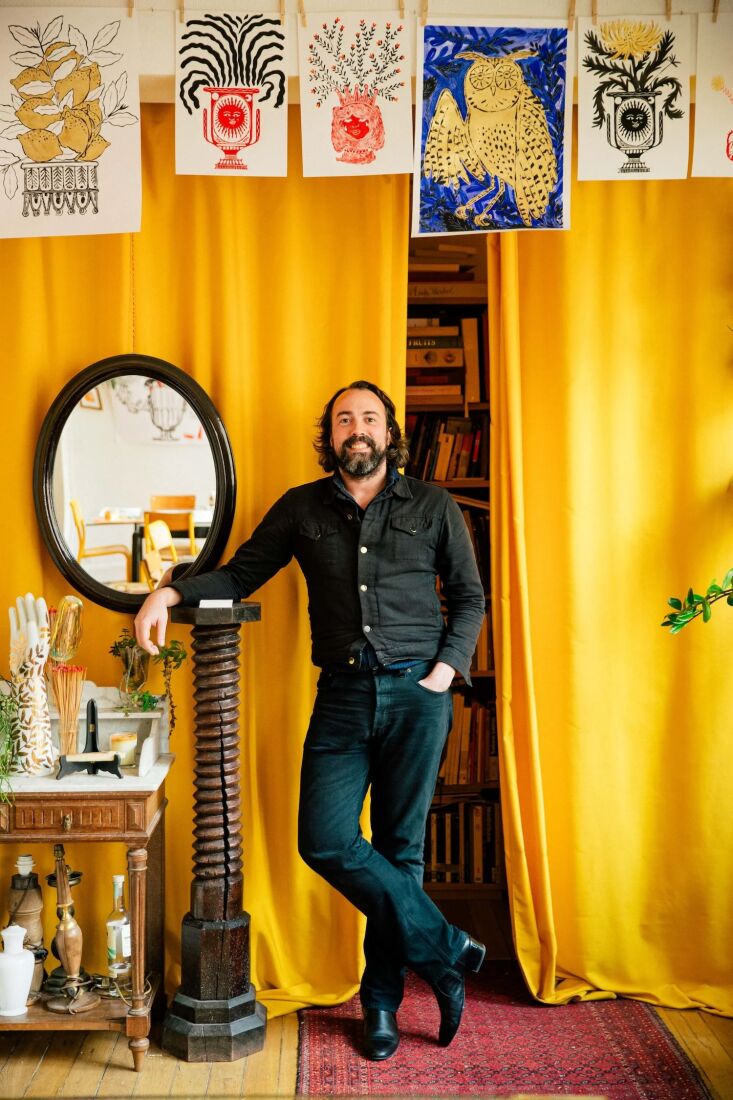
The Visionary: Arnold d’Alger and the 10ème Atelier
Arnold’s journey to the kiln wasn't linear. With a background in graphic design, he transitioned into porcelain decoration through the Ateliers de Paris, where he honed the precision required for fine-line work. His eye for composition is evident in every piece; he doesn't merely "fix" a plate; he reinterprets its geometry.
The sourcing process is a labor of love. Arnold "ferrets out" his materials from Leboncoin (the French equivalent of Craigslist), local flea markets, and estate sales. He looks for quality—Limoges, Sèvres, or Creil-Montereau—seeking pieces that possess a soul but perhaps lack a modern purpose.
"Gold has a power to enhance that makes people accept the traces of wear and tear. I give a second life to dishes so they find their place back at the table, where they belong." — Arnold d’Alger
In his atelier, these "lonely stacks" are sorted, cleaned, and reimagined. His philosophy centers on the idea that an object’s history—even its cracks—is part of its beauty. This is kintsugi-adjacent but distinctly Parisian in its flair and execution.
The Craft: Hand-Painted Gold Glaze and Technical Mastery
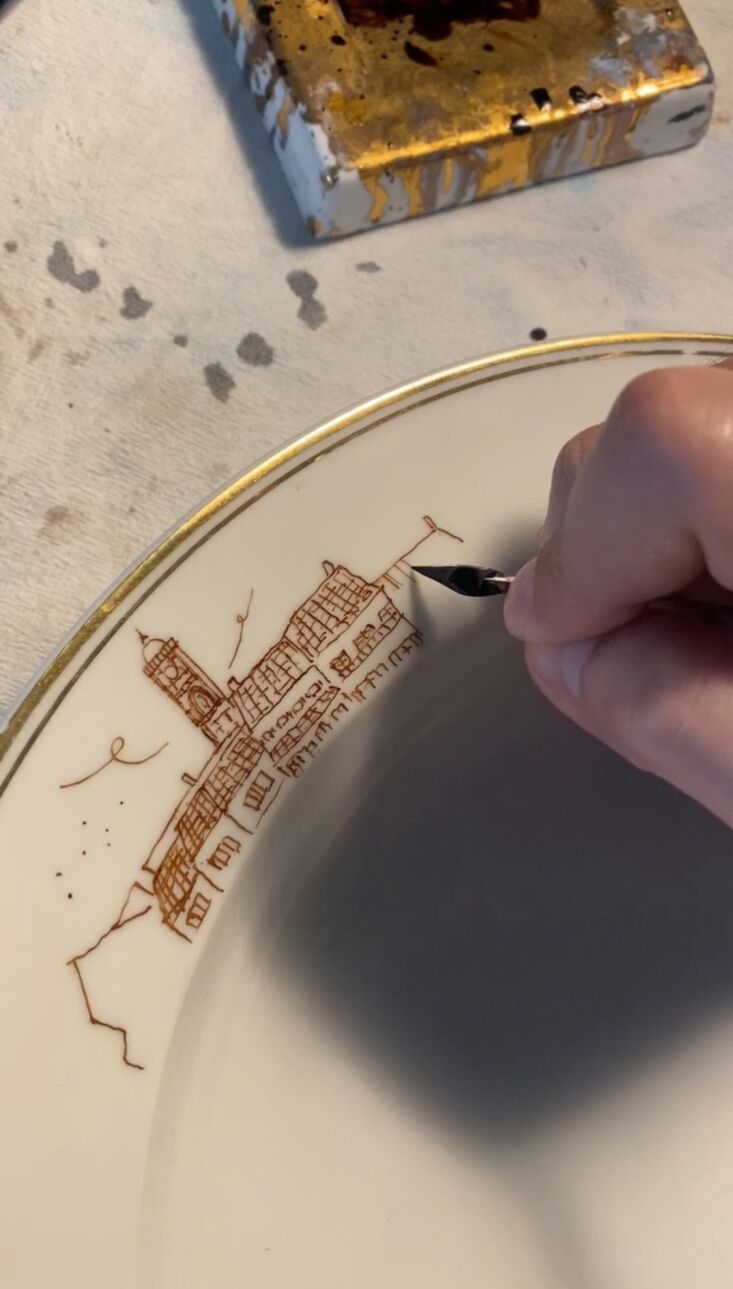
What separates Bazar d’Alger from hobbyist upcycling is the technical rigor. The "secret sauce" is a specialized mixture of gold glaze and resin. Unlike traditional thick enamels, this glaze is applied with an artist’s dip pen, allowing for hairline precision.
The sensory experience of a Bazar d’Alger piece is unique. The glaze has virtually "no thickness," meaning you cannot feel the gold motif under your finger. It becomes one with the porcelain’s original glaze.
Durability and Safety Specs
For the modern homeowner, "vintage" often equates to "fragile." Arnold has worked to eliminate that friction.
- Food Safety: Every upcycled piece is 100% food-safe.
- The Firing Process: After decoration, the pieces are fired in a high-temperature kiln at the 10ème atelier. This fuses the new gold decoration to the old porcelain.
- Maintenance: Contrary to what you might expect of 100-year-old gold-leafed china, these pieces are dishwasher-safe. However, Arnold recommends using "eco" or "china" cycles to preserve the luster of the gold over several more decades.
From Soup Bowls to Tile Murals: Product Range and Pricing
The versatility of Arnold’s technique allows him to move seamlessly between delicate patterns and bold, graphic statements. His signature motifs—Stardust, Little Heart, and Palmito—are often applied over existing floral patterns, creating a layered, collage-like effect that feels incredibly fresh.
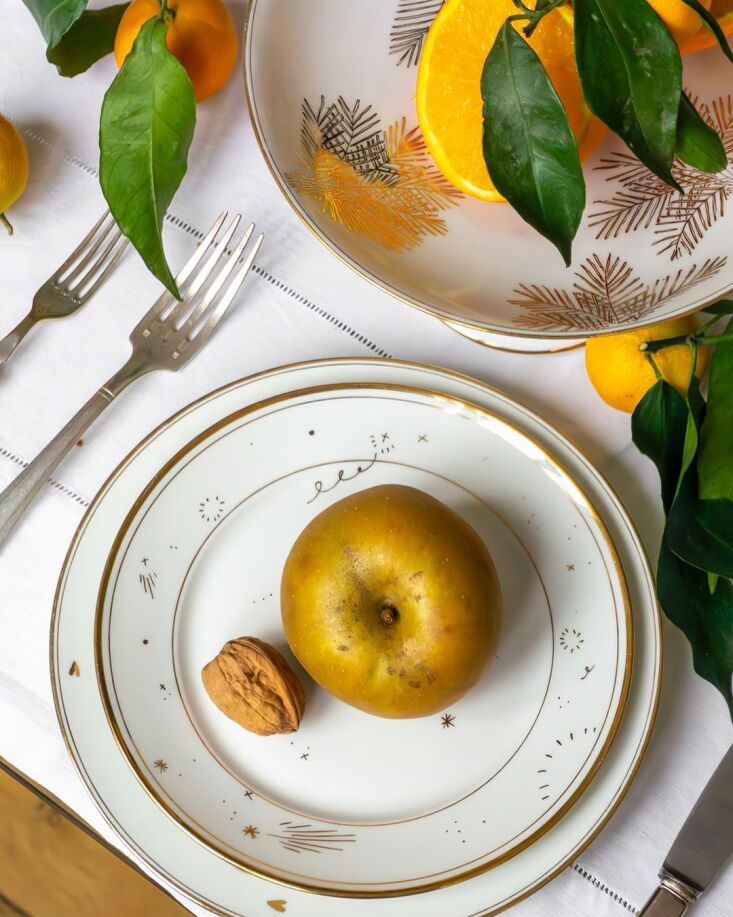
Pricing and Personalization
The democratization of art is a key component of the brand. Pricing is structured to allow for both "entry-level" collectors and high-end interior commissions.
| Product Type | Description | Price Range |
|---|---|---|
| Basic Wares | Simple soup bowls or side plates with cursive lettering. | From €25 |
| Signature Plates | Dinner plates featuring the "Stardust" or "Palmito" motifs. | €65 - €120 |
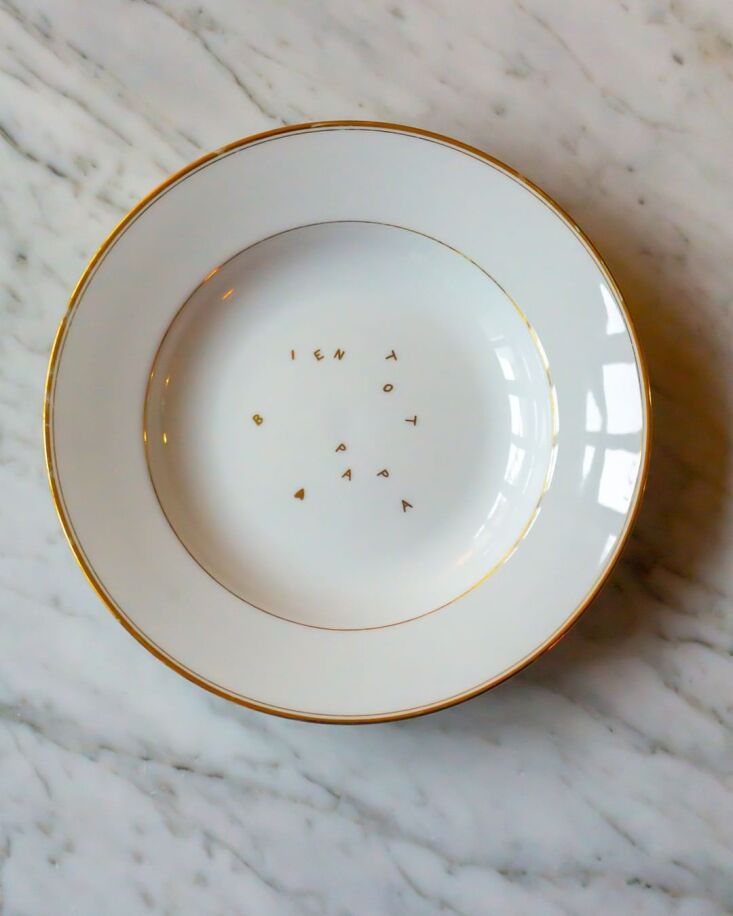
| Alphabet Bowls | Personalized inscriptions, often using antique French script. | €45 - €85 |
| Premium Sets | Hand-decorated coffee sets or multi-piece dinner services. | €250 - €350+ |
| Custom Murals | Zellige tiles or large-scale bathroom porcelain commissions. | Upon Request |
One of the most popular offerings is the Alphabet Bowl. These pieces tap into a deep sense of nostalgia, reminiscent of childhood breakfasts, but elevated with the luxury of hand-applied gold.
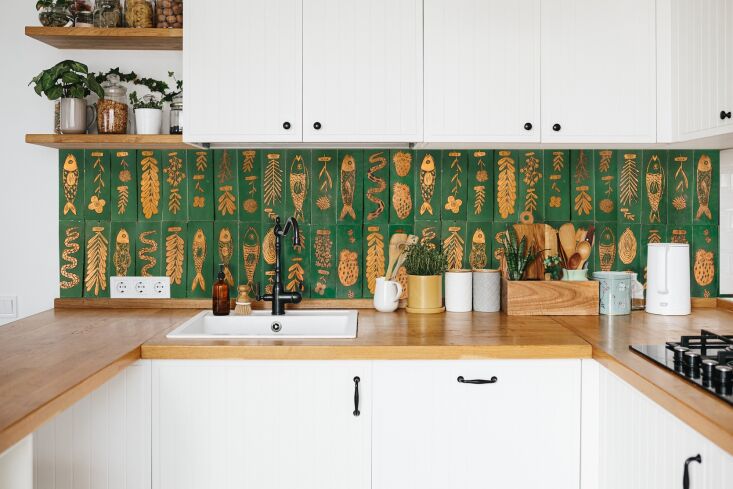
Beyond the table, Bazar d’Alger has expanded into architectural elements. Arnold has begun applying his signature gold and black glazes to zellige tiles, creating custom murals for bathrooms and kitchens. These installations prove that upcycled porcelain can be a structural, permanent part of a modern home’s interior design.
Collectibility in 2026: Why Upcycled Porcelain is the Future
As we look toward 2026, the interior design market is shifting away from the sterile, mass-produced minimalism of the previous decade. There is a growing hunger for "Studio Pottery" and objects with a narrative. Bazar d’Alger sits perfectly at the intersection of three major trends:
- Hyper-Sustainability: Extending the life of an existing object is far more eco-friendly than producing new "recycled" ceramics, which still require massive energy for raw material extraction.
- Nostalgia-Core: As the digital world becomes more ephemeral, homeowners are seeking tactile connections to the past. The "grandmother’s dishes" aesthetic provides emotional grounding.
- The "Slow Decor" Movement: Investing in one €80 plate that carries 100 years of history is becoming more desirable than buying a 12-piece set from a big-box retailer.
Unique, hand-decorated pieces like Arnold’s are rising in value precisely because they cannot be replicated by a machine. Each "Stardust" plate is slightly different based on the original porcelain’s curvature and the hand-applied pressure of the pen.
Experience the Art: Workshops and Custom Commissions
For those visiting Paris, the 10ème arrondissement atelier offers more than just a retail space. Arnold hosts hands-on workshops where participants can learn the art of upcycling for themselves.
"Using the dip pen is a lesson in patience," Arnold explains. "It is a capricious tool, but once you master the flow of the gold, it is incredibly meditative."
In these sessions, participants can bring their own heirlooms—perhaps a plate from a deceased relative—and learn to give it a modern "tattoo." It is a beautiful way to process grief or celebrate family history through art.
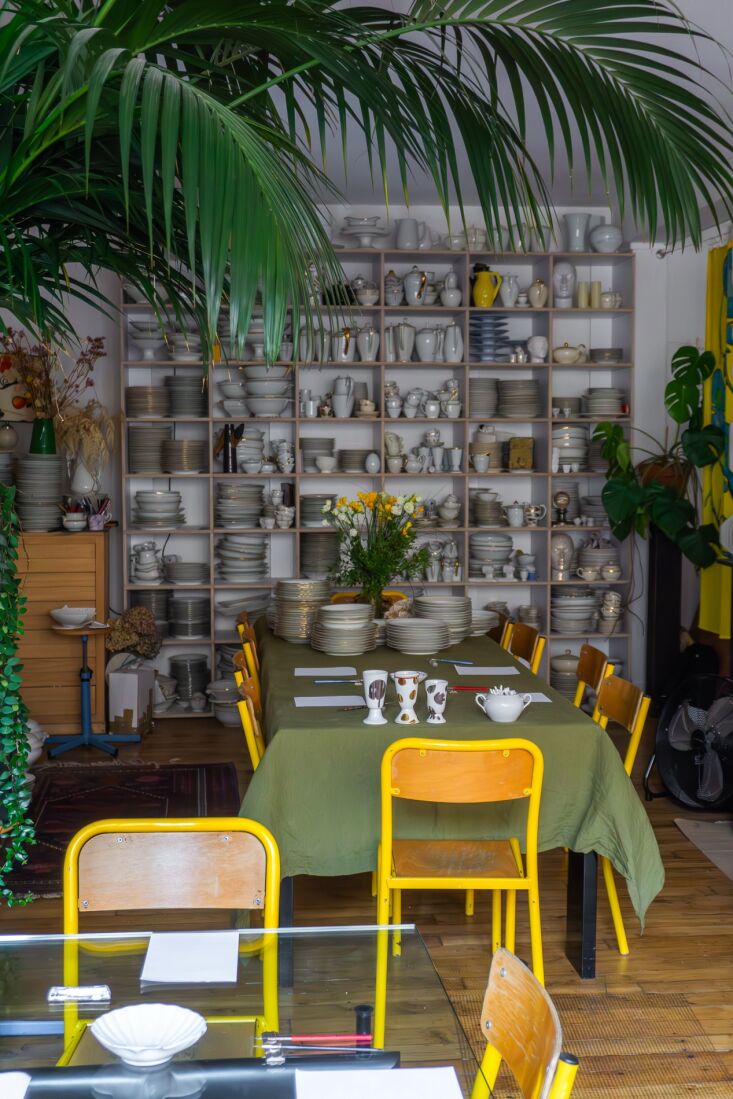
Additionally, the studio accepts custom commissions. If you have a specific vision for a wedding gift or a full dinner service for a boutique hotel, Arnold works closely with clients to select the base porcelain and design a motif that complements the space’s color palette.
FAQ
Q: Can I actually eat off these plates, or are they just for display? A: They are absolutely meant to be used. Because they are fired in a kiln after the gold is applied, the decoration is durable and food-safe. Arnold’s mission is to get these dishes "back to the table," not just hanging on a wall.
Q: Are the workshops beginner-friendly? A: Yes. Arnold guides participants through the use of the dip pen and the application of the resin-gold mixture. No prior ceramic experience is necessary, though a steady hand and a bit of patience are helpful!
Q: How do I know if my own vintage dishes are suitable for this process? A: Most porcelain is suitable, provided it doesn't have deep structural cracks that would worsen in the kiln. During a custom commission or workshop, Arnold will inspect the pieces to ensure they can withstand the firing process.
Bring the Paris Atelier Home
Whether you are looking for a singular statement piece to break up a modern dinner set or want to commission a full mural for your next renovation, Bazar d’Alger offers a masterclass in how we should treat our past: with respect, creativity, and a healthy dose of gold.