For decades, the construction industry has been the "last frontier" for automation. While the automotive and electronics sectors embraced robotics and precision manufacturing years ago, our homes are still largely built the same way they were in the 19th century: piece by piece, brick by brick, by hand. But the horizon is shifting. As an editor focused on sustainable living, I’ve watched many "green" trends come and go, but digital fabrication is different. It isn’t just a new way to build; it is a fundamental reimagining of what a home can be—and how little impact it can have on our planet.
3D printing accelerates construction by automating the structural build; advanced systems can print a 2,000-square-foot home shell in just 7 days, significantly reducing labor and timelines. Beyond speed, digital fabrication improves sustainability by using additive manufacturing to minimize material waste, utilizing local concrete to reduce transport emissions, and enabling circular designs like removable screw foundations. Furthermore, 3D-printed homes offer superior durability compared to many traditional methods, with some proprietary concrete mixes engineered to withstand 200 mph winds and provide a three-hour fire rating.
The Speed of Innovation: Printing a Home in Days, Not Months
The most immediate disruption 3D printing brings to the job site is the compression of time. In traditional construction, the framing and structural phase of a home can take months, often delayed by labor shortages or weather. Digital fabrication bypasses these hurdles.
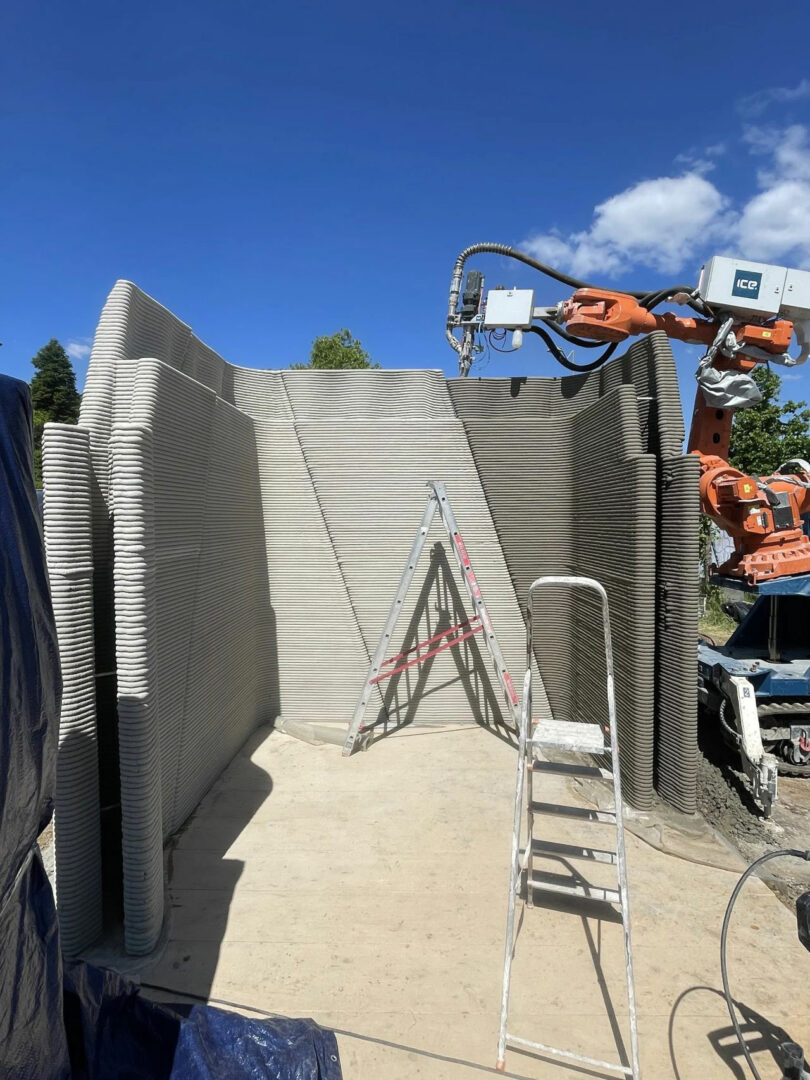
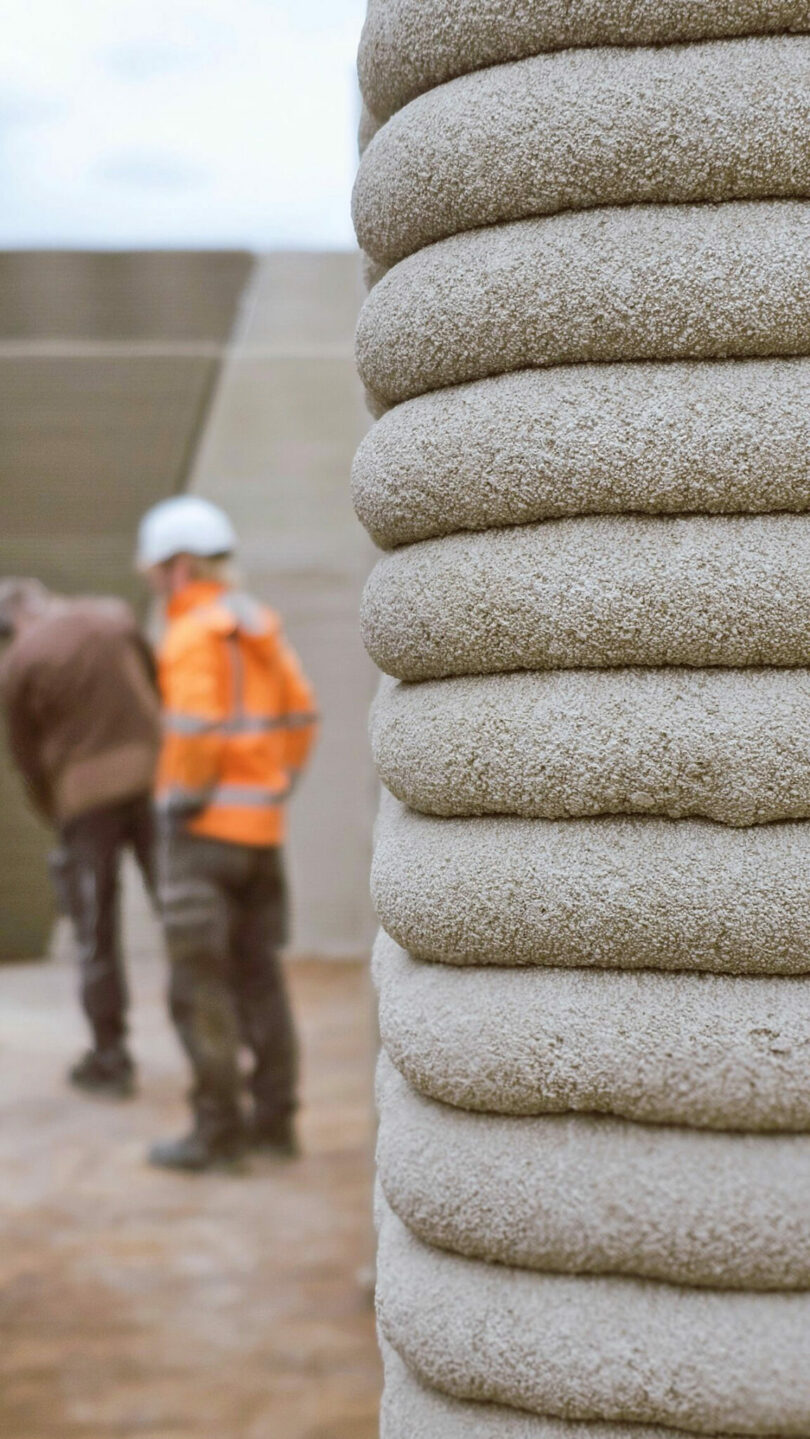
Take, for instance, ICON’s Vulcan printer. This advanced robotic system operates with millimeter precision, layering a proprietary cementitious material into beautiful, striated walls. The Vulcan can complete the structural printing of a 2,000-square-foot home in 7 days. By the time a traditional crew would have finished the foundation, a 3D printer has already erected the entire thermal envelope.
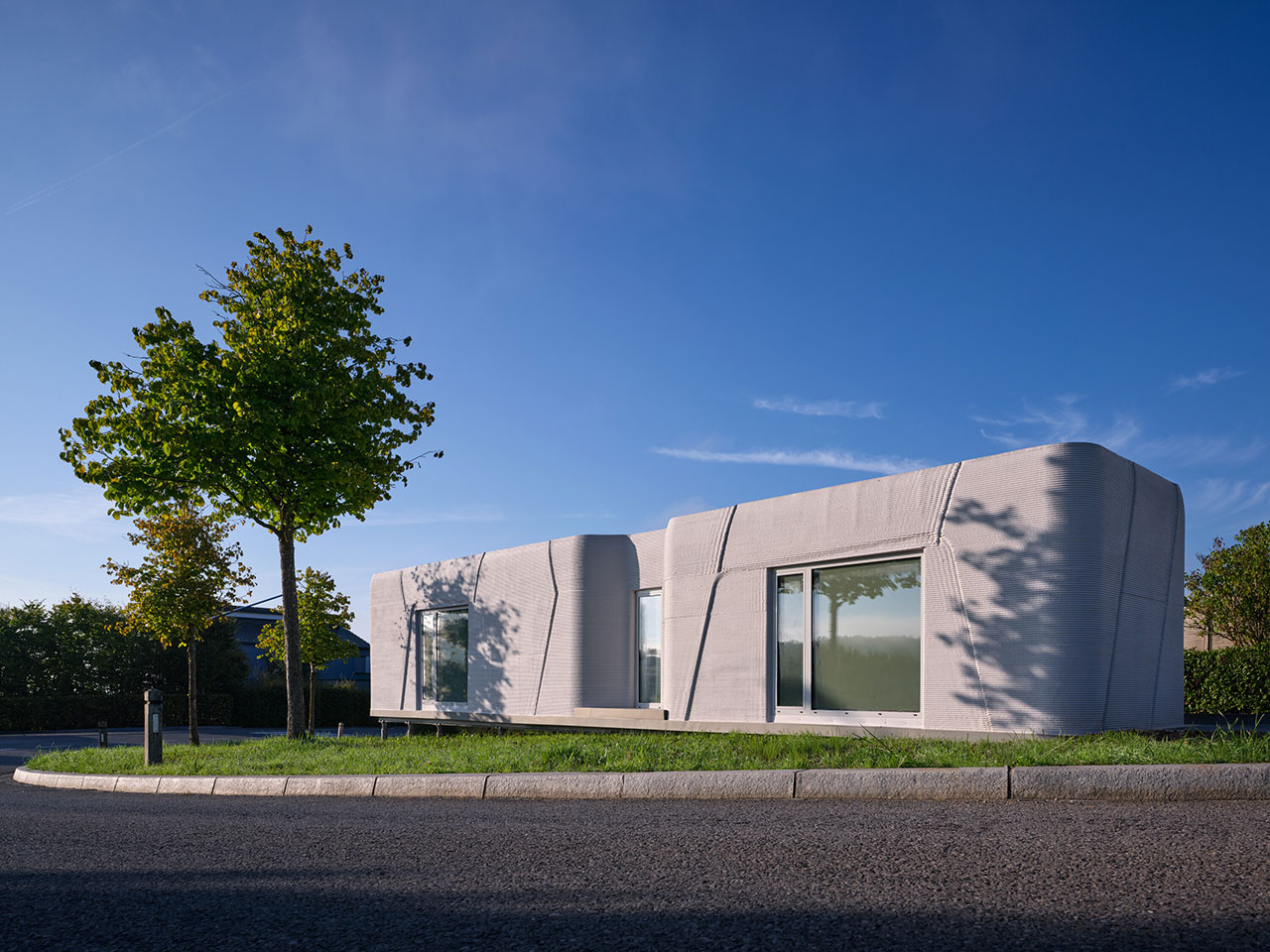
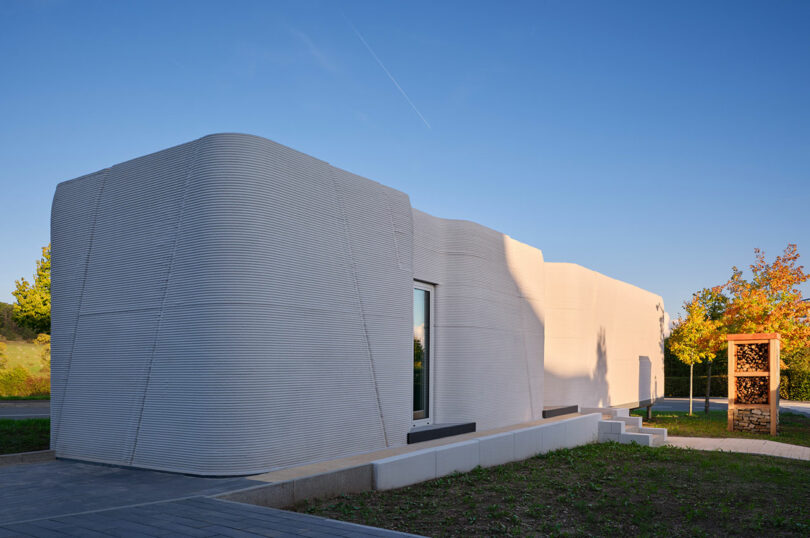
This isn't just a feat for large-scale developments. In Europe, the Tiny House LUX project in Luxembourg demonstrated that 3D printing can reduce total construction time to just 4 weeks for a 506-square-foot permanent dwelling. For a renter or a first-time buyer looking for an eco-friendly, affordable entry into the market, this speed translates directly into lower overhead and faster occupancy.
Sustainability and Circular Design: Building Greener
From my perspective as a sustainable living advocate, the environmental "math" of 3D printing is its most compelling feature. Traditional construction is notoriously wasteful; typically, 25% to 30% of materials delivered to a site end up in a landfill. Digital fabrication is inherently "additive." The printer only deposits exactly what is needed for the structural integrity of the design, virtually eliminating site waste.
Lucas’s Eco-Tip: The real sustainability win in 3D printing is "Local Batching." Instead of shipping heavy, pre-mixed bags of concrete halfway across the country—creating a massive carbon footprint—modern printers use local aggregates and water, drastically reducing transport emissions.
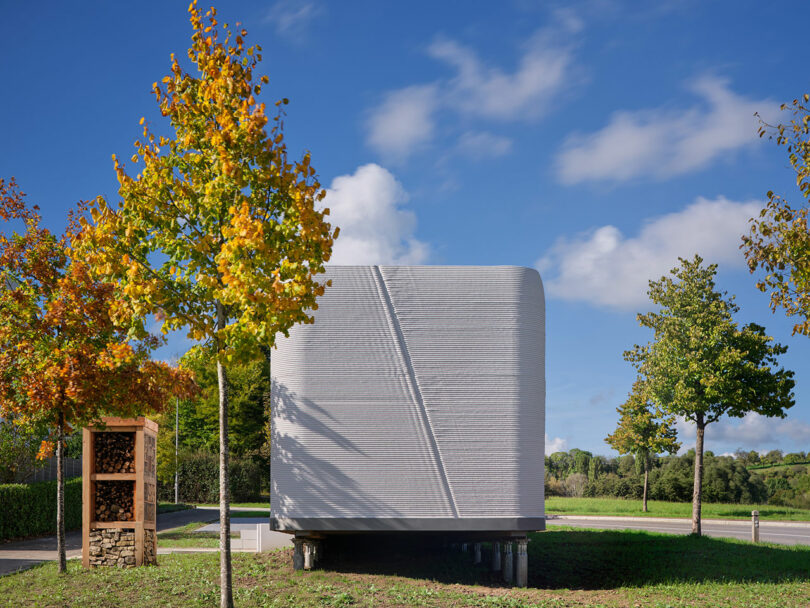
Beyond the material itself, the design philosophy is shifting toward "Circular Construction." In projects like the LUX house, architects are experimenting with removable screw foundations rather than permanent concrete slabs. This means that at the end of the building’s life cycle, the entire structure can be disassembled or recycled with minimal impact on the local ecosystem. We are moving away from synthetic, toxic adhesives and toward mineral-based insulation and reinforcements that are safer for both the occupant and the Earth.
Strength in the Layers: Durability and Performance
A common misconception is that 3D-printed homes are "temporary" or "fragile." In reality, the engineering behind these structures often surpasses traditional timber-frame or even standard masonry homes.
The secret lies in the material science. ICON’s proprietary mix, known as Carbon X, is engineered for resilience. These printed structures have been tested to withstand 200 mph winds—equivalent to a Category 5 hurricane—and boast a three-hour fire rating. Because the walls are often double-layered with an insulating infill, they create a massive thermal barrier. This minimizes "thermal bridging," the phenomenon where heat escapes through wall studs, leading to significantly lower energy bills for the homeowner.
Comparison: Traditional vs. 3D Printed Construction
| Category | Traditional Stick-Frame | 3D Printed Architecture |
|---|---|---|
| Construction Time (Shell) | 3 - 6 Months | 7 - 10 Days |
| Material Waste | High (Approx. 25-30%) | Negligible (Under 5%) |
| Resilience | Standard (Vulnerable to fire/rot) | High (200 mph wind, 3hr fire rating) |
| Design Flexibility | Limited by 90-degree angles | Infinite (Curves, organics) |
| Labor Needs | Large, multi-trade crews | 2-3 Robotic operators |
The Technology Stack: From Robotic Arms to Powder Beds
To understand the future of architecture, we must look at the tools. Digital fabrication isn't a monolith; it’s a suite of technologies working in tandem.
- Extrusion-Based Systems (FDM): This is the most common for onsite home building. A robotic arm or gantry system extrudes a concrete paste through a nozzle, building the house layer by layer.
- Powder-Bed Fabrication (SLS/DMLS): Usually done offsite, this involves using lasers to fuse thin layers of sand or metal powder. This is used for complex architectural components like custom joinery or high-efficiency heat exchangers.
- The BIM Connection: None of this is possible without Building Information Modeling (BIM). Software like Revit or ArchiCAD creates a digital twin of the home. These files are converted into "toolpaths" for the robot, ensuring that every centimeter of the build matches the architect's exact intent.
Architectural Freedom: Breaking the Rectilinear Mold
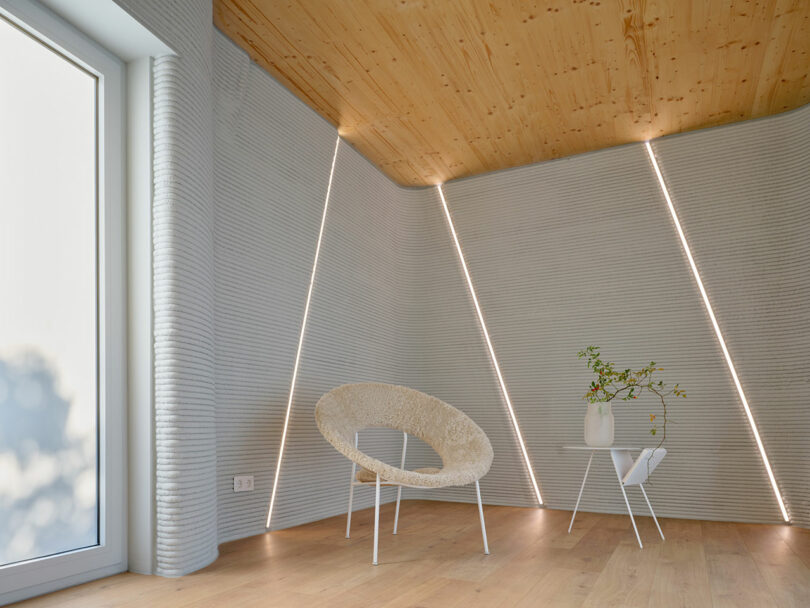
For over a century, architecture has been dominated by the "straight line" because it was the cheapest way to build. Cutting wood or laying bricks in a curve is labor-intensive and expensive. In the world of digital fabrication, the printer doesn't care if it's moving in a straight line or a complex organic curve.
This "Architectural Freedom" allows for functional integration that was previously impossible. Architects can now print shower niches, shelving, and even toilet cavities directly into the structural walls. Complex geometries aren't just for aesthetics; they can be used to optimize airflow and natural lighting. Furthermore, 3D printing is the perfect solution for "infilling" the forgotten gaps in our cities—narrow, irregular urban plots that are too small or oddly shaped for traditional construction equipment.
Future Horizons: Multi-Story Buildings and Lunar Launchpads
As we look toward the next decade, the technology is scaling up—and out. Next-generation printers like the Titan are reaching heights of 27 feet, allowing for multi-story residential and commercial use. This is crucial for solving the urban density crisis while maintaining high sustainability standards.
But the most ambitious application of digital fabrication isn't on Earth. Organizations like NASA are currently investigating how to apply these robotic systems to build roads, landing pads, and habitats on the moon using lunar regolith (moon dust). The logic is the same: use local materials, minimize waste, and automate the labor.
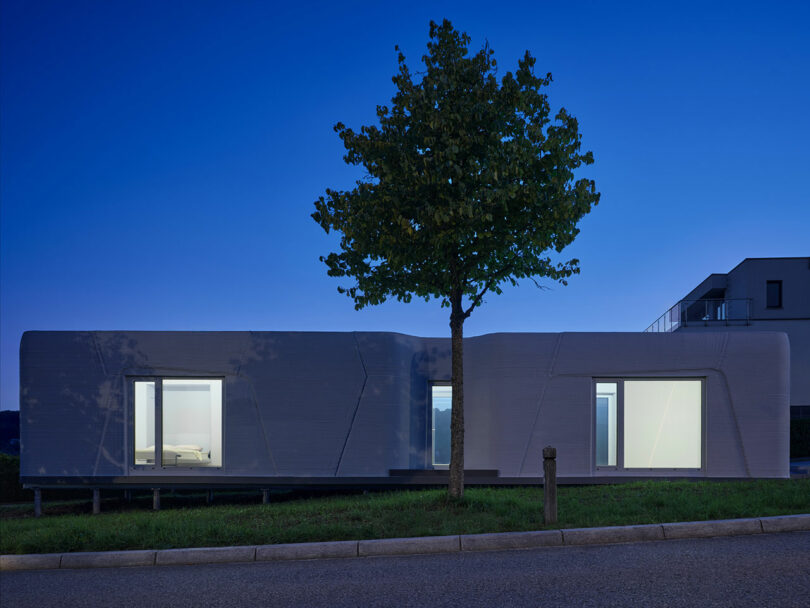
Whether it’s a tiny house in Luxembourg or a lunar base, the message is clear: the future of housing isn't just about shelter; it's about intelligent, efficient, and resilient manufacturing. For those of us looking to save on costs and live more sustainably, the transition from blueprints to digital code can't come soon enough.
FAQ
Are 3D-printed homes more expensive than traditional homes? Currently, the cost is comparable to mid-range traditional builds, but the savings come from reduced labor and zero material waste. As the technology scales and more contractors adopt these printers, the cost per square foot is expected to drop significantly below traditional framing.
How do you insulate a 3D-printed concrete wall? Most 3D-printed walls use a "double-skin" design. The printer leaves a gap between the inner and outer concrete layers, which is later filled with sustainable insulation like mineral wool or expanded foam. This creates an incredibly efficient thermal envelope with no air leaks.
Can I design my own 3D-printed home? Yes, but it requires working with an architect proficient in BIM (Building Information Modeling). The printer follows a digital script, so the design must be technically validated for structural loads and "printability" (ensuring no unsupported overhangs) before the build begins.