In the landscape of 2026, the restaurant industry is grappling with a dual-pressure cooker: food costs have surged by 38% and labor expenses have climbed by 35%. For hospitality entrepreneurs, the traditional multi-million dollar "gut renovation" has become a relic of a more stable era. Today, the most successful spaces aren't those with the deepest pockets, but those with the smartest editors.
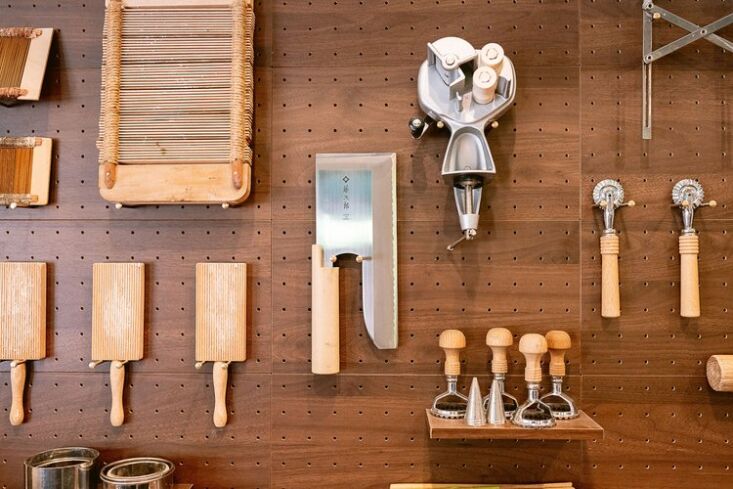
When architect Gavin Knowles took on the task of redesigning the Flour + Water Pasta Shop, he faced a classic modern dilemma: how to create a high-end, atmospheric experience without the high-end price tag. His solution was a masterclass in "utilitarian decor," a design philosophy that prioritizes intentionality over excess. By elevating the functional tools of the trade—pasta cutters, rolling pins, and brass scales—into a curated gallery, Knowles proved that a restaurant can redesign on a budget by focusing on high-impact changes like lighting and paint while turning the "process" of the business into its primary aesthetic.
The Gavin Knowles Strategy: Utilitarian Decor as a Focal Point
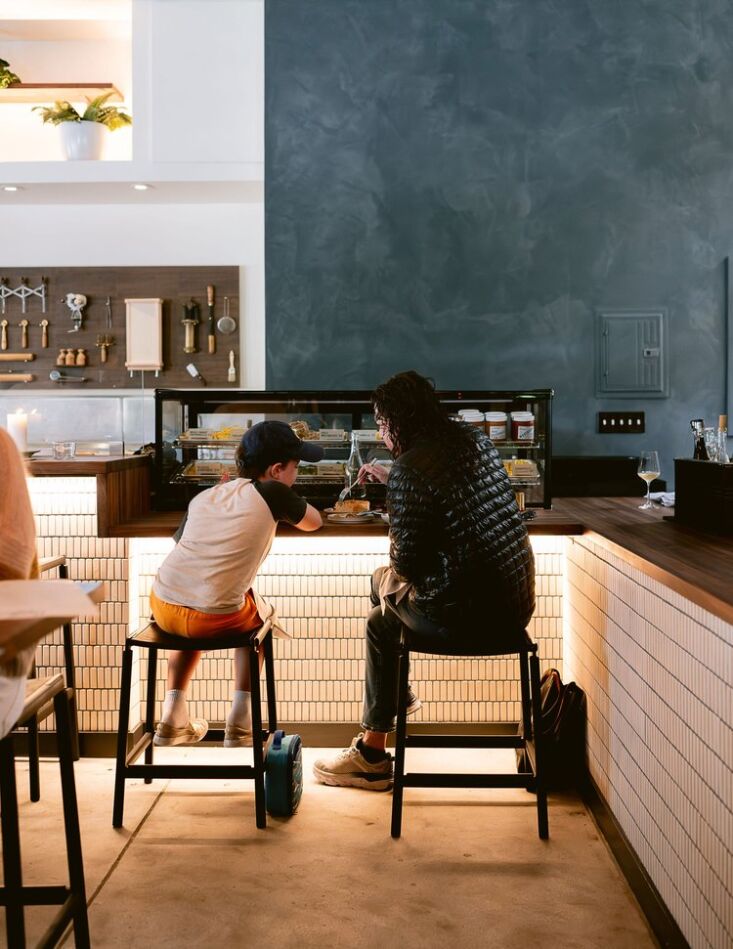
At the heart of the Flour + Water redesign is the concept of "Process on Display." In traditional luxury dining, the "back of house" is hidden away. Knowles flipped this script, recognizing that the most beautiful thing about a pasta shop isn't a piece of expensive art—it’s the pasta itself.
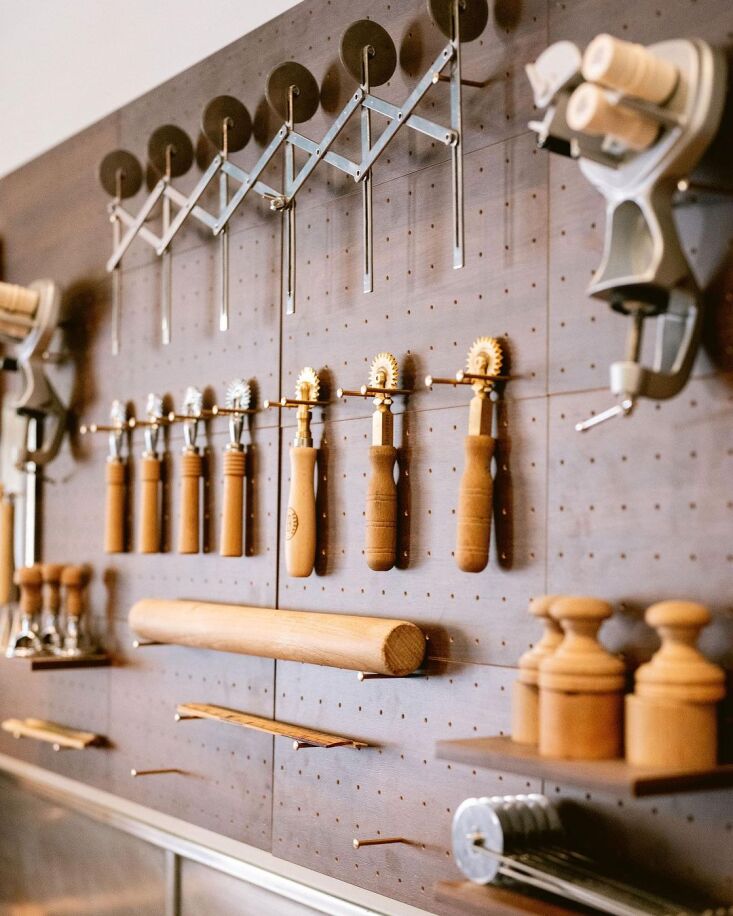
The design utilizes simple pegboards and brass nails to showcase active kitchen tools. This isn't just a storage solution; it's a rhythmic, tactile installation. By repeating simple shapes—the circles of colanders, the vertical lines of rolling pins—Knowles created a sophisticated visual language at nearly zero additional decor cost.
Pro Tip: In a budget renovation, don't buy "art." Instead, buy the highest-quality versions of your functional tools and display them with museum-like precision. This creates an authentic connection between the guest and the craft.
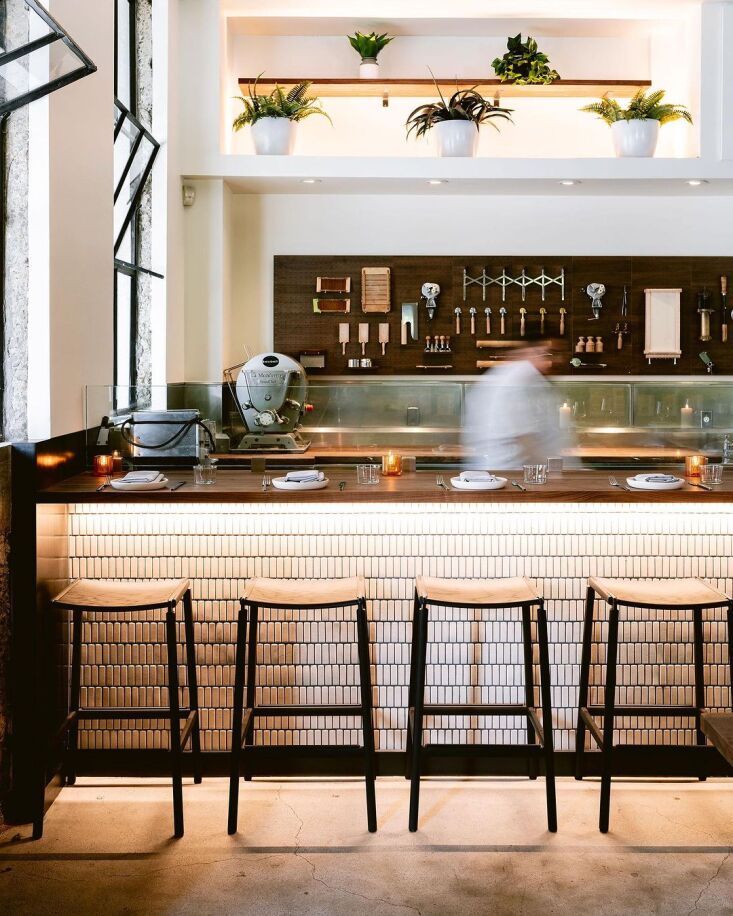
By positioning the pasta-making station as a "stage," the design leverages the staff’s daily movements as a form of dynamic entertainment. This reduces the need for expensive architectural features because the human element provides the energy and the focal point.
Strategic Value Engineering: The 80/20 Rule
In my years as a decor editor, I’ve seen the most beautiful rooms built on the Pareto Principle: 20% of your environment drives 80% of guest perception. Knowles applied this "Value Engineering" by identifying the touchpoints where guests actually feel the quality.
The Budget Allocation Hierarchy
For a low-cost restaurant renovation, your capital should be distributed to maximize atmospheric ROI:
- Lighting (20%): This is the single most transformative element. You can have cheap walls, but if the lighting is warm and layered, the space feels expensive.
- Paint & Wall Finishes (15%): Using "Color Drenching"—painting walls, ceilings, and trim in the same monochromatic hue—hides architectural flaws and creates a moody, high-end cocoon.
- Flooring (20%): Moving away from expensive hardwood to high-traffic Luxury Vinyl Tile (LVT) that mimics oak can save thousands without sacrificing the "feel" underfoot.
- Touchpoints (25%): Spend on things guests touch: the menus, the heavy silverware, and the table surfaces.
- Operational Efficiency (20%): Invest in layout changes that reduce staff foot traffic.
| Renovation Element | Traditional Spend | Budget-Optimized Alternative | Estimated Savings |
|---|---|---|---|
| Wall Decor | Custom Art / Wallpaper | Utilitarian Pegboards/Tools | 70% |
| Flooring | Refinished Hardwood | Luxury Vinyl Tile (LVT) | 45% |
| Tabletops | Custom Marble | High-Grade Melamine or Zinc | 60% |
| Lighting | Designer Chandeliers | Strategic Layered Task Lighting | 30% |
Material Innovations for 2026: The High-Low Mix
We are entering an era of "Soft Industrial" and "Warm Minimalism." The goal is to reach luxury tiers using mid-tier materials. In the Flour + Water project, Knowles didn't reach for Italian marble; he reached for repetition and texture.
One of the biggest shifts for 2026 is the Melamine Renaissance. In high-volume pasta shops, the breakage rate for expensive ceramic plates can be a silent profit-killer. High-grade melamine now mimics the weight and texture of stoneware so effectively that guests often can't tell the difference, yet it lasts four times longer and costs half as much.
Similarly, for wall finishes, we are seeing a shift toward Limewash rather than expensive plastering. Limewash is breathable, naturally antimicrobial, and provides a "velvet" texture that makes even a standard drywall surface look like a historic Mediterranean villa.
Operational Design: The 'Labor-Lean' Layout
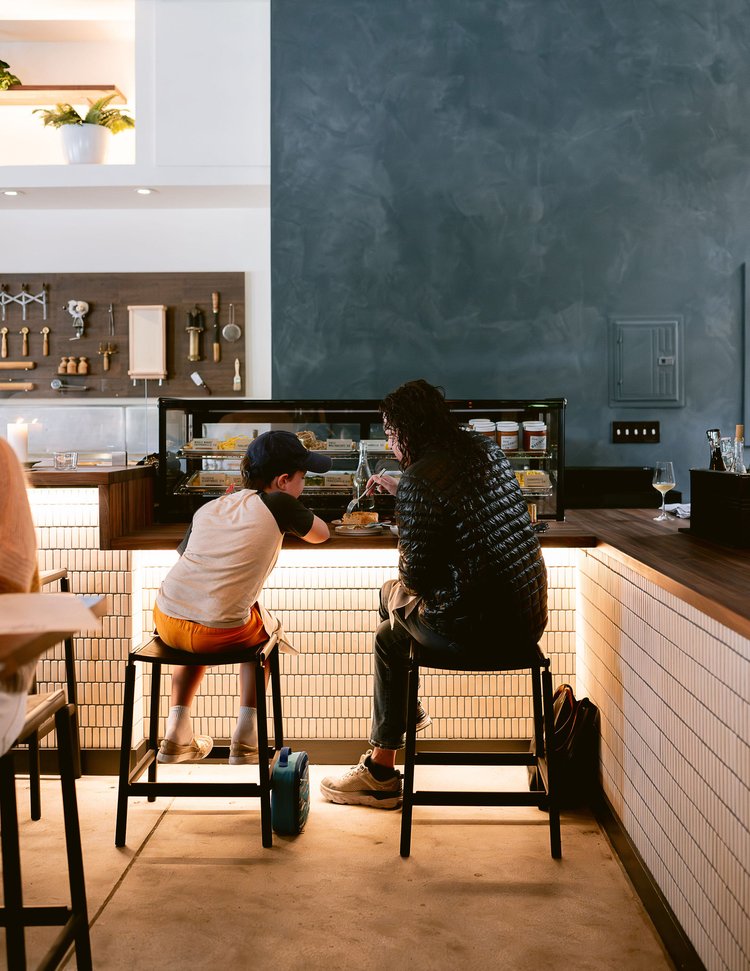
Good design isn't just about how a room looks; it's about how the business works. Knowles’ redesign wasn't just aesthetic; it was an engineering feat. By creating "micro-stations"—compact zones where a staff member has everything they need (water, POS, glassware) within a three-foot radius—the shop eliminated up to 15% of unnecessary foot traffic.
This "Labor-Lean" layout means you can serve the same number of tables with fewer staff members, directly addressing the rising labor costs mentioned earlier. Transparency also plays a role here; the open kitchen allows for better communication between front and back of house, reducing errors and speeding up table turns.
Managing Cash Flow with Micro-Renovations
One of the biggest mistakes restaurant owners make is closing for months to renovate. The loss of cash flow is often more damaging than the cost of the construction itself. Instead, Knowles advocates for micro-renovations.
Micro-renovations are phased design updates that allow a business to remain open. The strategy follows a specific sequence:
- Phase 1 (Overnight): Update the lighting and apply a fresh coat of paint. This provides an immediate "wow" factor for returning customers.
- Phase 2 (Zoned): Swap out furniture section-by-section during slow mornings or mid-week days.
- Phase 3 (Non-Structural): Focus on cosmetic changes that don't require permits. The "Permit Trap" can delay a project by months; focusing on "lipstick and lashes" (paint, light, furniture, decor) allows you to bypass red tape entirely.
Conclusion
The Flour + Water Pasta Shop redesign by Gavin Knowles serves as a blueprint for the future of hospitality. It proves that style is not a correlate of spend. By embracing utilitarian decor, prioritizing lighting over structural changes, and designing for operational efficiency, you can create a space that feels like a destination while keeping your bottom line intact.
The takeaway for any owner in 2026 is simple: don't decorate your space—curate your process. When you treat your craft as your primary decor, you don't just save money; you build a brand that feels fundamentally honest.
FAQ
How can I make my restaurant feel expensive on a tiny budget? Focus on the 80/20 rule. Allocate 20% of your budget to high-quality lighting. Use warm, dimmable layers rather than bright overheads. Paint everything—including the ceiling—a single, sophisticated color (Color Drenching) to create an intentional, designer look for the cost of a few cans of paint.
What is the best way to handle flooring during a quick refresh? Instead of tearing up old floors, look into high-quality LVT (Luxury Vinyl Tile) or SPC (Stone Plastic Composite) flooring. These can often be installed directly over existing surfaces, mimic expensive wood or stone for $3–$7 per square foot, and are incredibly durable for high-traffic environments.
How do micro-renovations help with cash flow? By performing updates in phases—such as changing lighting overnight or updating one seating section at a time—the restaurant never has to close its doors. This maintains your revenue stream and keeps your staff employed throughout the transition.