For years, the phrase "IKEA kitchen" was synonymous with "starter home." But as we move into 2026, that narrative has completely shifted. High-end designers are increasingly using IKEA’s modular systems as the "secret weapon" for luxury renovations. The logic is simple: why spend $50,000 on custom cabinetry when the internal mechanics are nearly identical to a system that costs $5,000?
To achieve a high-end IKEA kitchen on an extreme budget, you need to master the 30/70 rule: you spend 30% of a traditional custom budget to achieve 100% of the look. The core strategy involves three pillars: upgrading to premium door fronts (like BODBYN or third-party options), replacing standard hardware with designer-grade pulls, and integrating bespoke architectural elements like open shelving or continuous countertops. By utilizing IKEA’s internal hardware while opting for DIY external styling, you can achieve a bespoke aesthetic for approximately 30% of the total cost of high-end custom cabinetry.
I. The Foundation: Why the SEKTION System is the Unsung Hero
When I talk to professional installers, they often give the IKEA SEKTION system an 8.5/10 for dimensional accuracy. While some critics point to the 15mm melamine-faced particleboard as "cheap," the reality is that these boxes are engineered to be incredibly stable. In fact, professional installers report that the SEKTION system successfully accommodates over 90% of standard residential kitchen layouts thanks to its modular width configurations ranging from 12 to 36 inches.
The real "cheat code" of an IKEA kitchen isn’t the box itself, but what’s inside it. IKEA’s UTRUSTA hinges and MAXIMERA drawers are manufactured by Blum—the same high-end Austrian company that supplies hardware for luxury custom kitchens costing ten times as much. When you open a drawer and feel that smooth, silent glide, you’re experiencing the exact same "high-end motion" found in a boutique showroom.
Pro Tip: The Suspension Rail Secret Safety first! The SEKTION system relies on a galvanized steel suspension rail. While it makes DIY installation much easier, ensure you are using heavy-duty toggles or hitting studs every 16 inches. A high-end look starts with perfectly level cabinets; if your rail is off by even a fraction of an inch, your "luxury" countertops will crack or gap later.
II. The 'Skin' Upgrade: Beyond the Warehouse Floor
If the SEKTION box is the skeleton, the door fronts are the "skin." This is where you make the transition from budget-friendly to high-end luxury. To keep costs at an absolute minimum, you can choose IKEA’s top-tier internal lines like the AXSTAD (matte finish with recessed panels) or the BODBYN (classic grey or white shaker). These offer a durable, factory-grade finish that looks significantly more expensive than the entry-level lines.
However, the most effective way to achieve a truly custom look is the "Semi-Custom" approach. By pairing SEKTION boxes with third-party doors from brands like Semihandmade or Reform, homeowners typically save 40% to 60% compared to fully custom cabinetry.
| Feature | IKEA Standard (e.g., VEDDINGE) | IKEA Premium (e.g., AXSTAD) | Semi-Custom (SEKTION + 3rd Party) |
|---|---|---|---|
| Material | Foil-wrapped MDF | Painted/Thermofoil MDF | Solid Wood, Walnut, or High-End Laminate |
| Style Options | Limited | Moderate | Nearly Unlimited |
| DIY Effort | Low | Low | Moderate (Ordering separately) |
| Relative Cost | $ | $$ | $$$ |
If you are on an extreme budget, the "Custom Color Hack" is your best friend. Purchase the paintable "DIY" fronts and use a high-quality sprayer to apply designer shades like Farrow & Ball’s "Oval Room Blue" or Sherwin-Williams’ "Universal Khaki." This gives you a boutique color palette that you simply cannot find in a flat-pack warehouse.
III. The Extreme Budget Route: Repurposing and Upcycling
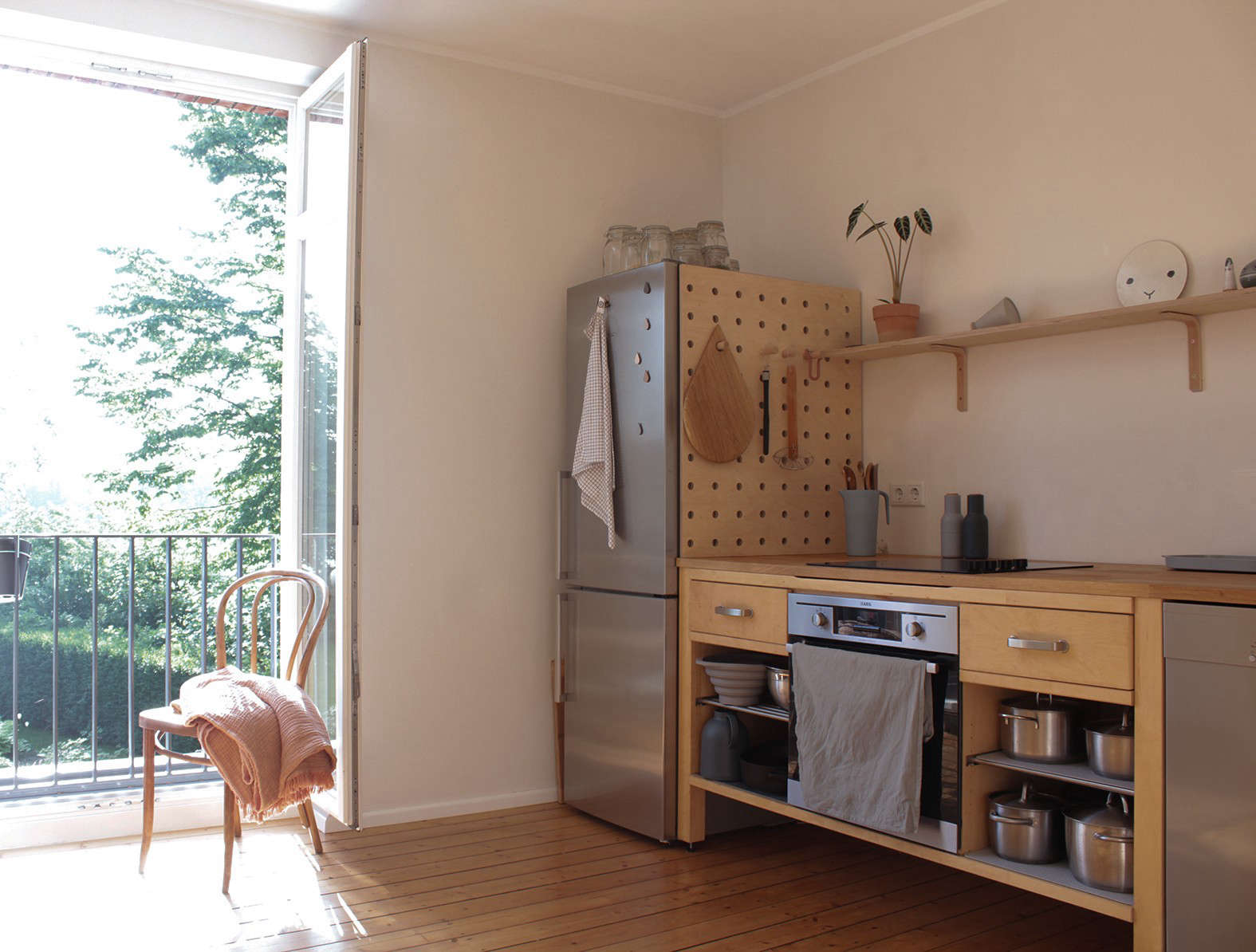
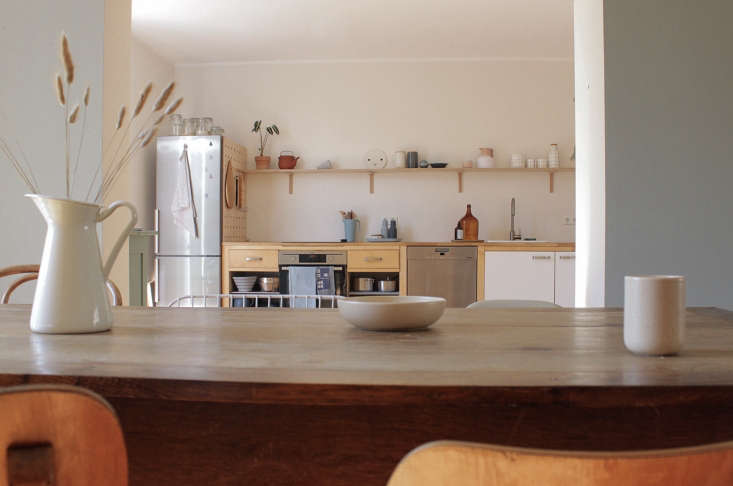
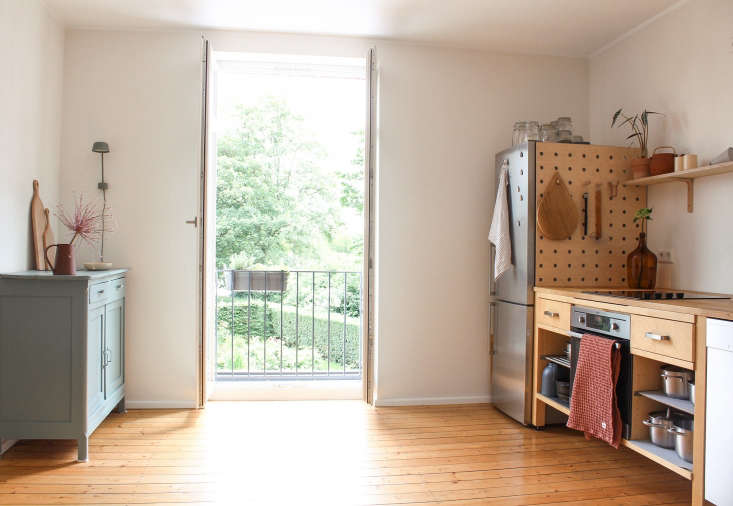
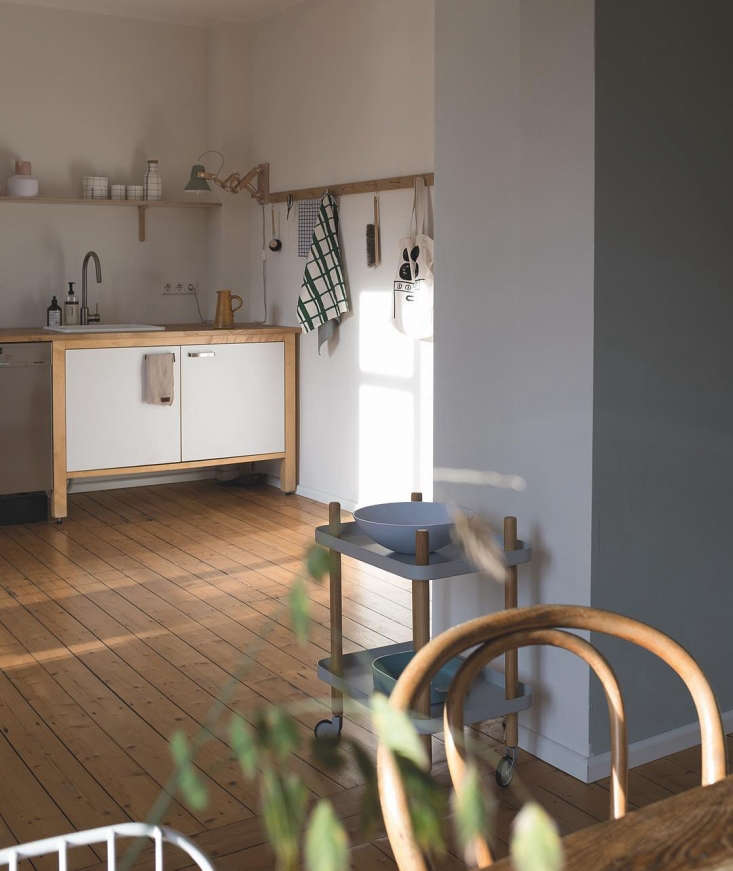
For those working with a near-zero budget, building a kitchen doesn't always mean buying everything new. I’ve seen incredible "bespoke" kitchens created by repurposing older or discontinued IKEA units, such as the legendary Värde system. These freestanding units have a heavy-duty, professional look that fits perfectly into the "Modern Farmhouse" or "Industrial" aesthetic.
To unify disparate pieces—whether they are new SEKTION units or upcycled Värde pieces—you must use a continuous countertop. A long run of butcher block or a single slab of stone bridges the gaps between different units, tricking the eye into seeing one cohesive, custom installation.
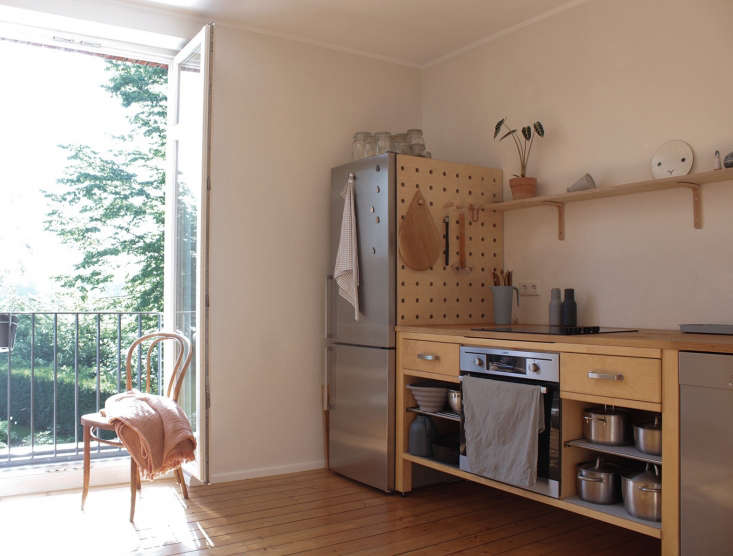
Another extreme budget strategy is the Open Shelving Pivot. Upper cabinets are often the most expensive part of a kitchen order. By replacing them with DIY reclaimed wood shelves or hardware-store bentwood brackets, you not only save thousands of dollars but also create an airy, high-end gallery feel.
IV. The 'Jewelry' of the Kitchen: Hardware and Lighting
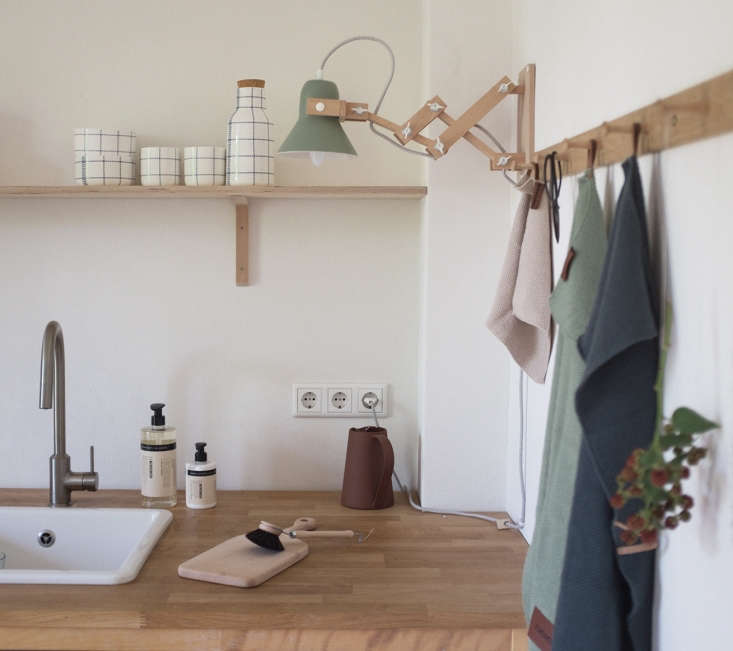
Think of hardware as the jewelry of your kitchen. If you use the standard plastic or aluminum pulls that come with budget sets, the kitchen will look like a budget set. If you swap them for designer brass, matte anthracite, or hand-forged iron pulls, the entire room is elevated.
Hardware is statistically the highest ROI (Return on Investment) upgrade you can make. It’s a tactile experience—your hands touch these handles every single day. Look for heavy, solid-core pulls that have a "heft" to them. This physical sensation of quality reinforces the luxury aesthetic every time you reach for a glass.
Lighting follows a similar logic. To achieve a high-end feel, you need "layered" lighting:
- Task Lighting: Integrated LED strips under the cabinets to illuminate your workspace.
- Accent Lighting: Small puck lights inside glass-fronted cabinets.
- Statement Lighting: A singular, oversized pendant or a unique wall lamp that serves as a focal point.
V. Countertops and Backsplash: High-Impact Materials
You can save on the cabinets, but don't cut corners on the surfaces. This is where the visual "heaviness" of a kitchen resides. If your budget allows for one splurge, let it be the countertop.
Quartz is currently the gold standard for durability, and you can achieve a Calacatta marble look using high-quality "doppelgängers" that resist staining and scratching. If quartz is still out of reach, high-quality butcher block is a fantastic, sustainable alternative. It adds warmth and organic texture that balances the sterile look of melamine cabinets.
For the backsplash, think big or think classic. Large-format porcelain tiles can mimic the look of a solid stone slab for a fraction of the price. If you prefer tile, use a classic subway pattern but elevate it with a contrasting grout or a unique vertical "stack bond" layout.
Pro Tip: The Toe-Kick Secret Most IKEA kitchens use plastic toe-kick covers that clip onto the legs. For a high-end look, ditch the plastic. Buy a length of 1x4 lumber, paint it to match your cabinets exactly, and nail it directly to the cabinet bases. This "built-in" look eliminates the gaps and gives your kitchen the appearance of permanent, custom furniture.
VI. Professional vs. DIY: Where to Save and Where to Spend
The "Extreme Budget" path requires sweat equity, but you must know when to call in the pros. I always recommend a 20% contingency rule: set aside 20% of your budget for the things you can't see, like unexpected plumbing shifts or electrical upgrades to accommodate new appliances.
While the SEKTION system is DIY-friendly, paying for a professional installer to hang the suspension rail and level the base cabinets is often worth the investment. If the foundation is off by even 1/8th of an inch, your high-end quartz countertop might not sit flush, leading to costly mistakes.
Ultimately, a luxury IKEA kitchen isn't about how much you spend; it's about the precision of the details. By focusing your budget on the "touch points"—the fronts, the handles, and the counters—and relying on IKEA's world-class engineering for the "bones," you can create a space that rivals the most expensive custom designs in the world.
FAQ
Can I really install an IKEA kitchen myself? Yes, but it requires patience. The SEKTION system is modular, but the assembly of 20+ cabinets can be time-consuming. I recommend using a laser level for the suspension rail—it’s the single most important step for a professional finish.
Will third-party doors void my IKEA warranty? IKEA’s 25-year warranty typically covers the SEKTION cabinet boxes and the UTRUSTA/MAXIMERA hardware. Replacing the doors with third-party options usually only voids the warranty on the doors themselves, not the entire system. Always check the latest IKEA warranty documentation to be sure.
How do I make my IKEA kitchen look integrated? The secret is in the "filler" panels. Use matching gable panels to cover the sides of the cabinets and ensure your crown molding or trim goes all the way to the ceiling. This "floor-to-ceiling" look is a hallmark of high-end custom cabinetry.