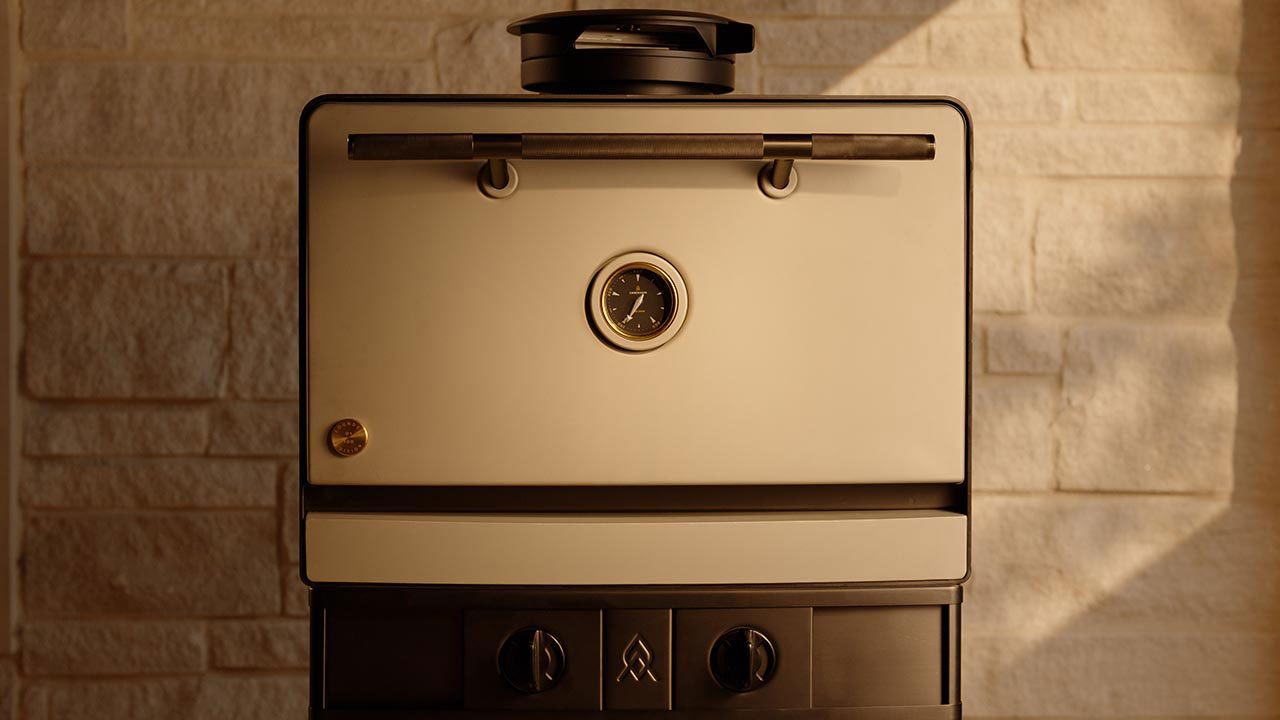
Nothing ruins a high-end kitchen aesthetic faster than the morning sun hitting a refrigerator door covered in greasy fingerprints and cloudy streaks. We’ve all been there: you spend twenty minutes scrubbing with a damp cloth, only to step back and realize you’ve just moved the grime around, leaving behind a hazy film that looks worse than when you started. In 2026, stainless steel remains the "deliberate design choice" for modern homes, but maintaining that showroom floor luster requires more than just elbow grease—it requires the right chemistry and a bit of professional technique.
To achieve a streak-free finish on stainless steel instantly, the gold standard is to apply a specialized 3-in-1 cleaner and wipe in the direction of the metal grain using a clean, high-gsm microfiber cloth. While DIY solutions have their place, premium 3-in-1 formulas are engineered to clean, polish, and—most importantly—protect the surface by adding a microscopic barrier that repels future dirt and oils.
The Stainless Steel Struggle: Why Your Fridge Looks Smudgy
Stainless steel is an alloy of iron and chromium. While the chromium provides that beautiful, corrosion-resistant "stainless" quality, it is also highly reactive to the oils found in human skin. When you touch your oven or fridge, the amino acids and lipids in your fingerprints chemically bond with the surface's oxide layer. This isn't just "dirt" sitting on top; it’s a smudge that refracts light differently than the surrounding metal.
As we move through 2026, kitchen trends have shifted. Stainless steel is no longer the default "safe" option for builders; it is a premium statement piece. Whether you have the classic brushed look or the increasingly popular black stainless steel, these surfaces act as a canvas for your kitchen’s lighting. When they are clean, they amplify space; when they are smudged, they make even the most expensive kitchen look neglected.
The Instant Secret to a Streak-Free Finish
The most common mistake I see homeowners make is using a "circular" motion or scrubbing against the grain. Stainless steel is not a perfectly flat surface; it has a "grain" similar to wood—a series of microscopic directional lines from the manufacturing process.
The secret to an instant, professional-grade shine is the Two-Cloth Technique:
- Application: Spray your specialized 3-in-1 cleaner onto a clean microfiber cloth rather than directly onto the appliance. This prevents "run marks" and overspray on your floors.
- Directional Wipe: Wipe the cloth firmly in the direction of the grain. If the lines run horizontally, wipe left to right.
- The Buff: Use a second, completely dry microfiber cloth to buff the surface in the same direction. This removes any excess product and reveals the "mirror-like" shine.
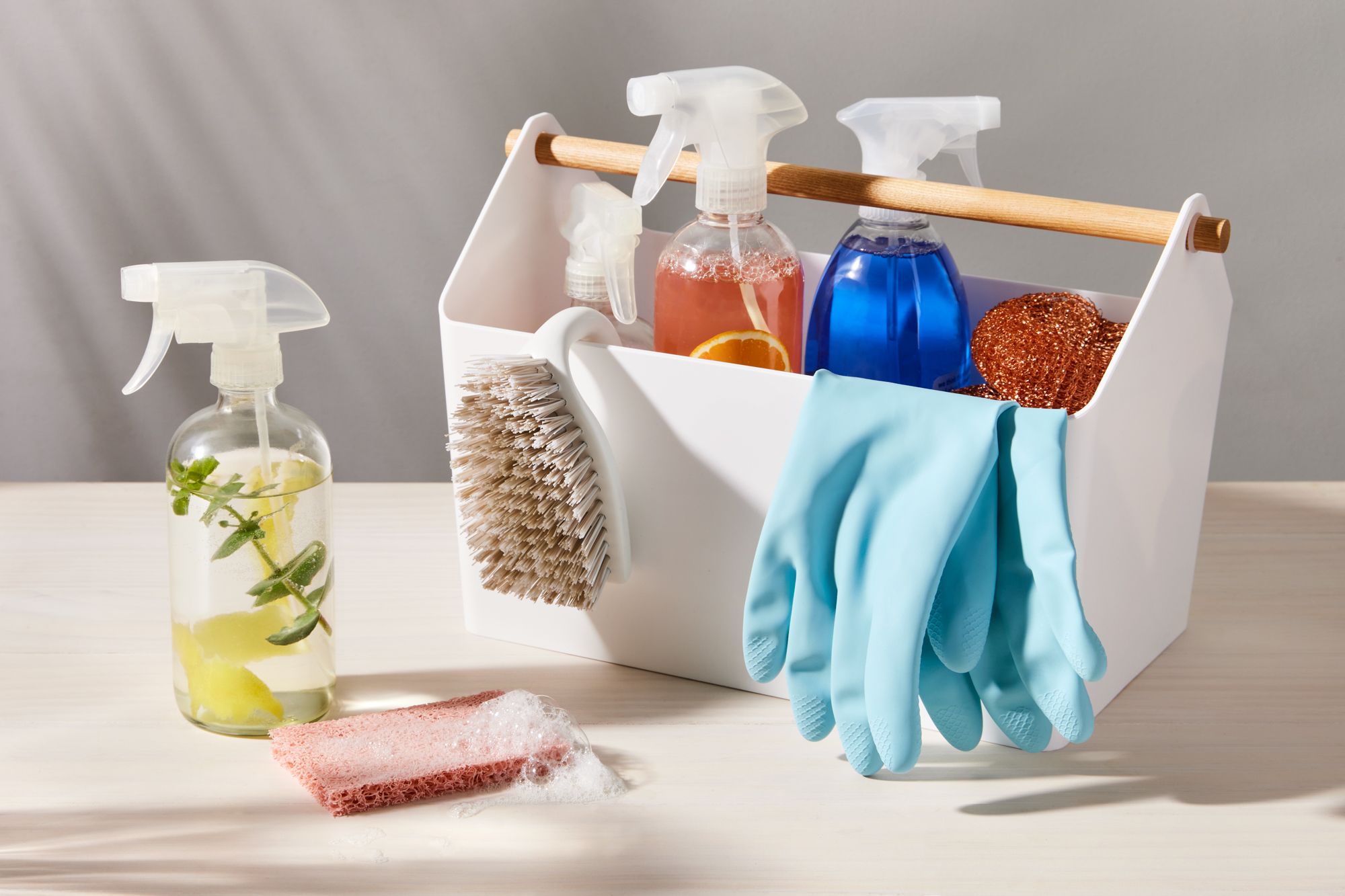
Pro-Tip: Finding the Grain If you aren't sure which way your metal grain runs, find a corner of the appliance and look closely under a bright light. If you still can't tell, do a small "test swipe" with a dry cloth. If it feels slightly resistive or "scratchy," you are likely going against the grain. When you move with the grain, the cloth will glide smoothly.
Top-Rated Cleaners for 2026: Lab-Tested Winners
Not all cleaners are created equal. Through extensive testing in real-world household scenarios, three products have consistently outperformed the competition by providing lasting protection and a superior finish.
Therapy Stainless Steel Cleaner & Polish
This is currently the industry darling for a reason. Therapy Stainless Steel Cleaner maintains a staggering 4.5-star consumer rating with over 20,000 verified reviews. More importantly, it earned an 'A' grade for review authenticity from FakeSpot, confirming that its reputation is built on real-world results. It is a plant-based, pH-neutral formula that is exceptionally safe for homes with children or pets.
Weiman 3-in-1 Stainless Steel Trigger Spray
If you are looking for the "best cleaner for black stainless steel" or traditional finishes, the Weiman 3-in-1 Stainless Steel Trigger Spray is my top recommendation. It is specifically engineered to repel dust and fingerprints. The formula leaves a protective coating that significantly reduces the frequency of cleaning by preventing oils from bonding to the metal.
Sheila Shine
For those who want a "professional-grade" aerosol, Sheila Shine is a powerhouse. It is often used in commercial kitchens because it obliterates heavy grease and provides a high-gloss, waterproof coating. It’s the best choice for restoring an older appliance that has lost its original luster.
Step-by-Step: The Professional Polishing Routine
If you want your kitchen to look like a set from a home design magazine, you need to follow a structured routine. Simply spraying and wiping isn't enough for heavily used kitchens.
Step 1: Prep the Surface
Before you polish, you must clean. For handles or areas near the stove that collect "nubbins" (stuck-on food residue) or heavy grease, start with a mild all-purpose spray. This removes the physical debris that a polisher might just smear around.
Step 2: The Spritz and Swipe
As mentioned, spray your cloth, not the machine. This avoids getting cleaner in the electronic panels of your modern appliances. Use the "S-pattern" movement—start at the top and work your way down, moving with the grain.
Step 3: Edge Work and Details
Use a clean corner of your microfiber cloth to get into the crevices around the door seals and buttons. These are the areas where "cleaner buildup" often occurs, leading to a gummy texture over time.
Store-Bought vs. DIY: The Comparison
While I always recommend a specialized 3-in-1 cleaner for the best long-term results, you can achieve a respectable shine with items from your pantry if you're in a pinch.
| Method | Best For | Effort Level | Longevity |
|---|---|---|---|
| Therapy/Weiman 3-in-1 | Daily maintenance & protection | Low | High (Repels fingerprints) |
| Vinegar & Olive Oil | Deep cleaning & heavy grime | Medium | Medium (Can attract dust) |
| Club Soda | Light touch-ups | Low | Low (No protective layer) |
| Baking Soda Paste | Removing rust or tea stains | High | N/A (Spot treatment) |
DIY Hacks: Kitchen Pantry Solutions
If you prefer a natural approach, the Vinegar and Olive Oil method is the most effective DIY alternative.
- The Clean: Spray white vinegar onto the surface and wipe with the grain to remove grease and water spots. Vinegar is a natural degreaser that works effectively on the alkaline residues often found on kitchen surfaces.
- The Polish: Put a tiny drop of olive oil on a clean cloth and buff it into the steel. This restores the shine and provides a temporary barrier. However, be warned: unlike 3-in-1 formulas, olive oil can eventually become tacky and attract dust if you use too much.
For light maintenance, Club Soda is a surprising champion. The carbonation and minerals help lift light smudges without leaving any residue. Simply spray, wipe, and buff.
What to Avoid: The Stainless Steel 'Death List'
Stainless steel is durable, but it isn't indestructible. There are several common household cleaners that will cause permanent, irreversible damage to your expensive appliances.
- Bleach and Ammonia: These chemicals are too harsh. They can cause "pitting" or corrosion, leading to dark spots that cannot be polished out.
- Paper Towels: While they seem convenient, many paper towels contain abrasive wood fibers that create microscopic scratches over time. These scratches dull the finish and make the steel more prone to staining.
- Steel Wool or Scouring Pads: Never use anything abrasive. Even "non-scratch" pads can leave marks if you apply too much pressure. Stick exclusively to microfiber.
- Glass Cleaners: Many people reach for Windex. While it cleans, it often contains chemicals that strip the protective coating of the steel, leaving it looking "thirsty" and prone to instant smudging.
Warning for Black Stainless Steel Black stainless steel is usually a polymer coating over standard steel. It is much more delicate. Avoid any abrasive or acidic cleaners. Stick to pH-neutral, specialized cleaners like Therapy to ensure you don't peel the finish.
2026 Maintenance Tips: Keeping the Shine Longer
The goal of a professional kitchen isn't just to get it clean, but to keep it that way. In 2026, we are seeing a shift toward "preventative maintenance" rather than "corrective cleaning."
- Improve Ventilation: Most of the "grime" on your fridge is actually airborne grease from your stove. Ensure your range hood is running whenever you cook to reduce the film that settles on surrounding appliances.
- The 30-Second Dry-Wipe: Every evening, take a dry microfiber cloth and give your high-touch areas a quick wipe. This prevents oils from "setting" and makes your weekly deep-clean much faster.
- Use Protective Barriers: 3-in-1 cleaning formulas like Sheila Shine and Weiman are engineered to reduce cleaning frequency by adding a protective layer. Data shows that consistent use of these formulas can reduce the visible appearance of fingerprints by up to 60% over a 7-day period compared to water-only cleaning.
Frequently Asked Questions (FAQ)
Q: Can I use the same cleaner for my stainless steel sink and my refrigerator? A: Generally, yes. However, sinks often require a more abrasive cleaner (like a baking soda paste) to remove food stains and hard water deposits, whereas appliances require a non-abrasive polish to maintain the finish.
Q: Why does my stainless steel look cloudy after cleaning? A: This is usually "product buildup." If you use too much polish or don't buff it off completely with a dry cloth, a film develops. Wash the surface with a mixture of water and a drop of Dawn dish soap to strip the old wax, then start fresh with a 3-in-1 spray.
Q: Is black stainless steel harder to clean than traditional stainless? A: It is more sensitive to scratches. While it hides fingerprints better than bright steel, you must be extremely careful to use a clean, soft cloth to avoid scratching the colored coating.
Transform Your Kitchen Today
Restoring your appliances to their original luster doesn't require hours of work—it requires the right tools. By switching to a high-quality 3-in-1 cleaner, identifying your metal's grain, and adopting the "Two-Cloth" technique, you can transform a smudged kitchen into a sparkling, professional-grade space in minutes.
Shopping List for a Mirror-Like Finish:
- Therapy Stainless Steel Cleaner & Polish (Best for eco-conscious homes)
- Weiman 3-in-1 Stainless Steel Trigger Spray (Best for fingerprint resistance)
- Pack of 12 High-GSM Microfiber Cloths (Essential for streak-free buffing)
- Mild All-Purpose Cleaner (For handle pre-cleaning)