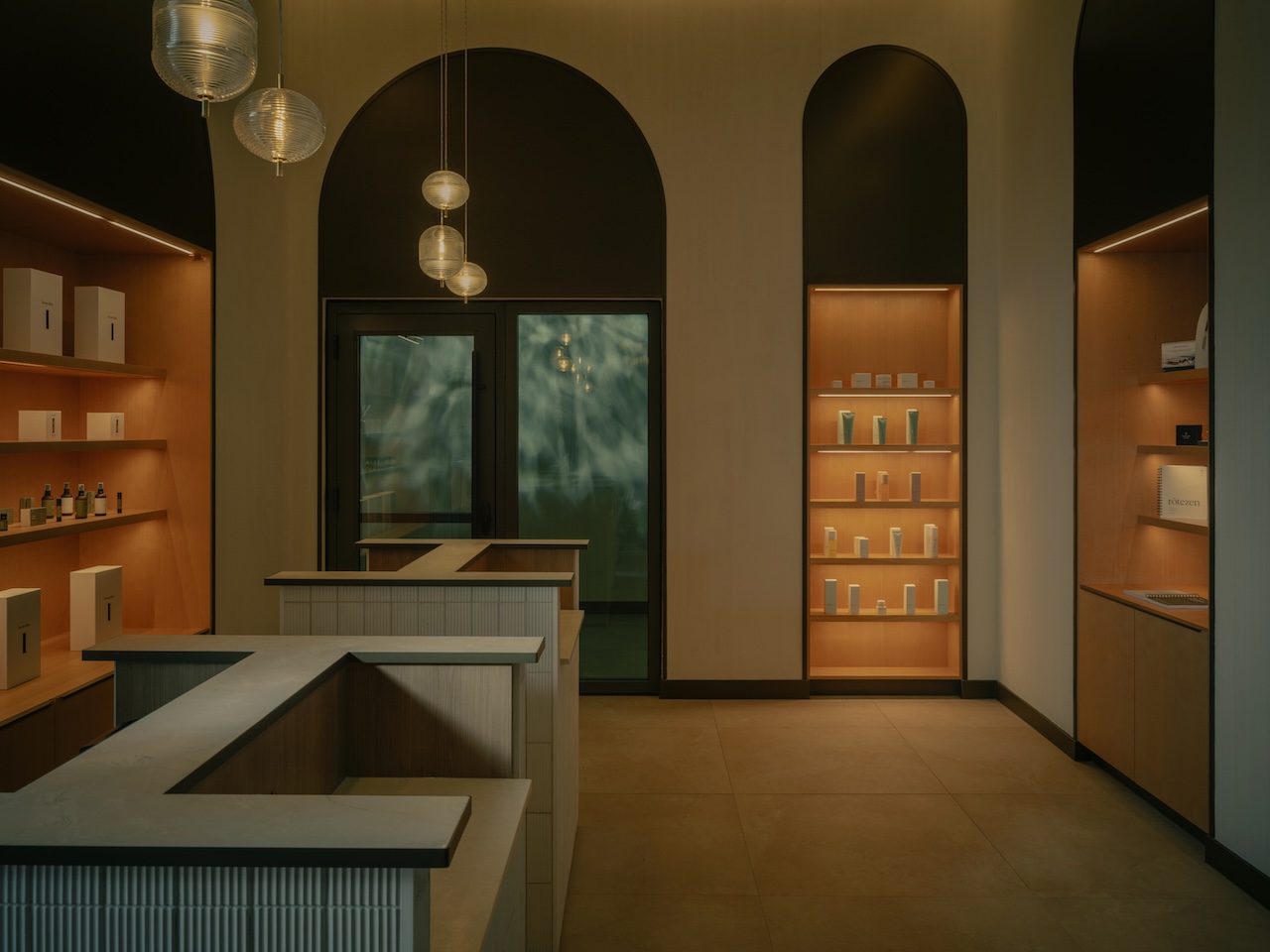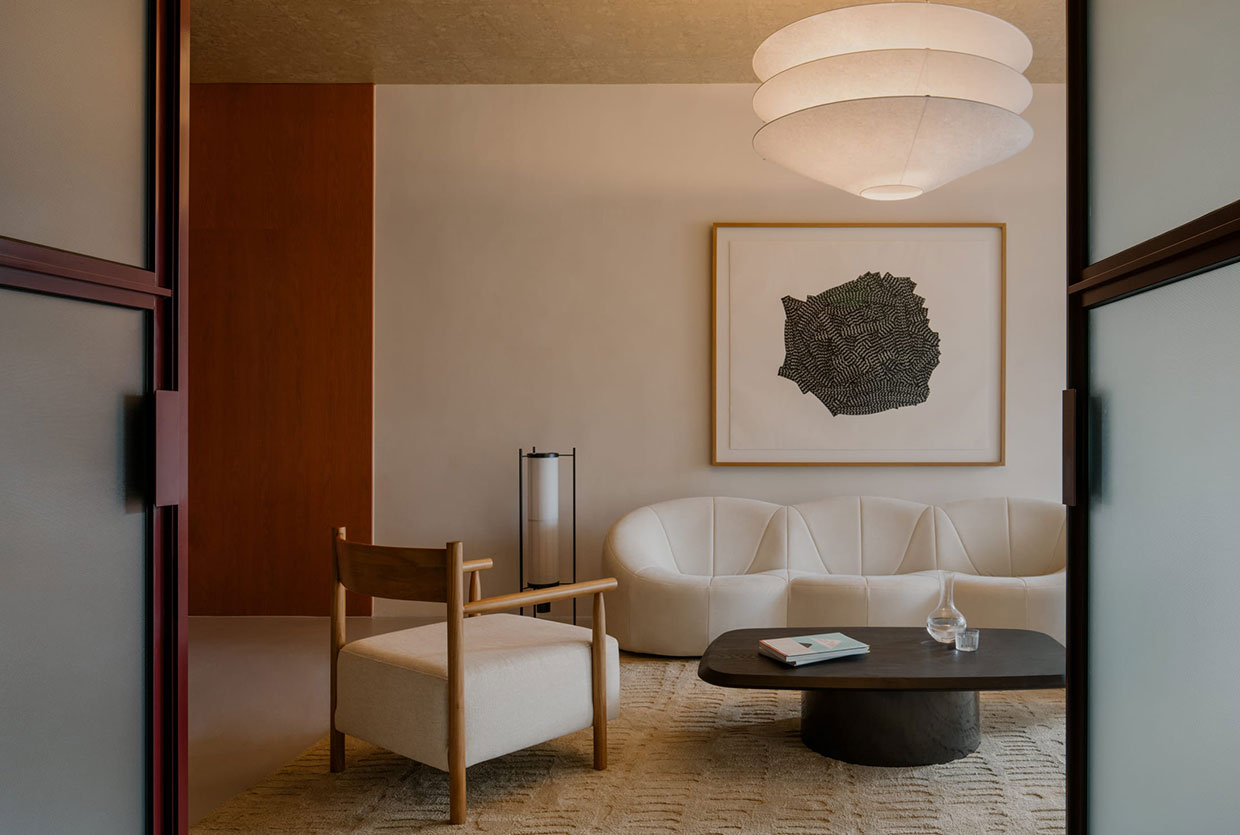
Raw concrete often conjures images of cold fortresses or stark, unyielding monoliths—a relic of mid-century institutionalism. Yet, in the hands of modern designers, Brutalism is undergoing a sophisticated metamorphosis. As we look toward the 2026 design landscape, the "Soft Brutalism" movement reveals a surprisingly grounded sanctuary, where the raw, architectural honesty of béton brut is balanced by a domestic, welcoming warmth. This evolution isn't about hiding the concrete; it’s about celebrating its permanence while tempering its edge with high-tactility materials and a deeply organic soul.
To successfully soften a Brutalist office interior, the secret lies in the dialogue between textures. By integrating organic elements such as burnt red timber, cork walls, and supple leather upholstery, you create a necessary contrast to the rigid, cool surface of structural concrete. This interplay transforms a workspace from a sterile industrial box into a luxurious, contemporary environment. The 2026 trend focuses on a "Root System" color palette—think Mocha Mousse, Deep Umber, and Terracotta—which acts as an anchor for light-reflecting concrete, turning cold severity into an inviting retreat.
1. Material Honesty: Balancing Concrete with Organic Textures
The foundational principle of Soft Brutalism is "architectural honesty." We don't want to plaster over the history of board-formed concrete; we want to accentuate its ruggedness by pairing it with materials that feel good to the touch. This is where the concept of "haptic luxury" comes into play. While concrete is visually heavy and cool, timber is visually light and thermally warm.
Design analysis of modern creative workspaces suggests that utilizing this "Soft Brutalism" approach can have a measurable impact on the workforce. Specifically, offices that integrate warm timber into central social hubs and collaboration zones see a 35% increase in perceived employee collaboration compared to those finished in raw industrial materials alone. The timber provides a psychological "soft landing," signaling to employees that the space is designed for human interaction rather than just industrial efficiency.
To achieve this balance, consider these material pairings:
- Burnt Red Timber & Walnut: Use these for custom joinery, desks, or wall paneling. The deep grains and reddish hues provide a perfect counterpoint to the blue-grey undertones of concrete.
- Haptic Cork: Natural cork walls serve a dual purpose—they act as massive, floor-to-ceiling mood boards for creative teams while providing a soft, earthy texture that dampens sound.
- Cognac Leather: In communal seating areas, tan or cognac leather upholstery adds a layer of "industrial jewelry" that ages beautifully against a raw concrete backdrop.
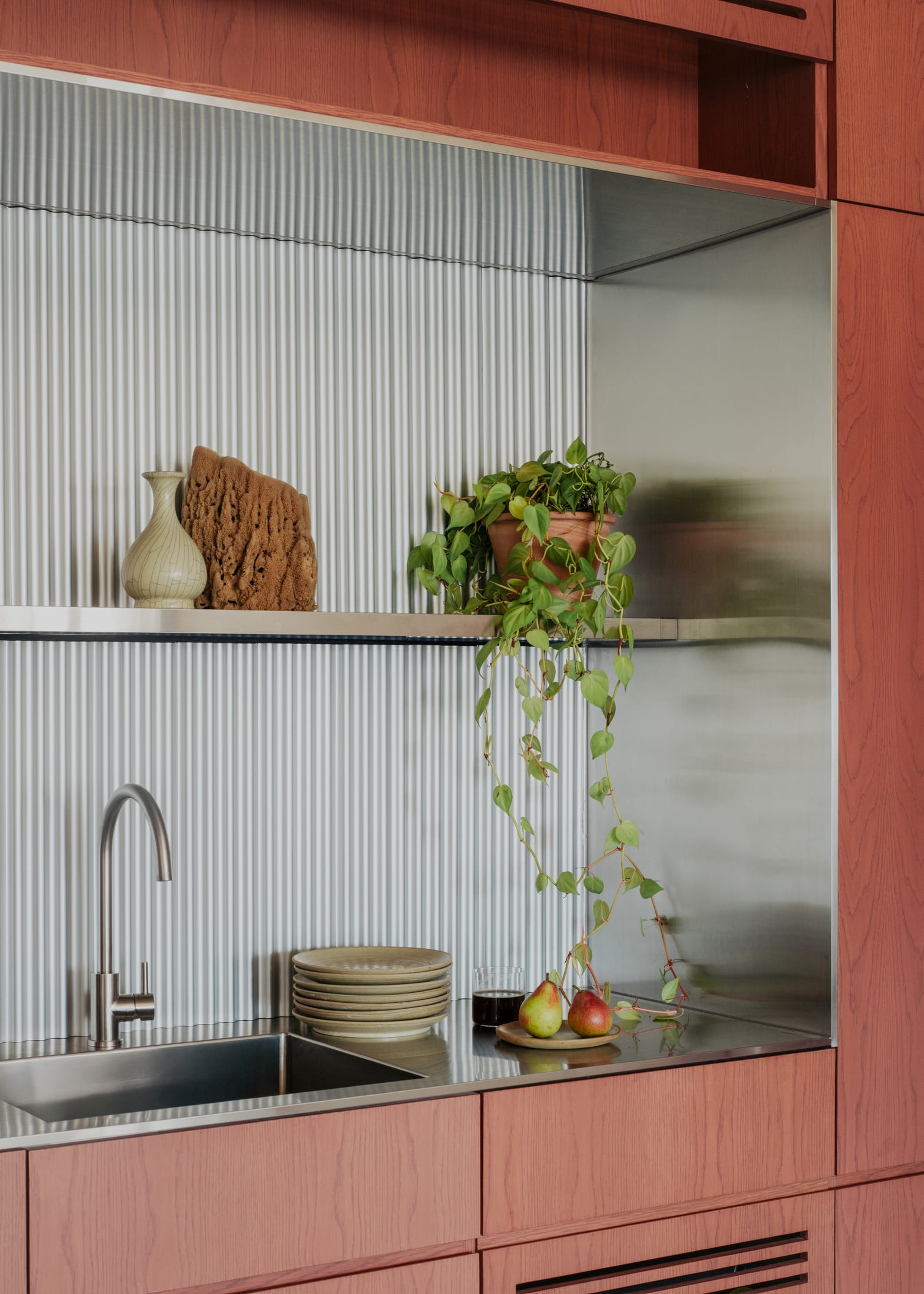
Ivy’s Style Tip: Here’s the killer detail that transforms the space: don’t just use wood; use textured wood. Sandblasted oak or wire-brushed walnut allows the grain to stand out, mimicking the texture of the board-marked concrete it sits against. It’s a subtle nod to the craftsmanship of both materials.
2. The 2026 'Root System' Color Palette
In 2026, the color story for modern brutalist office interiors moves away from stark white-and-grey and toward what I call the "Root System." These are colors found in the earth's mantle—deep, saturated, and profoundly grounding. Because concrete reflects light in a very specific, often flat way, these earth tones provide the necessary visual weight to prevent the room from feeling like a hollow shell.
The core of this palette is Mocha Mousse, a soft, brownish-pink that bridges the gap between industrial grey and organic tan. When paired with Deep Umber and Terracotta, the office begins to feel less like a "parking garage" and more like a high-end gallery.
| Color Name | Hex Code (Approx) | Design Application | Visual Impact |
|---|---|---|---|
| Mocha Mousse | #A38A7E | Acoustic panels, soft seating | Softens the "blue" light of concrete |
| Deep Umber | #5C4033 | Door frames, steel accents | Provides structural depth and gravity |
| Terracotta | #E2725B | Decorative ceramics, area rugs | Adds a "heat" element to cool spaces |
| Sage & Olive | #8A9A5B | Biophilic walls, upholstery | Acts as the "green lung" of the office |
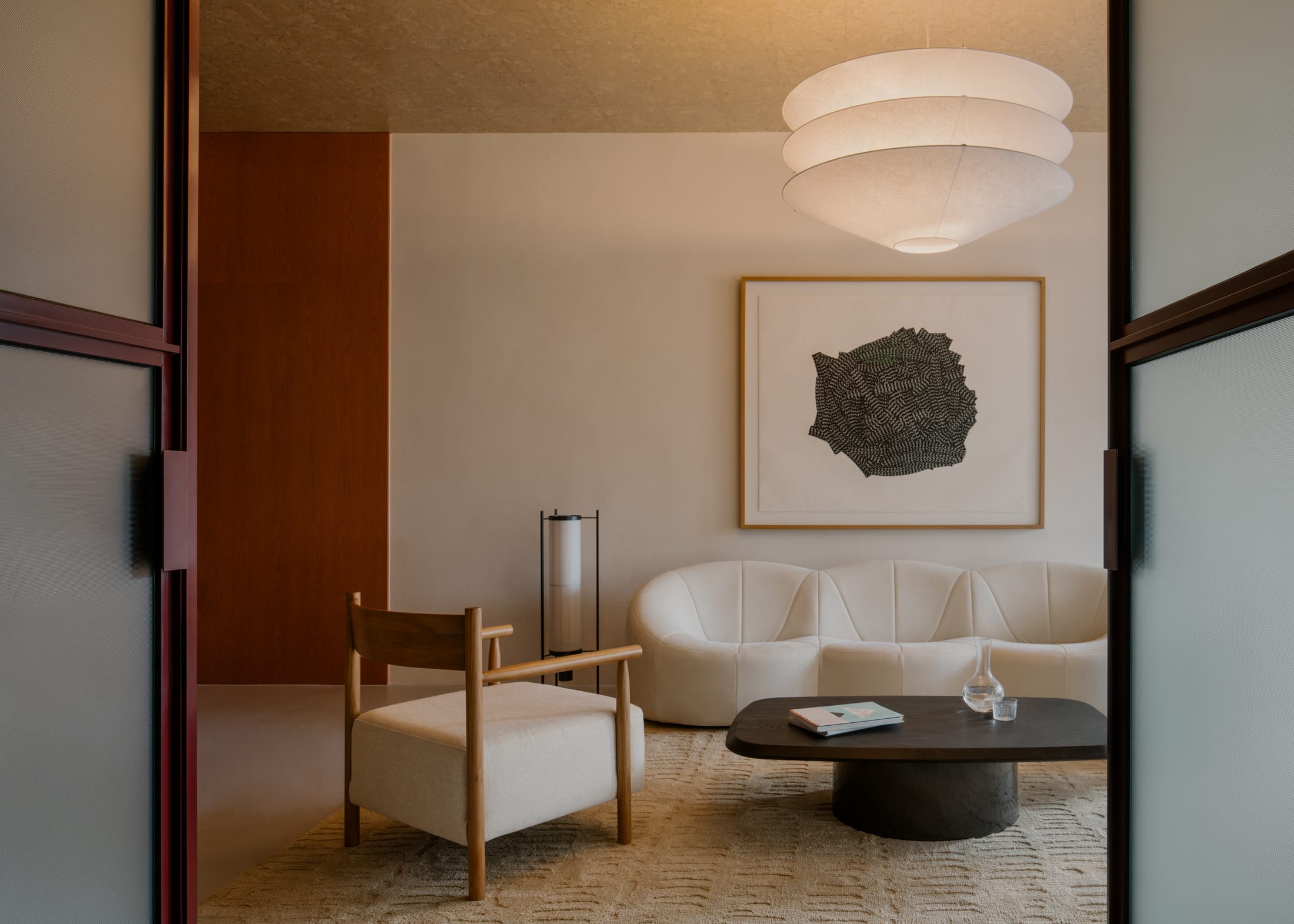
Layering shades of grey is also vital. Instead of one uniform grey, mix "Moon Grey" (a light, airy concrete wash) with charcoal-stained wood. This creates a monochromatic depth that feels intentional and architectural rather than accidental.
3. Lighting as Architectural Jewelry
If concrete is the bone structure of the office, lighting is its jewelry. In a Brutalist environment, standard overhead fluorescent lighting is the enemy; it flattens the texture of the concrete and creates a harsh, clinical atmosphere. To make the space work, you must layer your lighting with a focus on warmth and drama.
The golden rule for Soft Brutalism is the 2700K Rule. Keeping your color temperature at 2700 Kelvin ensures a warm white glow that mimics the late afternoon sun. This is mandatory to prevent the "parking garage" aesthetic.
How to layer lighting in a concrete office:
- Celebrate the Vertical: Use recessed floor up-lighting to wash the concrete walls. This emphasizes the texture of the aggregate and the "imperfections" of the pour, turning the wall into a piece of art.
- The Statement Piece: Use oversized warm copper or brass pendants. Copper, in particular, has a warm reflectivity that complements the cool tones of concrete perfectly. Position these over heavy structural forms, like a tapered concrete reception island, to add focus and luxury.
- Linear Geometry: Utilize linear LED strips tucked into the gaps of waffle slabs or behind concrete beams. This highlights the geometry of the architecture without the light source being visible.
4. Biophilic Integration and Verticality
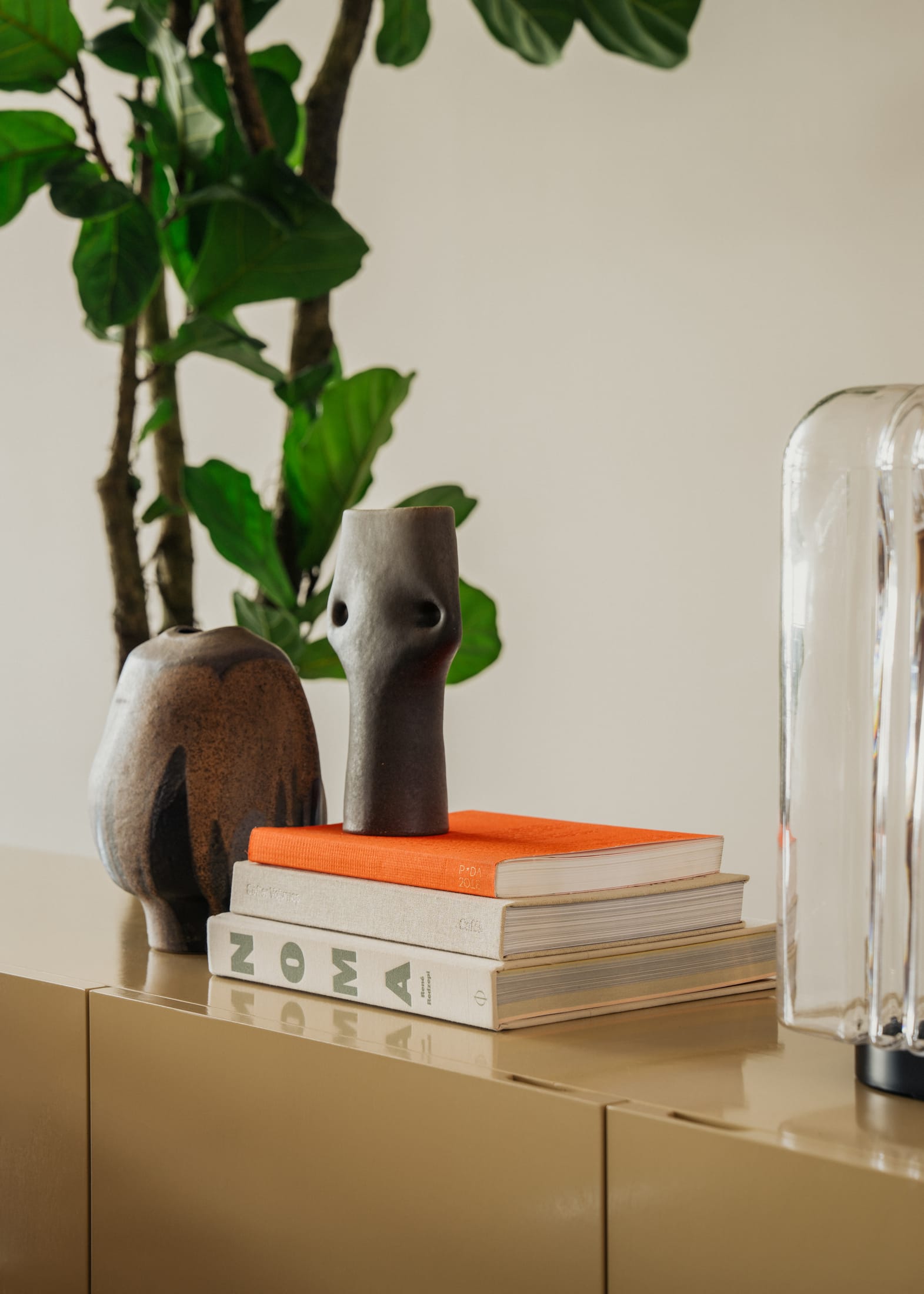
One of the most effective ways to mitigate the visual harshness of board-formed concrete is through the strategic use of "Green Lungs." Recent 2026 trend reports indicate that 68% of high-end office renovations in Brutalist structures now incorporate significant biophilic elements. This isn't just about a few potted plants; it’s about integrating nature into the very fabric of the building.
Concrete and greenery have a symbiotic relationship. The grey, lifeless texture of the stone makes the vibrant, organic greens of nature pop with incredible intensity.
- Vertical Gardens: Install cascading plants like Pothos or English Ivy from concrete mezzanines. The "dripping" effect of the plants softens the hard horizontal lines of the architecture.
- Dissolving Boundaries: In renovations, replace heavy solid walls with floor-to-ceiling glazing. This allows the raw interior to bleed into the natural world outside, using the view as a "softening" wallpaper.
- Internal Atriums: If the structure allows, creating an internal courtyard with a single, large-scale tree (like a Fiddle Leaf Fig or a Black Olive tree) creates a focal point that grounds the entire floor plan.
5. The Practical Reality: Mastering Office Acoustics
We have to address the elephant in the room: concrete is an acoustic nightmare. It is a hard, non-porous surface that reflects sound waves, leading to echoes and a high "noise floor" that can kill productivity. Mastering a warm Brutalist interior requires solving these acoustic challenges invisibly.
The goal is to introduce "soft" surfaces that absorb sound without cluttering the minimalist aesthetic.
Acoustic Solution Strategy:
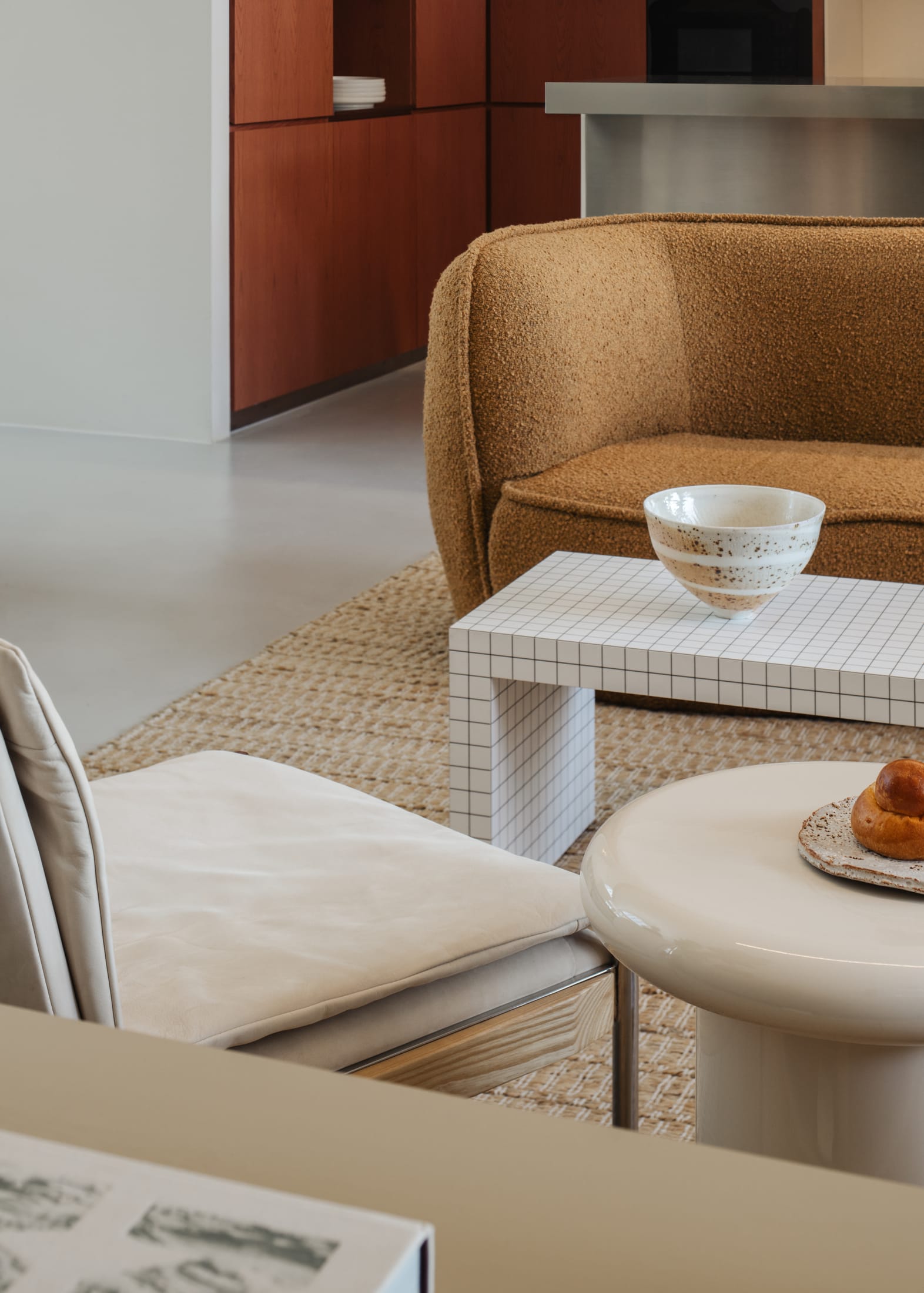
- High-Pile Wool Rugs: Large-scale, plush wool rugs in Mocha or charcoal tones can be placed under desk clusters. They ground the furniture and absorb significant footfall noise.
- Velvet Drapes: Floor-to-ceiling velvet drapes in deep umber or sage green can be used as room dividers. They add a theatrical, luxurious softness to the space while acting as massive sound-absorption blankets.
- Tapestry Art: Large-scale textile art or acoustic "clouds" suspended from the ceiling can break up sound waves before they hit the hard concrete ceiling slabs.
| Acoustic Solution | Visual Impact | Acoustic Effectiveness |
|---|---|---|
| Velvet Drapes | High Luxury / Softness | Excellent (High absorption) |
| Cork Wall Panels | Earthy / Organic | Moderate (Great for mid-tones) |
| Wool Rugs | Grounding / Cozy | High (Eliminates floor bounce) |
| Acoustic Ceilings | Minimalist / Discrete | Moderate to High |
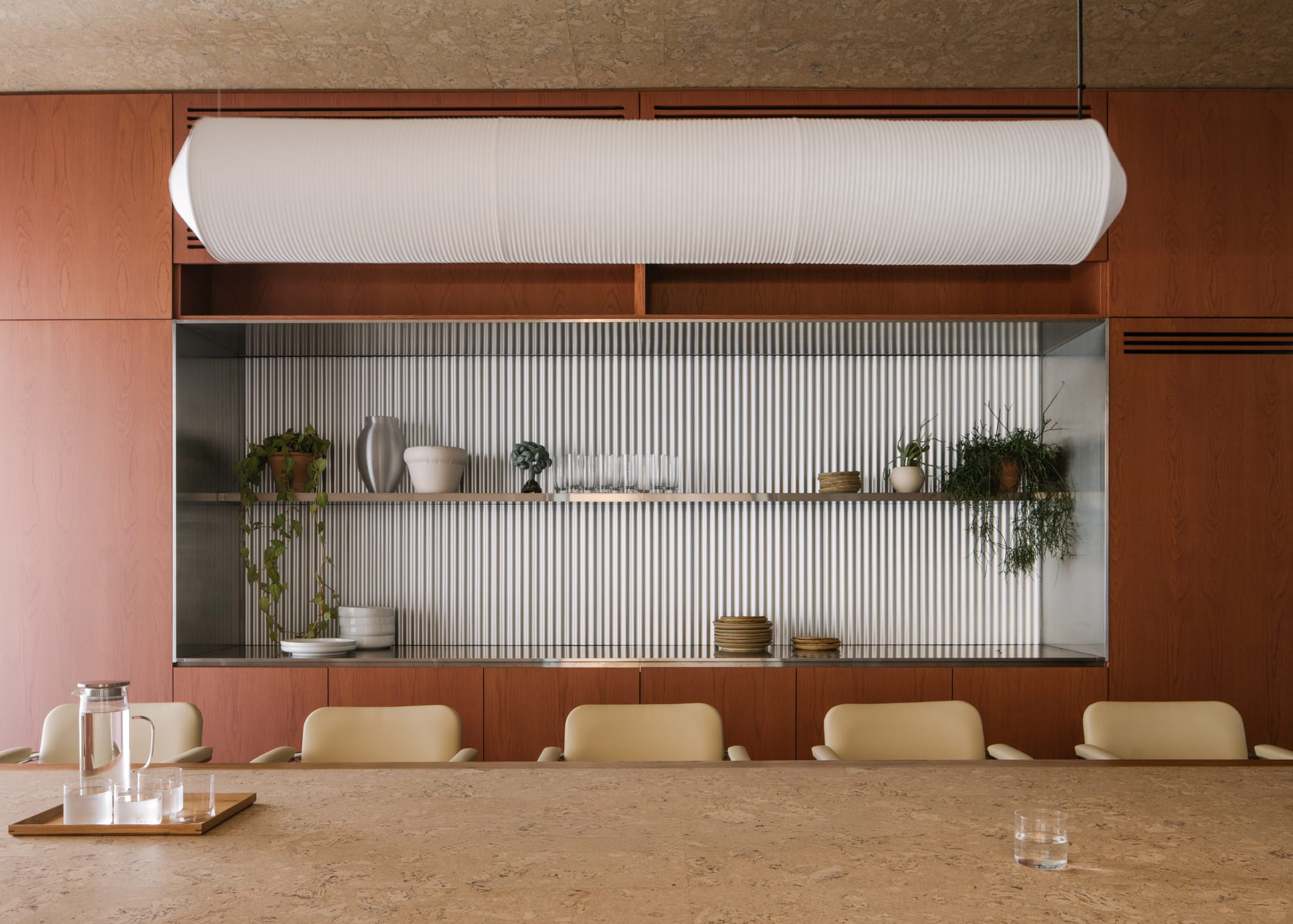
By the time you finish layering these elements—the walnut timber, the terracotta accents, the warm copper glow, and the lush greenery—the concrete no longer feels cold. Instead, it feels like a timeless, protective shell that allows the warmth of the interior to shine. This is the essence of modern luxury in 2026: a space that is both structurally bold and humanly soft.
FAQ
Q: How do I prevent a Brutalist office from feeling like a basement? A: Lighting and verticality are key. Use uplighting to emphasize height and ensure you are using 2700K warm white bulbs. Additionally, incorporating floor-to-ceiling glass and "Green Lungs" brings in natural light and life, preventing that "underground" sensation.
Q: Is concrete high-maintenance for an office floor? A: Actually, it's one of the most durable options. However, for a "warm" feel, I recommend a polished finish with a matte sealer. This prevents a "greasy" look while making the floor easy to clean. Use large area rugs in zones where people spend long periods sitting or standing.
Q: Can I use "Soft Brutalism" in a small office? A: Absolutely. In smaller spaces, focus on one "hero" concrete wall and pair it with light-toned wood like white oak and plenty of mirrors to reflect light. Avoid dark colors like Deep Umber on the walls; instead, use them as small accents in furniture or hardware.