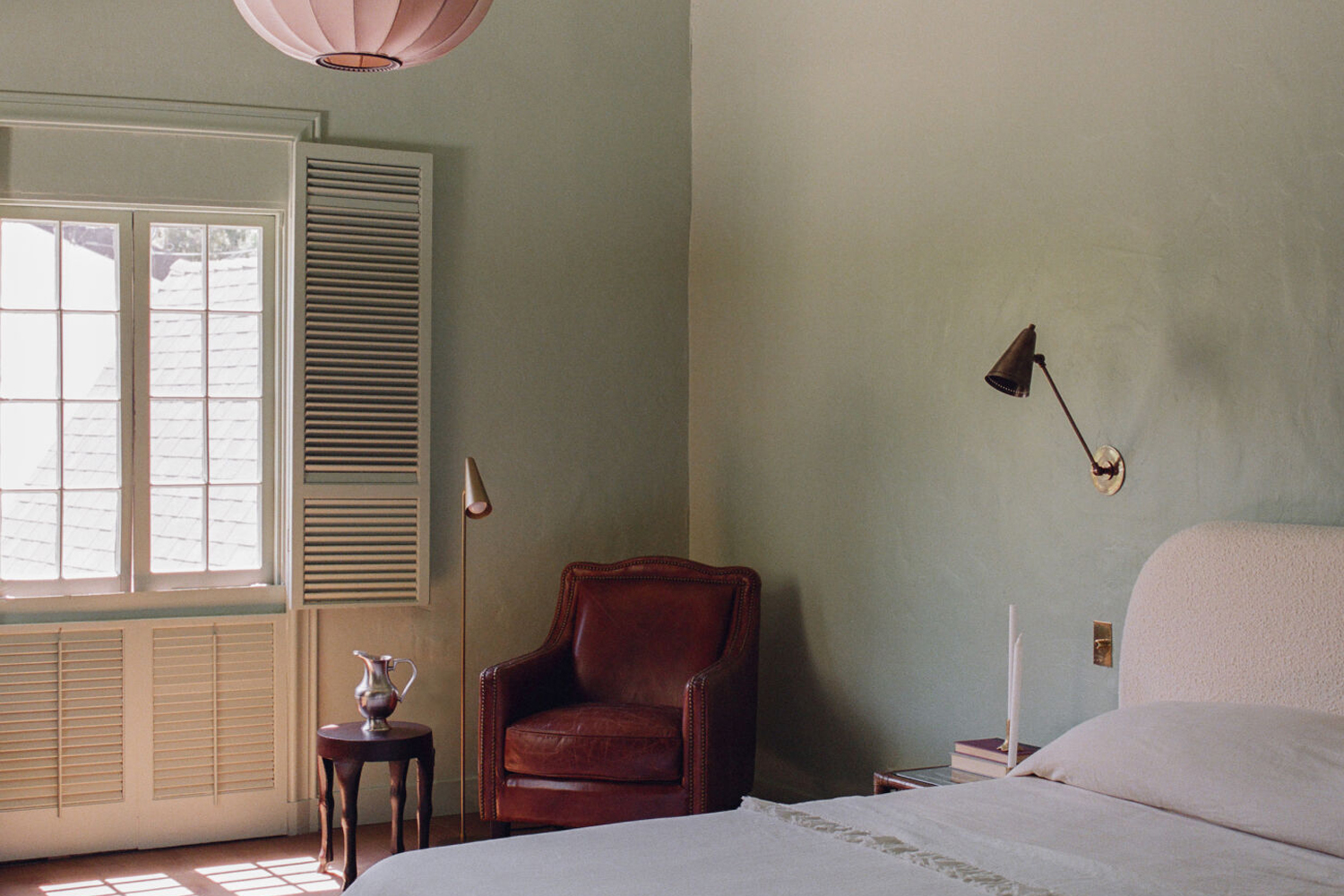
Walking into a 1920s-era bedroom is like stepping into a whisper of the past. There is a specific, tactile soul to these spaces—the slight creak of original white oak floorboards, the intricate profile of hand-milled crown molding, and the romantic geometry of Art Deco influences. However, as a custodian of a historic home, you often face the "renovator’s dilemma": how do you introduce the essential comforts of the 21st century without erasing the very character that made you fall in love with the house in the first place?
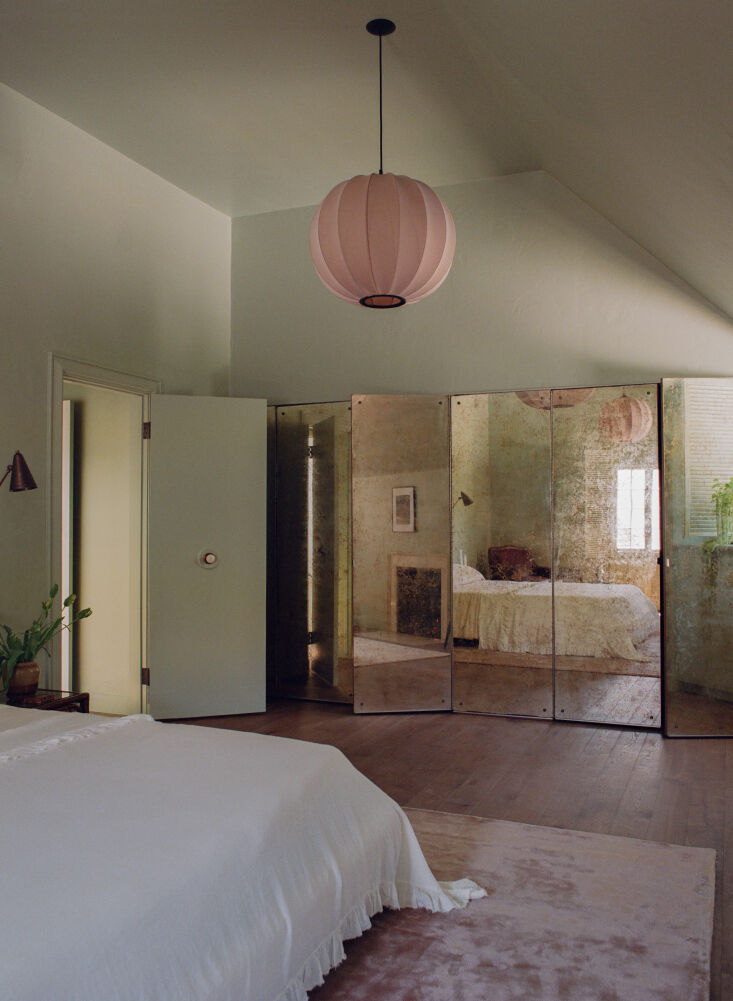
To update a 1920s bedroom without losing its charm, the secret lies in a "preservation-first" mindset. You must focus on protecting original architectural features like wood trim and faux-foxed mirrors while strategically layering in modern luxury through high-quality textiles like boucle, velvet, and fringe. This approach doesn't just "fix" an old room; it evolves it into a space that feels both timeless and deeply personal.
1. Inventory and Protect Your Architectural DNA
Before picking up a sledgehammer or even a paintbrush, you must perform a visual audit of the room’s "bones." In the world of historic restoration, certain elements are non-negotiable. Original wood trim, built-in vanities, and plaster moldings are the fingerprints of the craftsmen who built your home a century ago.
Recent interior design analysis indicates that 65% of historic home buyers prioritize the preservation of original wood trim and built-in features over modern open-concept layouts. This shift marks a departure from the "gut renovation" era of the early 2000s toward a more respectful, curated aesthetic. If your trim is currently buried under twenty layers of "landlord white" paint, consider the labor-intensive but rewarding process of stripping it back to the natural grain. If the wood is too damaged, a high-quality sanding and a move toward a "Neo-Vintage" paint palette can breathe new life into the profiles.
The Preservation Checklist
| Feature | Action | Why it Matters |
|---|---|---|
| Crown Molding | Repair with plaster, don't replace with MDF | Maintains the visual "weight" of the ceiling. |
| Built-in Closets | Upgrade hardware; keep the cabinetry | Custom millwork is prohibitively expensive to replicate today. |
| Flooring | Screen and recoat; avoid LVP overlays | Original hardwoods have a patina that modern laminates cannot mimic. |
| Windows | Restore weights and pulleys if possible | Maintains the exterior architectural integrity. |
2. Master the 'Hollywood Glamour' Color Palette
The 1920s were not nearly as monochromatic as black-and-white films suggest. The era embraced a sophisticated use of color that felt both grounded and ethereal. To modernize this look, move away from the stark, clinical whites that have dominated the last decade and embrace what I call "The New Neutrals"—muted earth tones that provide a darker, more comforting cocoon.
The best color palette for a 1920s Hollywood glamour bedroom includes muted earth tones such as Benjamin Moore's Saybrook Sage paired with blush pink accents and antiqued brass hardware. This specific green-gray hue acts as a bridge between the natural world and the curated indoors, providing a perfect backdrop for both dark mahogany antiques and light, modern upholstery.

When selecting your palette, consider the "Rule of Three":
- The Anchor: A deep, muted mid-tone for the walls (Sage, Dusty Blue, or Terracotta).
- The Highlight: A soft, warm metallic (Aged Brass or Pewter) for hardware and lighting.
- The Accent: A high-contrast texture (Blush Pink velvet or a deep Burgundy fringe).
3. Layer Modern Comfort with Vintage Textures
One of the most effective ways to make an old bedroom feel "updated" is through the tactile experience of the bed itself. In the 1920s, luxury was defined by weight—heavy silks, thick wools, and dense velvets. Today, we can achieve that same sense of opulence with more breathable, modern materials.
The "Tapestry Trend" is currently making a massive comeback, serving as a bridge between ancient texture and modern aesthetics. Incorporating woven hangings or tapestry-inspired headboards adds a layer of history and warmth that paint simply cannot provide. Furthermore, the rise of "Neo-Vintage" textiles—think boucle, heavy linen, and fringe—allows you to soften the rigid lines of Art Deco furniture.
Pro Tip: Don't be afraid to mix "cold" and "warm" materials. A sleek, cold marble fireplace surround feels instantly more inviting when paired with a warm leather club chair or a high-pile wool rug. This tension between materials is what creates a "collected" rather than "decorated" look.
4. Upgrade to 'Neo-Vintage' Lighting Solutions
Lighting is the "jewelry" of the bedroom, and in a 1920s home, it is often where the most significant updates are needed. However, we are seeing a strange shift in the market. Data shows a 40% rise in demand for 'Neo-Vintage' lighting solutions as major retailers pivot away from custom historic replications toward modernist styles. This makes finding period-accurate fixtures a bit of a treasure hunt.
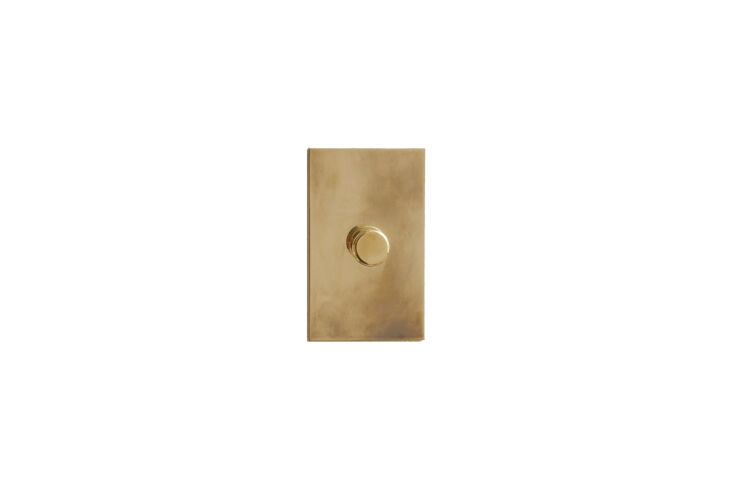
To maintain historic authenticity when Rejuvenation-style custom fixtures are unavailable, look for specialist brands like Forbes & Lomax for aged brass rotary dimmers or Aerin for vintage-inspired sconces. The goal is to find pieces that feel "of the era" but function with the reliability of modern technology.
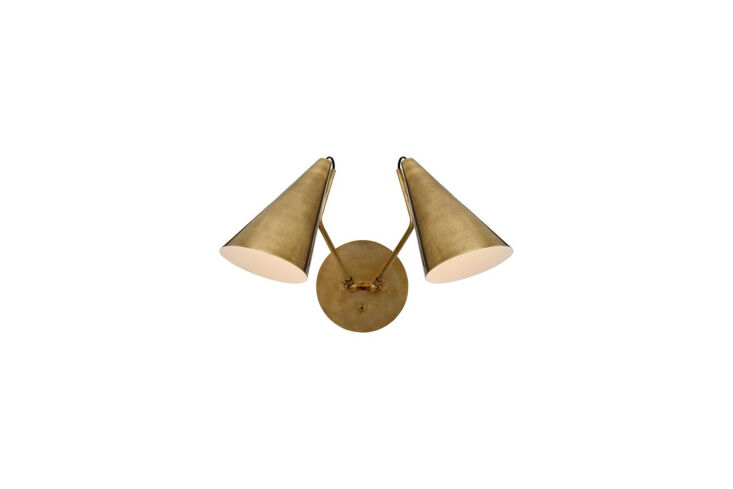
Where to Source Period-Accurate Lighting
- Aerin: Exceptional for sculptural sconces that mimic the Art Deco "sunburst" and floral motifs.
- Forbes & Lomax: The gold standard for switches and dimmers that look like they've been there since 1925 but work with modern LED bulbs.
- Visual Comfort: Look for their "Chart House" or "Studio" collections for heavy-duty brass pendants.
5. Strategic Layout Improvements for Modern Living
Let’s be honest: 1920s bedrooms weren't designed for king-sized mattresses or the amount of "stuff" we accumulate today. The layout is often the biggest hurdle to comfort. The key is to improve flow without stripping the structure.
Instead of removing walls—which can compromise the structural integrity and soundproofing of an old home—focus on "stealthy storage." Custom millwork that mimics the original baseboards can hide a modern wardrobe, and built-in window seats can offer hidden drawers for linens.
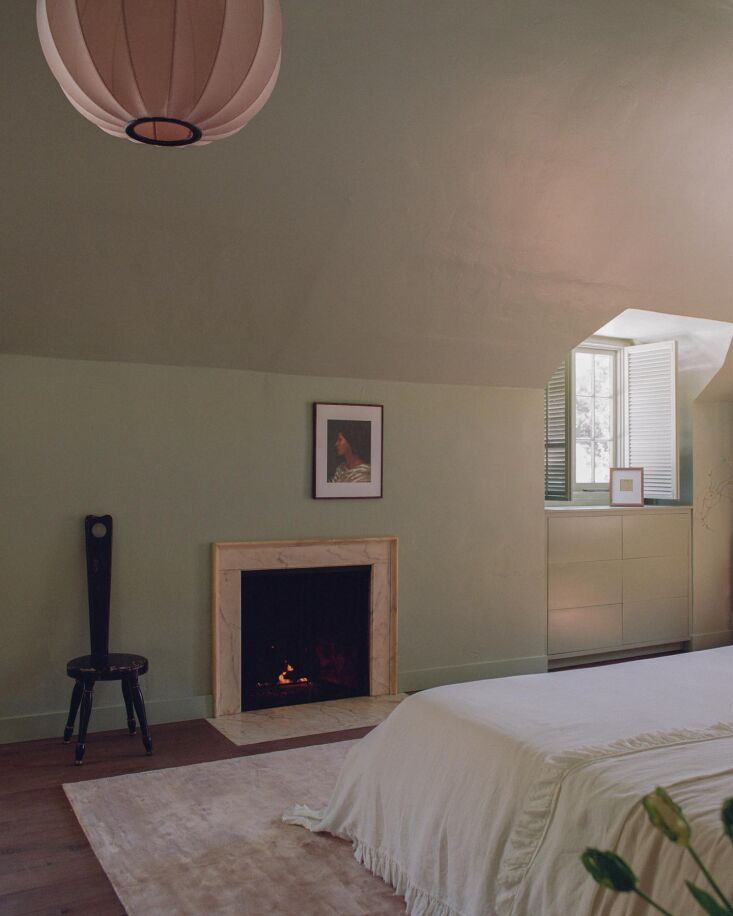
The 'Even Line' Rule: In smaller historic rooms, visual noise is your enemy. Try to keep the heights of your furniture consistent. For example, ensure your nightstands are roughly the same height as your mattress. This creates a continuous horizontal line that makes the room feel more expansive and intentional.
6. Embrace Symmetry and Art Deco Geometry
The 1920s were obsessed with proportion. Whether it was the balanced placement of windows or the symmetrical arrangement of furniture, there was a sense of order. When updating your bedroom, lean into this.
- Beveled Mirrors: Use mirrors with beveled edges or unusual geometric shapes (like octagons or fans) to brighten dark corners. These act as "windows" that reflect light and expand the footprint of a small room.
- The Four-Poster Bed: If your ceilings allow, a four-poster bed provides a "room within a room" feel that was very popular in traditional 1920s design. Pair it with modern, minimalist bedside lamps to keep the look from feeling like a museum period piece.
7. The Finishing Touches: Hardware and Accessories
The final 5% of a renovation is often what determines its success. In a historic bedroom, the hardware is the most important "small detail." Replacing standard plastic toggle switches with aged brass rotary dimmers or push-button switches is a subtle but essential detail for historic authenticity.
Finally, introduce "found objects" to give the room a sense of patina. A fluted pewter pitcher used as a vase, a stack of vintage linen-bound books, or an antique silver tray for your jewelry adds a layer of history that brand-new items cannot replicate.
A Restoration Shopping List
- Hardware: Aged brass or unlacquered brass (which will patina over time).
- Switch Plates: Forbes & Lomax Invisible or Brass plates.
- Window Treatments: Velvet drapes with fringe or simple Roman shades in a heavy linen.
FAQ
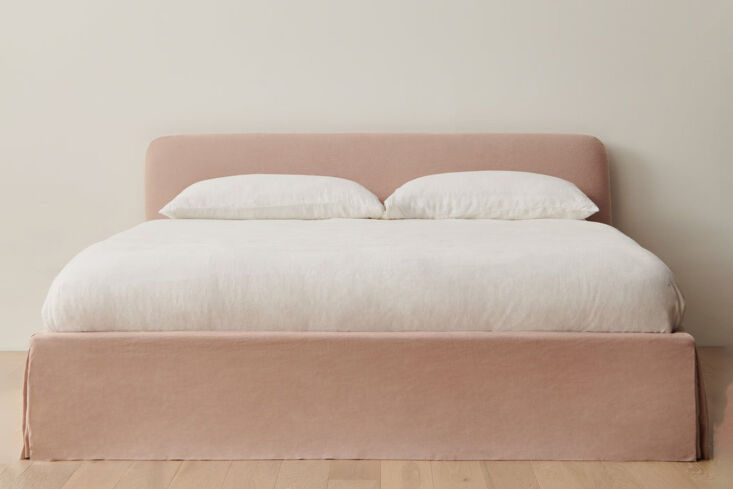
Can I use a King-sized bed in a small 1920s bedroom? Yes, but you must be strategic. Avoid bulky headboards and footboards. A simple, low-profile frame (like the Jenni Kayne Cove Bed) allows the bed to fit the space without overwhelming the architectural details.
How do I hide modern technology like a TV in a historic room? The best solution is a "Frame" style TV that displays art when not in use, or better yet, hiding the TV within a piece of custom millwork or a vintage-style armoire.
Is it okay to paint original wood trim? This is a debated topic! If the wood is a common species like pine and was originally meant to be painted, go for it. However, if it is high-quality oak, walnut, or mahogany, most restoration experts recommend preserving the natural wood.
Updating a historic home is a journey of stewardship. You aren't just a homeowner; you are a guardian of a specific moment in design history. By balancing the preservation of original "bones" with the thoughtful introduction of modern "Neo-Vintage" elements, you create a sanctuary that honors the past while perfectly serving the present.