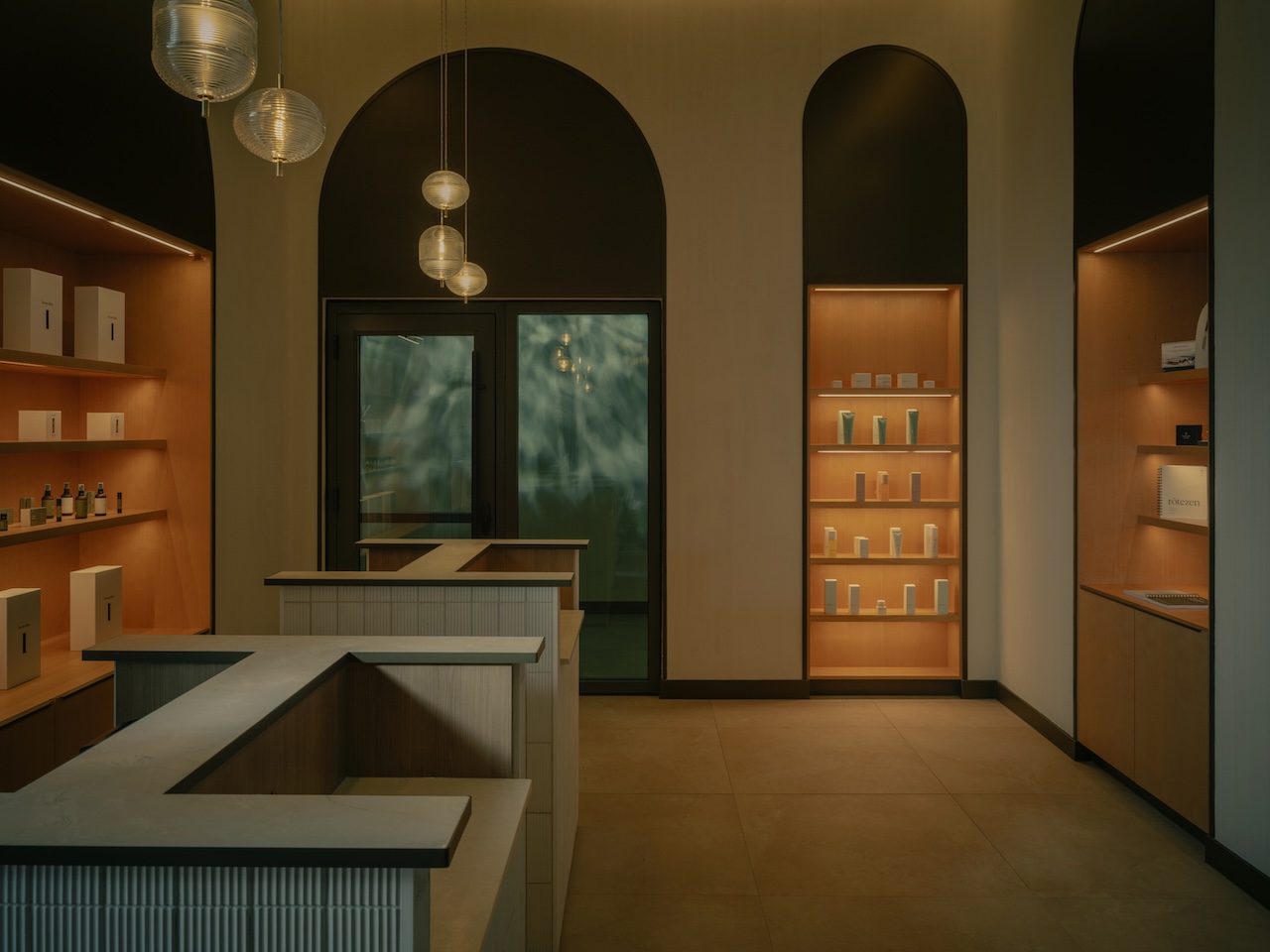
In the evolving landscape of high-end interiors, the loudest statement is often made by what isn't there. As we look toward the 2026 design season, the industry is shedding the skin of performative opulence—the high-gloss finishes and maximalist clutter—in favor of a more profound, sensory-driven approach. We are entering the era of "Material Restraint." This isn't about minimalism in the sterile sense; it is about the disciplined curation of elements that possess an inherent soul, a tactile weight, and a narrative of their own.
The 2026 Shift: From Visual Noise to Emotional Experience
The luxury market is undergoing a seismic shift. For years, "luxury" was synonymous with visual exuberance—gold leaf, exotic animal prints, and highly reflective surfaces designed for the camera lens. However, the 2026 forecast suggests a pivot toward "Material Honesty." This movement prioritizes how a room feels over how it photographs. We are moving from image-centric design to lived experience, transforming our homes into sensory refuges where the grain of a wooden table or the cool touch of a stone hearth provides a grounding, meditative quality.
The 2026 shift prioritizes emotional resonance through a curated selection of textures and honest materials.
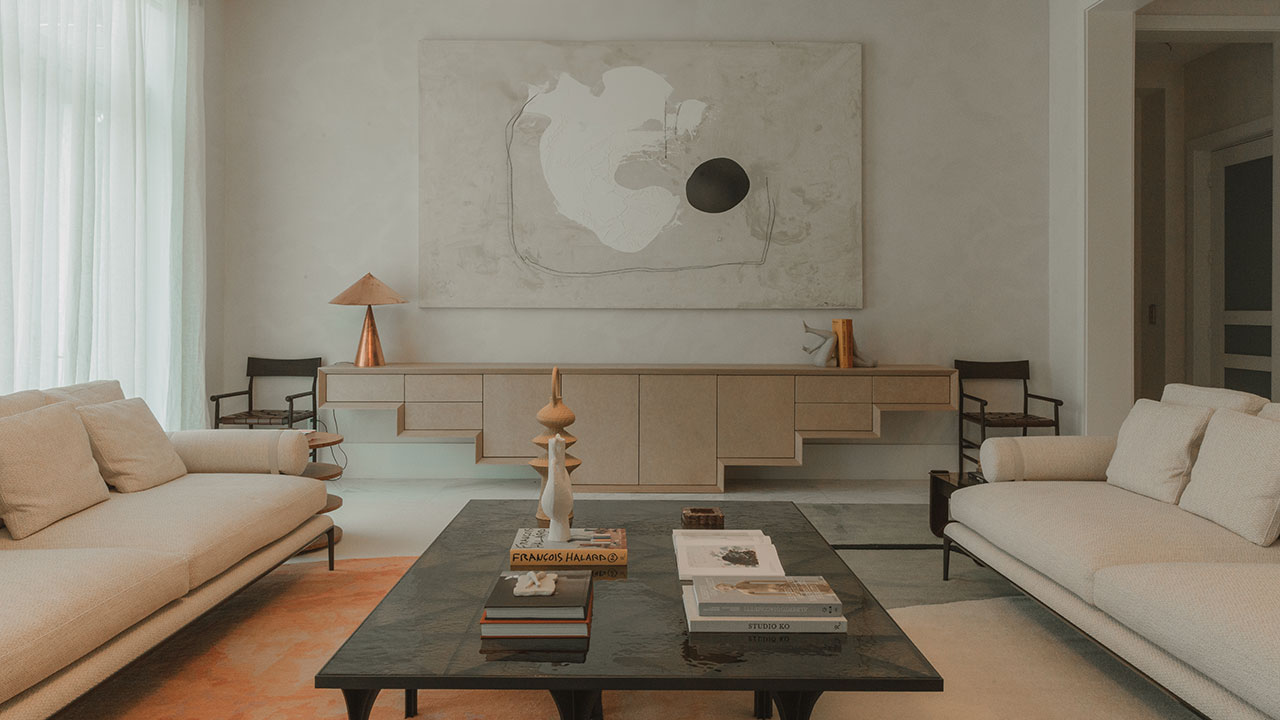
This transition is fueled by a collective desire for permanence. In a world of digital fleetingness, the physical environment must offer something tactile and enduring. By practicing material restraint, designers allow the architecture of a space to breathe, creating an atmosphere of "understated luxury" that feels both timeless and deeply personal.
Defining Material Restraint in Modern Luxury
Material restraint in interior design is a highly curated approach that prioritizes a limited selection of high-quality, natural materials—such as wood, stone, and brass—to create depth and sophistication through texture and tonal shifts rather than visual excess. It is an exercise in editing, where the designer chooses a "hero" palette of perhaps three or four materials and explores their full range of expression through different finishes and applications.
The philosophy hinges on the concept of "Quality over Quantity." When you remove the distractions of competing patterns and clashing colors, the integrity of each material is laid bare. A singular slab of honed Travertine or a wall of hand-applied lime wash becomes the focal point, inviting closer inspection and touch.
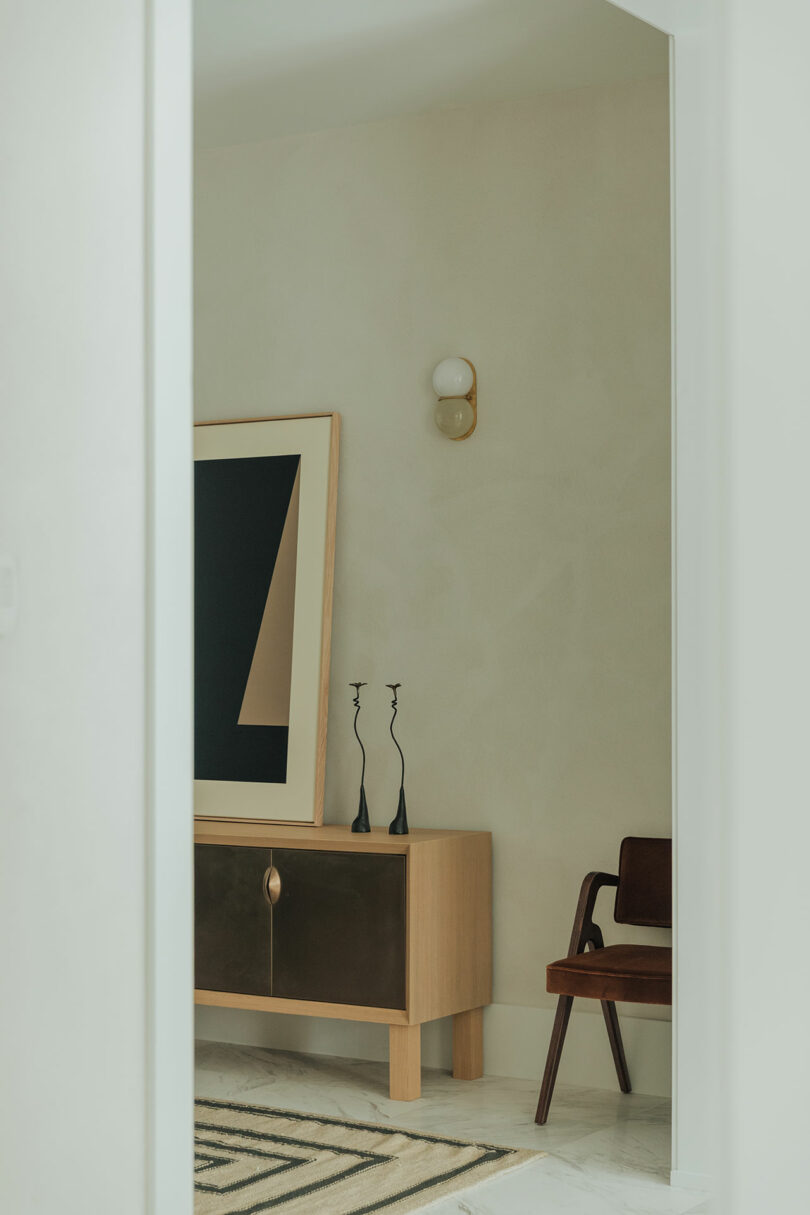
Restraint in design allows individual pieces, like a sculptural chair or raw wood cabinet, to communicate quality more effectively.
The 2026 Material Palette: Innovations and Pairings
As we approach 2026, the material palette is becoming more technologically advanced yet remains rooted in the organic. We are seeing a rise in "Digital Pastels"—desaturated, dusty hues—paired with earthy neutrals like warm taupe and soft stone. However, the true innovation lies in the surfaces themselves.
Key material innovations for 2026 include sustainable bamboo composites that mimic the density of hardwoods, recycled glass surfaces that offer a translucent, ethereal glow, and bio-resins used for sculptural furniture. Perhaps most significant is the arrival of ultra-matte, fingerprint-resistant cabinetry, which allows for a seamless, architectural look without the maintenance traditionally associated with dark, matte surfaces. These are often accented by tactile elements like bouclé upholstery and ribbed wood panels that add rhythm to a room.
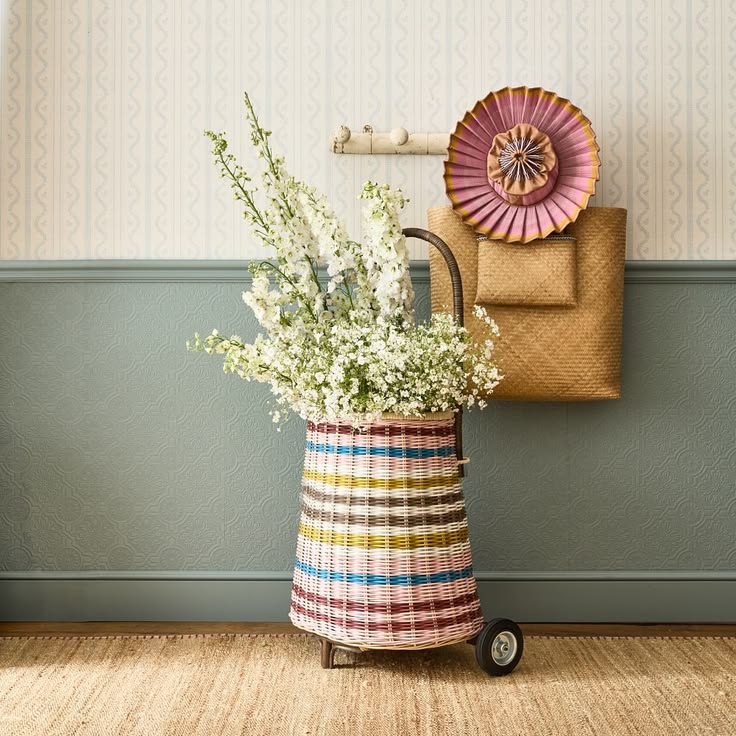
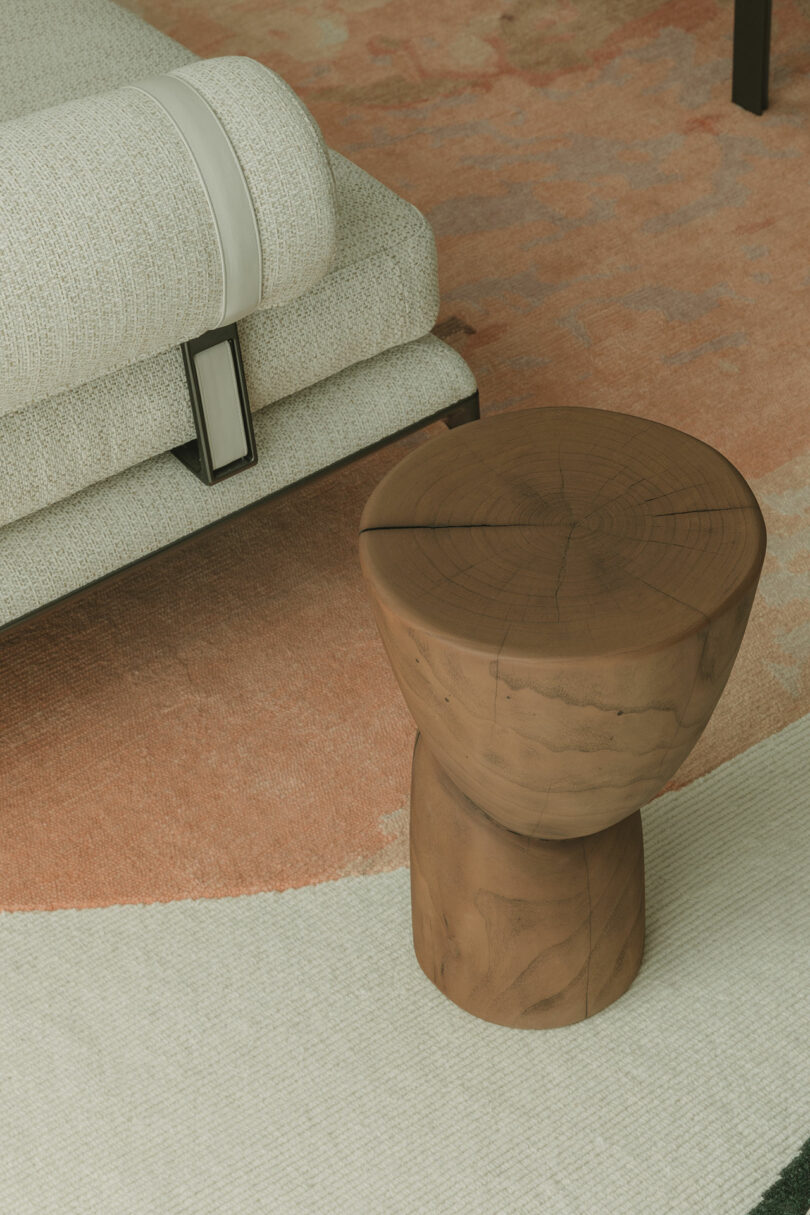
Tactile layering, such as pairing textured bouclé with smooth leather straps, adds depth to neutral spaces without visual noise.
To help you navigate these pairings, consider the following 2026 Material Synergy Table:
| Foundational Material | Contemporary Accent | Innovation Factor | Desired Mood |
|---|---|---|---|
| Smoked Oak | Brushed Champagne Brass | High-Performance Matte Sealants | Grounded, Heritage-inspired |
| Honed Limestone | Recycled Glass Aggregates | Bio-Resin Bonding Agents | Ethereal, Wellness-focused |
| Walnut | Sage Green Leather | FSC-Certified Sourcing | Organic Modernism |
| Matte Concrete | Ribbed Bamboo Panels | Low-VOC Carbon Sequestration | Industrial Sophistication |
Creating 'Material Dialogue' Through Tactile Layering
The secret to a sophisticated, restrained interior lies in "Material Dialogue"—the intentional pairing of contrasting textures to create visual interest in the absence of bold color. When the color palette is tight, the eye becomes more sensitive to variations in surface.
Consider the art of the "Contrasting Pair." Imagine the visual friction of a supple, soft leather armchair set against a solid, cold stone plinth. Or the way a matte, open-grain wood cabinet provides the perfect backdrop for a single, polished brass handle. These pairings create a "dialogue" that feels intentional and curated. Instead of using printed patterns, look to ribbed wood panels, fluted glass, or hand-knotted textiles to introduce complexity.
Pairing matte wood with supple leather creates a dialogue of textures that feels both modern and grounded.
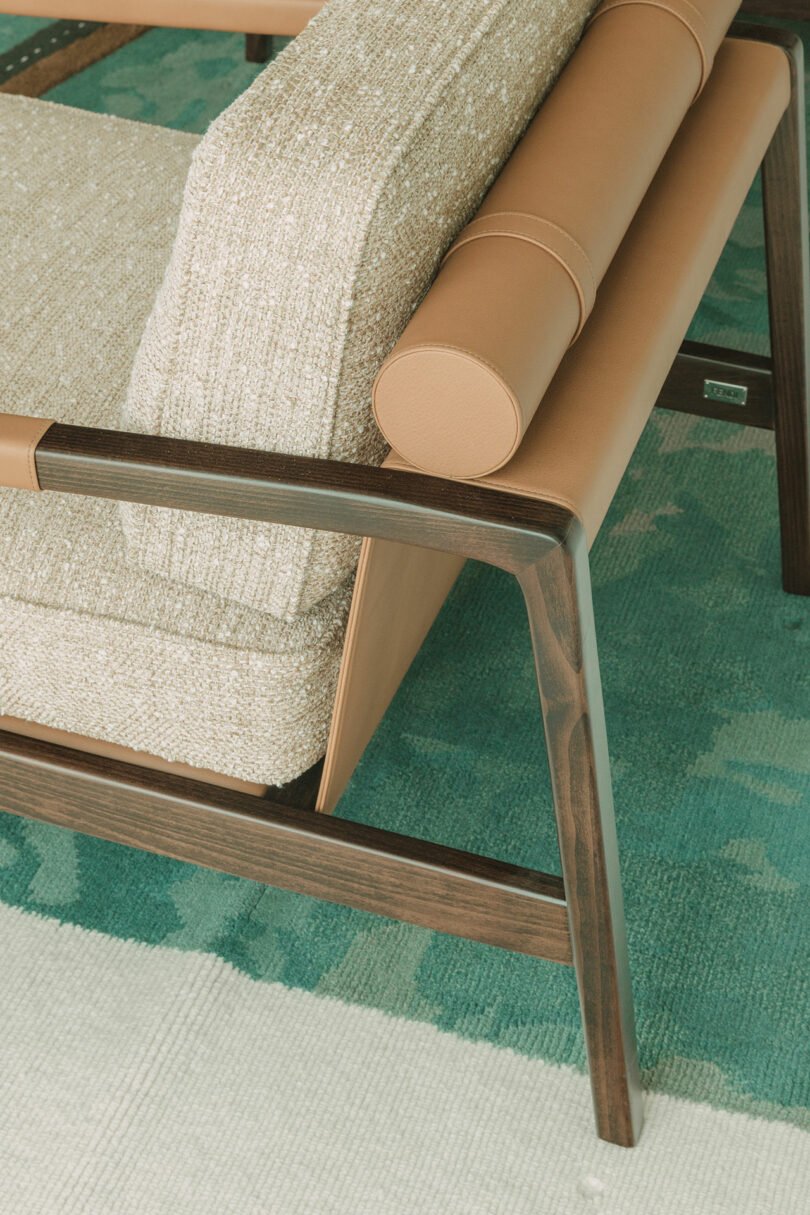
By focusing on these tactile shifts, the room gains depth. A space that initially appears monochrome reveals itself to be a rich tapestry of finishes—some that absorb light, others that reflect it softly, and others that invite the hand to linger.
The Economics of Sophistication: 2026 Market Data
This shift toward restraint isn't just a stylistic preference; it is reflected in hard market data. Design market analysis indicates a 40% increase in demand for ultra-matte and high-performance finishes in custom cabinetry for the 2026 design season. Homeowners are moving away from the "fast furniture" mentality, opting instead for surfaces that can withstand the rigors of daily life while maintaining a high-end aesthetic.
Furthermore, recent surveys show that 75% of high-end residential clients now prioritize "material honesty" and longevity over traditional high-gloss luxury motifs. There is a growing understanding that sustainability is a core component of sophistication. This includes a preference for FSC-certified woods, low-VOC finishes, and materials that will develop a beautiful patina over time rather than showing wear and tear as "damage." The economics of 2026 design are defined by investment in the foundational elements of the home.
Room-by-Room Implementation
Implementing material restraint requires a strategic approach for each functional area of the home.
The Kitchen
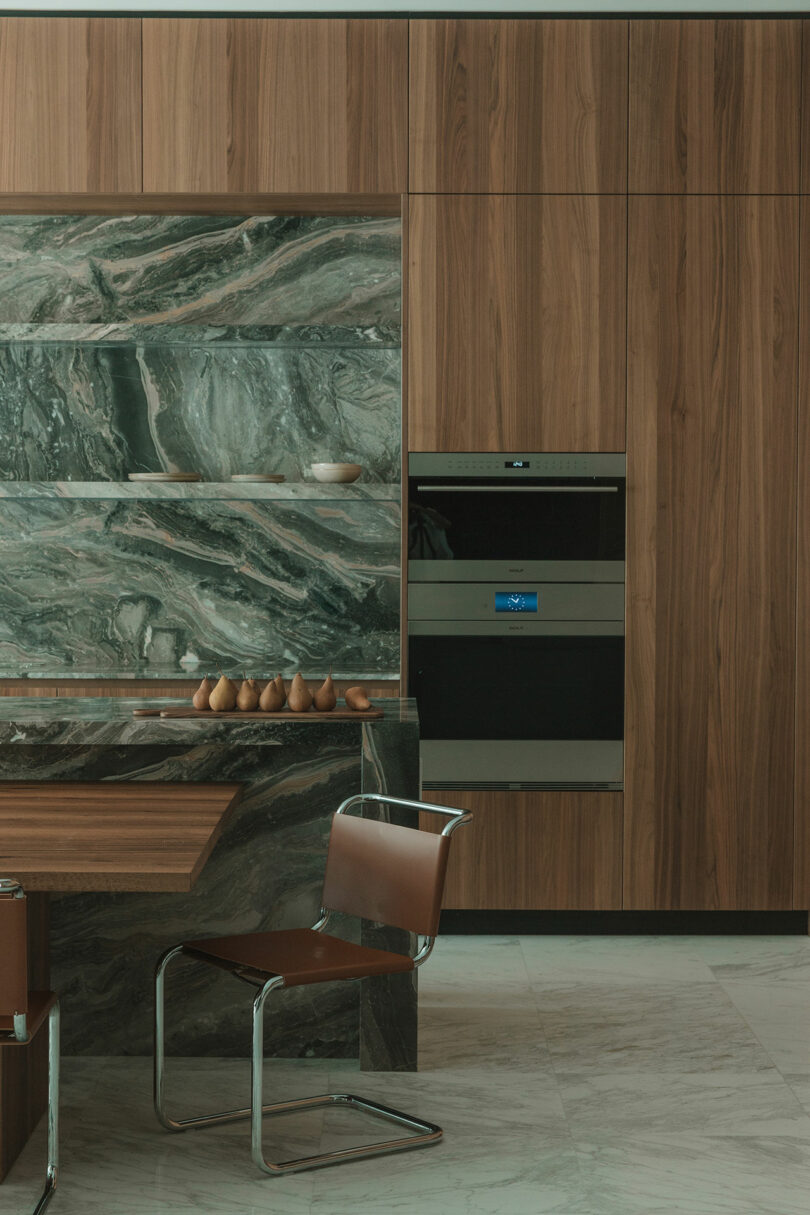
The 2026 kitchen is a study in seamless integration. Focus on custom millwork that hides the clutter of daily life. Integrated "appliance garages" allow the beauty of a stone backsplash or a book-matched marble island to take center stage. Use ultra-matte cabinetry to create a soft, velvety backdrop that doesn't compete with the natural veining of your chosen stone.
In 2026, the kitchen becomes a sanctuary of natural materials, featuring seamless millwork and striking stone backsplashes.
The Living Room
Start with a neutral foundation—perhaps a high-pile wool rug and lime-washed walls. Layer in sculptural "statement" furniture that prioritizes form. A single, well-chosen sofa in a tactile bouclé or a heavy linen becomes the anchor of the room. Avoid "matching sets"; instead, look for pieces that share a similar material language but offer different silhouettes.
The Sanctuary Bath
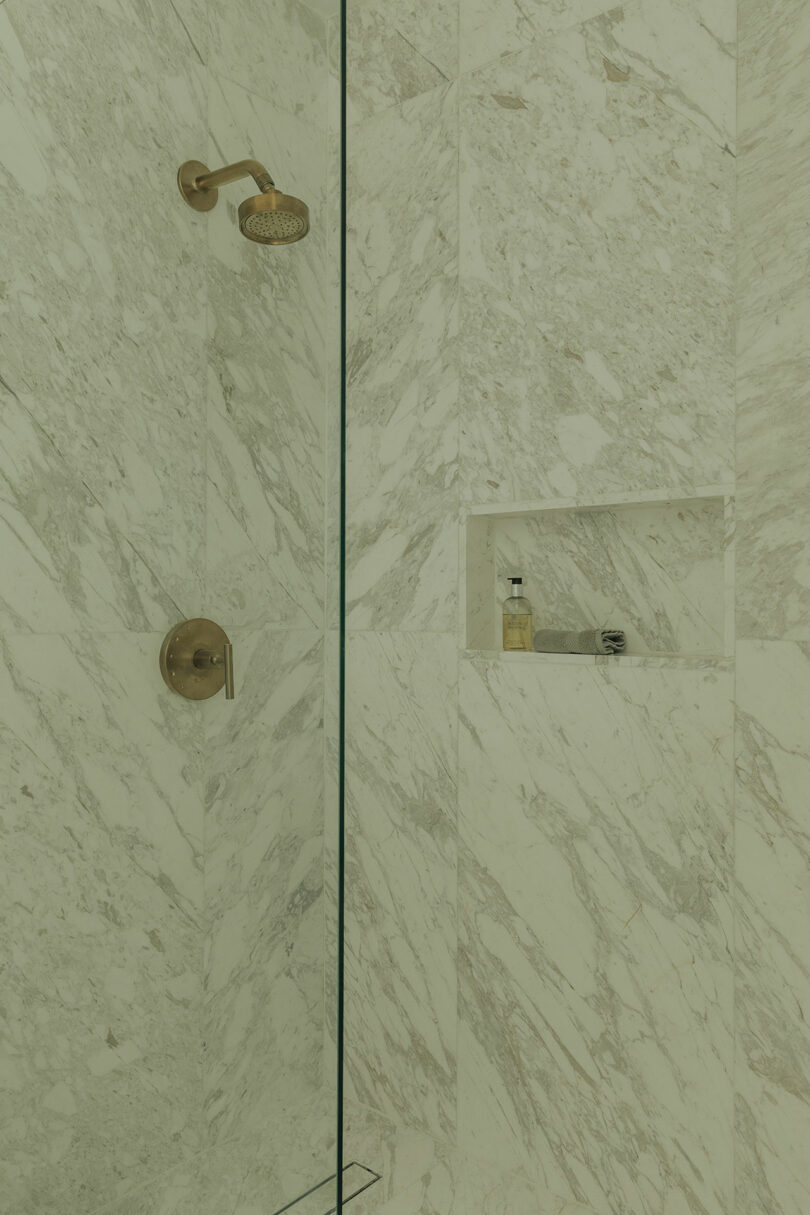
In the bathroom, restraint translates to a spa-like atmosphere. Custom stone vanities that appear to grow out of the floor provide a sense of permanence. Use warm brass fittings to provide a soft glow against cool-toned marble or limestone. The goal is to prioritize proportion and the inherent beauty of the stone over excessive ornamentation.
Warm brass accents against cool-toned marble provide a timeless, high-end finish for the modern sanctuary bath.
Future-Proofing: Seamless Technology Integration
As we look toward 2026, the challenge of material restraint is the integration of technology. Sophisticated design demands that technology be felt but not seen. Wellness-focused tech, such as circadian lighting systems, should be integrated into the architecture of the space, automatically adjusting the color temperature of the room to match the natural cycle of the day.
Acoustic management is also becoming a material priority. Felt-backed wood slat panels or acoustic plaster ceilings allow for high-tech sound systems to perform perfectly without the visual clutter of bulky speakers. Hidden connectivity—discreet charging stations built into stone countertops and voice-activated climate control tucked behind custom millwork—ensures that the minimalist integrity of the design remains uncompromised.
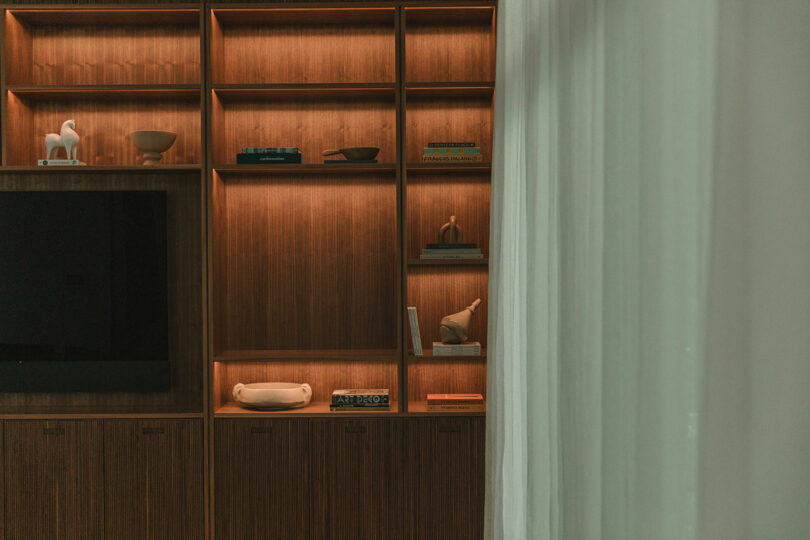
Integrated lighting enhances the sensory experience while maintaining the minimalist integrity of the custom millwork.
FAQ
Q: Won't a limited material palette make my home feel boring or cold? A: On the contrary, material restraint creates a sense of harmony. The "warmth" comes from the textures you choose—like raw wood, soft wool, and aged brass—and the way light interacts with those surfaces. Boredom usually arises from a lack of contrast, so ensure you have a mix of matte, polished, rough, and smooth textures.
Q: Is material restraint more expensive than traditional design? A: While it often involves an upfront investment in high-quality, natural materials, it is more cost-effective in the long run. By choosing timeless materials that age beautifully (developing a patina) and focusing on quality over quantity, you avoid the "trend cycle" and the need for frequent redecoration.
Q: Can I implement this style in a smaller home? A: Yes! In fact, material restraint is ideal for small spaces. By limiting the number of materials and using a cohesive palette, you create a sense of visual continuity that makes a small room feel much larger and more intentional.
Master the Edit
Achieving a sophisticated 2026 interior isn't about how much you can add; it’s about what you have the courage to leave out. By mastering material restraint, you create a home that transcends trends—a space that feels grounded, honest, and undeniably luxurious.